VIN Verification in California Vs Other States
October 18, 2025
CHP Vs Sheriff Vs DMV Vs Mobile: Complete Comparison
October 18, 2025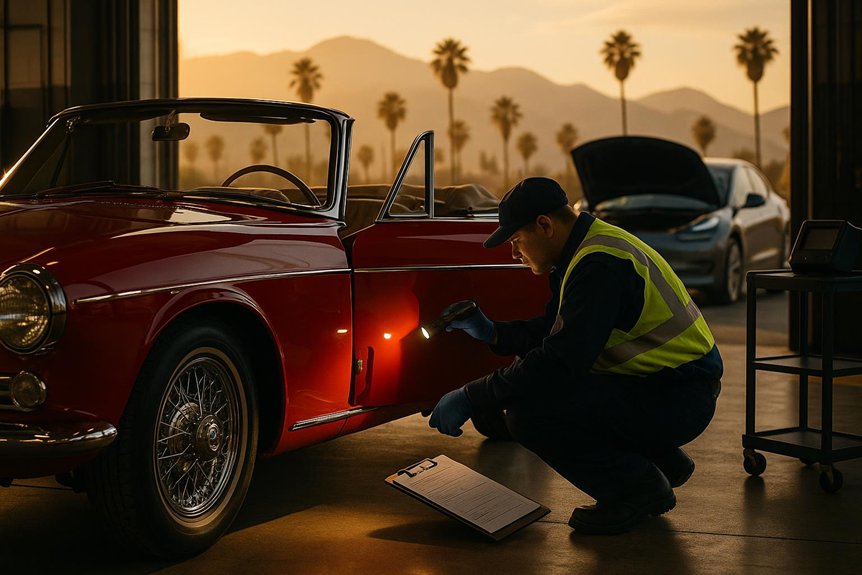
California’s strict VIN verification exists because decades of theft, fraud, and cross‑border trafficking exposed weak links in titles and identification. You face checks that match every VIN to ownership records, emissions labels, and safety gear to block tampering and gray‑market imports. Bringing in out‑of‑state cars, salvages, kit builds, or major repairs triggers scrutiny. You’ll need proper documents, visible VIN plates, and proof of compliance. It protects clean air, safe roads, and your investment—and there’s more that can help you prepare.
Historical Roots of California’s VIN Scrutiny
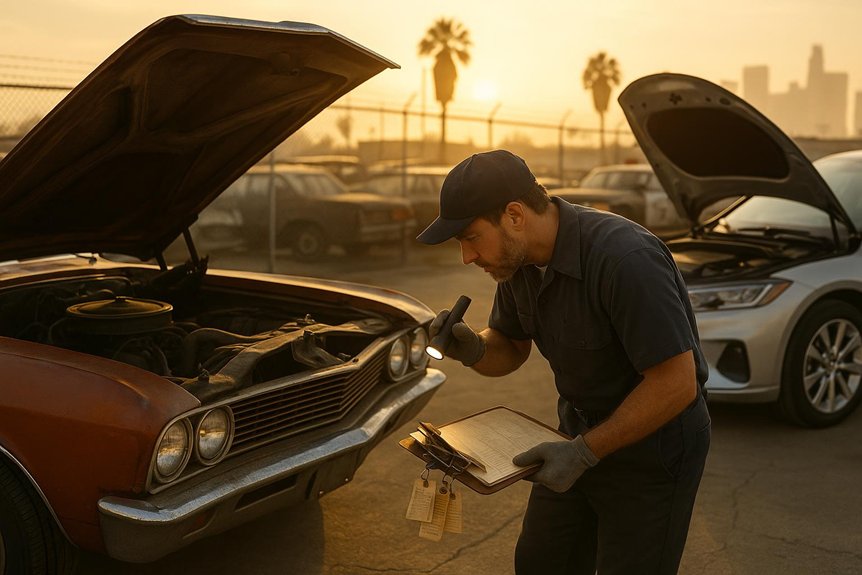
Though VINs feel routine today, California’s scrutiny grew from decades of theft, fraud, and cross-border trafficking that surged after World War II. You inherit that legacy every time you register or buy a vehicle.
Lawmakers watched stolen cars move through ports, desert corridors, and chop shops, then standardized identifiers to anchor trust.
You see the result in consistent numbering, documented ownership chains, and expectations of integrity. Communities pushed for protections so your car, your title, and your neighborhood stay secure.
The state requires physical inspection documented on REG31 forms to confirm that each vehicle’s identification number matches its title before registration can proceed.
When you follow the rules, you join a shared promise: honest vehicles on honest roads, with identities that can’t be erased.
Vehicles and Scenarios That Trigger Verification
When certain events change a vehicle’s paper trail or identity markers, California requires a VIN verification to confirm what’s on the road matches what’s on the title. You’ll face it when you bring a car in from out of state, buy a vehicle without a California record, or revive a salvage, junk, or non-op title.
It also triggers on kit cars, gray-market imports, engine swaps affecting emissions labels, frame changes, and major repairs that alter stamped areas. If numbers look tampered, mismatched, or unreadable, you’re flagged. Trailers without prior California registration count too. Commercial trucks entering the International Registration Program need verification to establish their identity in the interstate system. Verification keeps everyone’s registry accurate—and protects your community.
Documentation and Inspection Steps You’ll Need
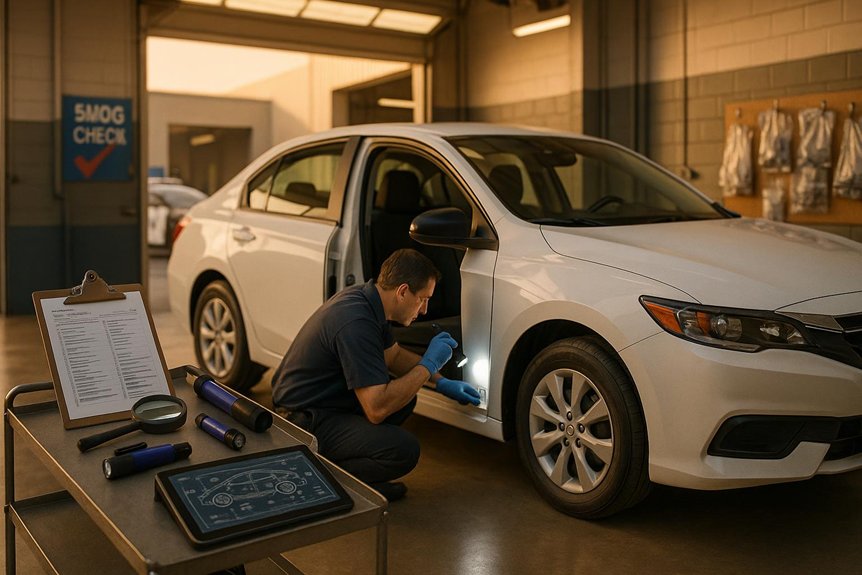
Start by gathering the exact paperwork the verifier will check against your vehicle. Bring your out-of-state title or ownership document, bill of sale, valid photo ID, and proof of insurance. If financed, include the lienholder info. Have your DMV appointment confirmation and any import or custom-build documents. Keep originals and clean copies.
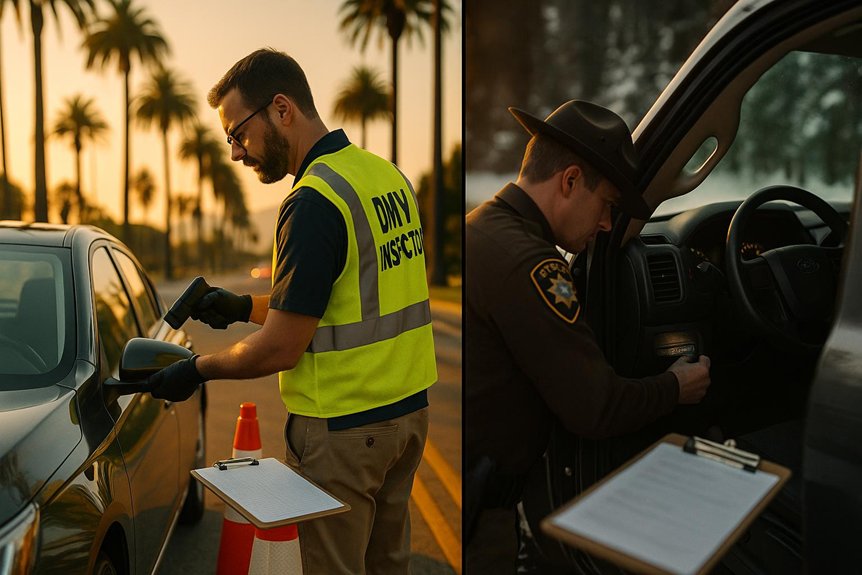
Prepare your car for inspection. Park on level ground, pop the hood, and open all doors. Make the VIN plates easy to see: dashboard, driver-door jamb, engine bay, and frame if applicable. Confirm stickers are legible and match your documents. Stay present, answer questions clearly, and celebrate joining California’s road community. Professional verifiers use state-of-the-art verification technology to cross-reference your VIN against comprehensive databases for accuracy.
Emissions, Safety, and Anti-Fraud Enforcement
Someone checks more than just your VIN in California—they verify that your vehicle meets emissions rules, basic safety standards, and hasn’t been tampered with. You’re part of a community that values clean air and trustworthy roads, so inspectors confirm your engine’s emissions equipment matches factory specs, the catalytic converter and OBD systems are intact, and there’s no ECU reflash that defeats controls.
They also look for stolen parts, altered VIN plates, and frame or label tampering. Safety matters, too: lights, brakes, tires, and airbags must align with state requirements. Passing shows you belong here—responsible, compliant, and protecting everyone who shares the road.
Tips to Streamline Your Verification Process
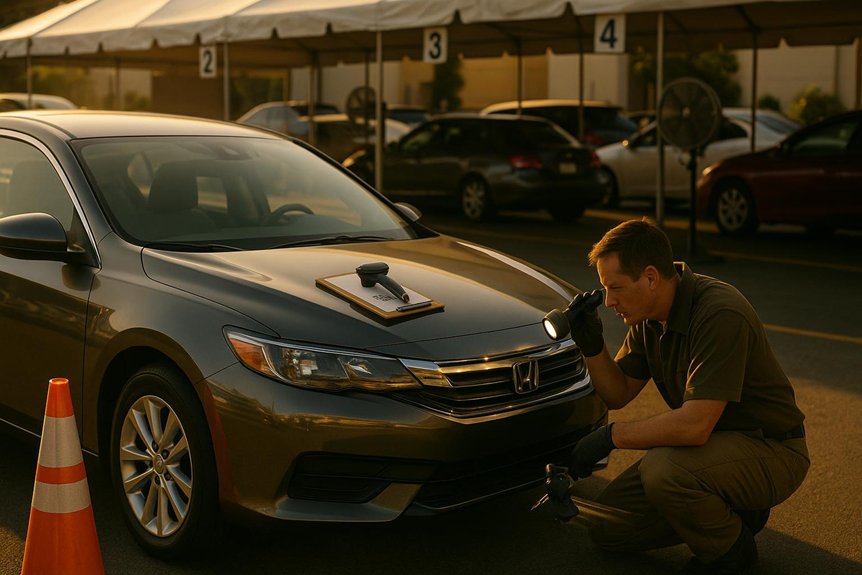
Passing those checks goes smoother if you prep smartly. Gather your title, bill of sale, out-of-state registration, smog proof, and any lien release. Clean the VIN plates so they’re readable. Match every VIN: dash, door jamb, engine, frame, and paperwork. Fix burned bulbs, cracked windshields, or missing plates before you go.
Book an appointment with DMV, CHP, or a licensed verifier to avoid long lines. Bring a pen, phone photos of VIN locations, and cash or card. Arrive early with the car accessible, hood and doors easy to open. Stay courteous—verifiers are your teammates. If something’s off, reschedule promptly.
Frequently Asked Questions
How Do California’s VIN Rules Compare to Other States’ Insurance Requirements?
California’s VIN rules are stricter than most states’ insurance requirements; you’ll face in-person verification and tighter documentation. You still share common insurance basics—liability, proof, compliance—but California’s verification adds layers, keeping everyone accountable and welcomed into a safer, more trustworthy driving community.
Are There Privacy Concerns With VIN Data Storage and Sharing?
Yes—privacy concerns exist. You share a VIN that links to recalls, ownership history, and location data. You should limit who accesses it, favor encrypted platforms, review consent terms, and assert your rights under state privacy laws. You’re not alone.
Do Military Personnel Stationed in California Face Unique VIN Procedures?
Yes. As active-duty stationed in California, you’ll follow standard VIN verification, but you often qualify for fee relief, registration flexibility, and out-of-state vehicle allowances. Bring military ID, orders, and form REG 5045 to streamline everything.
How Do VIN Verification Rules Affect Classic Car Valuations?
They directly influence value: verified numbers boost trust, provenance, and insurability; mismatches, missing tags, or state-assigned VINs lower prices. You’ll protect your investment by documenting history, photographing stampings, saving inspection reports, and fixing discrepancies before listing.
Can Out-Of-State Mobile VIN Verifiers Operate in California Legally?
Yes, but only if you’re licensed under California law. You’ll need a California VIN verifier permit, follow CHP/DMV procedures, and avoid restricted vehicles. Join local communities, stay compliant, and you’ll serve fellow enthusiasts with confidence and trust.