Dune Buggy VIN Verification: Making Off-Road Vehicles Street Legal
October 18, 2025
School Bus Conversion VIN Verification: RV Reclassification
October 18, 2025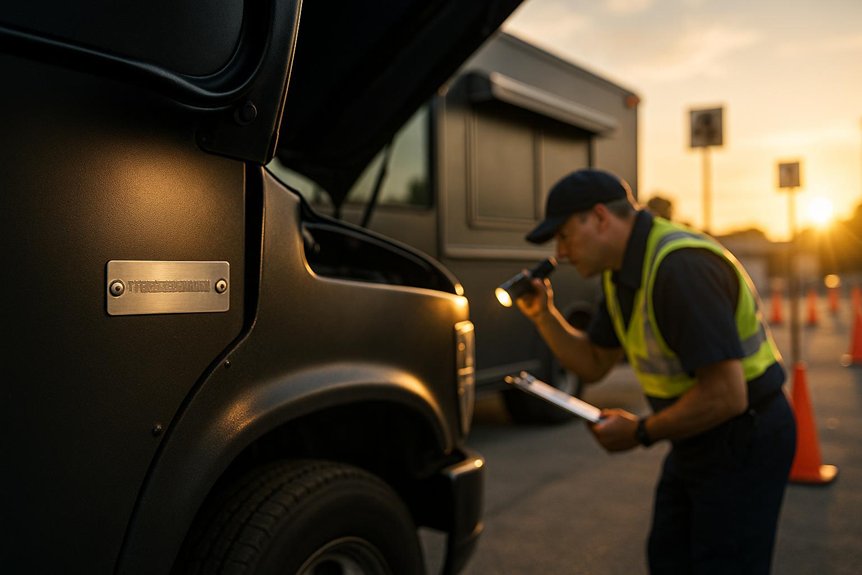
You need VIN verification to match your food truck’s VIN to its title and records, prevent fraud, and get commercial registration, insurance, and permits without hassles. Bring ID, title/bill of sale, insurance, prior registration, and any lien release. Guarantee VINs on dash, door jamb, frame, and engine are clean and readable. For custom builds, keep receipts, photos of stamped numbers, and documentation of mods. Schedule with DMV, police, or certified verifiers, confirm fees, and keep copies—there’s more that can save time.
What VIN Verification Is and Why It Matters for Food Trucks
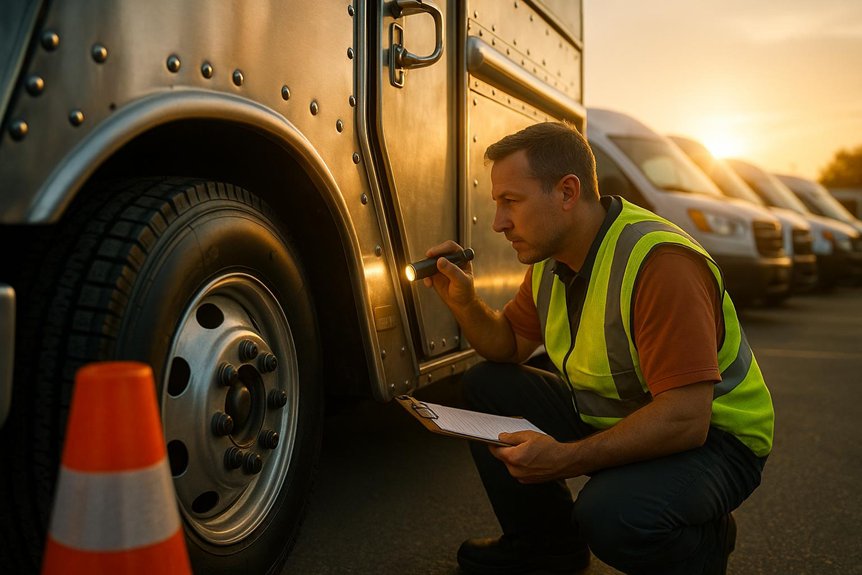
Even if you’re enthusiastic to hit the road, start with VIN verification—it confirms your food truck’s Vehicle Identification Number matches official records and the physical vehicle. You’ll show officials the stamped VIN plate and paperwork so everything aligns. This step protects you, your brand, and your community from fraud, theft, and title errors.
VIN verification matters because it’s a gateway to commercial registration, insurance, health inspections, and permits. It proves your rig is the one you say it is, helping you join markets, festivals, and commissaries with confidence. By verifying early, you avoid delays, citations, and mistrust—and you keep your schedule, revenue, and reputation intact. The inspection is completed on the REG31/VIN verifier form, which records essential details such as your vehicle’s year, make, model, and VIN to ensure everything matches DMV records.
Unique Factors for Custom Builds, Conversions, and Modifications
Because food trucks often start life as buses, step vans, or trailers, VIN verification gets trickier when you’ve done custom builds, engine swaps, frame repairs, or body conversions. You’ll need proof that the VIN on the frame, dash, door jamb, and body tags matches, or a paper trail explaining differences.
Keep receipts for engines, transmissions, frames, and axles. Photograph stamped numbers before paint or powder coat. Document welded repairs and any cut-and-stretch work. Note fuel type changes and added axles. If VIN plates moved during fabrication, show when, why, and how.
Clear, consistent records help your build belong on the road. Working with experienced automotive experts ensures your documentation meets state requirements and streamlines the commercial vehicle registration process.
Who Can Verify Your VIN and Where to Get It Done
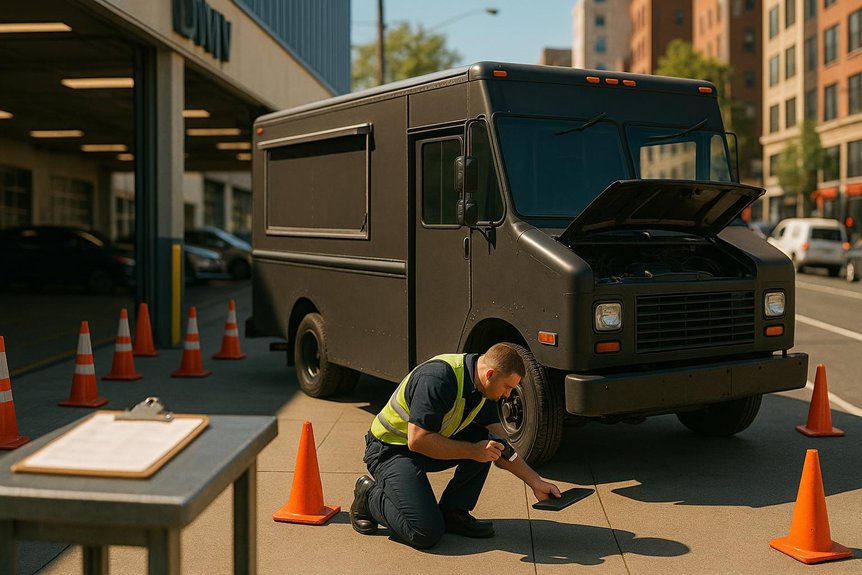
With custom work documented, the next step is finding an authorized pro to check it. You’ve got options. Start with your state DMV or equivalent; many offer on-site VIN inspections by trained agents.
Law enforcement units often verify VINs, especially for commercial vehicles—call ahead for availability. Certified third‑party inspectors or licensed verification services can come to your commissary or garage, which helps if your truck isn’t road‑ready.
Ask local food truck associations where members go; they’ll point you to inspectors who understand builds like yours. Book appointments early, confirm fees, and verify the inspector’s credentials and jurisdiction to keep your registration path smooth. Commercial vehicles typically need a California Weight-master Certificate alongside the standard VIN verification to complete registration requirements.
Step-by-Step Preparation and Required Documents
Before you schedule an inspection, get your paperwork and truck ready so the visit goes fast. Bring government-issued ID, proof of ownership (title or MSO), bill of sale, and any lien release. Print your insurance card and commercial registration application. If your truck’s out-of-state, include prior registration.
Have the VIN readable on the dash, door jamb, frame, and engine (if applicable). Clean plates and labels so the numbers match exactly.
Park safely, open all access panels, and secure propane, generators, and loose gear. Keep fire extinguisher and safety decals visible. Bring payment for fees. You’ll show up prepared and represent our food truck community well.
Common Issues, How to Avoid Delays, and Next Steps
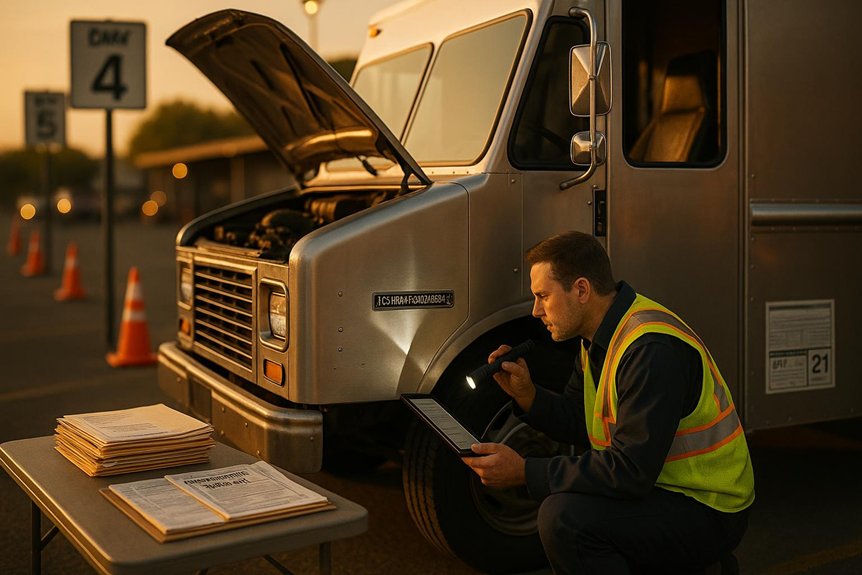
Three hiccups slow VIN verifications most: mismatched numbers, unreadable labels, and missing paperwork. Match the dash VIN to the frame stamp and title exactly.
Clean the plate; if it’s corroded, bring clear photos and a flashlight. Carry your title, bill of sale, weight certificate, and any conversion receipts.
To avoid delays, arrive early, park safely, and turn off generators so inspectors can hear. Remove obstructions around the dash and frame. Have insurance and ID ready. If the VIN seems altered, don’t guess—ask a supervisor.
Next steps: get the verification form stamped, pay fees, keep copies, and schedule registration immediately.
Frequently Asked Questions
How Does VIN Verification Affect Out-Of-State Food Truck Operations?
It determines where and when you can legally roll. You’ll schedule inspections, prove ownership, and meet local standards. When you verify early, you avoid fines, delays, and closures, keeping your crew welcomed, routes open, and momentum strong across state lines.
Are Mobile Commissary Trailers Subject to the Same Verification Rules?
Yes, you’re usually subject to the same verification rules, but specifics vary by state and trailer type. Check DMV guidance, weight class, and titling needs. Bring proof of ownership, IDs, and the trailer for onsite inspection.
What Happens if the VIN Plate Is Missing or Damaged?
If the VIN plate’s missing or damaged, you’ll request a VIN inspection, provide proof of ownership, and apply for a replacement or assigned VIN. Don’t worry—you’re not alone. Your local DMV or CHP will guide you.
Does VIN Verification Impact Commercial Insurance Premiums or Coverage?
Yes, it can. Verified VINs reduce insurer uncertainty, often lowering premiums and avoiding coverage delays. If verification flags discrepancies, you’ll face higher rates, exclusions, or cancellations. Keep records handy, fix mismatches quickly, and you’ll protect your team and operation.
Can Seasonal or Temporary Permits Proceed Without Completed VIN Verification?
Yes, but it depends on your jurisdiction. You’ll often get temporary or seasonal permits with conditions, like restricted operation or timelines to complete VIN verification. Check local rules, keep documents handy, and communicate early so you’re supported.