Why Mobile VIN Verification Costs More (And Why It’s Worth It)
October 18, 2025
Emergency VIN Verification Pricing: Rush Service Explained
October 18, 2025
VIN verification is a one-time identity check confirming your car’s VIN matches records—often required for out‑of‑state registrations, salvage/rebuilt titles, imports, or title fixes. It usually costs $0–$150 depending on provider and location (DMV cheapest, mobile higher). Registration fees recur and bundle title, plates, base fees, local surcharges, taxes, and smog costs—scaling with vehicle value, weight, and county. Expect modest verification but bigger, ongoing registration totals. See how scenarios and tips can trim what you pay next.
What VIN Verification Is and When You Need It
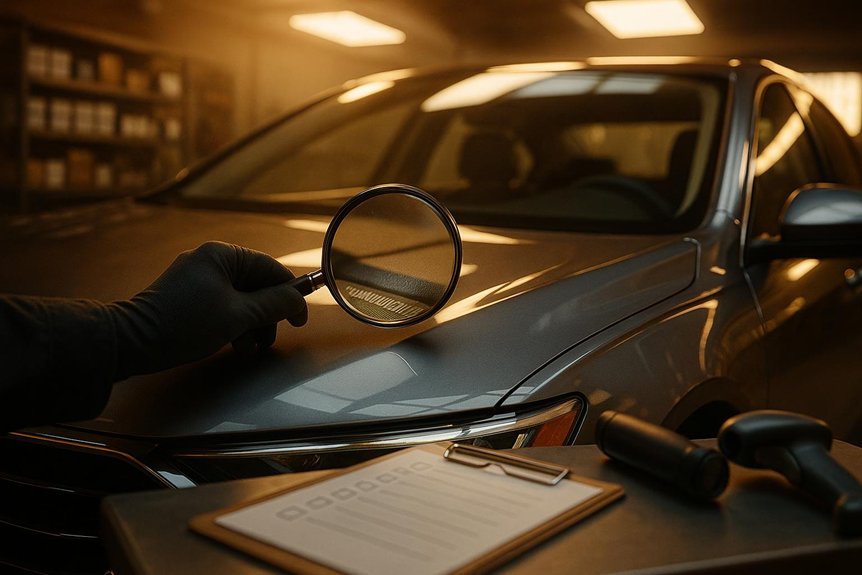
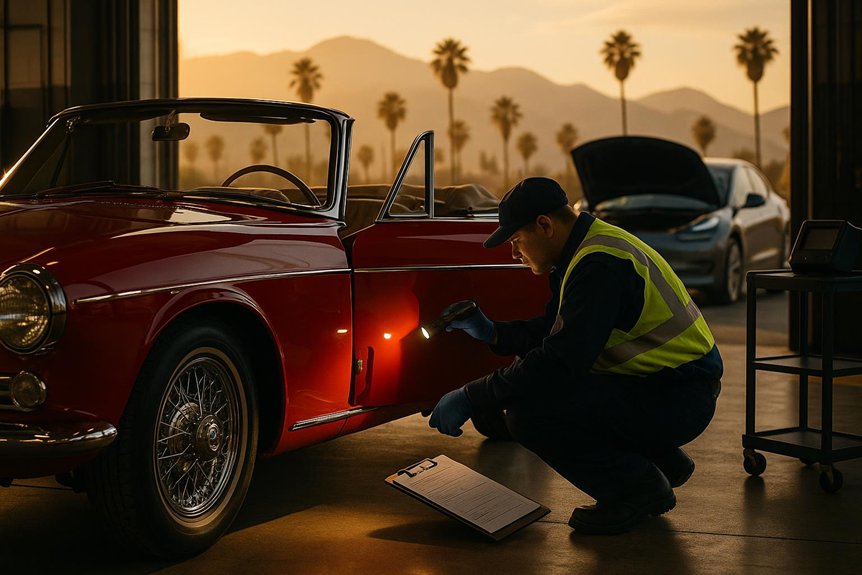
Clarity matters when you’re dealing with your car’s paperwork, and VIN verification keeps the details straight. You confirm the vehicle identification number matches official records and the car’s physical identifiers. Inspectors check the plate, stickers, and sometimes frame stamps to prevent fraud, cloning, or title mix-ups.
You’ll need verification when registering an out‑of‑state car, reviving a salvage or rebuilt title, correcting a title error, or when numbers look altered or incomplete. It’s also common after long lapses in registration or when importing a vehicle. Bring your ID, title or bill of sale, and the car itself. You’re proving the car is truly yours. In California, the process is documented on the REG31/VIN verifier form, which records essential details including the vehicle year, make, model, and VIN.
Typical VIN Verification Costs by Provider and State
Depending on where you live and who performs it, VIN verification typically ranges from free to about $150. You’ll see the lowest costs at DMV or state patrol offices—often free to $20 in states like Oregon or Washington.
Many California DMVs charge $0–$50, while mobile verifiers run $80–$150 for on-site convenience. Police departments sometimes offer $10–$40 checks. Licensed dealerships may bundle it or charge $25–$75.
Rural areas trend cheaper at public offices; urban areas lean higher with mobile services. In Riverside County, Quick VIN Verification charges $50 for in-office service or $100–$200 for mobile appointments. To fit your budget, book early, confirm fees, ask about mobile mileage surcharges, and bring required forms so you only pay once.
What Registration Fees Include: Title, Plates, Taxes, and Smog

Registration fees aren’t just one line item—they bundle several costs tied to making your vehicle legal on the road. You’ll pay a title fee to establish ownership and record it with the state. Plates and registration stickers cover your vehicle’s visible ID and renewal.
Many states add a base registration fee, plus weight‑, value‑, or county‑based charges. You’ll likely see sales or use tax when first registering, tied to purchase price. Smog or emissions fees apply where testing’s required, along with possible clean‑air or transportation surcharges.
For out-of-state vehicle registration, you’ll also need smog certification for gas and some diesel vehicles as part of the compliance process. Together, these charges confirm you’re compliant, road‑ready, and part of your state’s driving community.
Side‑by‑Side Cost Comparison and Sample Scenarios
While VIN verification is usually a one-time, lower-cost step, registration fees recur and scale with factors like vehicle value, weight, and location. Here’s how that plays out.
Expect VIN verification to run a modest flat charge, then compare it to annual fees that combine base registration, local taxes, and plate costs.
Picture three paths you might share with neighbors:
- Economy sedan: low verification cost; moderate yearly fees tied to value.
- Full-size SUV: similar verification; higher annual fees driven by weight and value.
- Older motorcycle: minimal verification; low recurring fees.
When you line them up, verification barely moves the needle; registration defines your ongoing budget.
Tips to Minimize Fees and Avoid Surprise Charges
A few smart moves can keep your VIN verification and registration costs in check and prevent last‑minute add‑ons.
Book verification with an approved provider; confirm the fee in writing. Bring required documents, current insurance, and clear photos of the VIN to avoid rechecks. Verify your address, weight class, and plate type so clerks don’t add corrections.
Pay online or in one visit to skip multiple “processing” charges. Ask about bundled services and fee waivers for veterans, students, or low‑income drivers. Use appointment slots to dodge rush surcharges.
Keep receipts; dispute unexpected add‑ons immediately. Track renewal dates—late penalties stack quickly. Share experiences locally so your community benefits, too.
Frequently Asked Questions
Do Lenders Require VIN Verification Before Approving Auto Loans?
Yes, many lenders require VIN verification to confirm the vehicle’s identity and prevent fraud. You’ll share the VIN for credit checks, valuation, and title matching. It helps protect your purchase and keeps everyone aligned in the financing process.
How Do Salvage or Rebuilt Titles Affect Verification Requirements?
They trigger stricter verification. You’ll need thorough VIN inspections, proof of repairs, photos, receipts, and sometimes certified mechanic or state rebuild documentation. Expect branded-title disclosures, possible emissions/safety checks, and insurer or lender re-inspections. Stay organized—you’ve got this community behind you.
Can Out-Of-State Purchases Skip Local VIN Verification?
No, you usually can’t skip it. You’ll need a local VIN verification before registration. Check your DMV’s accepted verifiers, bring ownership documents, bill of sale, and ID. If it’s salvage or rebuilt, expect extra inspection steps.
Does Mobile VIN Verification Work for Motorcycles and RVS?
Yes, most mobile VIN verifiers handle motorcycles and RVs. You’ll schedule a visit, provide title/ID, and guarantee readable VINs. They’ll verify on-site, including trailers and conversions. Ask about fees, travel range, and any state-specific forms before booking.
Are Military Personnel Granted Fee Waivers or Exemptions?
Yes—many states grant military fee waivers or discounts. You’ll typically qualify with active-duty status, residency, or deployment orders. Bring your military ID and documentation. Check your state DMV; they’ll confirm eligibility and help you feel taken care of.