Emergency VIN Verification Pricing: Rush Service Explained
October 18, 2025
REG 31 Form: Line-by-Line Completion Tutorial
October 18, 2025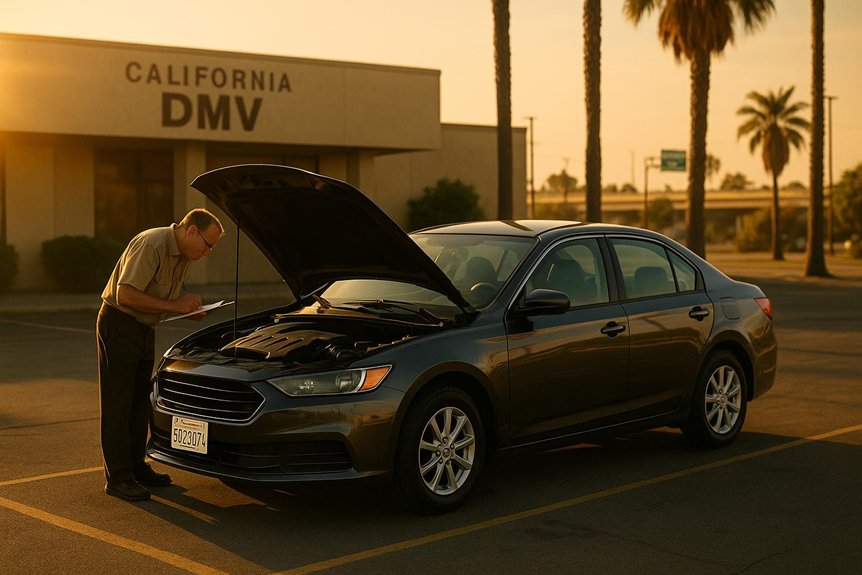
If you become a California resident, you must complete VIN verification for your out‑of‑state vehicle within 20 days to avoid penalties and delays. Bring proof of ownership, ID, California address, and complete REG 343; a verifier completes REG 31. Get verified at a DMV, CHP (for complex cases), or by a licensed mobile verifier. Don’t let mismatched VINs, unreadable plates, or missing signatures stall you. Special rules apply to imports and salvage vehicles—here’s how to stay compliant on time.
Who Must Complete VIN Verification Within 20 Days
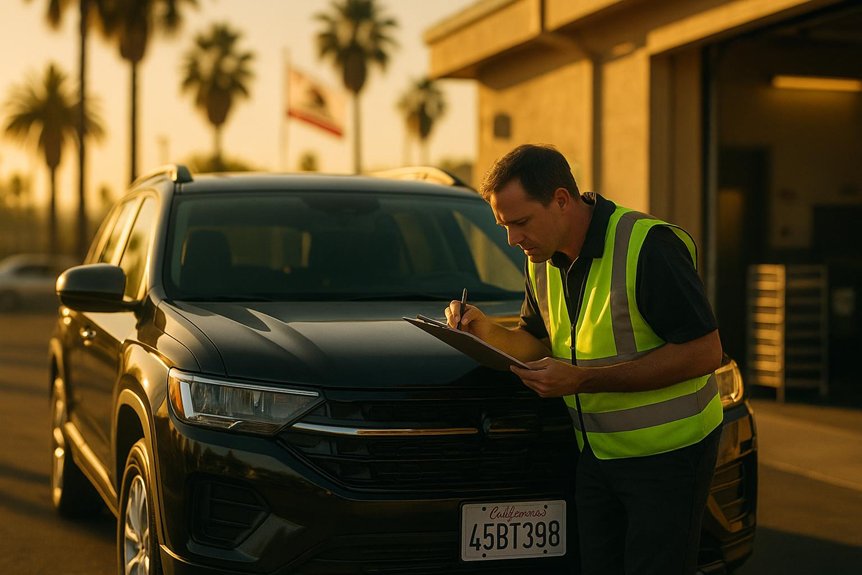
If you’ve just moved to California with a vehicle, you must complete a VIN verification within 20 days of establishing residency. You count as a resident when you start working here, enroll kids in school, lease or buy a home, or register to vote. If you brought a car, truck, motorcycle, trailer, or off‑highway vehicle from another state, you’re included.
You’re also on the clock if your out‑of‑state title shows a brand, your VIN plate looks altered, or your vehicle was rebuilt or salvaged. Military members stationed here with nonresident status are typically exempt, but dependents who become residents must comply.
The verification involves a physical inspection of the vehicle mandated by the California DMV, which confirms that the VIN on your vehicle matches your title to help prevent theft and fraud.
Required Documents and Forms for Verification
Bring proof of ownership, identity, and where you now live so the verifier can match your paperwork to the vehicle. You’ll need your out-of-state title or current registration, plus any bill of sale if you recently bought the car. Bring your driver’s license or other government ID, and a document showing your California address, like a utility bill, lease, or bank statement.
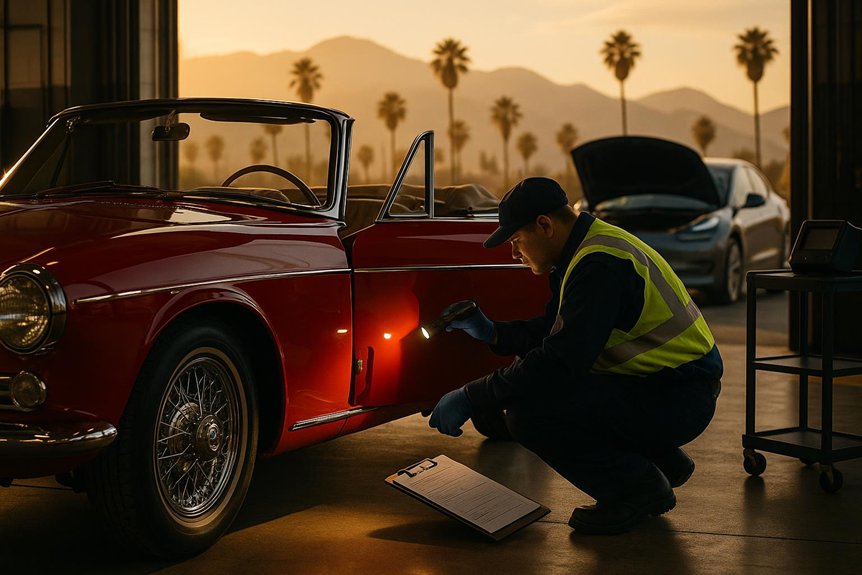
Have your completed REG 343 (Application for Title or Registration) ready, and the REG 31 will be filled out by the verifier. If there’s a lien, bring the lienholder information. Make sure the VIN is readable on the vehicle and any supporting labels. The verifier will document your vehicle year, make, model, VIN location, number of wheels and axles, fuel type, and odometer reading during the inspection.
Where to Get Verified: DMV, CHP, or Licensed Verifier
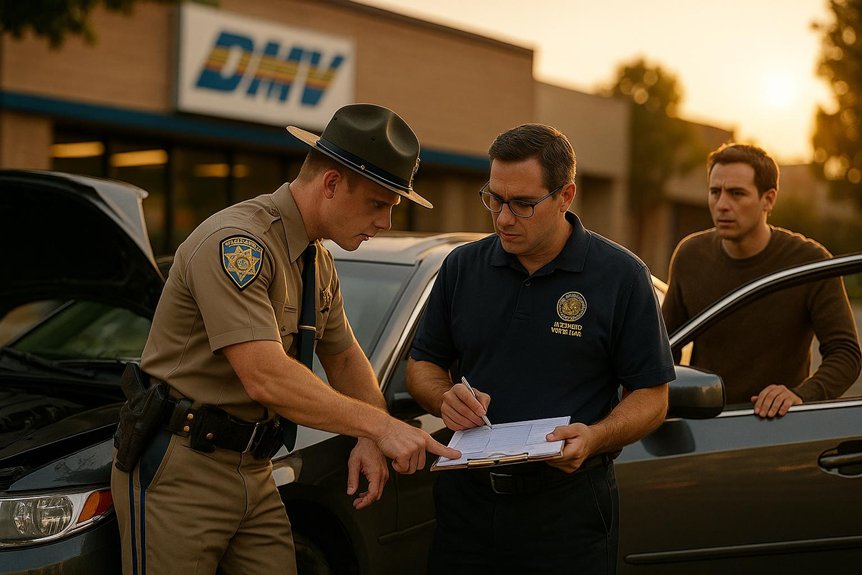
You have three options for VIN verification: a DMV field office, a California Highway Patrol (CHP) office, or a licensed mobile verifier. Choose the setting that fits your timeline and comfort.
DMV field offices offer convenience and broad availability. You can book an appointment, visit with your paperwork, and keep everything in one place.
CHP offices handle complex cases and out-of-state or specialty vehicles. You’ll schedule ahead and get a thorough, authoritative inspection.
Licensed mobile verifiers come to you. They’re fast, flexible, and ideal when you’re juggling a move. You’ll pay a service fee, but you gain time, ease, and a welcoming, local touch. Both DMV and CHP provide VIN verification at no cost, while mobile services charge for the convenience of coming to your location.
Common Mistakes That Delay Registration
Though the VIN check seems straightforward, small errors can stall your plates fast. You’re on a tight 20-day clock, so avoid common missteps. Don’t schedule late; appointments fill up.
Bring your out-of-state title, proof of ownership, ID, and completed REG 343/31 forms. Make sure the VIN on documents matches the physical VIN—no transposed digits, missing characters, or unreadable plates. Clean the VIN plate so it’s legible.
Don’t modify or cover DOT or emissions labels. Keep the car present, accessible, and safe to inspect. Don’t skip signatures. Pay required fees promptly.
Double-check everything before you go, and you’ll move with the crowd.
Special Rules for Out-of-State and Imported Vehicles
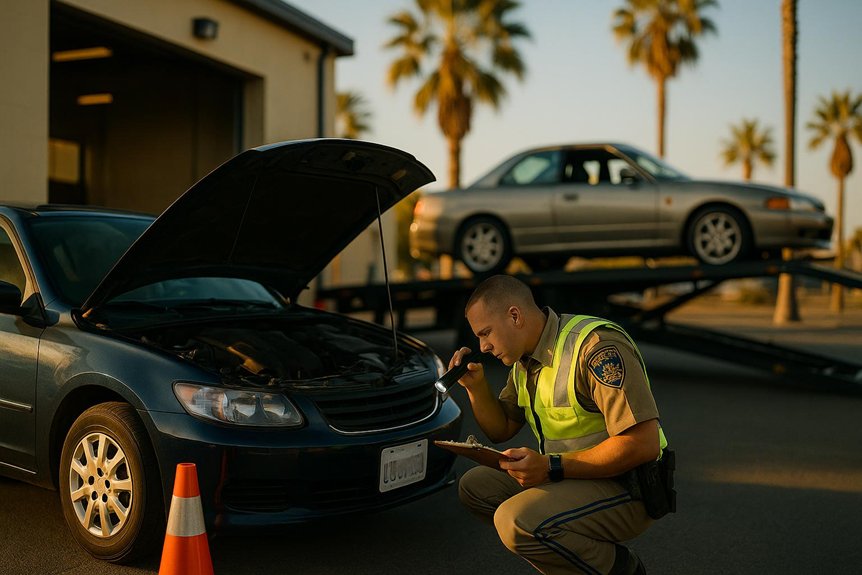
For out-of-state and imported cars, California tightens the screws beyond a routine VIN check. You’ll need a VIN verification plus proof the car meets federal safety and emissions standards.
If it’s 49-state or gray-market, expect a Bureau of Automotive Repair referee inspection. Bring your title, out-of-state registration, bill of sale, odometer reading, and customs documents (Entry/CBP 7501) for imports.
Mind special cases: diesel over 14,000 pounds, direct imports without EPA/DOT labels, and salvage or kit vehicles. Smog exemptions for older models don’t waive verification. Schedule early—within 20 days—to join the California driving community legally, confidently, and on time.
Frequently Asked Questions
What Happens if I Sell the Car Before Completing VIN Verification?
You can sell it, but you’ll likely face registration delays, penalties, or buyer pushback. Disclose the incomplete VIN verification, provide a bill of sale, and guide the buyer on inspections. Acting transparently protects you both and builds trust.
Does the 20-Day Rule Pause While Awaiting Appointment Availability?
No, the clock doesn’t pause. You’re still responsible for completing verification within 20 days. Book the earliest appointment, keep proof, and consider walk-in options, CHP, AAA, or mobile verifiers. Document attempts and ask DMV for guidance if delayed.
Are Temporary Operating Permits Available During the Verification Period?
Yes—temporary operating permits are available during the verification period. You’ll visit DMV, explain you’re pending VIN verification, provide proof of ownership, insurance, identification, and pay a small fee. You’ll drive legally while you wait, staying connected and compliant.
How Does the Rule Apply to Leased Vehicles Moved Into California?
It applies the same: you’ve got 20 days after establishing residency to complete VIN verification and register. For a lease, bring your lease agreement, out-of-state registration, proof of insurance, and a completed REG 343; your lessor stays the owner.
Can I Transfer Personalized Plates Before Completing VIN Verification?
Yes, you can start the transfer, but DMV typically won’t finalize personalized plates until VIN verification and registration steps are complete. Gather your paperwork, schedule verification early, and you’ll keep your plates linked to your ride. You’ve got this.