
Tow Yard Release: VIN Verification After Impound
October 18, 2025
Uber/Lyft Driver: Commercial Use VIN Verification
October 18, 2025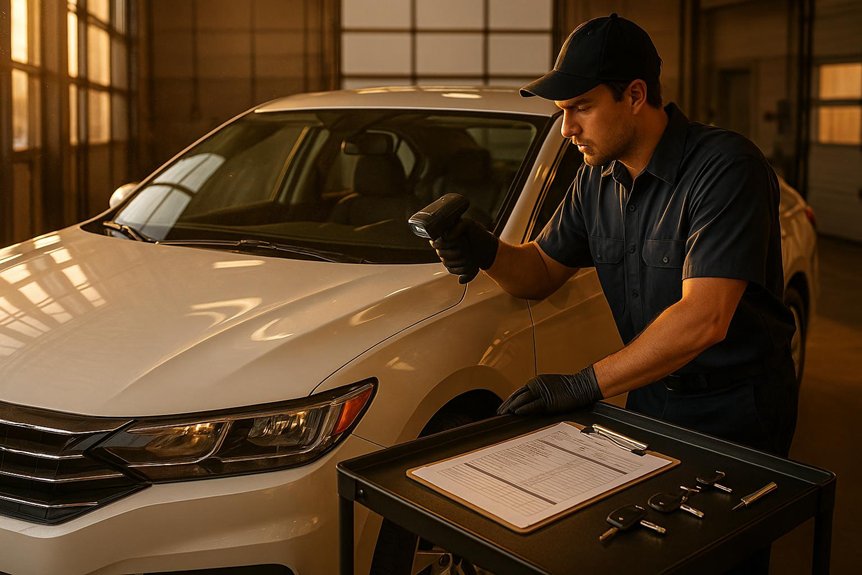
Before lease turn-in, you must verify your car’s VIN to confirm it matches your lease, registration, and DMV records, preventing title mix-ups and odometer issues. Bring your ID, lease agreement, registration, insurance, and both keys; know the VIN from the dash and door jamb. A verifier checks the VIN, odometer, and configuration, documents findings, and may take photos. Fix easy items and clear the cabin to speed things up. You’ll avoid surprises and learn the simple steps that keep costs down.
What VIN Verification Is and Why It Matters at Lease End
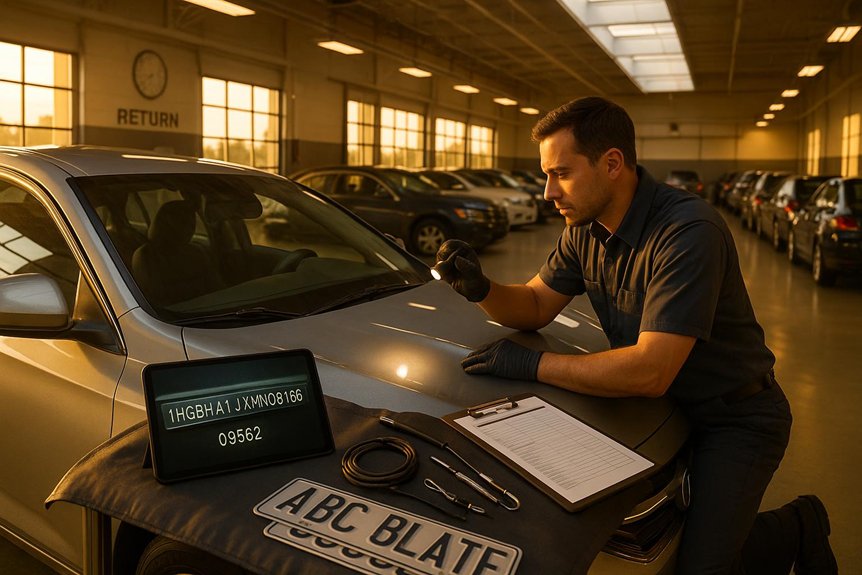
Although it sounds technical, VIN verification is simply confirming that the vehicle identification number on your car matches official records and documents. You’ll check the 17-character VIN on your dashboard and door jamb against what the lessor and state recognize as correct.
At lease end, this step matters because it protects you and the community of responsible drivers. It prevents title mix-ups, odometer fraud, and accidental return of a vehicle that’s not the one on your agreement. Verification speeds turn-in, supports fair wear-and-tear assessments, and helps avoid surprise fees or delays. The process validates the existence of the vehicle beyond mere documentation and confirms that the VIN on the vehicle aligns with DMV records.
Documents and Information You Need Before the Inspection
Before your VIN verification inspection, gather a few essentials so the process is quick and clean. Bring your driver’s license or government ID, your lease agreement, current registration, and proof of insurance.
Have the vehicle title if you hold it; otherwise, the leasing company’s details will do. Locate the VIN on the dashboard and door jamb, and confirm it matches your documents. Note your plate number, odometer reading, and any aftermarket parts.
Clear personal items from the cabin and trunk so labels and stamps are easy to access. Keep contact info for your leasing company handy in case clarification is needed. The inspector will complete a REG31 form confirming that the physical inspection matches your ownership documents.
How the VIN Verification Process Works Step by Step
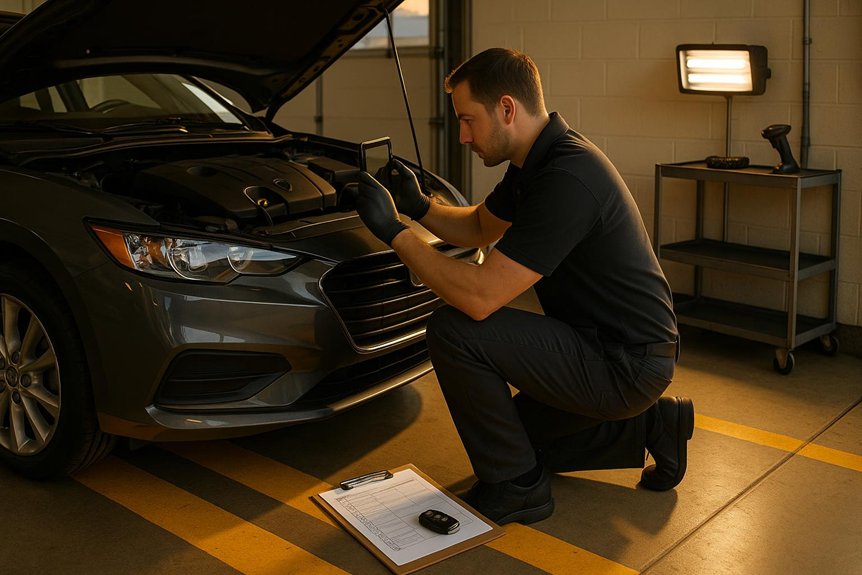
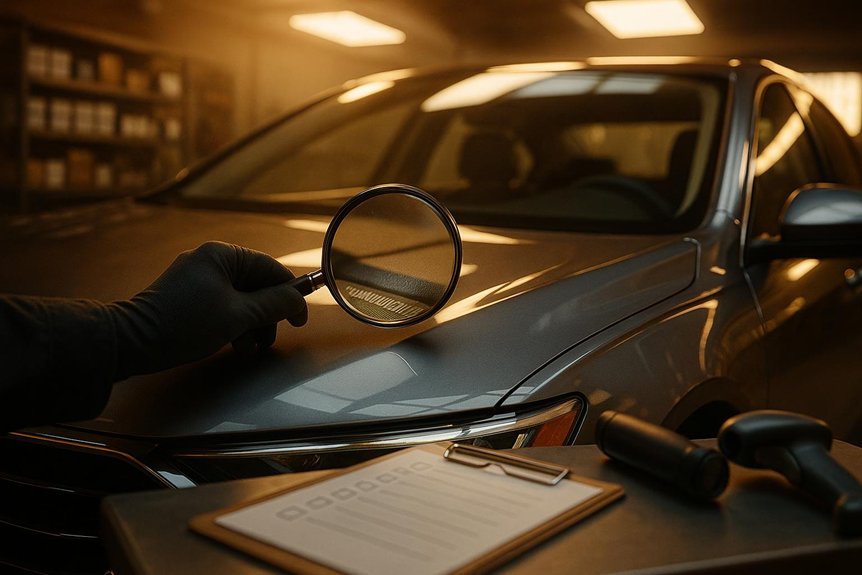
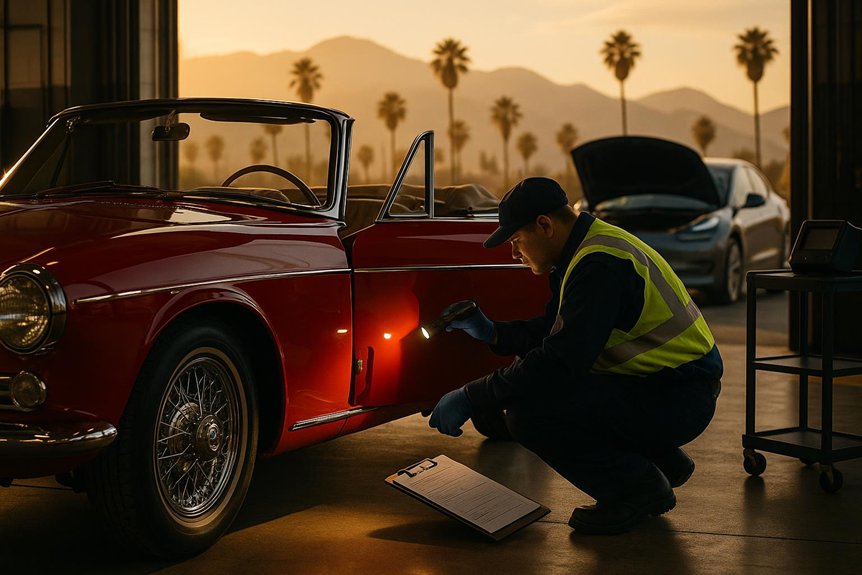
Once you’re ready, the verifier confirms your identity and appointment, then walks around the car to locate and read the VIN from approved spots—typically the dashboard plate and driver’s door jamb. You open doors, pop the hood if asked, and hold steady lighting so the characters are clear. The verifier cross-checks the VIN with your lease records and registration, ensuring every character matches.
Next, they note your odometer reading and confirm the vehicle configuration. You’ll answer quick questions to verify trim and body style. This entire process follows the REG31 form from top to bottom, documenting vehicle year, make, model, and VIN location systematically. Finally, they document the findings, capture photos if required, and provide confirmation so you can confidently complete your lease return.
Common Issues Found and How to Address Them
Even when you prepare well, a VIN check can flag small issues that stall your lease return. You might see mismatched VIN digits between the dashboard plate, door jamb, and registration. Plates can be loose, scratched, or obscured. Stickers fade. Aftermarket parts or replaced panels may confuse inspectors. Typos in lender paperwork happen. So do unreadable barcodes and fogged windshield etchings.
Clean and photograph all VIN locations, then compare them to your documents. Tighten plate rivets. Replace damaged stickers through the manufacturer. Bring service records for replaced parts. Ask your lender to correct clerical errors in writing.
Tips to Avoid Delays, Fees, and Return Day Surprises
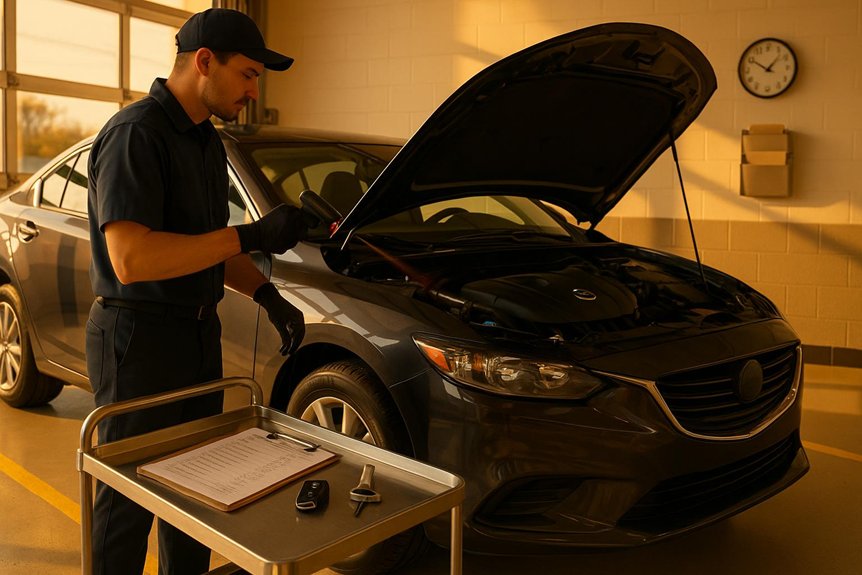
Although the VIN check seems simple, you’ll avoid delays and fees by prepping a week or two before turn-in. Pull your lease agreement, inspection report, and insurer card. Match the VIN on the dash, door jamb, and documents. Snap clear photos.
Fix easy items: bulbs, wipers, registration stickers, and missing key fobs.
Schedule a pre-return inspection with your lender’s partner. Ask for the checklist they use. Resolve flagged items early and keep receipts. Clear personal data from infotainment. Bring both keys, manuals, floor mats, chargers, and accessories. Arrive with a clean car and a full-ish tank. Confirm return paperwork before leaving.
Frequently Asked Questions
Can I Complete VIN Verification if I’M Relocating to Another State?
Yes, you can. Verify your VIN before moving or upon arrival, depending on your new state’s rules. Check DMV requirements, schedule an inspection, bring ID and title, and keep receipts. You’ve got this—we’re rooting for you.
Does Aftermarket Modification Affect VIN Verification Eligibility or Results?
Yes, modifications can affect VIN verification. You’re still eligible if the VIN plate and emissions/safety labels remain intact and readable. If mods obscure or replace identifiers, you’ll need to restore compliance or bring documentation proving authenticity and conformity.
Who Pays for VIN Verification When Transferring the Lease to Someone Else?
You usually pay the VIN verification fee unless your lease agreement says otherwise. Check your contract and state rules, then split costs fairly with the transferee. Communicate openly so everyone feels respected, supported, and aligned through the transfer.
Are Mobile VIN Verification Services Accepted by All Leasing Companies?
No, not all leasing companies accept mobile VIN verifications. You should check your lease’s guidelines and ask your lender. If allowed, confirm required documentation, approved providers, and scheduling rules so you’re aligned and confident together.
How Do VIN Discrepancies Impact Extended Warranty or Service Contract Claims?
They can trigger denials, delays, or reduced coverage because the contract won’t match your vehicle. You should correct records fast, gather proof (title, photos, inspections), and contact the provider together with your dealer to realign eligibility and benefits.