VIN Verification Appointment: What Happens Step-by-Step
October 18, 2025
VIN Verification to Registration: Complete Timeline
October 18, 2025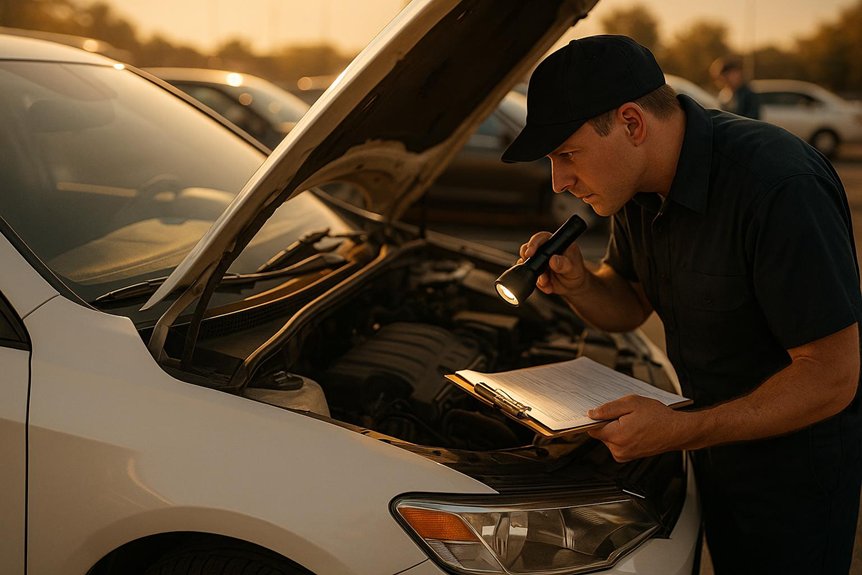
Plan on 15–40 minutes for the actual VIN check. With a mobile verifier, you’ll usually be done in 15–30 minutes. At an inspector’s site or authorized dealership, expect 20–40 minutes total. At the DMV, the inspection takes 10–20 minutes, but lines and processing push it to 45–120 minutes. Clean, readable VINs and complete documents speed things up; salvage or out‑of‑country vehicles slow it. Costs vary (e.g., $45 on-site, $150 mobile). Want quicker results and prep tips?
What VIN Verification Involves and Who Can Perform It
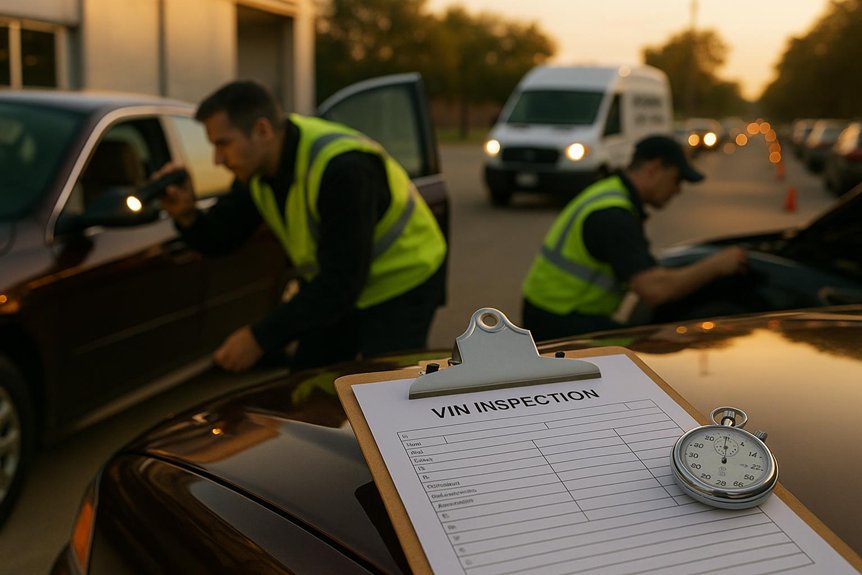
Before you can estimate timing, understand what a VIN verification actually is: a physical inspection where an approved agent confirms a vehicle’s VIN matches its documents and checks key details like make, model, year, body type, and sometimes emissions or import status. You’ll present the vehicle and paperwork, and the inspector will locate the VIN plate and secondary identifiers, compare records, and note discrepancies.
Who can perform it? Typically DMV or licensing staff, law enforcement, or licensed inspectors and verification services. Some states allow authorized dealerships. Bring your title or registration, government ID, and any import or rebuild documents. You’re ensuring your vehicle’s identity aligns with community standards. In California, the verification is documented on the REG31/VIN verifier form, which records all essential vehicle information for DMV processing.
Typical Timeframes: On-Site, Mobile, and DMV Scenarios
Expect the inspection itself to take 10–20 minutes, but total time varies by setting. At an on-site verification with a licensed inspector or dealership, you’ll usually be in and out within 20–40 minutes, including quick paperwork and photos.
Mobile verifiers come to you, saving travel and line time; you’ll typically spend 15–30 minutes total, especially convenient if your schedule’s tight. At the DMV, plan for the 10–20 minute inspection plus waiting and window processing. Your total can range from 45–120 minutes, depending on how busy the office is. Quick VIN Verification charges $45 at the location and $150 for mobile service, with payment accepted via cash, check, Zelle, Venmo, or card. Choose the setting that fits your day and helps you feel supported.
Factors That Speed Up or Slow Down the Process
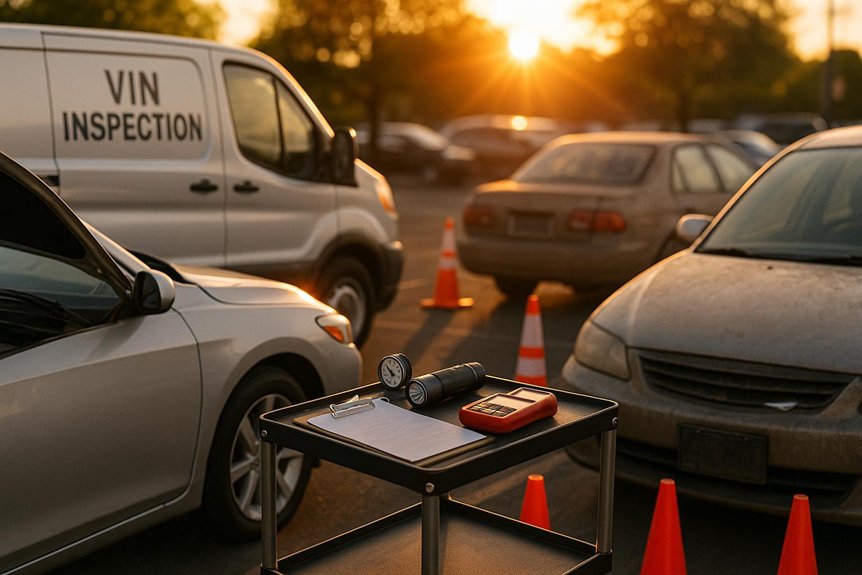
Several variables can shave minutes off your VIN verification—or add an hour. You’ll move faster when your VIN plates and stickers are clean, readable, and match your title, bill of sale, and ID. Park in a well-lit, accessible spot, pop the hood, and disengage doors so the inspector can reach every tag. Bring any customs/import papers or prior inspection notes.
Slowdowns happen when numbers are obscured by grime, aftermarket parts cover plates, or the battery’s dead and blocks access. Salvage titles, out-of-country vehicles, and mismatched paperwork trigger extra scrutiny. The inspector will follow the REG31 form from top to bottom, documenting everything from axle count to odometer reading, so incomplete or contradictory documents force them to pause and verify each detail manually. Arrive early, stay present, and you’ll help the process flow for everyone.
State-Specific Variables and Appointment Availability
Two realities shape how long you wait: where you live and how you book. Your state’s rules set the pace. Some require only a quick DMV check; others mandate law-enforcement or certified verifier appointments, which book out weeks.
Rural counties may have fewer slots but shorter lines; urban centers offer more locations yet tighter calendars. Seasonal swings matter too—spring sales and college moves flood schedules.
Your booking channel also counts. Online portals release slots at midnight or weekly drops; phone lines can lag. Walk-ins, if allowed, vary by office. You belong here—match your state’s system, watch release cycles, and claim an early appointment.
Tips to Prepare Documents and Minimize Wait Times
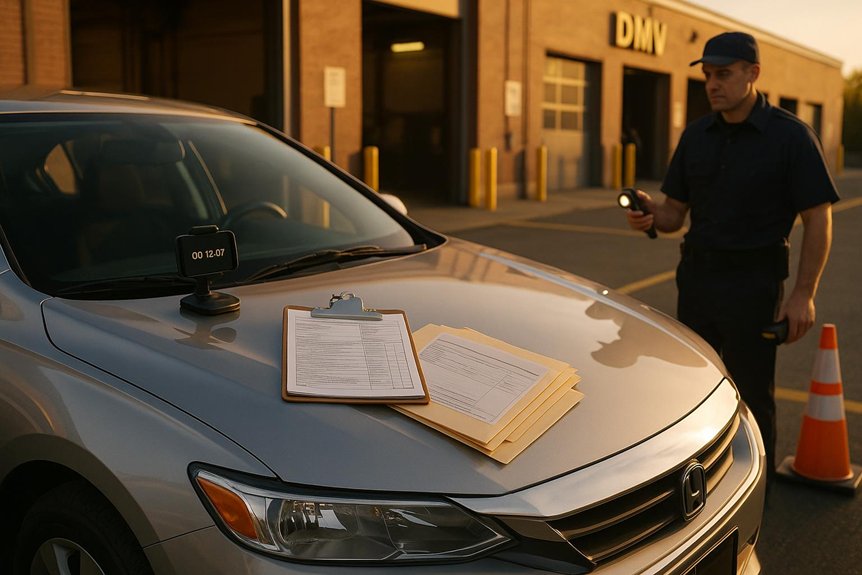
A little prep before your appointment saves time at the counter and in the lane. Bring your government ID, proof of ownership (title or out-of-state registration), proof of insurance, and any bill of sale or lien release. Print or download them to a single folder.
Confirm your VIN is clean and legible: wipe the plate, clear windshield glare, and open doors or hood. Photograph the VIN and engine tag as backups. Arrive 10 minutes early, with fuel and keys handy. Know your plate number and mileage. Book the first morning slot if possible. If you’re missing a document, reschedule—don’t risk a restart.
Frequently Asked Questions
Can VIN Verification Be Completed Remotely or Online Without Physical Inspection?
Yes, in many places you can’t; VIN verification usually requires in-person inspection. Some states let approved verifiers visit you or use video for limited cases. Check your DMV’s rules so you feel confident and connected throughout.
Does a Failed VIN Verification Affect My Credit or Insurance Rates?
No, a failed VIN verification doesn’t affect your credit or insurance rates. You might face registration delays or reinspection fees. Fix mismatches or documentation issues, schedule a recheck, and keep records—your community’s here to help you through it.
Are There Fee Waivers or Discounts for VIN Verification Services?
Yes—some states, DMVs, and nonprofits offer fee waivers or discounts for VIN verification. You’ll often qualify if you’re low‑income, a veteran, a student, or disabled. Ask your DMV, local law enforcement, or AAA for available programs.
Can I Verify a Vehicle With Missing or Damaged VIN Plates?
Yes, but you’ll need alternatives. You can use secondary VIN locations, manufacturer records, or prior titles. Contact your DMV or a licensed verifier. Don’t alter plates; they’ll inspect, document, and issue guidance or a branded title.
How Do Out-Of-State or Salvage Titles Impact Verification Eligibility?
They don’t block you, but they add checks. You’ll need complete VINs, ownership proof, and supporting documents. Salvage or out-of-state titles often require inspections or CHP/DMV appointments. Bring repair records, photos, and bills of sale to stay verified together.