VIN Verification Database: How California Tracks Inspections
October 18, 2025
Why California Has Strictest VIN Verification Requirements
October 18, 2025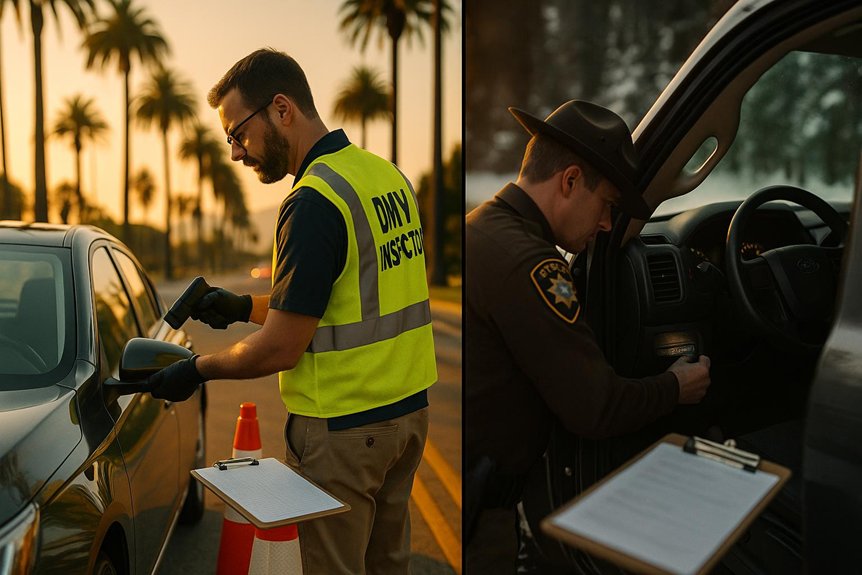
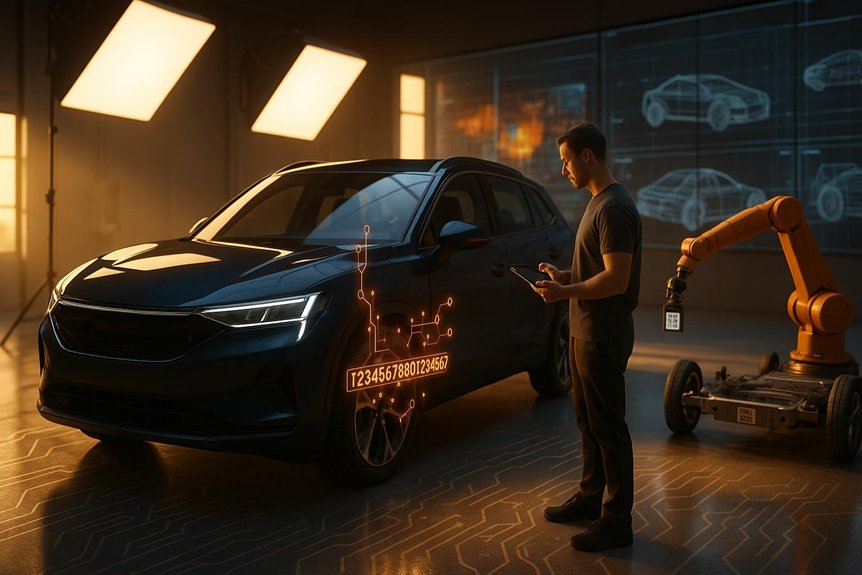
You’ll face stricter, earlier, and hands-on VIN checks in California than in many states. DMV, CHP, or licensed verifiers must physically inspect the VIN before titling. Bring ID, title/MCO, proof of ownership, address, insurance, and any lien release; use REG 31 (or CHP 97C if directed). Triggers include out-of-state purchases, salvage/rebuilt, discrepancies, or altered plates. Appointments fill fast, so schedule early or use licensed verifiers. If you want fewer delays, the next steps make it simple.
Key Differences in VIN Verification Requirements
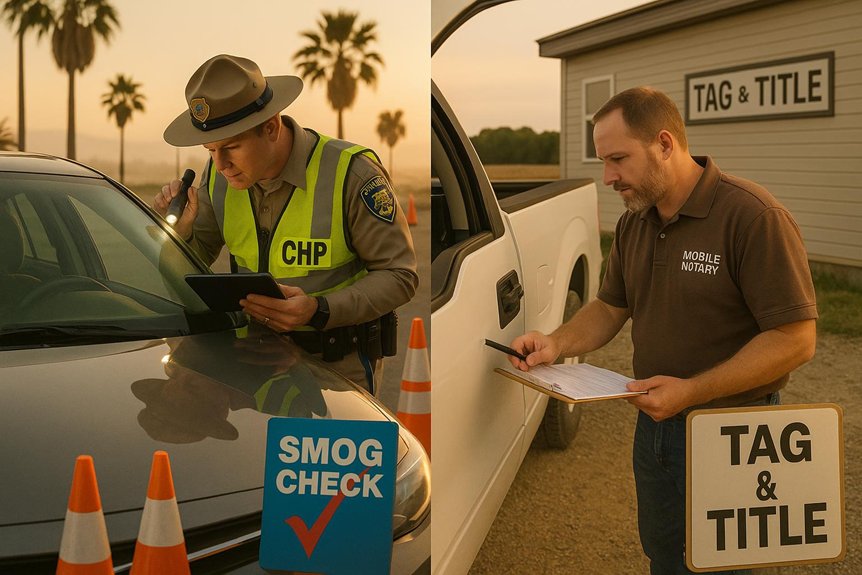
Two factors set California apart on VIN verification: who can perform it and when it’s required. You’ll notice California asks for inspections in more situations than many states—out‑of‑state transfers, certain title corrections, revived salvages, and vehicles without federal labels. Other states often verify only on salvage, theft, or reconstructed cases.
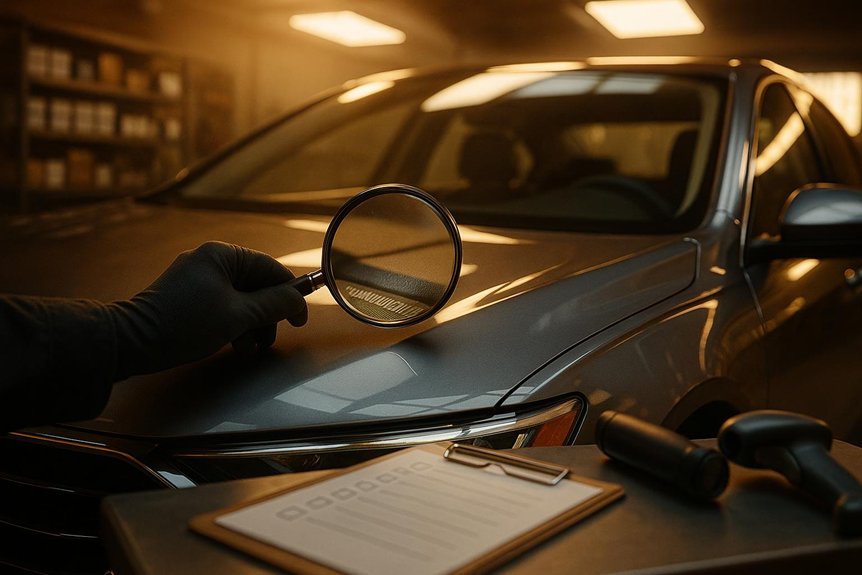
You also face stricter documentation. California expects matching IDs, clear ownership proof, and physical access to stamped numbers. Some states accept photos; California usually won’t. Timing matters too: you typically verify before titling and registration, not after. The inspection confirms vehicle existence and that the VIN matches with title, acting as a gatekeeper against theft and fraud. When you follow these steps, you’re aligned with community standards and avoid costly delays.
Who Can Perform VIN Inspections
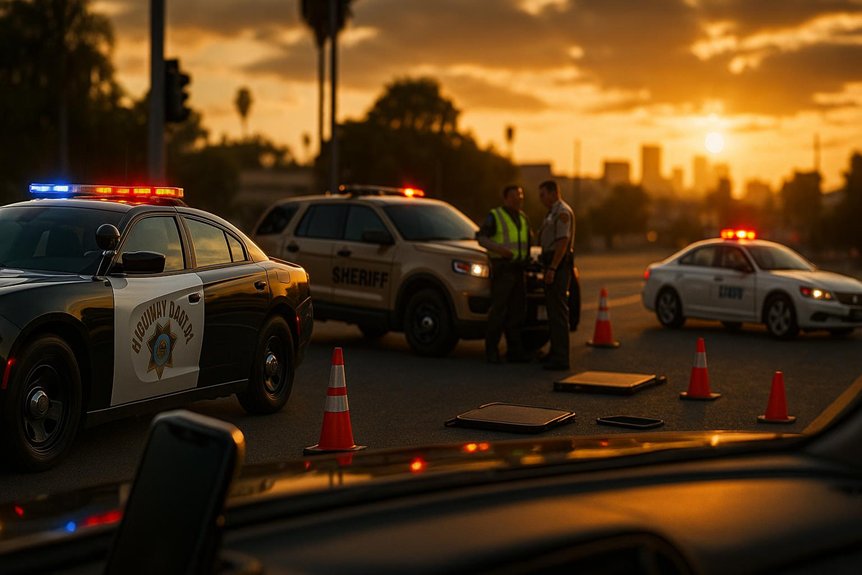
Start with the basics: in California, VIN inspections can be performed by DMV employees, CHP officers, and licensed VIN verifiers; some qualified law enforcement officers and authorized auto club staff can do them too. You’ve got options, and you’re not alone traversing them.
Outside California, rules vary widely. Many states allow local police, state troopers, or certified inspectors at dealerships or tag agencies. Some permit notaries or county tax assessor-collectors to verify VINs, while others restrict inspections to state motor vehicle offices.
When you’re comparing paths, check who’s recognized where you live and where the vehicle’s titled. Choose the authorized source that fits your timeline. Quick VIN Verification offers a streamlined VIN verification procedure with experienced automotive experts who can handle inspections for all types of vehicles.
Documentation and Forms You’ll Need
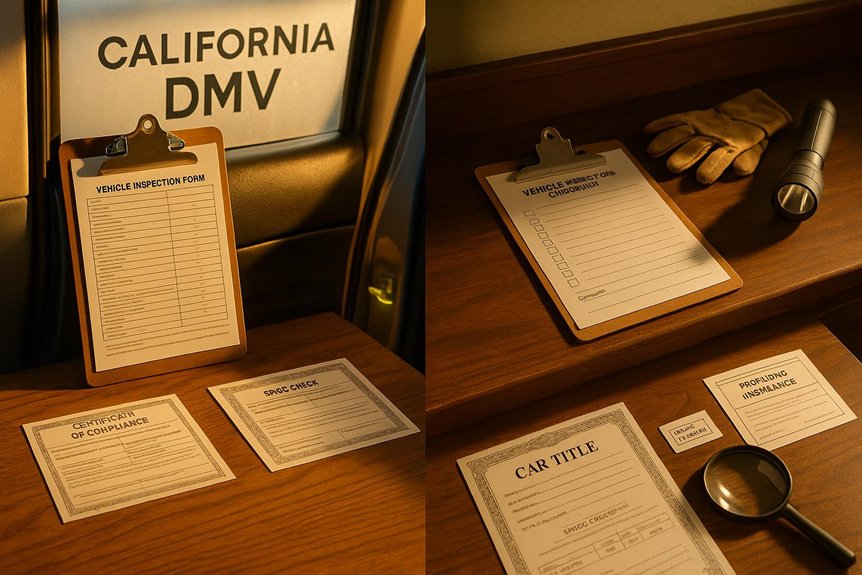
Knowing who can inspect your VIN is only half the job—you also need the right paperwork ready at the appointment. Bring your government ID, current title or manufacturer’s certificate of origin, and registration, if any. Have proof of ownership transfer (bill of sale, dealer invoice, or lease agreement). Pack proof of address, insurance, and any lien release.
In California, you’ll complete Form REG 31 (or CHP 97C when directed). Some states use standardized state inspection forms; others accept law-enforcement attestations. If the vehicle was imported or rebuilt, include customs or rebuild documents. Keep originals handy and legible copies clipped together, so you’re welcomed through quickly. The REG31/VIN verifier form records key details such as vehicle year, make, model, and VIN to ensure the vehicle identification number matches the title.
Triggers for Physical Inspection and Exceptions
Although the specifics vary by state, a physical VIN inspection is typically triggered when a vehicle is newly purchased from out of state, has never been titled or registered, shows discrepancies between paperwork and the frame/label, or carries a salvage, rebuilt, or kit-car designation.
You’ll also face inspection if the VIN plate looks altered, the car’s been stolen and recovered, or the engine swap changes emissions classification. California often requires CHP or DMV inspections in these cases, while some states allow licensed dealers or law enforcement to verify.
Exceptions exist for certain renewals, intra-state transfers, and military moves with documented chain-of-ownership.
Timelines, Fees, and Tips to Avoid Delays
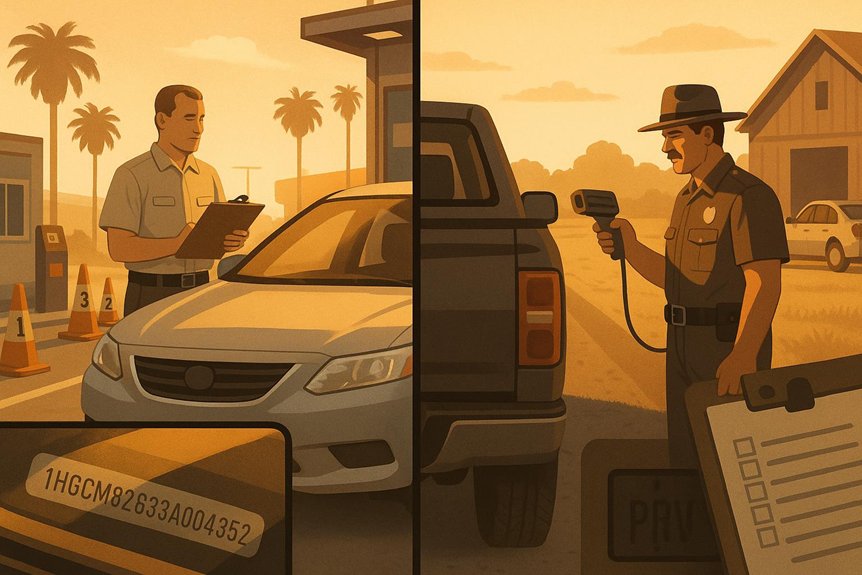
Because timelines and costs vary widely between California and other states, you should plan around three checkpoints: how soon you can book an inspection, how long processing takes after verification, and what fees apply.
In California, appointments fill fast; schedule weeks ahead or use licensed verifiers for quicker slots. Expect processing to take days to a few weeks, depending on backlog. Fees vary: base inspection, title, and local surcharges.
Bring legible VIN photos, out-of-state title, bill of sale, proof of insurance, and ID. Clean the VIN plate, match engine/frame numbers, and arrive early. Double-check forms. Avoid peak month-ends. Keep copies.
Frequently Asked Questions
How Does VIN Verification Affect Classic or Antique Vehicle Registrations?
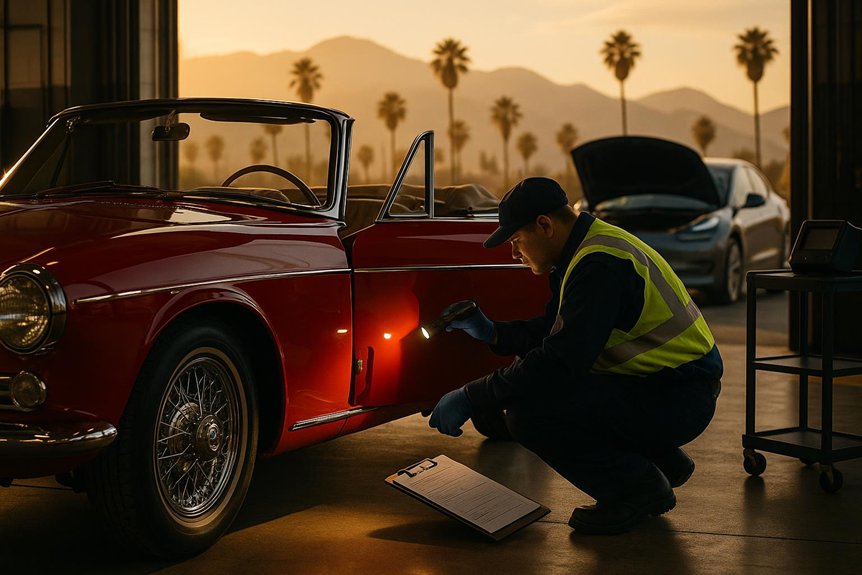
It confirms your car’s identity, preventing fraud and ensuring accurate records. You’ll verify the stamped VIN matches paperwork, restoring trust. Expect inspections for modifications or missing plates. Bring documents, photos, and history. You’re preserving heritage, joining a conscientious, welcoming community.
What Happens if a VIN Plate Is Damaged or Unreadable?
If a VIN plate’s damaged or unreadable, you’ll need a law enforcement or licensed verifier inspection. They’ll confirm identifiers, document tampering concerns, and issue paperwork for a reassigned or replacement VIN, helping you stay legit and included.
Are Out-Of-State Salvage Titles Treated Differently During Verification?
Yes. You’ll face extra scrutiny, paperwork, and inspections. Expect proof of repairs, photos, receipts, branded title checks, and law-enforcement or licensed verifier sign-offs. Plan ahead, keep records organized, and lean on community forums or clubs for guidance and reassurance.
Can Military Personnel Use Alternative VIN Verification Processes?
Yes—you can use alternative processes. If you’re stationed away, you’ll lean on military exemptions, base law enforcement, or certified inspectors. Bring orders, ID, and title. Call ahead, confirm forms, and schedule early to feel supported.
How Do VIN Verifications Work for Imported Gray-Market Vehicles?
They require a thorough physical inspection, matching chassis/engine numbers, import documents, EPA/DOT compliance, and customs release. You’ll schedule verification with an authorized agent, present translations if needed, and resolve discrepancies. Don’t worry—you’ve got a community and clear steps guiding you.