
CHP Vs Sheriff Vs DMV Vs Mobile: Complete Comparison
October 18, 2025
Future of VIN Verification: Digital Transformation and Changes
October 18, 2025
Don’t confuse a clean history report with a clean title—you could still face liens, clerical errors, or out‑of‑state branding. VIN verification isn’t a history check; it confirms the VIN matches plates, stampings, and records to guard against cloning. Apps help, but only an in‑person inspection validates labels, frames, and hardware. Rules vary by state, so confirm who can verify and which forms you need. Classics and out‑of‑state vehicles often require verification. Keep going to avoid costly surprises.
A Clean Report Doesn’t Guarantee a Clean Title
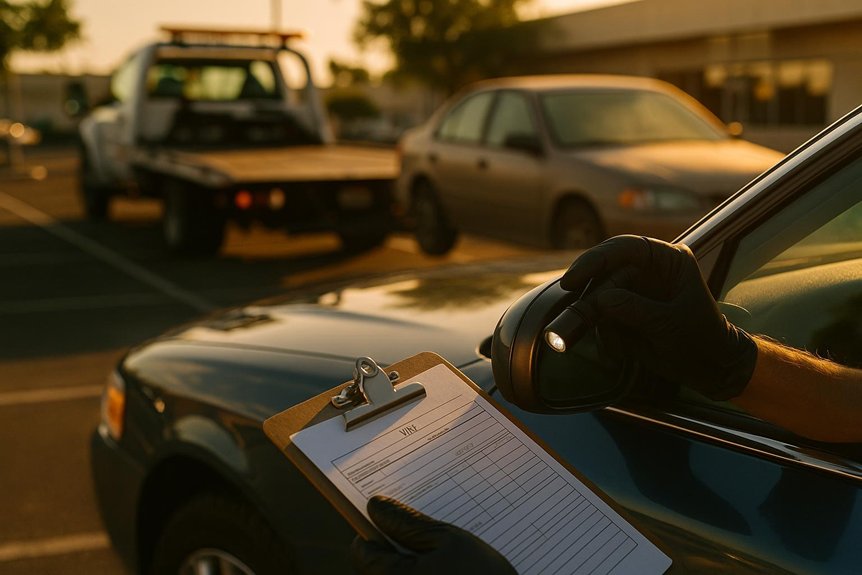
One common mistake is assuming a spotless vehicle history report means the title is problem-free. You want to fit in with smart buyers, so look beyond the glossy summary. A clean report won’t reveal liens, clerical errors, odometer mismatches recorded only on paper, or a title branded in another state.
It may miss unpaid loans, salvage reassignment issues, or duplicate titles pending correction.
Protect yourself. Ask for the physical title, verify the owner’s name matches ID, check lien release documents, and confirm the title status with your state’s motor vehicle agency. Document everything. A VIN verification can also help resolve discrepancies between the vehicle identification number and the title, ensuring the two match before you finalize your purchase. When you do, you join the community of careful, confident owners.
VIN Verification Is Not the Same as a Vehicle History Check
Although they sound similar, VIN verification and a vehicle history check do different jobs. You verify a VIN to confirm the identifier on the vehicle matches official records and physical markings. It’s about accuracy and identity, not storytelling.
A history check gathers data from registrations, insurance claims, recalls, and reported incidents. It shows where a vehicle’s been, not whether the metal before you matches the paperwork.
VIN verification also identifies discrepancies in VIN records across multiple databases, helping catch errors that could complicate registration or reveal fraud attempts.
Use both to protect yourself and your community. Verification guards against cloning and title mismatches. History checks reveal patterns like prior damage, theft records, or odometer rollbacks. Together, they build trust and help you buy confidently.
Apps Alone Can’t Replace a Physical VIN Inspection
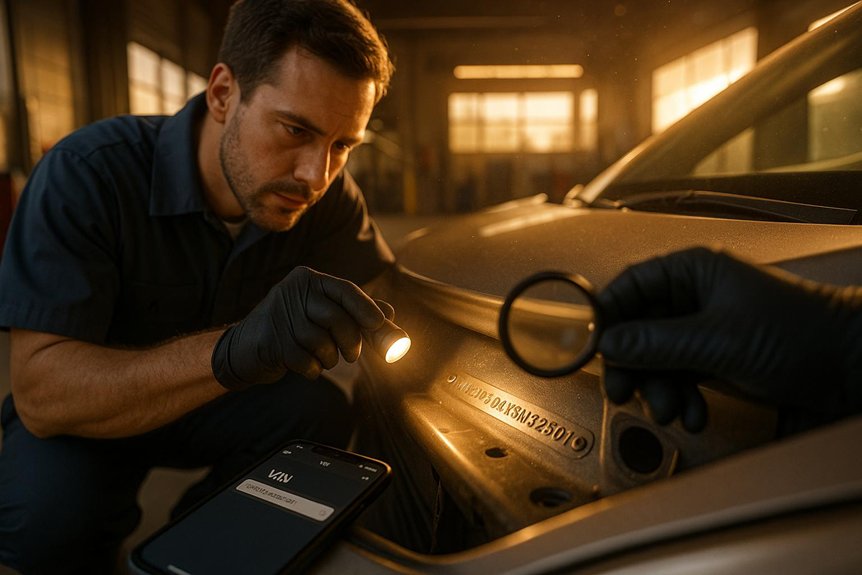
Sometimes a slick app feels like enough, but it can’t see misaligned rivets, tampered stampings, or swapped plates. You need trained eyes and hands to confirm the VIN’s location, condition, and consistency across the car.
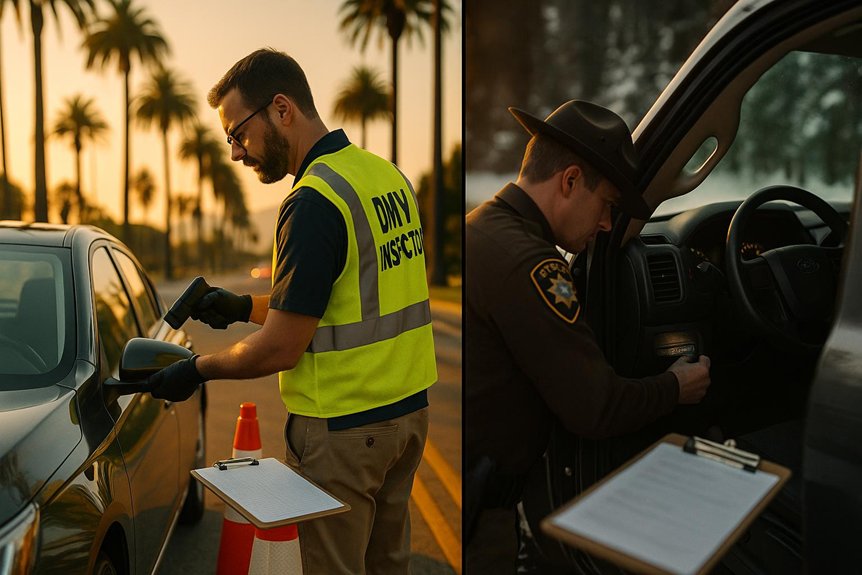
An inspector checks tags, frames, dashboards, door jambs, and engine bays, then compares fonts, depths, and fasteners. They notice grind marks, repaint lines, and mismatched hardware that a camera glosses over. Apps help you record data, but they can’t verify authenticity.
A proper physical inspection also documents key items like the vehicle configuration, public VIN, federal safety label, and emissions label to ensure everything matches your ownership documents. When you show up with a properly inspected vehicle, you protect your purchase, your title, and your community’s trust. Don’t skip the in-person step.
All States Don’t Follow the Same VIN Verification Rules
Chances are, your state’s VIN verification isn’t identical to your neighbor’s. You live under a specific set of rules shaped by local statutes, agency policies, and enforcement priorities.
Some states require certified inspectors; others accept law enforcement, dealerships, or licensed verifiers. Paperwork, fees, and inspection sites vary, too. When you know your state’s playbook, you avoid delays and feel aligned with your community’s standards.
Don’t rely on national assumptions or hearsay. Check your DMV or licensing agency, confirm who can verify, what forms to bring, and whether appointments are needed. You’ll move confidently, meet expectations, and help the process run smoothly for everyone.
Classic and Out‑of‑State Vehicles Often Still Require Verification
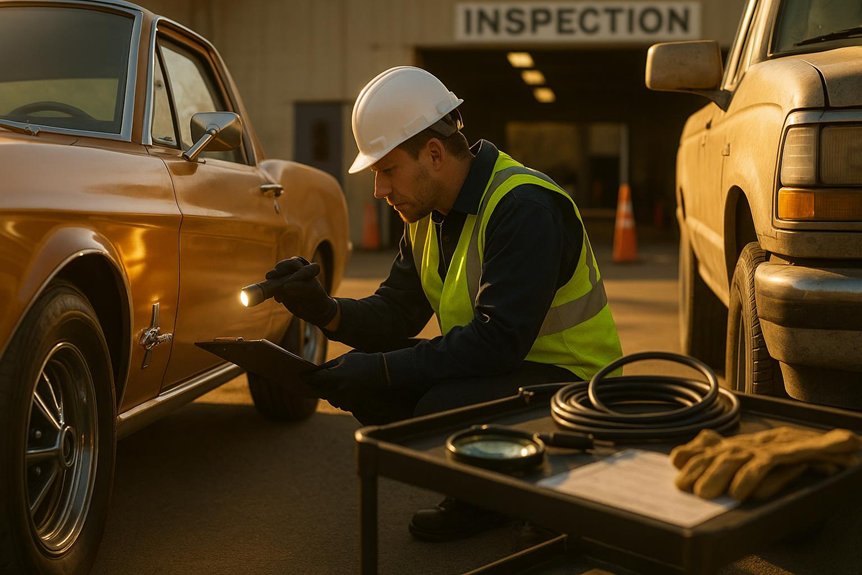
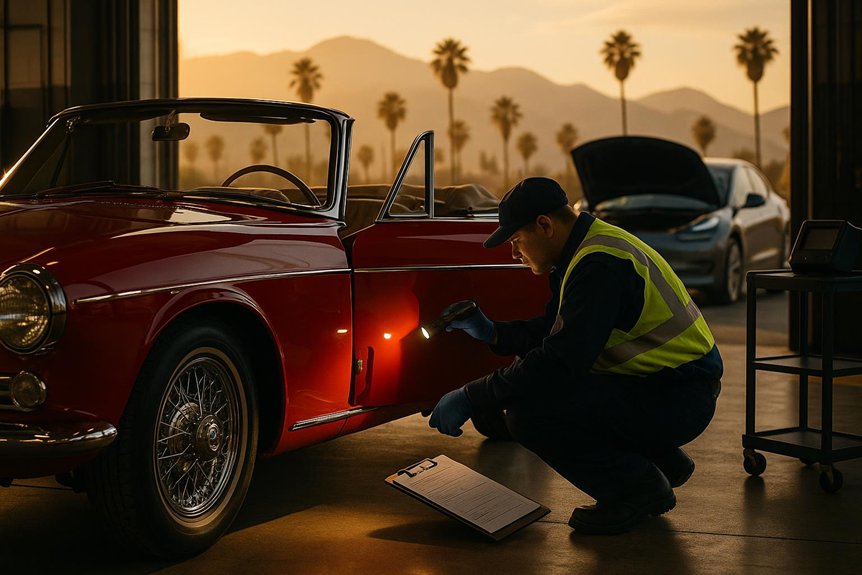
Two common triggers for VIN checks are classic cars and vehicles coming in from another state. If you’re restoring a vintage ride or registering a recent move, don’t assume you’re exempt. Departments of Motor Vehicles often verify VINs to confirm identity, prevent theft, and match titles. You’ll usually need the vehicle present, a readable VIN plate, and supporting documents like a title, bill of sale, or import papers.
Join the community that does it right: schedule early, bring paperwork, and confirm your state’s form. If the VIN plate’s damaged, get it inspected by an approved verifier. You’ll save time, avoid setbacks, and belong on the road.
Frequently Asked Questions
How Do VIN Verification Fees Typically Compare Across Providers?
They vary by provider and location, but you’ll usually see $20–$100. Mobile or expedited visits cost more. Compare what’s included—travel, paperwork help, and DMV-ready forms—so you feel supported, not upsold. Ask for transparent pricing and community referrals.
Can VIN Verification Be Completed During a Mobile Mechanic Visit?
Yes, many mobile mechanics can complete VIN verification during a visit. You’ll schedule ahead, provide ID and title, and guarantee good lighting. They’ll confirm legibility, document details, and submit forms. You’ll feel supported, included, and done faster.
What Identification Does an Owner Need for VIN Verification?
You typically need a government-issued photo ID and the vehicle’s title or registration. Bring proof of ownership, any lien documents, and insurance if required. Check your state’s form list so you arrive prepared—community-ready and confident.
How Long Does a Standard VIN Verification Appointment Take?
It usually takes 10–20 minutes. You’ll check in, present your ID and documents, and an inspector confirms the VIN. Arrive early, have paperwork ready, and you’ll feel prepared, seen, and part of a smooth, friendly process.
Can Dealerships Perform Official VIN Verifications for Private Buyers?
Yes—some dealerships can, but it varies by state and certification. You should call ahead, confirm they’re authorized, ask about fees and paperwork, and schedule early. If they can’t, they’ll usually guide you to approved verifiers.