
VIN Verification Myths: Debunking Common Misconceptions
October 18, 2025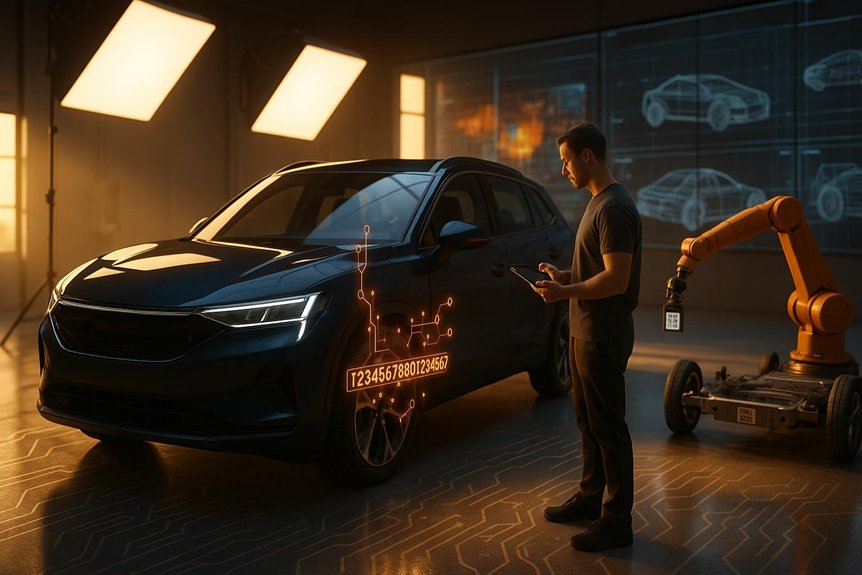
You’re moving from paper VIN checks to blockchain-backed vehicle identities that create tamper-evident, timestamped histories governed by smart contracts. At the curb, AI, OCR, and mobile capture verify VINs in seconds, even offline, with guided prompts for accuracy. An API-first ecosystem standardizes schemas, webhooks, and versioning for clean integrations. Privacy-by-design enforces consent, minimization, and strong encryption. Cloud-native, modular architectures and SLAs guarantee resilience, while AI flags anomalies and speeds adjudication. There’s more that can sharpen your strategy next.
From Paper Trails to Blockchain-backed Vehicle Identities
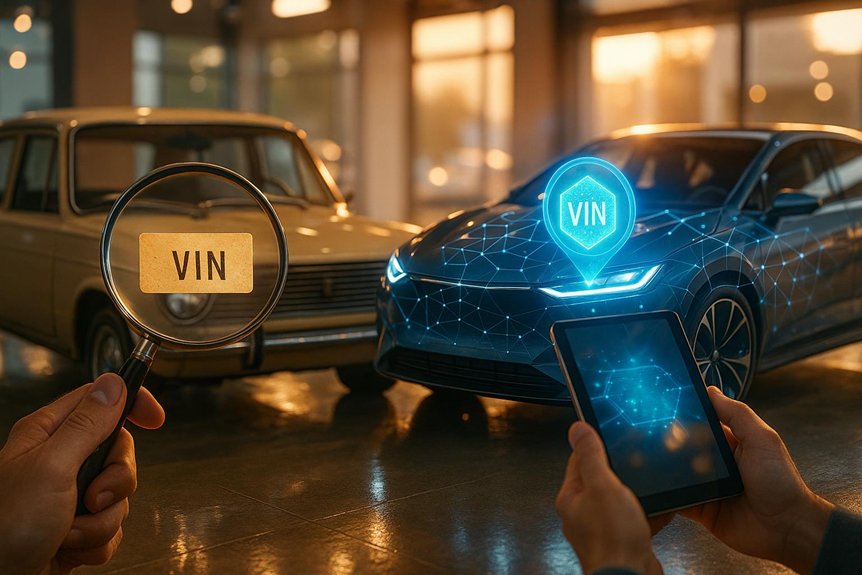
How did VIN verification move from ink-stamped forms to immutable digital records? You traded siloed folders for a shared ledger that everyone can trust. When a vehicle’s identity gets hashed onto a blockchain, you gain a tamper-evident record that travels with the car, crossing auctions, lenders, fleets, and DMVs without losing truth. You don’t chase signatures; you confirm provenance.
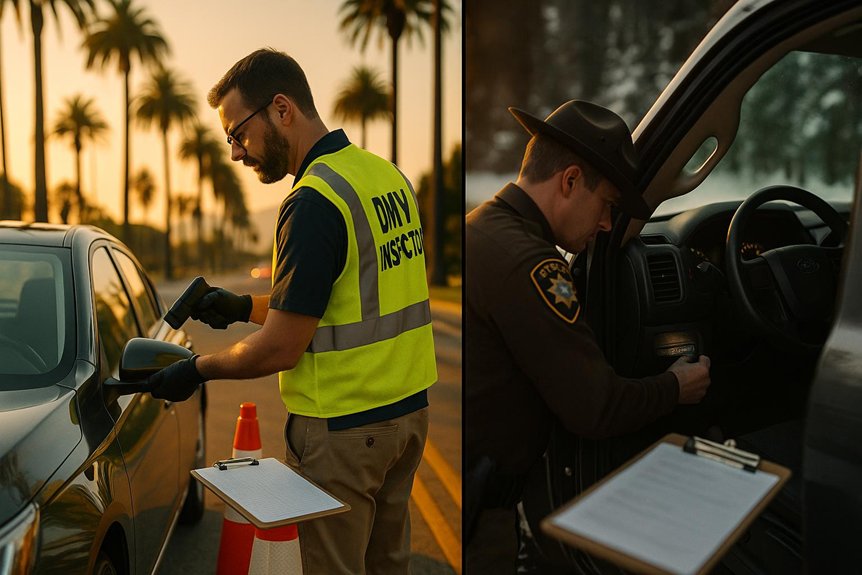
You join a network that enforces consensus, timestamps events, and preserves custody. Smart contracts govern updates, reducing disputes and gray areas. You see recall status, liens, and transfers as a single story. Together, you create transparency that welcomes every stakeholder—and excludes fraud. Traditional VIN inspection processes require physical examination to match VINs against ownership documents, but digital systems can automate and secure these verifications across jurisdictions.
AI, OCR, and Mobile Workflows Redefining Verification Speed and Accuracy
That same shared ledger gains real power when you pair it with AI, OCR, and mobile capture that verify a VIN at the curb in seconds. You point your phone, and smart OCR corrects glare, skew, and smudges, then AI validates format, flags anomalies, and cross-checks probable errors. You move faster, yet trust the result because confidence scores guide next steps.
You also reduce rekeys and misreads. Edge models work offline, then sync when connected, so field teams stay productive together. Guided prompts standardize photos, angles, and lighting, making every scan feel consistent. You spend less time fixing mistakes, more time serving customers.
These digital workflows complement traditional methods that still serve critical roles, including preventing theft and fraud through thorough verification processes that cross-reference VIN records across multiple databases.
API-first Data Ecosystems and Interoperability Standards

One principle enables the next leap in VIN verification: design everything API‑first so data flows where it’s needed without handoffs or rework. You connect systems through well-documented endpoints, not custom bridges.
You standardize schemas, event models, and webhook contracts so partners plug in quickly. With shared identifiers and canonical VIN attributes, you eliminate mismatches and duplicate lookups.
You adopt open standards—REST, JSON Schema, OAuth 2.0, event streaming—to make integrations predictable. You version thoughtfully, deprecate transparently, and publish test sandboxes. You monitor uptime, latency, and error budgets together.
When everyone speaks the same API language, you ship faster, reduce friction, and welcome new contributors. Digital integration ensures that the VIN on the vehicle aligns with DMV records instantly, reducing errors and preventing fraud across jurisdictions.
Privacy-by-Design, Compliance, and Risk Mitigation
Even as you modernize VIN workflows, you’ve got to bake in privacy from the outset—treating every data flow as sensitive, auditable, and purpose-bound. Build consent as a default, minimize data, and segment environments so only the right people touch the right fields. Map processing to lawful bases, document retention, and log every access.
Adopt encryption in transit and at rest, rotate keys, and verify third-party controls. Automate DPIAs, establish incident playbooks, and rehearse breach-response with clear roles. Align with GDPR, CCPA, GLBA, and industry rules. Measure risk continuously, remediate quickly, and share lessons. That’s how your community earns durable trust.
Preparing Operations and Tech Stacks for the Next Decade of VIN Verification

While privacy foundations take root, you need to ready operations and technology for scale, interoperability, and change.
Build a modular architecture: API-first services, event streams, and standardized VIN schemas. Prioritize data quality pipelines, lineage, and observability.
Modernize with cloud-native deployments, container security, and automated compliance tests. Adopt zero-trust, hardware-backed keys, and role-based access.
Invest in MDM, deduplication, and consent-aware data sharing. Use AI to flag anomalies, enrich records, and accelerate adjudication.
Create playbooks, SLAs, and cross-team rituals. Pilot with partners, measure outcomes, and iterate.
Empower people with training and transparent governance. Together, you’ll grow resilient, fast, and trusted.
Frequently Asked Questions
How Will Digital VIN Verification Affect Classic and Antique Vehicle Documentation?
It’ll streamline your records, reduce disputes, and protect provenance. You’ll verify authenticity faster, access shared registries, and avoid clerical errors. Still, you’ll need to digitize paper histories, confirm legacy formats, and collaborate with clubs, appraisers, and DMV archivists.
What Training Will Frontline Staff Need to Handle Edge-Case VIN Anomalies?
You’ll need training in legacy VIN formats, international standards, tamper indicators, OCR error patterns, and manual decoding. Practice escalation workflows, compassionate customer communication, secure data handling, and using verification tools. Role-play edge cases to build confidence, consistency, and team trust.
How Do Consumers Dispute Errors in a Digitized VIN Record?
You dispute digitized VIN errors by filing an online correction request, uploading proof (title, photos, inspections), and referencing transaction IDs. You escalate through customer support, regulator portals, and your insurer. Keep timestamps, confirmations, and share updates with community forums for support.
What Happens to VIN Data During Company Mergers or Platform Shutdowns?
During mergers or shutdowns, your VIN data gets migrated, archived, or deleted per contracts and law. You should download copies, confirm custody, request migration/portability, and track retention timelines. If access breaks, assert rights, file tickets, and escalate together.
How Will Cross-Border Vehicle Imports Handle Non-Standard VIN Formats?
You’ll handle non-standard VINs by mapping them to ISO-compliant schemas, validating with country-specific rules, and using shared registries. You’ll collaborate with customs, OEMs, and brokers, leveraging AI normalization, fallback document checks, and audit trails to keep everyone aligned.