
Do I Need a VIN Verification for a Trailer in San Bernardino
July 1, 2025
Same-Day VIN Verification in San Bernardino
July 1, 2025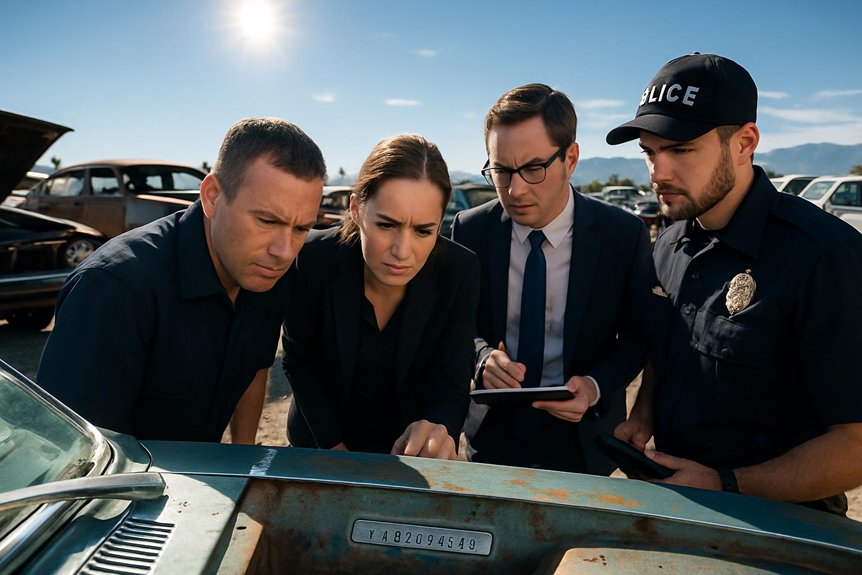
In San Bernardino, VIN verification for salvage vehicles must be performed by authorized personnel, such as DMV staff, CHP officers, or licensed verifiers. The process requires the vehicle to be present, clean, and accessible, with valid identification and complete documentation including salvage title. Improper or incomplete paperwork, or use of unauthorized verifiers, can invalidate the process. Applicants must guarantee compliance with all requirements to successfully register salvage vehicles. Additional details clarify each procedural step and potential pitfalls.
Understanding Salvage Vehicle Status in California
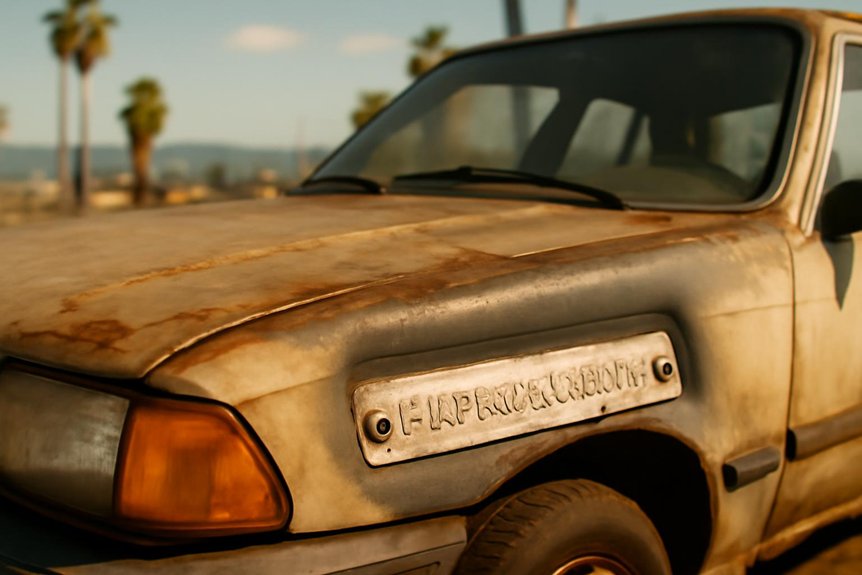
When a vehicle is declared a total loss due to damage, theft, or other qualifying events, it is assigned a salvage status under California law. This classification signifies that the vehicle’s repair cost exceeds its market value or that it has been stolen and recovered. The Department of Motor Vehicles (DMV) requires the salvage designation to be clearly reflected on the title, ensuring transparency for future transactions and ownership. To restore such vehicles for legal operation on public roads, owners must complete specific procedures, including inspection and proper documentation. This regulatory framework fosters accountability and community trust among vehicle owners, buyers, and regulatory agencies. Understanding salvage status is essential for those maneuvering vehicle registration or transfer processes within California’s regulated automotive environment. Additionally, VIN verification is a critical step in ensuring that the salvage vehicle can be legally registered in California.
Who Can Perform VIN Verification in San Bernardino
To guarantee compliance with California regulations, only authorized personnel are permitted to conduct VIN verification in San Bernardino. The California Department of Motor Vehicles (DMV) specifies that VIN verification may be performed by DMV employees, California Highway Patrol (CHP) officers, or licensed VIN verifiers who hold valid state certification. Local law enforcement agencies may also provide this service when specifically designated. Importantly, not all vehicle verifiers are authorized to inspect salvage vehicles; certain complex cases—such as those involving vehicles with irregular documentation or out-of-state origins—may require referral to the CHP. Individuals seeking VIN verification for salvage vehicles should confirm the verifier’s credentials and authorization status before proceeding. This guarantees the process adheres to all regulatory requirements and fosters community trust in vehicle ownership documentation. Additionally, fraud prevention measures are essential to ensure the integrity of the VIN verification process.
Step-by-Step Process for Salvage Vehicle VIN Verification
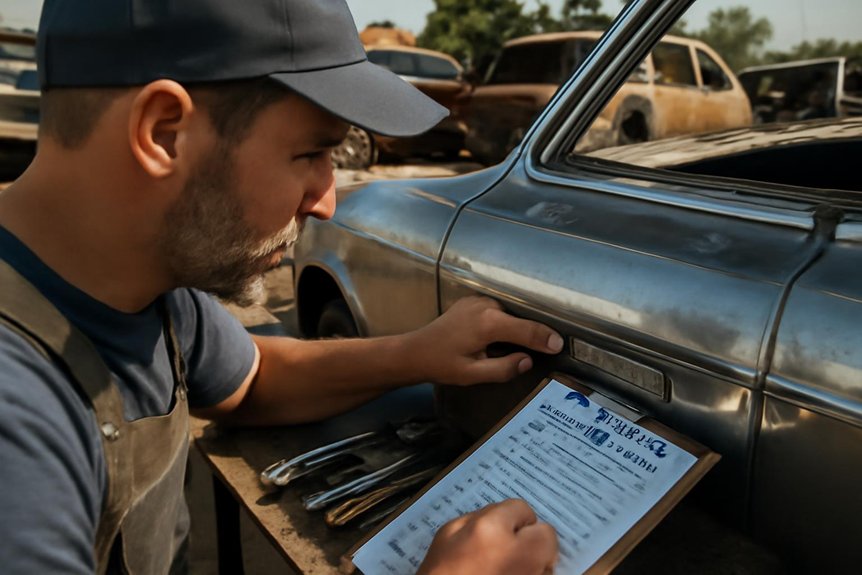
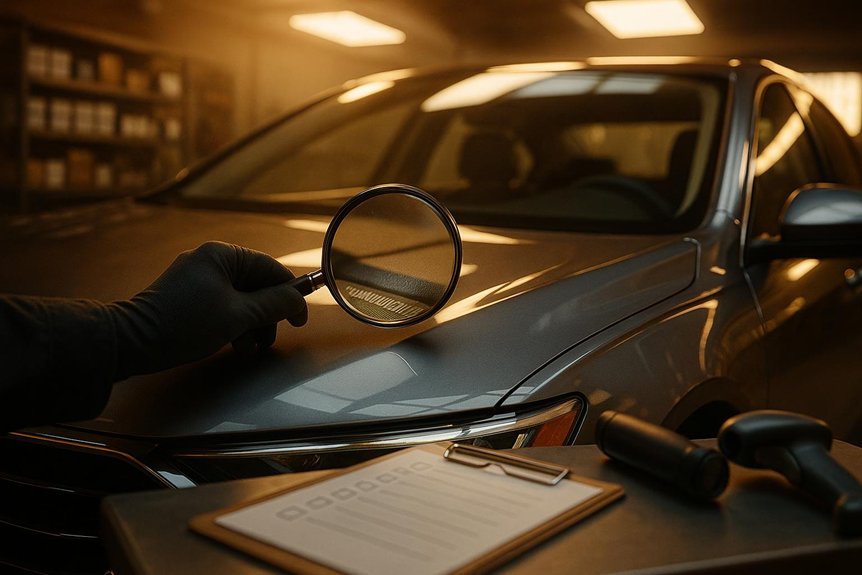
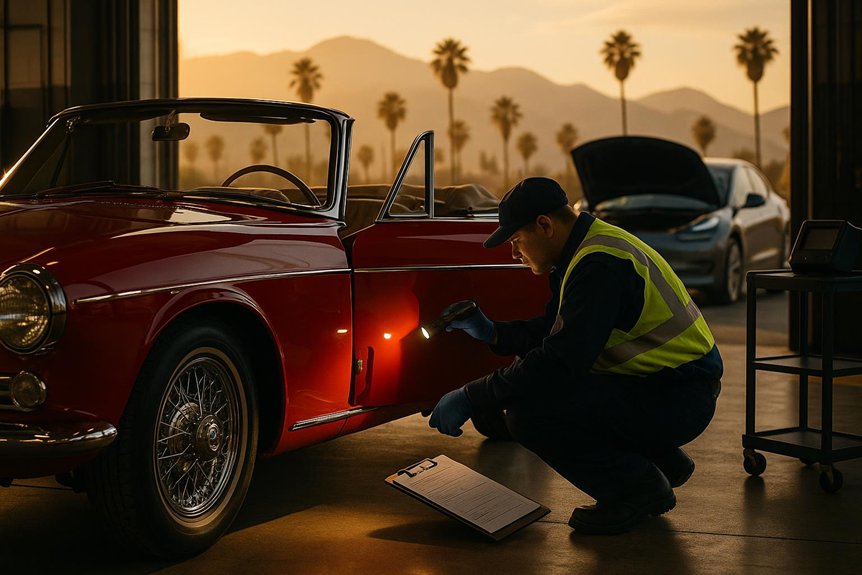
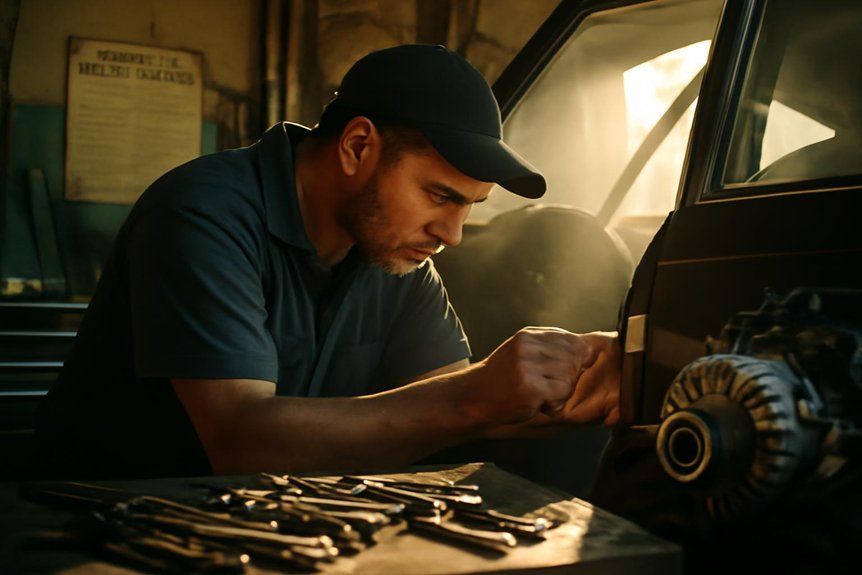
Several critical steps define the salvage vehicle VIN verification process in San Bernardino, each mandated to confirm regulatory compliance and accurate vehicle identification. Initially, the vehicle owner must schedule an inspection appointment with an authorized verifier—either a DMV representative, law enforcement officer, or licensed verifier. The vehicle must be physically present at the verification site, clean, and accessible for inspection. The verifier systematically examines the VIN plate, secondary VIN locations, and vehicle attributes to verify they match official records and have not been altered or tampered with. Photographic documentation and a detailed inspection report are often completed to support findings. Upon a successful verification, the verifier finalizes and signs the official verification form, establishing the vehicle’s eligibility for subsequent registration processes. This process is essential for vehicle registration in California, ensuring that all vehicles are accurately identified and compliant with state regulations.
Required Documents and Fees for Verification
Following completion of the VIN inspection, vehicle owners must present specific documentation and remit applicable fees to satisfy San Bernardino’s verification requirements. Essential documents include the completed Verification of Vehicle (REG 31) form, proof of vehicle ownership such as a salvage title or bill of sale, and valid government-issued identification. If the vehicle was purchased out of state, supporting importation paperwork may be necessary. Owners should verify all signatures and guarantee document accuracy to prevent administrative delays. Applicable fees for VIN verification and related processing must be paid at the time of submission, typically via cash, check, or accepted credit card. Fee schedules are available through the California Department of Motor Vehicles (DMV) or local authorized verification agencies to promote transparent compliance within the community. Additionally, vehicles must also meet California emission standards to ensure compliance before registration.
Common Mistakes to Avoid During VIN Verification
Although the VIN verification process in San Bernardino is designed for procedural clarity, common errors can impede successful completion. One frequent mistake is presenting incomplete documentation, such as missing salvage title or proof of ownership. Vehicles must be physically present and accessible; attempts to verify with the vehicle off-site or obstructed may result in denial. Altered, unreadable, or mismatched VIN plates often trigger immediate rejection and potential investigation. Applicants sometimes overlook the necessity of a clean, legible vehicle identification number, leading to unnecessary delays. Utilizing unauthorized personnel for verification—rather than licensed DMV representatives or law enforcement—renders the process invalid. Ensuring all required documents, accurate VIN presentation, and adherence to regulatory protocols fosters smoother verification and a sense of procedural inclusion within the San Bernardino community.
Frequently Asked Questions
How Long Does VIN Verification Take for Salvage Vehicles in San Bernardino?
The duration of VIN verification for salvage vehicles typically ranges from 15 to 30 minutes, depending on documentation completeness and vehicle accessibility. Applicants should guarantee all required paperwork is present to facilitate an efficient, accurate process for community compliance.
Can I Drive My Salvage Vehicle to the Verification Location?
The current question addresses the legality of transporting a salvage vehicle to a verification site. Generally, salvage vehicles require a temporary moving permit before being driven on public roads. Applicants should confirm compliance with local regulations prior to transport.
Is VIN Verification Required Before Vehicle Repairs Begin?
VIN verification is not strictly required before repairs commence; however, many regulatory agencies recommend completing VIN verification prior to major repairs. This guarantees vehicle identity compliance and supports a streamlined process for community members seeking salvage vehicle reinstatement.
Are Mobile VIN Verification Services Available in San Bernardino?
Mobile VIN verification services are accessible in the area, providing convenience for residents requiring vehicle inspection. Certified personnel conduct verifications at designated locations or the vehicle’s site, adhering to regulatory standards and fostering community compliance with state requirements.
Will VIN Verification Affect My Insurance Rates?
VIN verification itself does not directly affect insurance rates. However, the information confirmed during verification—such as vehicle history or salvage status—may indirectly impact premiums, as insurers consider verified data when evaluating risk and determining coverage costs.