
How to Get a VIN Verified Without Going to the DMV in San Bernardino
July 4, 2025
VIN Verification for Vehicle Title Corrections in San Bernardino
July 4, 2025
Reliable VIN inspection for trailers in San Bernardino requires using an authorized DMV representative, CHP officer, or licensed VIN verifier. These professionals verify the trailer’s VIN against registration and ownership documents, inspecting for accuracy and tampering. Documentation must be organized and the trailer accessible for thorough examination. Proper verification supports lawful title transfers and registration, preventing fraud and ensuring compliance with California regulations. The following sections clarify the process, criteria for trustworthy inspectors, and essential preparation steps.
Understanding Trailer VIN Inspections in California
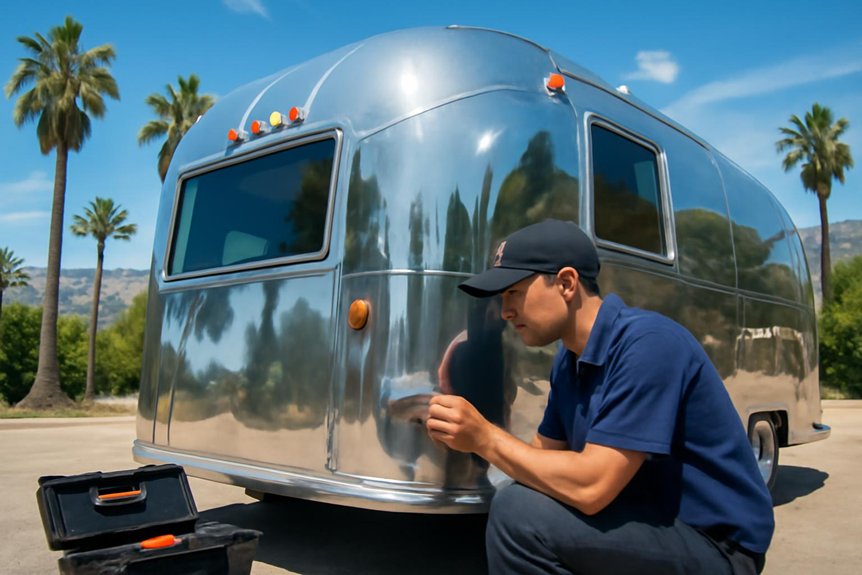
In California, a Vehicle Identification Number (VIN) inspection is a mandatory procedure for trailers that require registration or title transfers through the Department of Motor Vehicles (DMV). This process guarantees that the VIN on the trailer matches official records, verifying legal ownership and deterring fraudulent activity. Inspections are typically conducted by an authorized DMV representative, California Highway Patrol (CHP) officer, or licensed VIN verifier. The inspector examines the trailer’s VIN plate or stamping, confirming legibility and accuracy. Owners must present supporting documentation, such as proof of ownership and prior registration, during the inspection. Completion of the VIN verification form is required before proceeding with DMV transactions. Additionally, VIN verification fosters a sense of community compliance and upholds California’s regulatory standards for all trailer owners.
Key Reasons to Prioritize VIN Verification
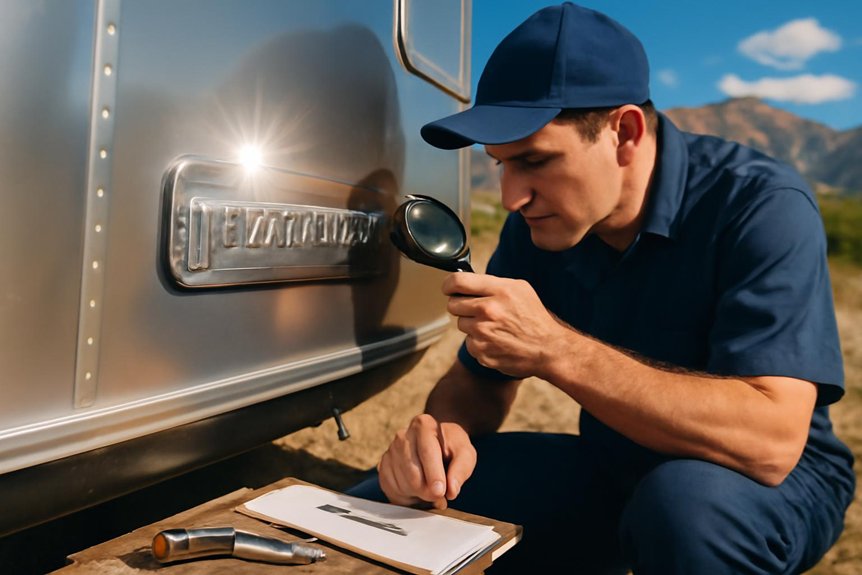
Although often viewed as a procedural step, VIN verification for trailers serves critical regulatory and legal functions. This process guarantees the trailer’s identity aligns with official records, preempting potential issues related to theft, fraud, or improper registration. Regulatory agencies mandate VIN verification to uphold the integrity of the motor vehicle database, fostering transparency and accountability within the community. Accurate VIN confirmation is essential for lawful title transfers, registration renewals, and compliance with California Department of Motor Vehicles requirements. Failure to prioritize VIN verification can result in administrative delays, financial penalties, or legal complications. For trailer owners in San Bernardino, adhering to verification protocols not only fulfills statutory obligations but also reinforces a sense of trust and shared responsibility within the local transportation network. Additionally, understanding the compliance requirements for VIN verification can further enhance the legitimacy of the registration process.
Step-by-Step Guide to the Trailer VIN Inspection Process
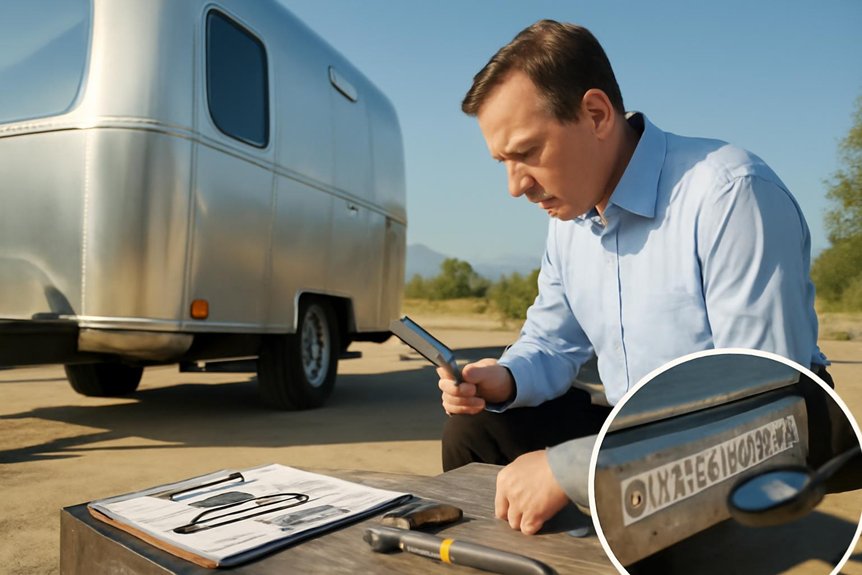
Before a trailer can be legally registered or transferred, the Vehicle Identification Number (VIN) inspection process must be completed to confirm the trailer’s identity and compliance with California Department of Motor Vehicles (DMV) regulations. The process begins with scheduling an appointment at an authorized inspection site or with a licensed inspector. Owners must present valid identification, proof of ownership, and the trailer itself. The inspector examines the VIN plate for legibility and accuracy, verifying it matches DMV records and is free from tampering. Photographic documentation or supplemental forms may be required. Upon successful verification, the inspector completes and signs a DMV-approved form, which is then submitted with the registration application. Additionally, vehicles must have at least 7,600 miles if lacking a California emissions label. Adherence to these steps guarantees community members’ trailers meet state standards and fosters trust in local transactions.
Qualities of a Trustworthy VIN Inspector in San Bernardino
When evaluating a VIN inspector in San Bernardino, reliability, regulatory knowledge, and impartiality are vital qualities. A trustworthy inspector adheres strictly to California Department of Motor Vehicles (DMV) protocols, demonstrating extensive understanding of state and federal trailer identification requirements. Professionalism is reflected in punctuality, clear communication, and thorough documentation. Inspectors should possess verifiable credentials and maintain current certifications relevant to vehicle verification. Impartiality guarantees that all inspections are conducted without bias, upholding legal standards and fostering public trust. Additionally, attention to detail is important; a credible inspector meticulously examines VIN markings, trailer specifications, and documentation accuracy. Community members value inspectors who are approachable, respectful, and committed to upholding procedural integrity, reinforcing a sense of shared trust and responsibility throughout the inspection process. Furthermore, it is essential that inspectors are familiar with California emission standards, as compliance is critical for vehicle registration.
Tips for a Smooth and Successful Inspection Experience
Selecting a qualified VIN inspector is only the first step; preparing properly for the inspection process helps guarantee efficiency and compliance with California DMV trailer verification standards. To secure a smooth and successful inspection, trailer owners should adhere strictly to procedural guidelines and documentation requirements. Compliance not only expedites the process but also fosters a sense of inclusion within the responsible trailer-owning community. Key steps include:
- Organize Documentation: Present original title, registration, bill of sale, and any prior inspection records for immediate review.
- Guarantee Trailer Accessibility: Position the trailer in a well-lit, easily accessible location, and clean the VIN area to enable unobstructed examination.
- Verify VIN Consistency: Confirm that the VIN on the trailer matches all provided documents, preventing discrepancies that could delay approval.
Following these steps creates confidence and community compliance.
Frequently Asked Questions
What Documents Do I Need to Bring to My Trailer VIN Inspection Appointment?
Individuals preparing for a trailer VIN inspection appointment should present valid identification, proof of ownership (such as title or bill of sale), completed application forms, and any supporting documentation related to the trailer’s origin, modifications, or previous registration history.
How Much Does a Trailer VIN Inspection Typically Cost in San Bernardino?
The typical cost for a trailer VIN inspection in San Bernardino ranges from $20 to $50, depending on the provider. Fees may vary based on service type, inspection location, and whether conducted by law enforcement or private agencies.
Can I Get a Mobile VIN Inspection Service for My Trailer at Home?
The current question addresses the availability of mobile VIN inspection services for trailers at a residential location. Individuals may request licensed mobile VIN verifiers, who are authorized to inspect trailers at home, subject to California Department of Motor Vehicles regulations.
What Happens if My Trailer’S VIN Plate Is Missing or Unreadable?
If a trailer’s VIN plate is missing or unreadable, the owner must complete a VIN verification process through the DMV or CHP. This typically involves submitting documentation, undergoing inspection, and possibly applying for a replacement VIN assignment.
Are There Penalties for Driving a Trailer Without a Verified VIN in California?
Operating a trailer in California without a verified VIN may result in penalties, including citations, fines, and possible impoundment. Compliance with California Vehicle Code Sections 10751 and 28050 is essential to uphold legal operation and community standards.