
Understanding VIN Discrepancies in San Bernardino
July 4, 2025
San Bernardino VIN Verification for Kit Cars
July 4, 2025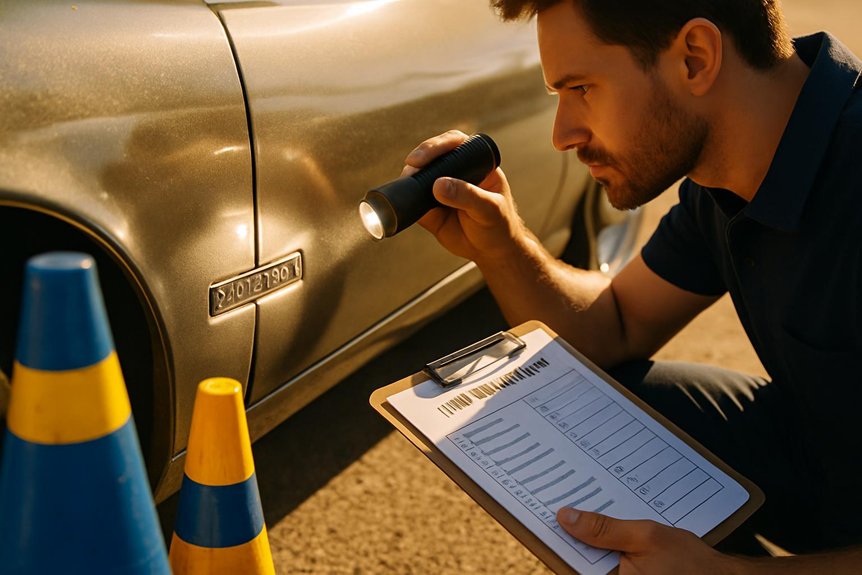
A reconstructed vehicle VIN inspection in San Bernardino is conducted at a CHP office or DMV site and requires an appointment. Inspectors physically examine the vehicle to verify the VIN, structural integrity, and guarantee compliance with California Vehicle Code. Applicants must present a completed REG 343, REG 5036, all parts receipts, proof of ownership, and certifications. Post-inspection, forms such as CHP 97C or REG 31 are issued for DMV processing. Further procedural insights follow for successful completion.
Understanding Reconstructed Vehicle Status in California
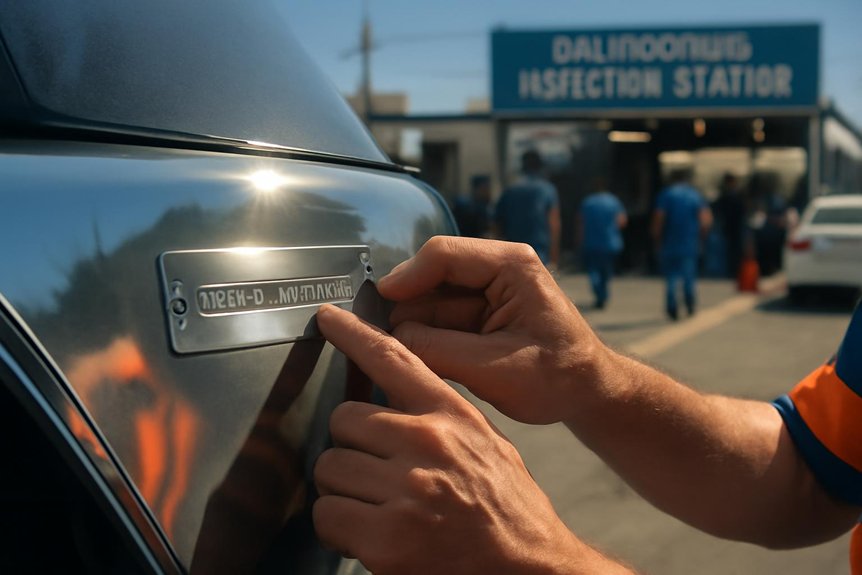
When a vehicle is classified as reconstructed in California, it signifies that the vehicle has been assembled using major parts from two or more vehicles or has undergone significant structural alterations not consistent with manufacturer specifications. The California Department of Motor Vehicles (DMV) defines a reconstructed vehicle as one where the chassis, frame, or body has been replaced, modified, or combined, resulting in a vehicle that no longer matches its original manufacturer configuration. Under Vehicle Code Section 580, such vehicles must comply with stringent documentation and verification protocols, including proof of ownership for each major component. This reconstructed status directly impacts titling, registration, and eligibility for road use. Individuals engaging in vehicle reconstruction should reference California DMV guidelines to guarantee regulatory adherence and community acceptance within the automotive enthusiast sphere. Additionally, VIN verification is essential for ensuring that reconstructed vehicles meet the necessary legal standards before being registered.
Step-by-Step VIN Inspection Process in San Bernardino
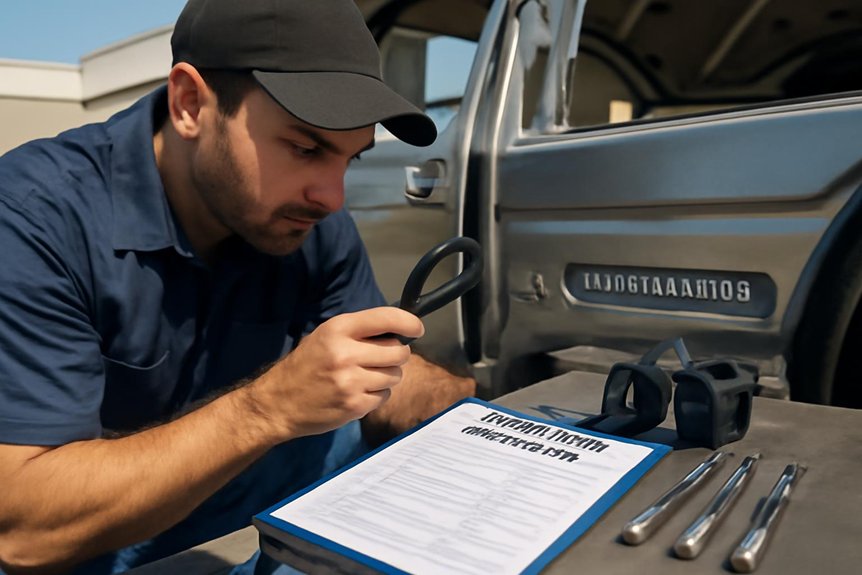
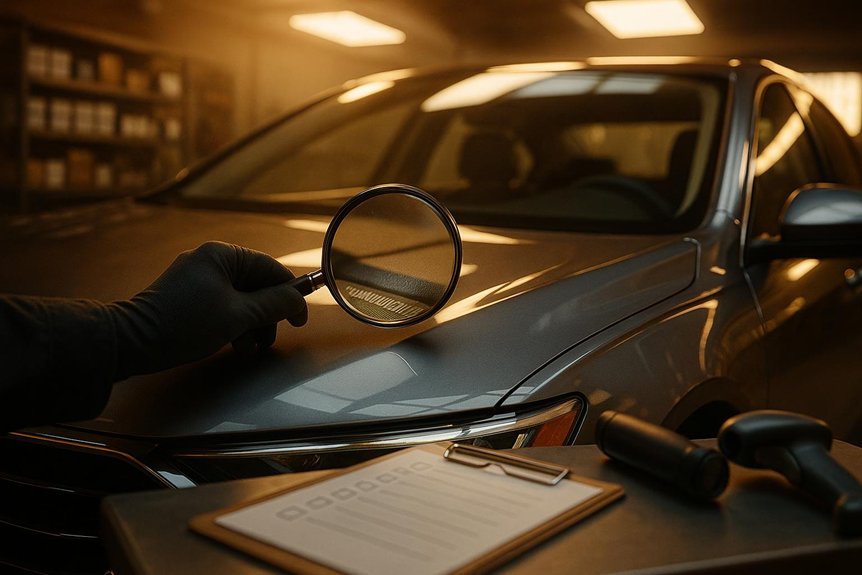
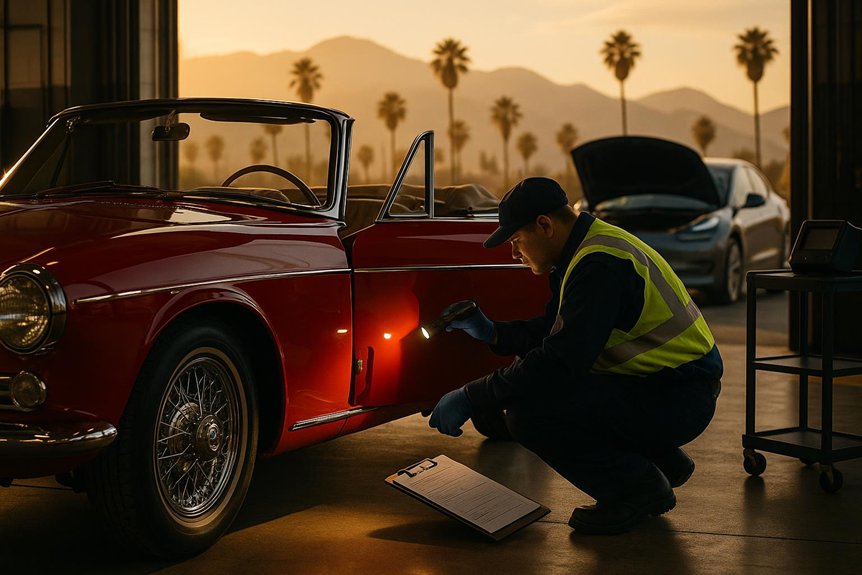
The VIN inspection process for reconstructed vehicles in San Bernardino initiates with an appointment at a California Highway Patrol (CHP) office or DMV-designated inspection site, as random walk-ins are not accepted. Upon arrival at the scheduled time, the vehicle owner presents the reconstructed vehicle for a thorough physical examination. Inspectors systematically verify the VIN plate affixed to the chassis, cross-referencing it with secondary VIN locations and manufacturer specifications. Structural integrity, tamper evidence, and VIN authenticity are critically assessed. The inspection team utilizes specialized tools to confirm that no fraudulent modifications exist. After the on-site evaluation, inspectors document findings in an official report, which becomes part of the vehicle’s permanent record. This procedural rigor guarantees only compliant, traceable vehicles integrate into California’s regulated road network. Additionally, successful inspections help ensure compliance with state regulations that govern VIN verification processes.
Required Documents and Forms for Your Appointment
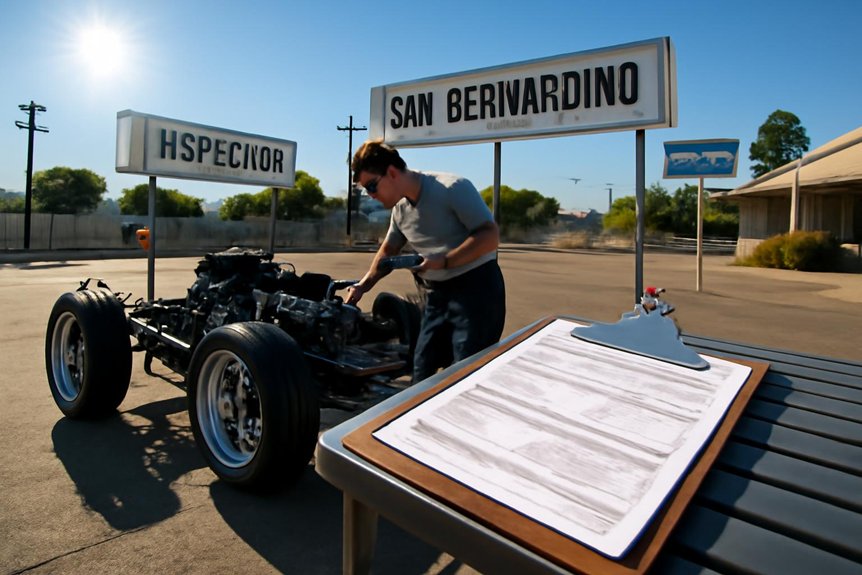
Preparation for a reconstructed vehicle VIN inspection in San Bernardino mandates strict adherence to documentation requirements. Applicants must present a completed Application for Title or Registration (REG 343), a Statement of Construction (REG 5036), and receipts for all major component parts used in the reconstruction process. Additionally, a valid driver’s license and proof of ownership, such as a bill of sale, are indispensable. A Brake and Light Adjustment Certificate and, if applicable, a smog certification are also required. Verification of physical VIN placement and supporting evidence, including photographs of the build process, may be requested. Ensuring all forms are legible, original, and signed in designated areas is essential. Failure to provide thorough documentation may result in inspection delays or rescheduling. It’s important to remember that California compliance emissions labels are critical for registration as well.
Tips for Preparing Your Vehicle for Inspection
Many applicants overlook the critical importance of meticulous vehicle preparation prior to a reconstructed VIN inspection. Ensuring all VIN plates and labels are securely affixed, legible, and match supporting documentation is paramount. The vehicle should be thoroughly cleaned, with particular attention to VIN-stamped chassis areas, firewall, and dashboard to facilitate unobstructed examiner access. All aftermarket or reconstructed components must be properly installed, with welds and joins visible for assessment. Remove personal effects and unrelated items from the cabin, engine bay, and trunk to prevent confusion or obstruction. Verify electrical and lighting systems are operational, as inspectors may require functional demonstrations. Compile receipts for major replaced parts, organized chronologically, to streamline provenance verification. Adequate preparation fosters a collaborative inspection process and underscores commitment to compliance within the reconstructed vehicle community. Additionally, ensure that all components conform to California emission standards to avoid complications during the inspection.
What to Expect After the VIN Inspection
Upon conclusion of the VIN inspection, applicants can anticipate a systematic post-examination process governed by state-specific regulatory protocols. The inspection officer will complete and issue a CHP 97C or REG 31 form, certifying the vehicle’s identification integrity. Subsequently, all documentation—including inspection forms, proof of ownership, and any required supporting evidence—must be submitted to the Department of Motor Vehicles (DMV) for evaluation. The DMV adjudicates application completeness, scrutinizes for regulatory compliance, and may request supplementary information or corrective actions if discrepancies are detected. Upon final approval, the applicant receives authorization for title issuance, registration assignment, and, if appropriate, license plate dispensation. Throughout this process, applicants are encouraged to maintain open communication with regulatory personnel, ensuring alignment with procedural requirements and fostering a sense of inclusion within the compliance community.
Frequently Asked Questions
How Much Does a Reconstructed Vehicle VIN Inspection Cost in San Bernardino?
The inquiry pertains to the standardized fee structure for specialized vehicle inspections. For a reconstructed vehicle VIN inspection, the California Department of Motor Vehicles typically assesses a fee of approximately $50, subject to periodic revision or additional administrative surcharges.
Can I Drive My Vehicle to the Inspection Appointment Legally?
The question addresses the legality of operating a vehicle en route to an inspection appointment. Procedurally, legality hinges on valid registration and insurance status; temporary permits may be required. Applicants should verify compliance with local DMV statutes to guarantee community adherence.
Are Mobile VIN Inspections Available for Reconstructed Vehicles?
The Current Question addresses mobile VIN inspection eligibility for reconstructed vehicles. Typically, mobile inspections are restricted due to the extensive documentation and physical verification requirements. Agencies often mandate on-site evaluations at designated inspection facilities to guarantee procedural compliance and community safety.
How Long Does a Typical VIN Inspection Appointment Take?
The duration of a typical VIN inspection appointment generally ranges from 20 to 40 minutes, contingent upon procedural thoroughness, documentation verification, and examiner workload. Stakeholders benefit from preparedness, ensuring vehicle compliance and expediting integration within regulatory and enthusiast communities.
What Should I Do if My Vehicle Fails the VIN Inspection?
When a vehicle fails a VIN inspection, the owner should systematically address discrepancies by correcting documentation, repairing non-conforming components, and scheduling a re-inspection. Adherence to regulatory compliance fosters community trust and guarantees eligibility for lawful vehicle operation within the group.