Reconstructed Vehicle VIN Inspection in San Bernardino
July 4, 2025
How to Avoid Failed VIN Inspections in San Bernardino
July 4, 2025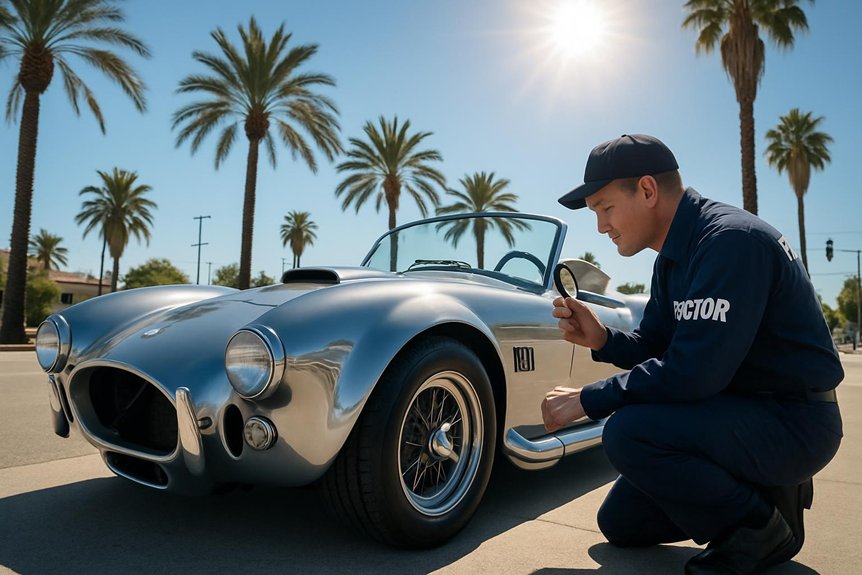
San Bernardino requires kit car owners to undergo VIN verification to comply with California DMV regulations. The process involves a physical inspection by an authorized verifier and completion of official forms, such as REG 31 and REG 5036. Owners must present proof of ownership, receipts for major components, and valid identification. Proper documentation and vehicle assembly are essential. Understanding specific requirements and careful preparation streamline compliance. Further details can help guide applicants through potential challenges and the step-by-step process.
Understanding VIN Verification Requirements for Kit Cars
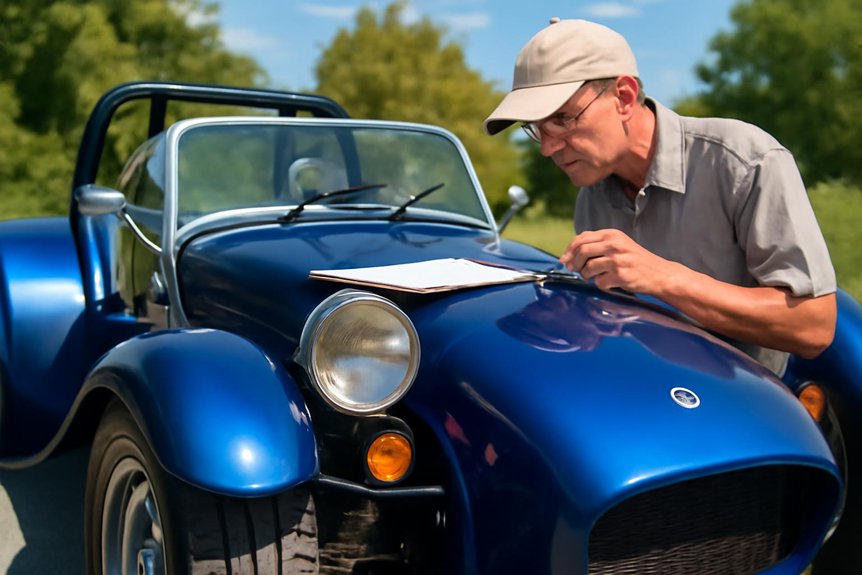
Although kit cars present unique registration challenges, understanding the VIN verification requirements in San Bernardino is essential for legal operation on public roads. Kit cars, being assembled from components rather than manufactured by a single automaker, often lack a standard factory-issued Vehicle Identification Number (VIN). San Bernardino authorities require that each kit car obtains a valid VIN, either by verifying an existing one or assigning a new state-issued VIN if necessary. The California Department of Motor Vehicles (DMV) mandates this verification to guarantee the vehicle’s identity, prevent theft, and confirm compliance with safety and emissions regulations. Owners must provide accurate documentation of parts, proof of ownership, and any previous records. Additionally, the verification process can be completed by various authorized entities, including DMV employees and private verifiers. Adherence to these requirements fosters a sense of legitimacy and inclusion within the kit car community.
The Step-by-Step VIN Verification Process in San Bernardino
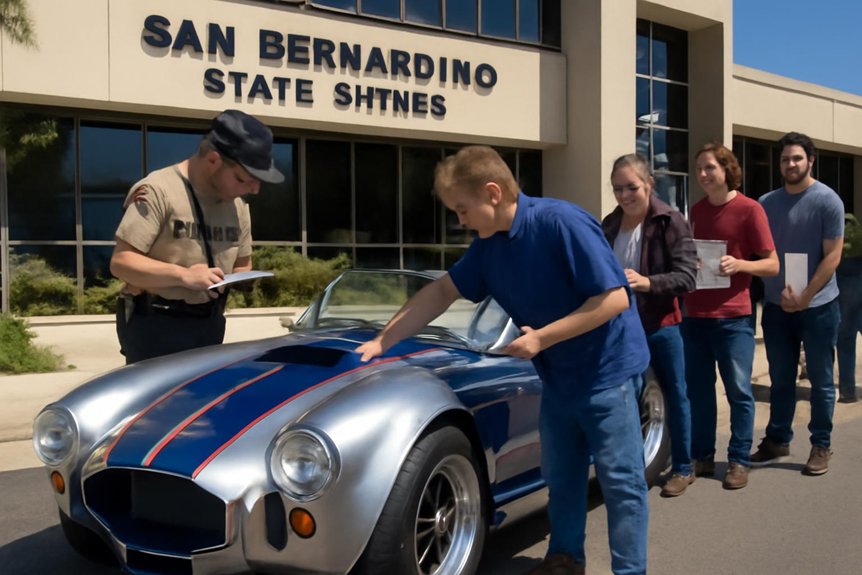
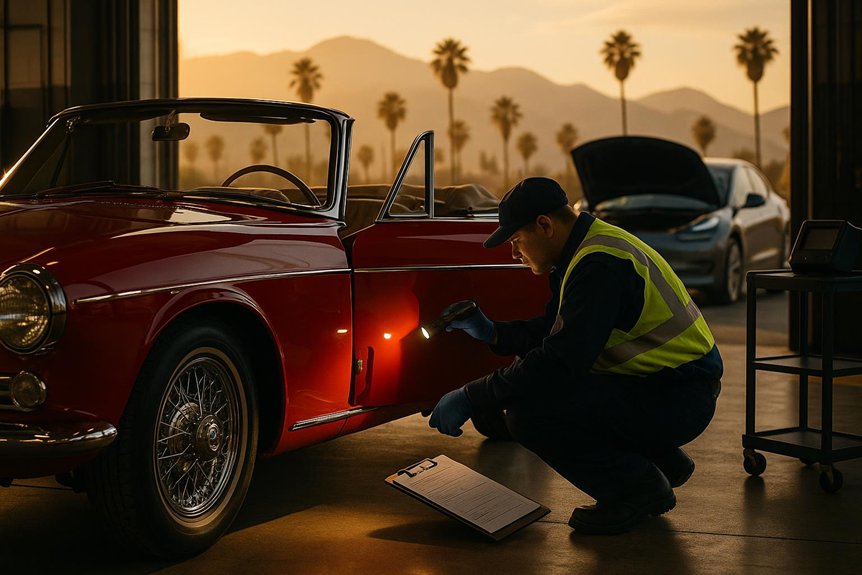
Before a kit car can be legally registered in San Bernardino, owners must complete a regulated VIN verification process overseen by the California Department of Motor Vehicles (DMV). The procedure begins with scheduling an appointment with an authorized VIN verifier—either a DMV inspector, law enforcement officer, or licensed vehicle verifier. The kit car must be physically present for inspection, as the verifier will confirm the absence of an existing VIN, check the frame, body, and engine numbers, and guarantee compliance with state identification requirements. The verifier records findings on the DMV’s official verification form. This rigorous, standardized process helps prevent fraud, establish a unique identity for the kit car, and guarantee community standards are upheld, fostering trust and inclusivity among San Bernardino’s automotive enthusiasts. Additionally, the verifier must ensure that all documentation aligns with the California Vehicle Code to maintain compliance throughout the verification process.
Documents and Information You’ll Need
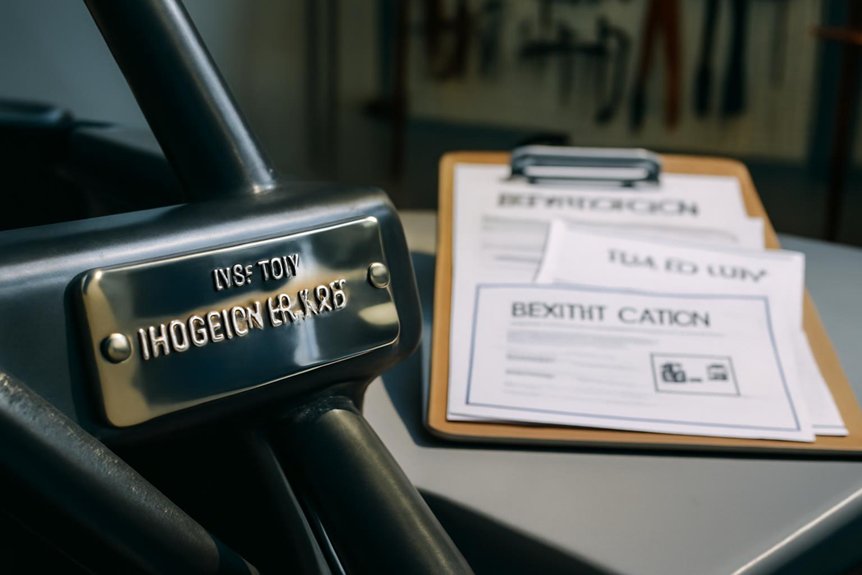
Following the completion of the physical VIN verification in San Bernardino, specific documentation and information must be presented to satisfy California DMV requirements. Applicants should prepare the completed Verification of Vehicle (REG 31) form, proof of kit car ownership such as a Manufacturer’s Certificate of Origin or invoices, and all receipts for major component parts. A valid government-issued identification and proof of address are also mandatory. If the vehicle was assembled from multiple sources, detailed parts lists and receipts substantiating lawful acquisition are required. Additionally, a Statement of Construction (REG 5036) should accompany the application, outlining assembly details. Emissions compliance documentation, if applicable, must be included. This thorough documentation guarantees transparency, regulatory adherence, and fosters a sense of confidence and inclusion within the San Bernardino kit car community. It’s important to ensure that all vehicles meet California compliance emissions labels to avoid registration issues.
Common Challenges and How to Overcome Them
Many applicants encounter procedural and regulatory obstacles during the San Bernardino VIN verification process for kit cars. One frequent challenge is the misalignment of documentation, such as discrepancies between component receipts and assembly statements. Regulatory ambiguity regarding kit classification—whether the vehicle qualifies as a “Specially Constructed Vehicle”—can also cause delays, as can incomplete or improperly formatted forms. Another common issue involves physical inspection difficulties, often due to inaccessibly placed VIN plates or unapproved stamping methods. Applicants may also face confusion regarding emissions compliance requirements, which differ based on model year and engine type. Overcoming these challenges requires rigorous attention to regulatory guidelines, methodical recordkeeping, and timely responses to requests for supplemental information. Fostering a collaborative approach with verification officials can further ease procedural complexities. Additionally, understanding the emission control system requirements is crucial for ensuring compliance with California regulations.
Tips for a Smooth VIN Inspection Experience
Although the San Bernardino VIN inspection process for kit cars is governed by clear regulatory standards, applicants can greatly streamline their experience by adhering to several best practices. First, confirm all required documents—such as proof of ownership, receipts for major components, and completed application forms—are organized and readily accessible. Arriving at the inspection site with the kit car fully assembled, clean, and free of loose parts facilitates efficient examination by inspectors. It is advisable to verify appointment details and inspection location in advance, reducing the likelihood of administrative delays. Applicants should review California’s specific kit car requirements to preempt compliance issues. Engaging respectfully with inspection personnel fosters a cooperative environment, reinforcing a sense of community among kit car enthusiasts while upholding regulatory expectations.
Frequently Asked Questions
How Much Does a VIN Verification Cost in San Bernardino?
The current question addresses the fee structure for VIN verification services. In San Bernardino, VIN verification typically costs between $0 and $50, depending on whether conducted by the DMV, law enforcement, or a licensed verifier. Appointment requirements may vary.
Can I Drive My Kit Car to the Inspection Location Without Plates?
Operating a vehicle without plates to an inspection location generally requires a temporary moving permit issued by the Department of Motor Vehicles. Individuals seeking compliance and community acceptance should obtain this permit before transporting an unregistered vehicle for inspection.
Is Mobile VIN Verification Available for Kit Cars?
Mobile VIN verification services for kit cars are available in some regions, subject to specific regulatory requirements. Applicants should confirm with local law enforcement or authorized inspectors regarding eligibility, documentation, and scheduling. Community forums often share current information and experiences.
How Long Is a VIN Verification Certificate Valid?
A VIN verification certificate is typically valid for 90 days from the date of issuance. Regulatory authorities require timely submission to guarantee vehicle information accuracy, fostering a community standard of compliance and shared commitment to procedural integrity.
Who Is Authorized to Perform VIN Verifications in San Bernardino?
The current question addresses authorized personnel for VIN verifications. In San Bernardino, certified California DMV employees, licensed Vehicle Verifiers, and law enforcement officers may perform VIN verifications, ensuring adherence to regulatory standards and fostering community trust in vehicle documentation.