DMV VIN Inspection Appointment Alternatives in San Bernardino
July 5, 2025
Where to Find Mobile VIN Verification in San Bernardino
July 5, 2025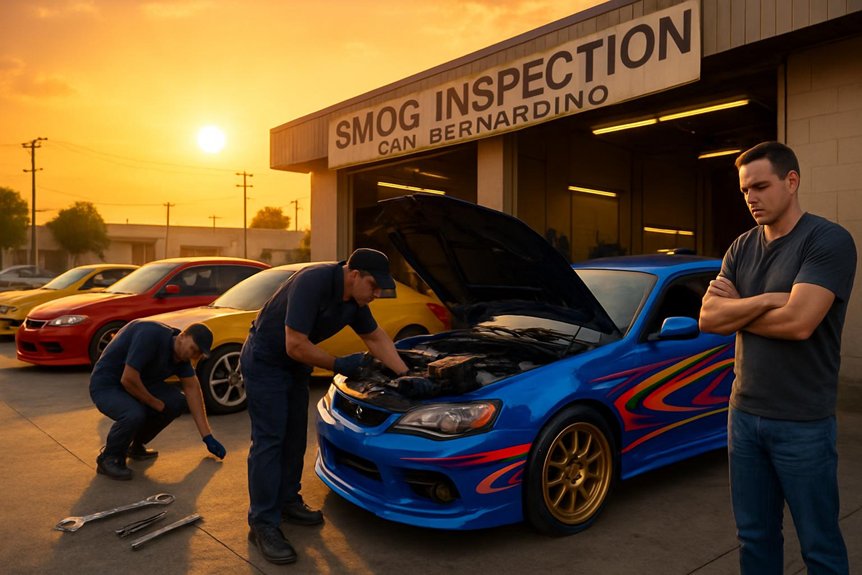
The inspection process for modified vehicles in San Bernardino requires owners to present registration, proof of ownership, photo ID, and documentation of any modifications. At a certified station, inspectors conduct visual assessments, emissions tests, noise measurements, and onboard diagnostics checks. Vehicles must comply with California Vehicle Code, including limitations on exhaust, lighting, and emissions. Non-compliance leads to failure, citations, or restoration requirements. Further details clarify common issues, preparation steps, and how to navigate inspections successfully.
Understanding San Bernardino’s Vehicle Modification Laws
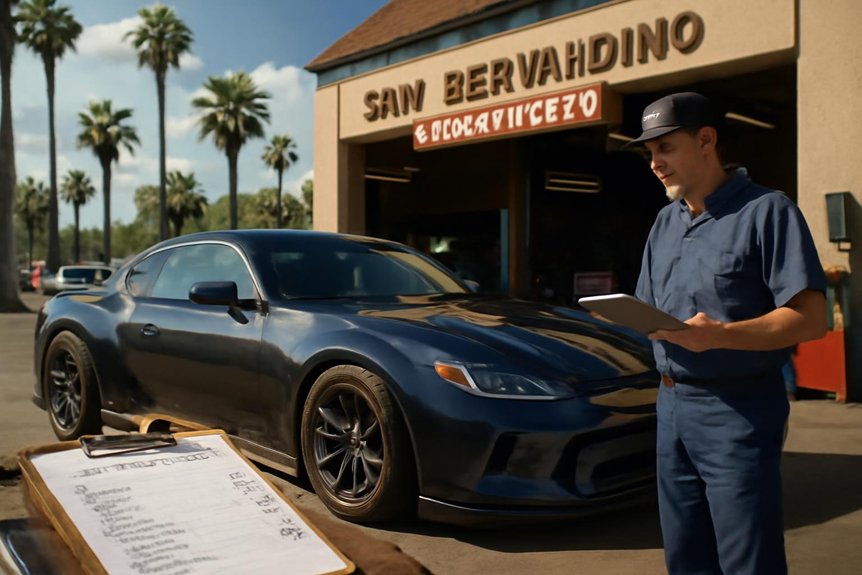
Although vehicle customization is popular among automotive enthusiasts, understanding San Bernardino’s vehicle modification laws is essential for ensuring compliance and avoiding penalties. Local regulations closely align with California Vehicle Code statutes, which govern modifications such as exhaust system alterations, suspension lifts or drops, lighting enhancements, and window tinting. The law mandates that any aftermarket modifications must not compromise safety standards or exceed established decibel, height, and emission limits. San Bernardino’s code enforcement officers routinely inspect for prohibited modifications—such as excessively loud mufflers, illegal lighting configurations, and unauthorized window tints. Failing to adhere to these standards can result in citations, fines, or mandatory restoration to factory specifications. Knowledge of these legal boundaries creates a sense of community responsibility and helps enthusiasts avoid costly setbacks during inspections. It is also important to note that vehicles must pass California emissions label requirements to be eligible for registration.
Required Documentation for Modified Vehicle Inspections
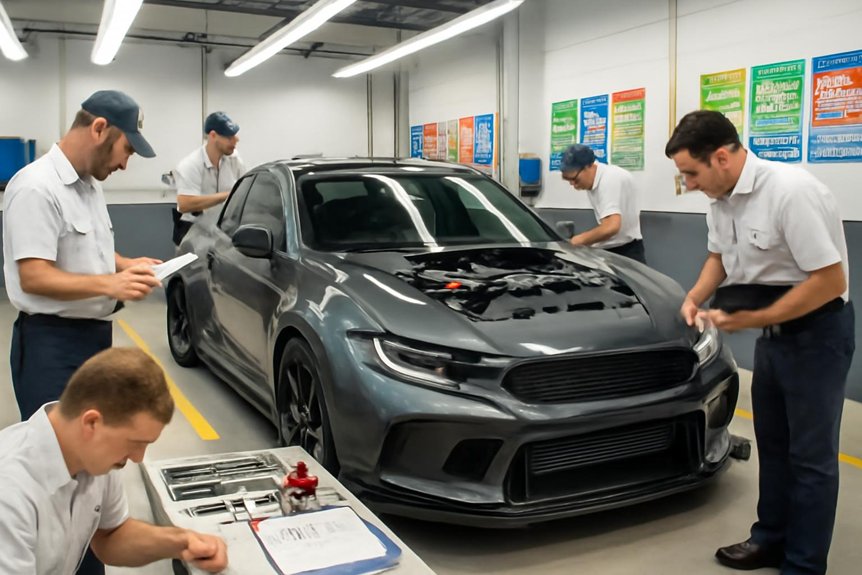
Prior to undergoing a modified vehicle inspection in San Bernardino, owners must gather specific documentation to verify both the legality and safety of their vehicle’s alterations. Essential documents include the current vehicle registration, proof of ownership (such as the title), and a government-issued photo ID. Additionally, all receipts or invoices detailing installed aftermarket parts, modifications, or custom work must be presented. Certification documents for emissions compliance and Federal Motor Vehicle Safety Standards (FMVSS), if applicable, are required. For modifications involving structural or safety systems, engineering certification or professional installation documentation may be necessary. Vehicle Identification Number (VIN) verification forms and any prior inspection reports should also be included. Having a complete, well-organized set of documents fosters a sense of preparedness and shared commitment to legal compliance within the enthusiast community. Furthermore, it is crucial to ensure that the VIN verification process is completed to avoid complications during registration.
Step-by-Step Guide to the Inspection Process
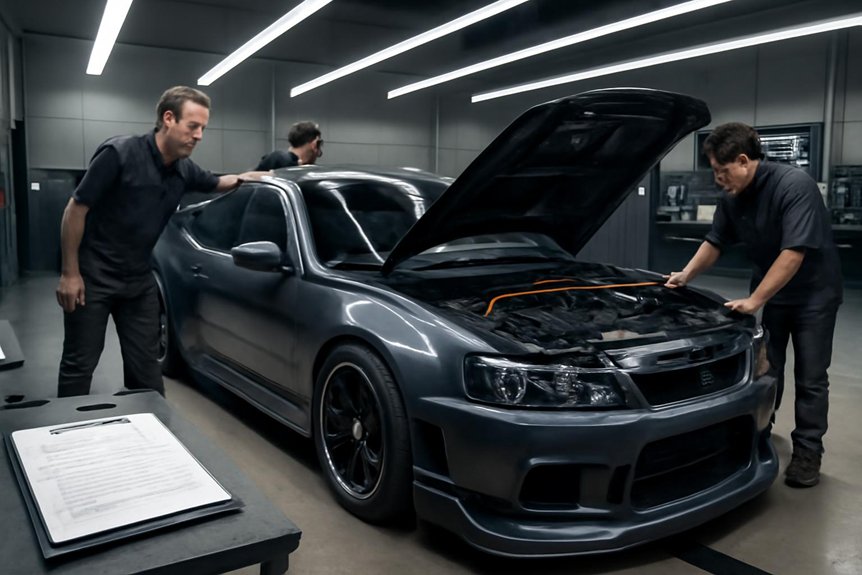
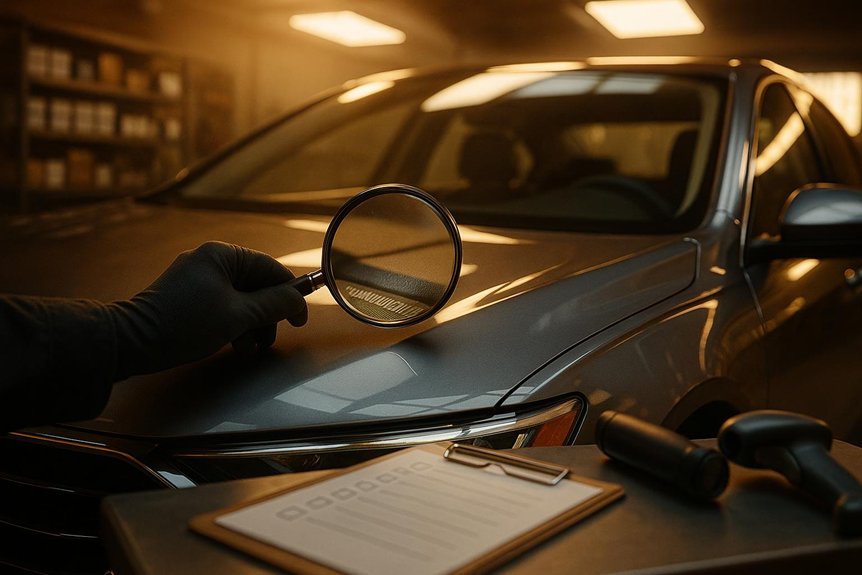
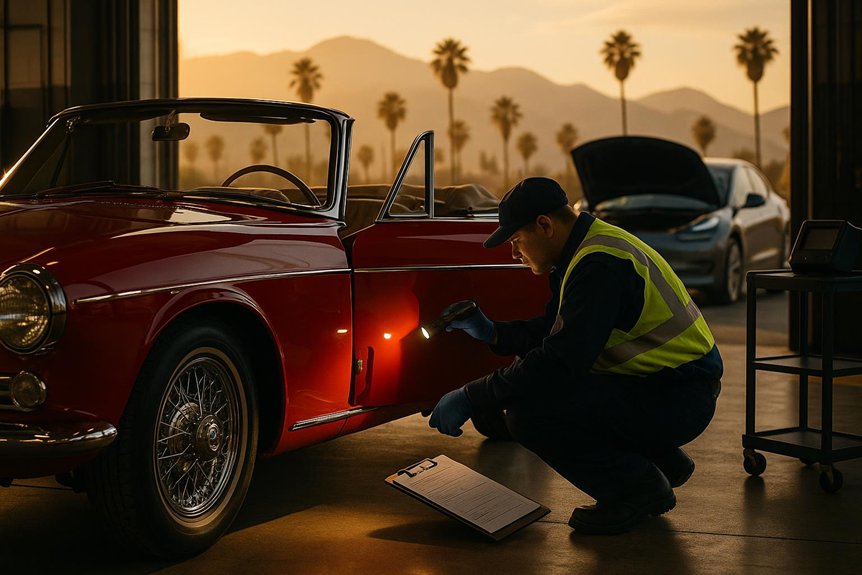
The inspection process for modified vehicles in San Bernardino unfolds through a sequence of defined stages, each designed to guarantee regulatory compliance and public safety. Upon arrival at a certified inspection station, vehicle owners present required documents for verification. An inspector conducts a visual examination, confirming that all modifications—such as aftermarket lighting, suspension changes, or emissions components—meet California Vehicle Code standards. Measurements and detailed checks follow, including brake system efficiency, exhaust noise levels, and emissions output. The inspector may access the onboard diagnostics (OBD) system to confirm compliance. Documentation is reviewed for accuracy and authenticity. If all criteria are satisfied, the inspector completes and signs the official inspection report. Successful completion provides eligibility for registration or continued road use within the San Bernardino community. Additionally, the inspector must ensure that the modifications comply with VIN verification to avoid potential legal issues.
Common Issues and How to Address Them
When undergoing inspections for modified vehicles in San Bernardino, several recurrent issues often lead to delays or rejections. Non-compliance with California Air Resources Board (CARB) requirements, such as lacking Executive Order (EO) numbers on aftermarket parts, frequently results in failure. Improper installation of emission control devices, tampered On-Board Diagnostics (OBD-II) systems, and missing or obscured Vehicle Identification Numbers (VIN) are also common. Lighting modifications that do not meet California Vehicle Code standards, such as non-DOT approved headlights or taillights, are regularly identified. Inspectors consistently flag suspension alterations that exceed legal height limits or lack supporting documentation. To address these concerns, applicants must verify parts certification, restore emissions equipment, and guarantee all documentation is present. Adhering to California emission standards fosters community trust and inspection success.
Tips for a Successful Inspection Experience
Although thorough preparation is essential, optimizing the vehicle inspection process in San Bernardino requires a systematic approach rooted in regulatory awareness and documentation readiness. Applicants should review the California Vehicle Code and local ordinances to guarantee all modifications comply with emissions, lighting, suspension, and safety standards. It is advisable to organize supporting documentation, including receipts for aftermarket parts, prior inspection reports, and certificates of compliance. Arriving early with a clean, accessible vehicle facilitates the inspector’s work and demonstrates respect for the process. Clear communication regarding each modification, coupled with a willingness to answer technical questions, fosters a collaborative atmosphere. By engaging proactively and adhering strictly to procedural requirements, motorists position themselves as conscientious members of the automotive community and enhance their likelihood of a seamless inspection outcome.
Frequently Asked Questions
How Long Does the Modified Vehicle Inspection Typically Take in San Bernardino?
The duration of a modified vehicle inspection varies, but typically ranges from 30 minutes to two hours. This timeframe depends on the extent of modifications, documentation readiness, and inspector workload, fostering an efficient, community-oriented regulatory experience for vehicle enthusiasts.
Are There Additional Fees for Re-Inspection if My Vehicle Fails the First Time?
The current question addresses whether re-inspection incurs additional charges after an initial failure. Typically, agencies implement a re-inspection fee structure, which varies by jurisdiction. Applicants are advised to confirm applicable fees with local authorities prior to scheduling subsequent inspections.
Can I Schedule an Inspection Online or Is It Walk-In Only?
The current question pertains to scheduling vehicle inspections. Individuals typically have the option to schedule appointments online via the official portal, though some facilities may still accept walk-in requests, subject to inspector availability and operational capacity constraints.
Is There an Appeal Process if My Modification Is Rejected?
The current question concerns the availability of an appeal process following modification rejection. Typically, applicants may submit a formal appeal or request a secondary review, adhering to established procedural guidelines and providing supplemental documentation to support compliance verification.
Do I Need Special Insurance to Drive My Modified Car to the Inspection Site?
The current question addresses whether special insurance is required for transporting a modified vehicle to an inspection site. Typically, standard liability insurance suffices, provided the policy accurately reflects all vehicle modifications, ensuring compliance and continuous coverage during transit.