Legal Requirements for VIN Verification in San Bernardino
July 5, 2025
Common VIN Verification Mistakes in San Bernardino
July 5, 2025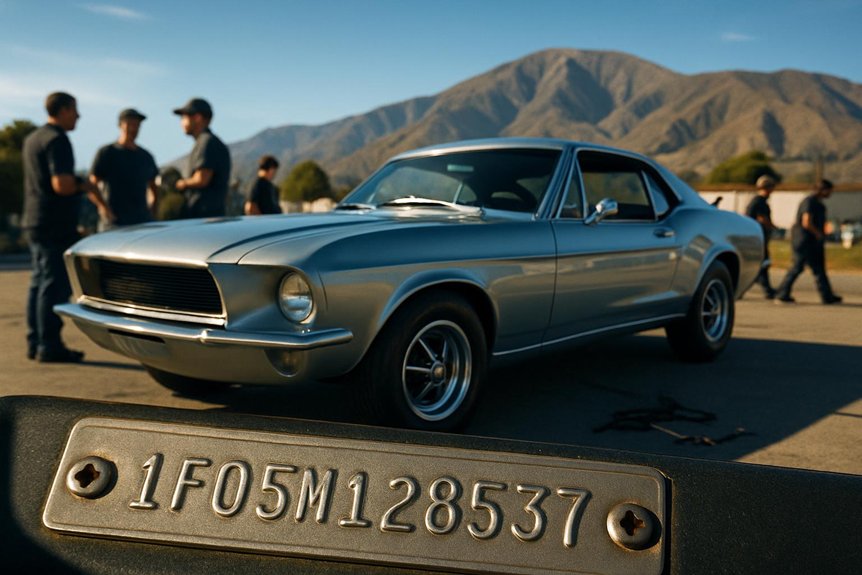
Rebuilt car VIN checks in San Bernardino involve verifying the vehicle’s 17-character identification number through official sources such as the California DMV or authorized databases like NMVTIS. This process uncovers the car’s title status, repair history, and potential structural or mechanical issues. Buyers should examine the VIN report for salvage branding, inconsistencies in odometer readings, and documentation of repairs. Confirming state inspection compliance is essential. Those seeking deeper insight will find guidance on thorough purchasing safeguards and risk factors ahead.
Understanding Rebuilt Titles and Their Implications
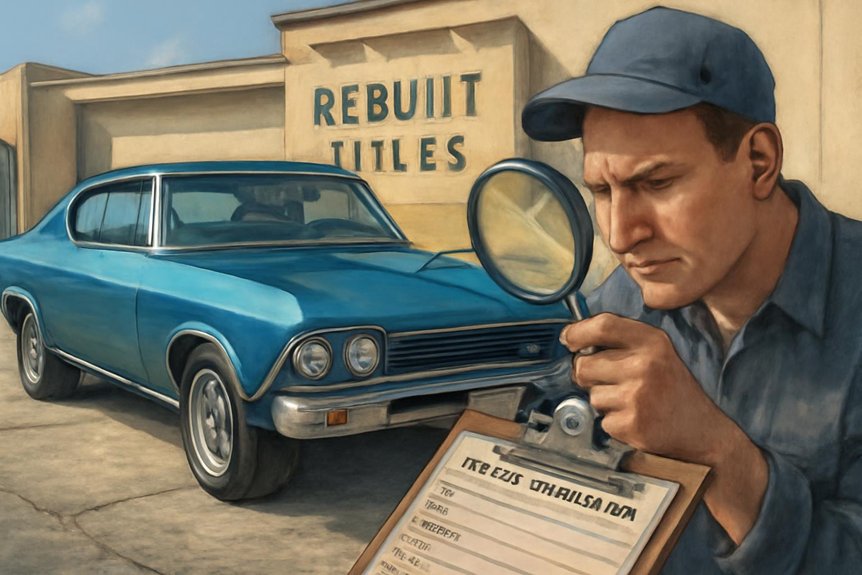
Although vehicle titles generally indicate ownership and legal status, a “rebuilt title” specifically designates a car that was previously declared a total loss by an insurance company due to damage, but has since undergone repairs and passed state-mandated inspections. In California, such vehicles must satisfy strict repair and documentation requirements before the Department of Motor Vehicles (DMV) issues a rebuilt title. The process involves submitting proof of repairs, receipts for parts, and the original salvage title. An authorized inspection, often by the California Highway Patrol, verifies that the vehicle meets safety and operational standards. Upon approval, a rebuilt title replaces the salvage designation, signaling legal eligibility for registration and road use. This documentation fosters transparency, equipping potential owners to make informed decisions and participate confidently in the vehicle market. Additionally, VIN verification is crucial for ensuring that rebuilt vehicles are safe and compliant with state regulations.
Common Risks of Purchasing Rebuilt Vehicles
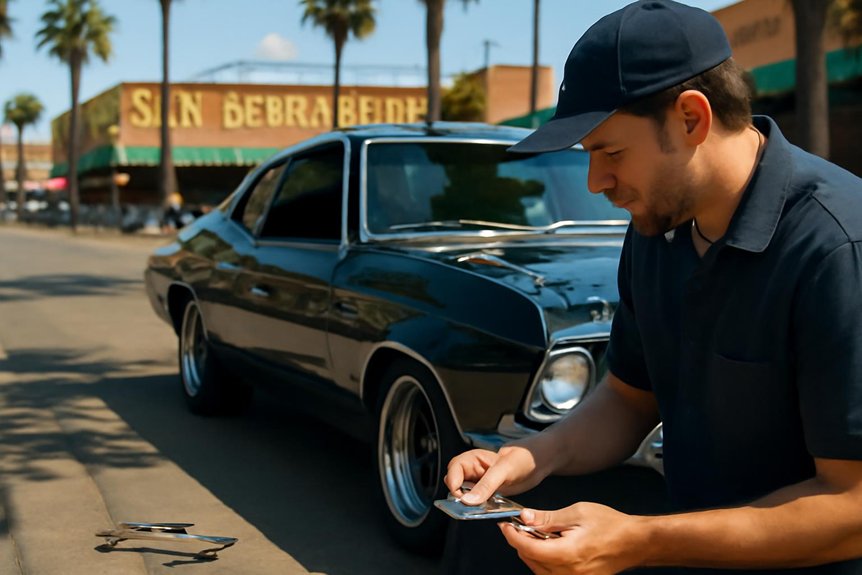
While a rebuilt title indicates that a vehicle has met legal requirements for safety and use, purchasing such vehicles carries distinct risks that warrant careful evaluation. Rebuilt vehicles have previously sustained significant damage, raising concerns about the quality and completeness of repairs. Structural integrity may be compromised if repairs were not performed to manufacturer specifications. Electrical and mechanical systems, although inspected, could develop latent issues over time. Insurance companies may limit coverage options or charge higher premiums due to perceived risk. Additionally, resale value is often diminished, as market perception associates rebuilt titles with uncertainty. Prospective buyers should consider the possibility of undisclosed prior damage or substandard reconstruction. Engaging in a thorough assessment of these factors allows buyers to make decisions that align with their values and community standards. Furthermore, verifying the VIN verification process can help ensure that the vehicle’s history is accurately represented and compliant with state regulations.
How to Perform a VIN Check in San Bernardino
A thorough VIN check is essential for prospective buyers evaluating rebuilt vehicles in San Bernardino. The process begins by locating the 17-character Vehicle Identification Number, typically found on the dashboard near the windshield or inside the driver’s door jamb. Once identified, buyers can utilize authorized online databases, such as the National Motor Vehicle Title Information System (NMVTIS) or the California Department of Motor Vehicles (DMV) portal, to input the VIN. These platforms provide official vehicle history data. Additionally, many local law enforcement agencies in San Bernardino offer VIN verification services, supporting the community’s commitment to transparent transactions. By adhering to these procedural steps, individuals join a network of informed buyers, ensuring that every rebuilt vehicle purchase is grounded in verified, reliable information specific to the region. It’s important to note that California compliance emissions labels are critical for registration and should be verified during the VIN check process.
What to Look for in a VIN Report
Once a VIN check is completed through reputable sources, close examination of the resulting report is necessary to assess a rebuilt vehicle’s integrity. The report should be scrutinized for previous salvage or total loss designations, structural or frame damage, and airbag deployment incidents. Odometer readings must be checked for consistency to rule out tampering. Title history, including any branding as “rebuilt” or “salvage,” is essential for understanding the vehicle’s past status. Confirming the number of prior owners and verifying service or maintenance records help build confidence in the vehicle’s upkeep. Additionally, attention should be given to records of theft, liens, or flood damage. Evaluating these data points guarantees a thorough understanding and fosters informed, community-minded decision-making. Furthermore, ensuring that the vehicle meets California emission standards is crucial for compliance and safety.
Tips for Buying Rebuilt Cars Safely
Before finalizing the purchase of a rebuilt car, prospective buyers should implement a systematic approach to mitigate risk and guarantee transparency. Begin by verifying the car’s rebuilt status through a thorough VIN check, making sure all disclosures match official records. Request detailed documentation of repairs, including parts replaced and the credentials of technicians involved. Engage a certified mechanic to conduct an independent inspection, focusing on structural integrity and safety features. Confirm that the vehicle has passed all required state inspections for salvage-to-rebuilt conversion in San Bernardino. Validate the legitimacy of the title and verify it is branded as “rebuilt” or “salvage rebuilt.” Finally, evaluate insurance options, as some providers have restrictions for rebuilt vehicles. This process cultivates confidence and community within informed buyer circles.
Frequently Asked Questions
Are Rebuilt Cars Eligible for Auto Insurance in California?
Eligibility for auto insurance in California extends to rebuilt vehicles, provided they pass state-mandated inspections and obtain a rebuilt title. Insurers may require detailed documentation and may impose specific coverage limitations or higher premiums based on risk assessments.
Can I Finance a Rebuilt Title Vehicle in San Bernardino?
Financing a rebuilt title vehicle in San Bernardino is possible, though often subject to stricter lender requirements. Borrowers may encounter higher interest rates, larger down payments, and limited lender options, emphasizing the importance of community-based financial guidance.
How Does a Rebuilt Title Affect Car Resale Value?
A rebuilt title typically reduces a vehicle’s resale value due to perceived risks and limited buyer interest. Prospective purchasers often require thorough repair documentation and third-party inspections, leading to lower market demand and decreased transaction prices overall.
Do Rebuilt Cars Require Special Inspections for Registration?
Special inspections are typically required for rebuilt vehicles before state registration approval. This process verifies roadworthiness, proper repairs, and compliance with safety standards, fostering trust and belonging among responsible vehicle owners who prioritize community safety and regulatory integrity.
Are There Local San Bernardino Dealers Specializing in Rebuilt Vehicles?
In response to the current question, certain automotive dealerships focus on rebuilt vehicles, often advertising expertise in salvage reconstruction and compliance. Interested buyers find reassurance in dealer familiarity with inspection protocols, documentation, and ongoing support within such specialized local networks.