
Motorcycle VIN Verification: Different Rules, Same Day Service
October 18, 2025
Classic Car VIN Verification: Pre-1981 Vehicles and Missing VINs
October 18, 2025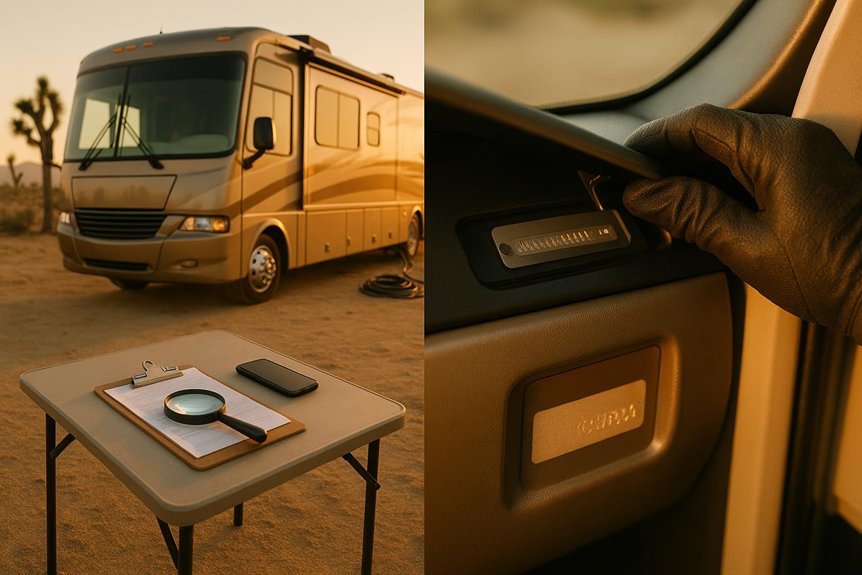
You need VIN verification to match your RV’s paperwork to the metal and avoid registration, inspection, and insurance headaches. Use DMV/tag offices, law enforcement, licensed VIN verifiers, mobile notaries, or AAA (CA). Bring ID, title/bill of sale, registration, insurance, lien release, and make the VIN plate clean and accessible. Motorhomes may require chassis and engine VINs; trailers need the frame tag. Rules vary by state, especially CA, FL, and TX. Get timing tips, mobile options, and pitfalls to avoid next.
Why VIN Verification Matters for RVers on the Move
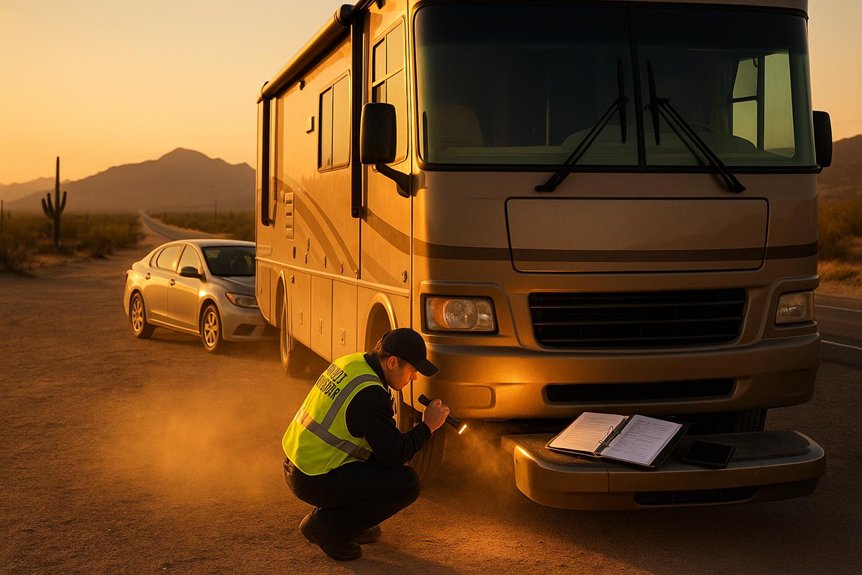
Whether you’re crossing state lines or selling your rig, VIN verification keeps your RV life smooth and legal. It confirms your coach’s identity, matches paperwork to metal, and helps you avoid surprises at registration, inspections, and insurance. You show up prepared, part of a community that plays by the rules and keeps the road open for everyone.
Verification protects you from title headaches, theft risks, and mismatched records that stall travel plans. It also smooths private sales, trade-ins, and out‑of‑state moves. By verifying early, you prevent fines, delays, and denied plates. You safeguard your investment, respect fellow travelers, and keep your journey rolling. California’s verification process identifies discrepancies in VIN records across databases and acts as a protective measure against illegal activities.
Who Can Verify Your VIN and Where to Find Them
Before you book an appointment, know who’s authorized to check your coach’s identity. Most states allow verification by DMV or tag office inspectors, law enforcement officers, licensed VIN verifiers, or certified mobile notaries with verification authority. Some states also accept inspections from CHP/State Patrol or licensed dealerships.
You’ll find help at DMV field offices, county tax collector or assessor agencies, motor vehicle inspection stations, and participating police departments. Many RVers lean on mobile verifiers who come to your site—campgrounds, storage lots, or boondocking spots. Ask local RV groups, full-timer forums, and park hosts for trusted pros who understand rig layouts and access. In California, AAA members can also obtain VIN verification services as part of their membership benefits, though AAA does not offer mobile options.
Documents and Prep Checklist for a Smooth Inspection
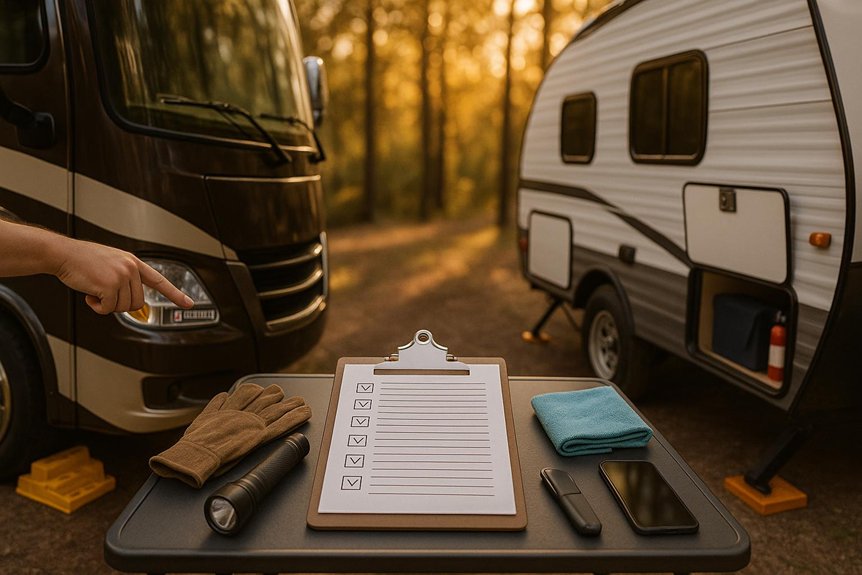
Even a quick VIN check goes faster when you show up organized. Bring your driver’s license, current registration (or temp tag), proof of insurance, title or bill of sale, and any lien release. Print the VIN verification form your verifier prefers.
Have your RV’s VIN plate clean and visible—dash, door jamb, frame, and trailer tongue. Pack a flashlight, microfiber cloth, tape measure, and phone photos of VIN locations. Park level, open compartments, and open slides if needed for access. Secure pets.
Arrive with exact payment, appointment confirmation, and a pen. Jot odometer and plate number. Most services offer convenient verification locations to accommodate RVs of all sizes. You’ll feel prepared—and part of the road family.
State-by-State Differences and Rules by RV Type
Rules for VIN verification change dramatically by state and by RV type—motorhome, travel trailer, fifth-wheel, or converted bus. You’ll see different forms, fees, and who’s allowed to inspect: DMV clerks, law enforcement, licensed verifiers, or certified inspectors.
Some states require in-person checks; others accept mobile or notarized verification. Motorhomes often need engine and chassis VINs; trailers may only need the frame tag. Self-converted buses can trigger rebuilt or homebuilt rules, proof of origin, and weight certification.
States like California, Florida, and Texas set distinct procedures and emissions tie-ins. Always confirm residency rules, inspection locations, and whether out-of-state verifications count.
Tips for Full-Timers: Timing, Mobility, and Avoiding Common Pitfalls
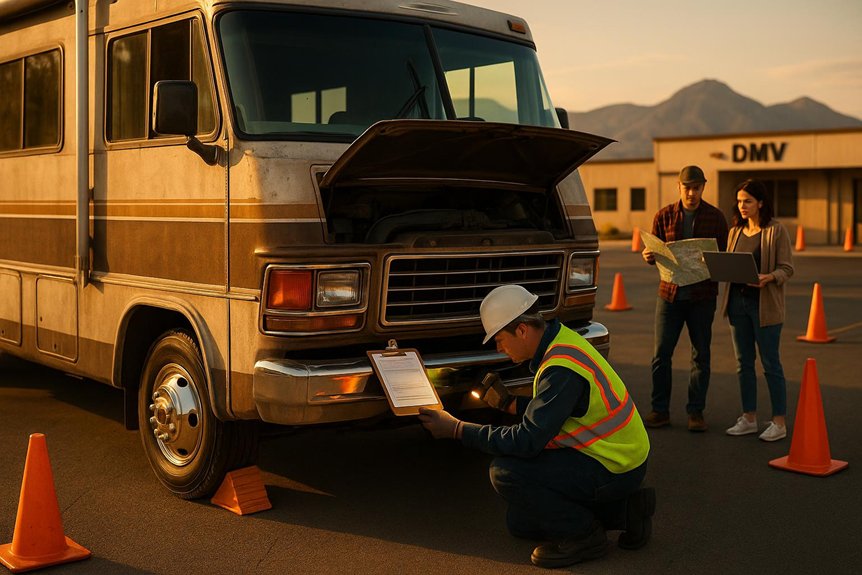
While you’re living on the road, plan VIN verification like a route stop, not an afterthought. Check your domicile state’s rules, then map nearby verification options—DMV, law enforcement, or licensed verifiers—along your travel path. Book ahead during peak seasons. Keep documents handy: title, registration, ID, bill of sale, and any conversion receipts.
Arrive with the VIN clean and readable—dash, door jamb, frame. Verify the numbers match your paperwork before the visit. If you tow, guarantee the trailer’s VIN is accessible. Build buffer days for reschedules. Avoid expired temp tags. Screenshot confirmations. Log verified locations so fellow full-timers can follow your track.
Frequently Asked Questions
How Do I Verify a VIN on a VINtage or Rebuilt Motorhome?
Check the dash, door jamb, and frame for stamped VIN plates; compare them to the title. Photograph tags, engine/chassis numbers, and modifications. Run a NICB/Carfax, consult the chassis maker, then schedule state-certified VIN verification to feel confident.
What if the VIN Plate Is Damaged, Missing, or Unreadable?
You contact DMV or state police, request an official VIN inspection, and gather ownership proofs. You check hidden stamp locations, frame rails, and engine bay. If needed, you apply for a state-assigned VIN. Don’t worry—you’re not alone.
Can Aftermarket Modifications Change or Obscure the Original VIN Location?
Yes—mods can cover or relocate VIN visibility. When adding skirting, custom dashes, wraps, or welded gear, you might hide stamped spots. Check chassis plates, door jambs, frame rails. Photograph before/after, keep receipts, and tell inspectors proactively.
How Do VIN Checks Differ for Imported or Canadian-Registered RVS?
They differ because you’ll face federal import rules, RIV/CBSA paperwork, and VIN format validation. You’ll verify compliance labels, recall clearance, and weight ratings. You’ll schedule inspections, pay fees, and guarantee VIN plates match titles before registration.
Are Digital or Mobile VIN Verification Services Legally Acceptable?
Yes, but only where state or provincial rules allow remote inspection. You’ll confirm identity, VIN photos, and geolocation. Check your DMV or licensing authority. When allowed, you’ll save travel, schedule faster, and feel supported by verified mobile inspectors.