VIN Etching: Theft Prevention and Verification
October 18, 2025
VIN Verification Database: How California Tracks Inspections
October 18, 2025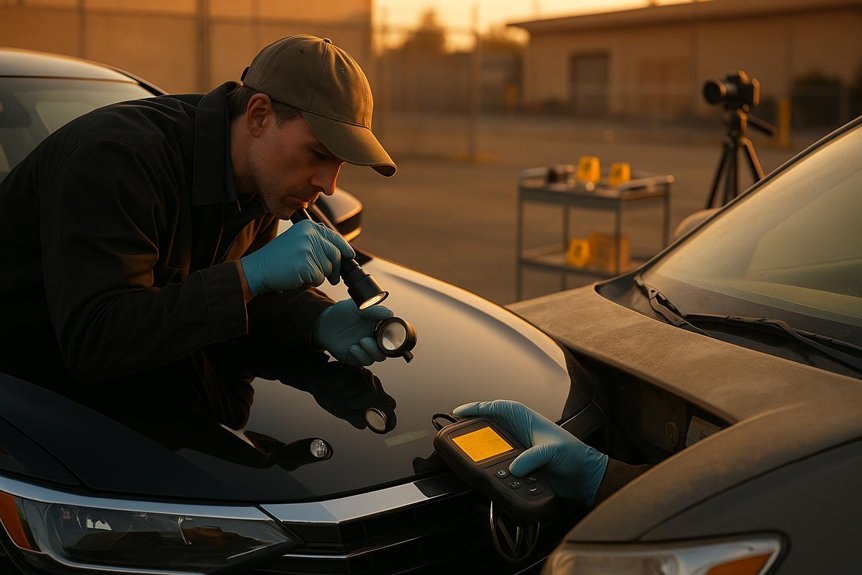
To spot a cloned VIN, check multiple VIN locations (dash, door jamb, firewall) for mismatched fonts, crooked plates, fresh stickers, or tamper marks. Verify history in NMVTIS, Carfax/AutoCheck, NHTSA’s decoder, and NICB VINCheck. Watch for title jumps, odd mileage, incompatible options, and sellers rushing cash-only deals. Scan modules with an OBD-II reader and confirm service records. If suspicious, document everything and contact DMV, police, and your insurer. Keep going for tools and steps that keep you protected.
How VIN Cloning Works and Why It’s Rising
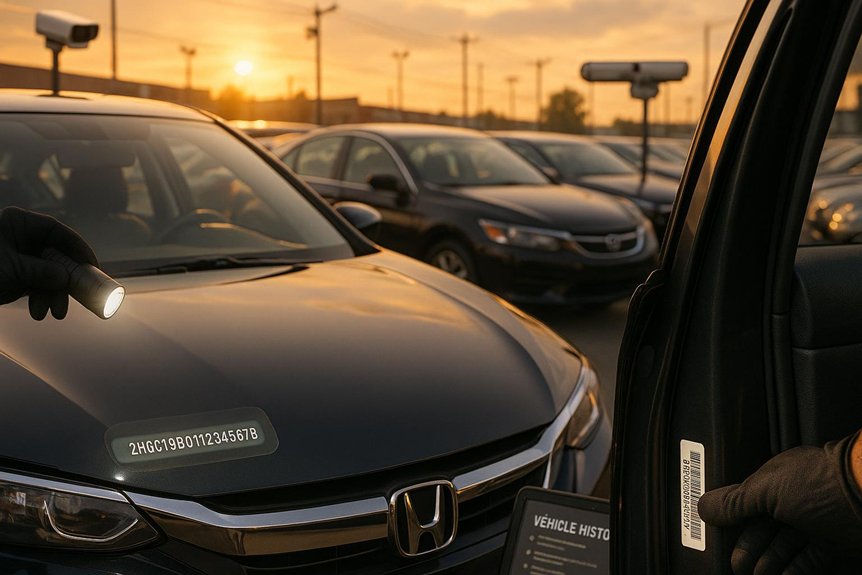
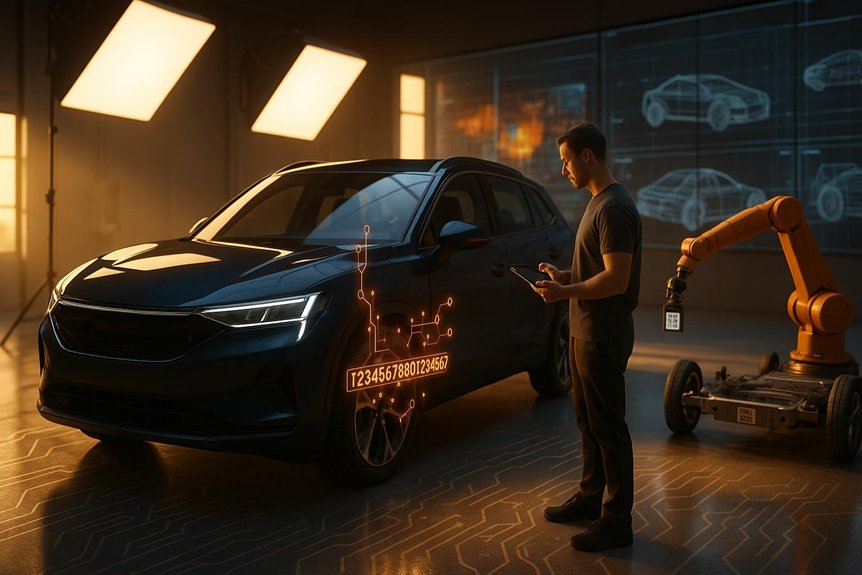
Although it sounds like a niche crime, VIN cloning is straightforward: thieves copy a legitimate Vehicle Identification Number from a similar make and model and transplant it onto a stolen or salvaged car to mask its identity.
They pull data from public listings, parking lots, or auctions, then replicate labels, plates, and documents so the vehicle blends into everyday traffic and resale channels.
You’re targeted because cloned cars move fast through private sales and cross-state registrations.
The rise comes from online marketplaces, fragmented record systems, and cheap printing tech.
Organized crews scale operations, while buyers seeking deals unintentionally fuel demand.
California VIN verification serves as a protective measure against these illegal activities by confirming the vehicle identification number matches the title and identifying discrepancies across databases.
Warning Signs a Vehicle’s Identity Is Fake
Even a polished listing can hide a fake identity, so train your eye for mismatches and shortcuts. You’re not alone—smart buyers spot patterns together.
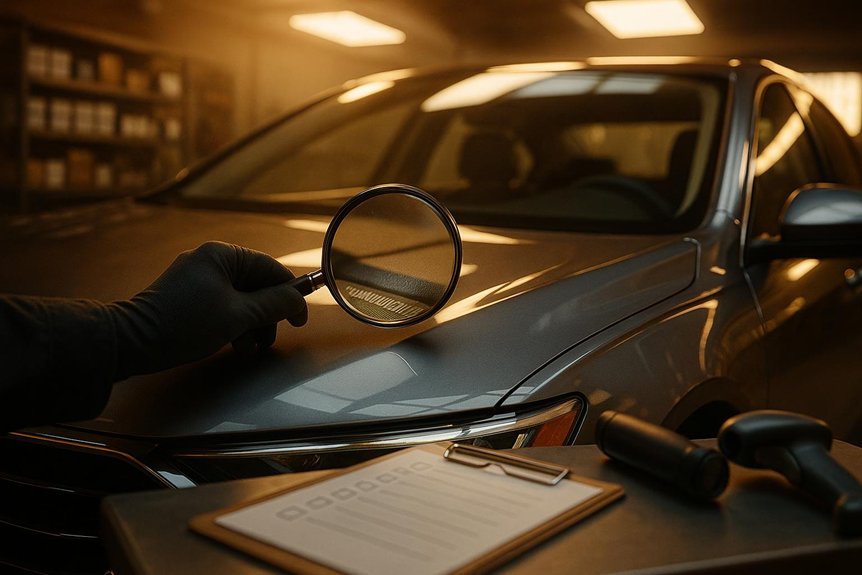
Compare the VIN on the dash, door jamb, and under the hood; inconsistent fonts, crooked plates, or tamper marks signal trouble. Check paint overspray around VIN plates or stickers that look freshly replaced.
Watch for title histories that jump states or show odd mileage changes. Be wary of sellers rushing you, refusing in-person inspections, or pushing cash-only deals.
Plates that don’t match registration, missing service records, and incompatible options for the trim level also betray cloning. A professional VIN verification can confirm the vehicle’s existence and ensure the identification number matches the title, protecting you against theft and fraud.
Essential Tools and Databases for Verification
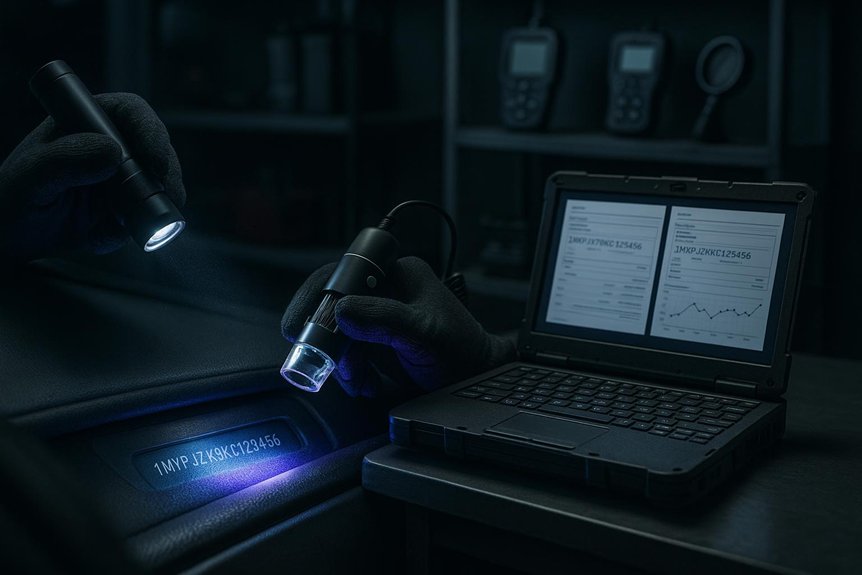
Before you commit to a car, arm yourself with tools that expose cloned VINs fast. You’re part of a community that protects each other by checking trusted sources.
Start with the National Motor Vehicle Title Information System (NMVTIS) and your state DMV records. Pull an exhaustive report from Carfax or AutoCheck.
Cross-check recalls and build data on NHTSA’s VIN decoder. Verify theft status with NICB’s VINCheck. Compare odometer logs via maintenance portals and dealership service histories.
Use manufacturer owner portals to confirm factory specs. Keep screenshots and report IDs. When you verify together, scammers lose power—and you keep your money safe. Professional VIN verification services utilize comprehensive databases and state-of-the-art technology to quickly detect cloned or fraudulent vehicle identification numbers.
Step-by-Step Checks Before You Buy
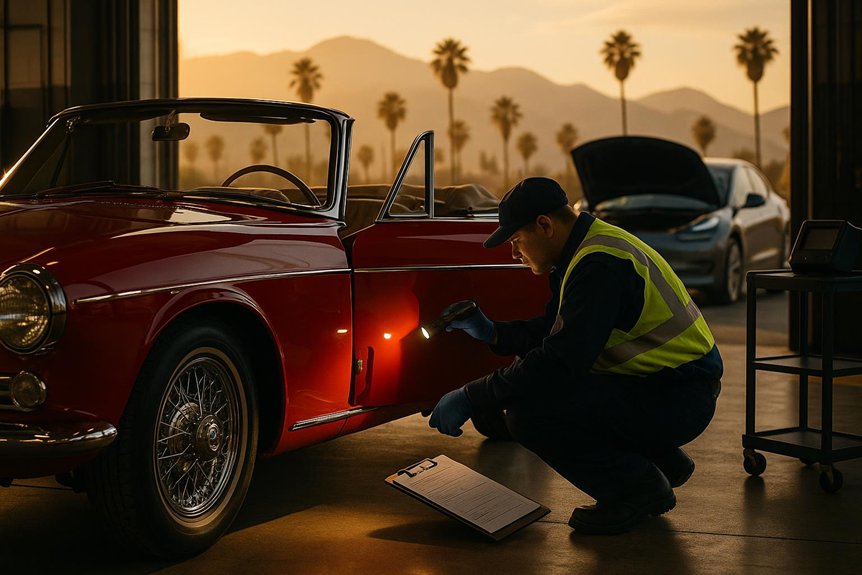
You’ve gathered reports and screenshots; now put them to work with a clear, street-level check. Meet the seller in daylight. Walk the car together. Match the VIN on the dash, door jamb, firewall, and under the windshield; confirm plate fonts, rivets, and alignment.
Compare mileage, trim, and options to the reports and stickers. Inspect service records and tire dates for timeline gaps. Test lights, sensors, and key fobs. Scan with an OBD-II reader and confirm no mismatched VIN in modules.
Verify title, seller ID, and address details. Take photos of all identifiers. If anything’s off, trust your gut and step away.
What to Do If You Suspect a Cloned VIN
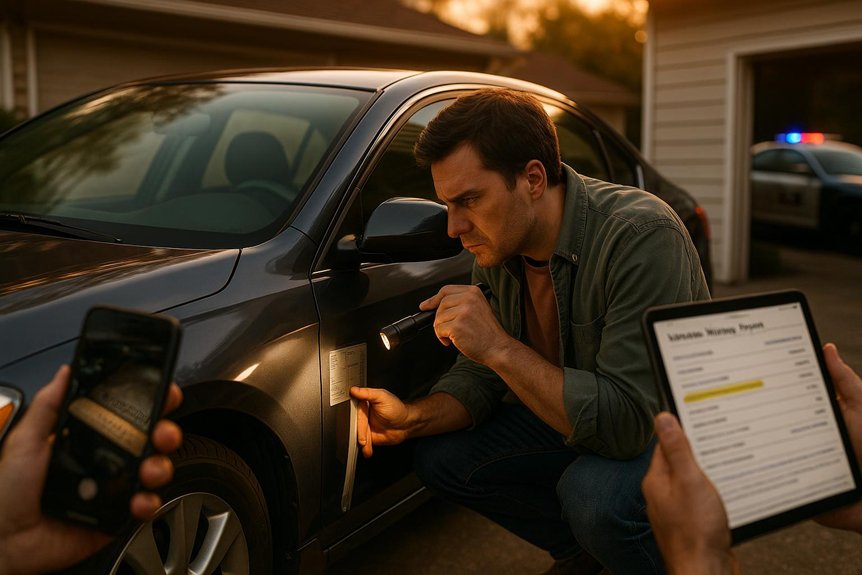
If something doesn’t add up, pause the deal and document everything. Take clear photos of the VIN plates, stickers, title, odometer, and seller info. Save texts, emails, and listings. Trust your gut—you’re not alone in this.
Verify the VIN with your DMV, NICB, and your insurer. Ask a trusted mechanic to inspect hidden VIN locations. Contact the police non-emergency line to report suspected cloning; share your evidence. Don’t hand over cash or sign paperwork until authorities respond.
If you already bought, stop driving, call your insurer, and notify the DMV. Seek a refund in writing. Share your experience to protect others.
Frequently Asked Questions
How Does VIN Cloning Impact Car Insurance Premiums and Coverage?
It raises premiums, triggers claim delays, and can void coverage if fraud’s suspected. You’ll face investigations, higher risk ratings, and potential denials. Act fast: document everything, alert your insurer and DMV, and lean on community resources to restore trust.
Can Cloned VINS Affect Vehicle Recalls or Safety Notices?
Yes, cloned VINs can misdirect recalls and safety notices. You might miss critical fixes or get alerts for someone else’s car. Protect your community: verify your VIN with manufacturers, dealers, and Carfax; report discrepancies promptly.
What Legal Penalties Exist for Buyers Unknowingly Purchasing Cloned Vehicles?
You usually won’t face criminal charges if you truly didn’t know, but you may lose the car, title, and money. Act fast: file a police report, contact DMV, notify your insurer, and seek legal help.
How Do Rental or Fleet Vehicles Complicate VIN Cloning Investigations?
They add layers of shared use, frequent ownership changes, and duplicate keys, so you face muddy paper trails and overlapping service records. You’ll need community tips, telematics data, and coordinated agency cooperation to confidently separate legitimate histories from cloned identities.
Are Electric Vehicles More or Less Vulnerable to VIN Cloning?
They’re generally less vulnerable, but not immune. You benefit from tighter manufacturer controls, telematics, and over-the-air logs. Still, plate swaps and forged documents happen. Stay united: verify VIN plates, match digital records, and use trusted marketplaces and service histories.