
Divorce Settlement Vehicles: VIN Verification and Title Transfer
October 18, 2025
Buying From Carvana: VIN Verification Requirements
October 18, 2025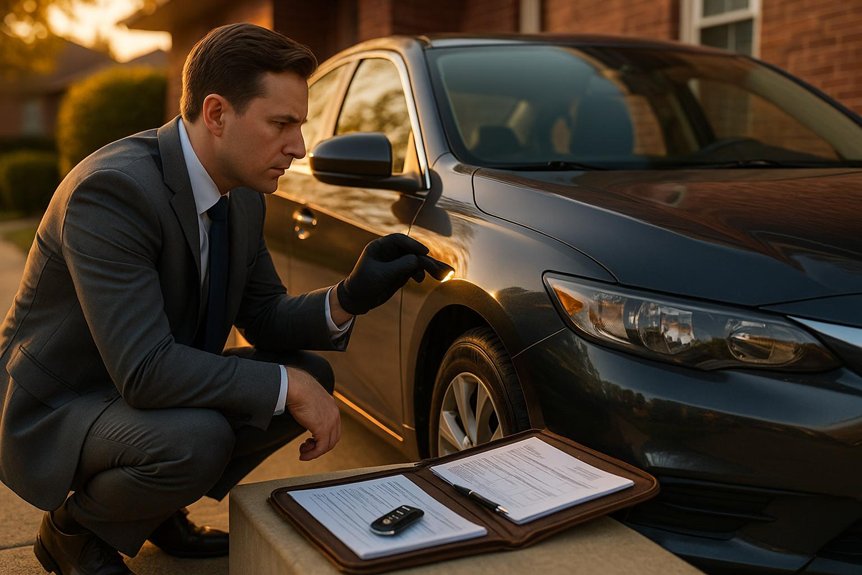
When transferring a company car to personal ownership, you’ll likely need a VIN verification to confirm the car’s identity and sync records for title, registration, insurance, recalls, liens, and theft checks. Most states require it for out-of-state titles, unclear histories, or branded/salvage situations; new cars with an MCO or recent in-state purchases may be exempt. Use authorized verifiers (DMV, law enforcement, certified inspectors), bring ID, title, bill of sale, odometer, insurance, and lien release. Here’s how to avoid delays.
Why VIN Verification Matters in Company-to-Personal Transfers

Even before you sign the title to move a vehicle from your company to your personal name, verifying the VIN protects you from costly mistakes. You confirm the car’s true identity, align records, and keep your community of stakeholders—HR, accounting, and family—on the same page. A clean VIN ties service history, recalls, liens, and theft reports to the right car.
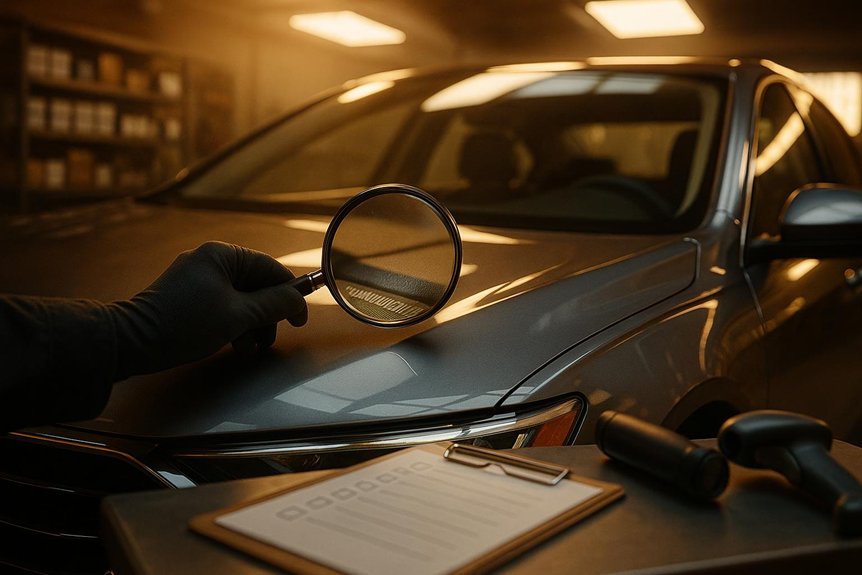
You avoid mismatched paperwork that delays registration, insurance hiccups, and disputes over ownership. You also safeguard resale value by proving continuity from fleet to personal use. The physical inspection documents the vehicle’s VIN, model, type, make, mileage, year, and GVWR on a REG31 form that confirms the accuracy of your ownership records. By checking the VIN early, you show care for your circle and make the transfer smooth, transparent, and trusted.
When States Require VIN Verification and Common Exceptions
While rules vary, most states require VIN verification when a vehicle changes jurisdictions, has an out-of-state or foreign title, or lacks a clear paper trail. You’ll also see checks when records show salvage, reconstructed, or bonded titles, or when the VIN plate looks tampered with. If your company car’s history crosses state lines, expect a verification.
Common exceptions exist. Many states waive inspections for new vehicles with Manufacturer’s Certificates of Origin, recent in-state purchases with clean titles, or renewals without ownership changes. Some waive it for active-duty military posted in-state. Classic vehicles may follow special rules. The verification process confirms vehicle existence and ensures the VIN matches with title to prevent theft and fraud. Always confirm your DMV’s current thresholds and documentation.
Who Can Perform the Verification and How to Choose
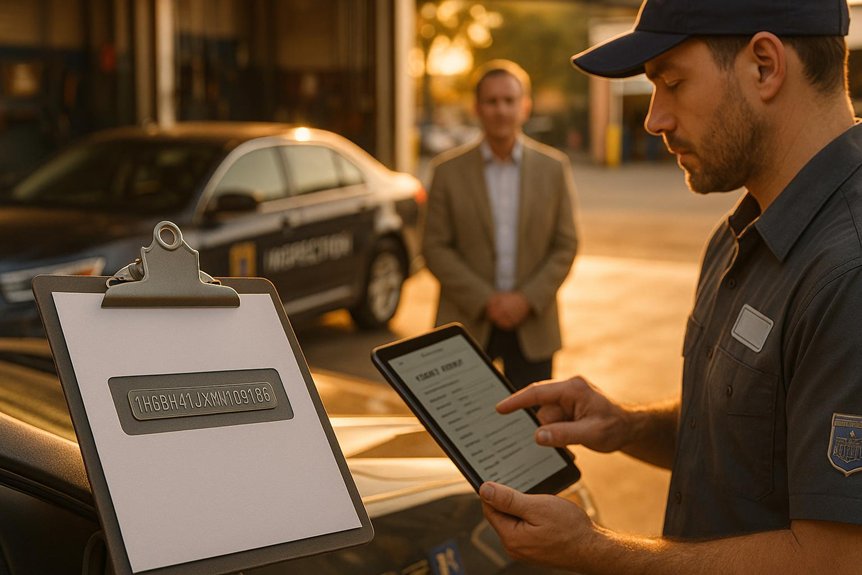
So who’s actually allowed to check a VIN? In most states, certified inspectors, law enforcement officers, DMV or tag agency staff, licensed dealers, and approved mobile verifiers can perform it. Some states also allow notaries with special authorization. You’ll want someone recognized by your state and familiar with company-to-personal transfers.
To choose, confirm state authorization, ask about fees, mobile availability, and scheduling, and read recent reviews. Prioritize verifiers who explain requirements clearly and communicate timelines. If your workplace has fleet contacts, ask for a referral. Prefer neutral third parties over sellers. When in doubt, call your DMV to validate eligibility and avoid setbacks. The verification ensures that the vehicle identification number matches the title, which helps in preventing theft and fraud.
Step-by-Step Process and Documents You’ll Need
Clarity matters when you schedule a VIN verification, gather the right paperwork, and meet the verifier. You’re moving a company car into personal use, so set an appointment and bring the vehicle—clean, accessible, and parked safely.
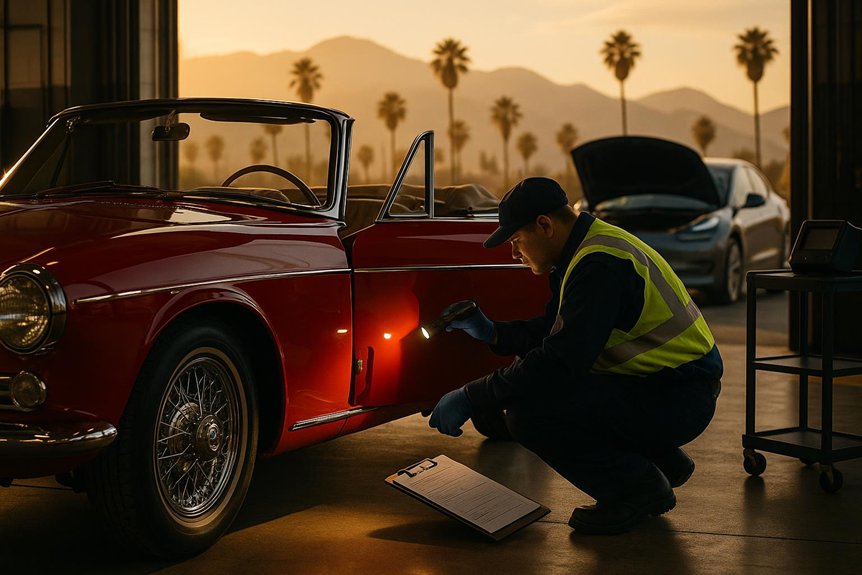
Bring these documents: government ID; current registration; company title or ownership letter on letterhead; bill of sale or assignment; odometer reading; insurance proof; completed VIN verification form (if your state requires it); any import or emissions compliance records; and a power of attorney if someone attends for the company. Meet the verifier, open doors and hood, show VIN plates and stickers, confirm mileage, and sign where instructed. You’re done.
Tips to Avoid Delays, Liens, and Title Issues
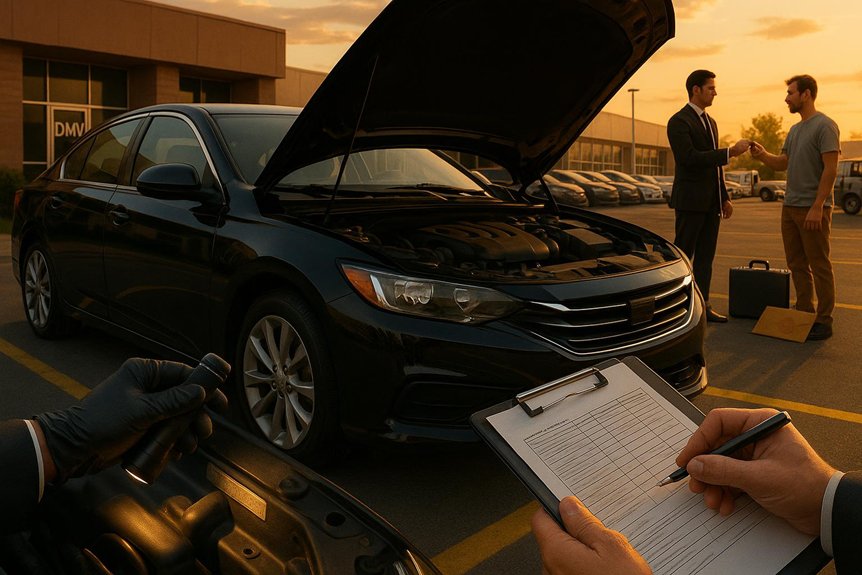
You’ve got the verification steps down; now prevent the headaches that stall a title transfer. Confirm your VIN matches on the frame, dash, and documents. Pull a current lien release from the lender on company letterhead. Verify the company’s legal name matches the title and bill of sale. Pay all fees and taxes upfront.
Check odometer statements, smog or emissions certificates, and insurance coverage dates. Schedule your VIN inspection early, and bring originals plus copies. If the title’s branded or salvaged, gather repair receipts and photos. Keep contact info for the company’s authorized signer. Double-check signatures, dates, and notary seals before you submit.
Frequently Asked Questions
How Does VIN Verification Affect Insurance Premiums After Ownership Change?
It can lower or raise your premiums by confirming the exact vehicle, features, and prior use. You’ll avoid mismatches, qualify for correct discounts, and guarantee community-rated risk. Accurate verification helps you feel protected, fairly priced, and truly included.
Can I Complete VIN Verification Remotely or via Mobile Services?
Yes, you can often complete VIN verification via certified mobile inspectors; some states also allow video verification. Check your DMV’s approved options, schedule a mobile visit, prep ownership documents, photo ID, and vehicle access. You’ve got this—community resources can help.
What Happens if the VIN Plate Is Damaged or Missing?
If the VIN plate’s damaged or missing, you’ll need a law enforcement or DMV inspection. They’ll verify hidden VINs, document findings, and issue a replacement. Don’t worry—you’re not alone; schedule an appointment and bring ownership proof.
Does VIN Verification Impact Vehicle Emissions or Smog Requirements?
Yes, VIN verification doesn’t change emissions or smog requirements. You’ll still meet your state’s testing rules. It simply confirms identity so the right records apply. If your VIN matches, your usual inspection path stays the same.
Are There Tax Implications Tied to VIN Verification During Transfer?
Yes—VIN verification itself doesn’t trigger taxes, but the transfer can. You might owe sales or use tax, title/registration fees, or report a taxable benefit if below-market. Check state rules and keep documentation to stay aligned.