
What Types of Vehicles Need VIN Verification in San Bernardino
July 3, 2025
How to Get a VIN Verified Without Going to the DMV in San Bernardino
July 4, 2025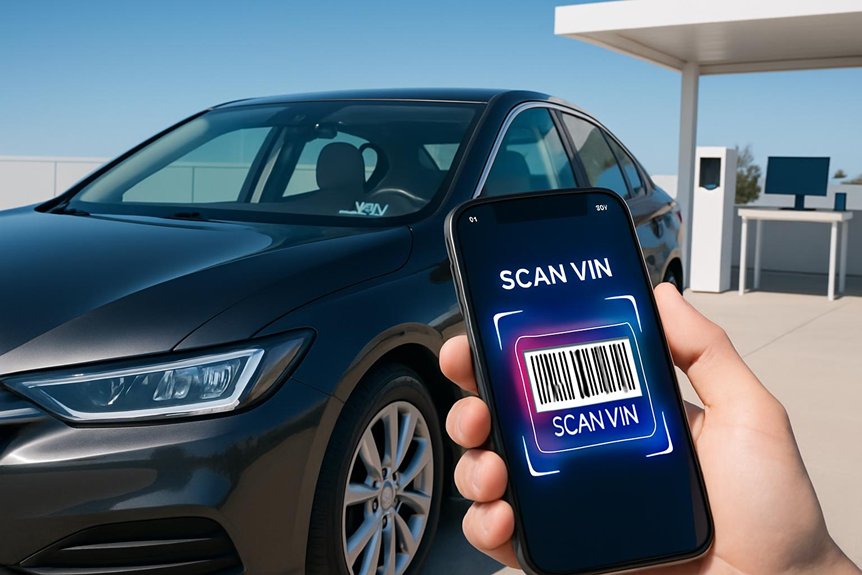
Contactless VIN inspection options in San Bernardino allow vehicle owners to submit clear digital images of their VIN and required documentation through secure online platforms offered by licensed verifiers or certified automotive dealerships. Eligibility is limited to California-based passenger vehicles and light trucks without a salvage, theft, or major alteration history. Applicants must provide proper identification and adhere to procedural guidelines for timely processing. Additional information will guide users through provider selection, procedural steps, and best practices for successful verification.
How Contactless VIN Inspections Work
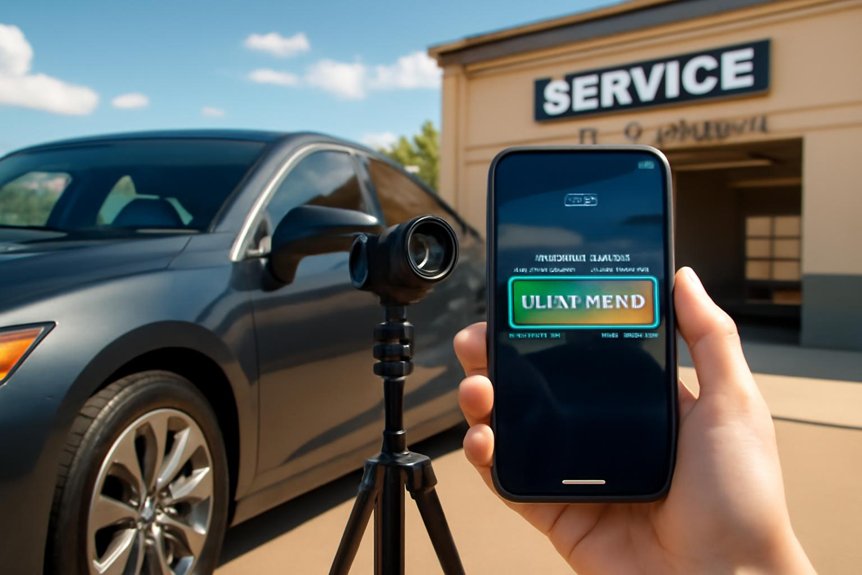
A typical contactless VIN inspection involves the remote verification of a vehicle’s identification number using digital tools and approved protocols. The process begins with the applicant submitting clear, timestamped images or video of the VIN plate, odometer, and other identifying features through a secure platform specified by the inspection provider. Trained inspectors review submitted materials for authenticity, legibility, and compliance with regulatory standards. If documentation meets established criteria, the inspector completes a digital verification form, which is then electronically transmitted to the relevant Department of Motor Vehicles (DMV) office. Throughout the process, data security and procedural transparency are maintained to foster trust. This approach enables vehicle owners in San Bernardino to fulfill inspection requirements efficiently while participating in a community-oriented, technologically advanced verification system. Additionally, compliance with California Vehicle Code regulations ensures the legitimacy of the contactless VIN inspection process.
Eligibility Requirements for Remote VIN Verification
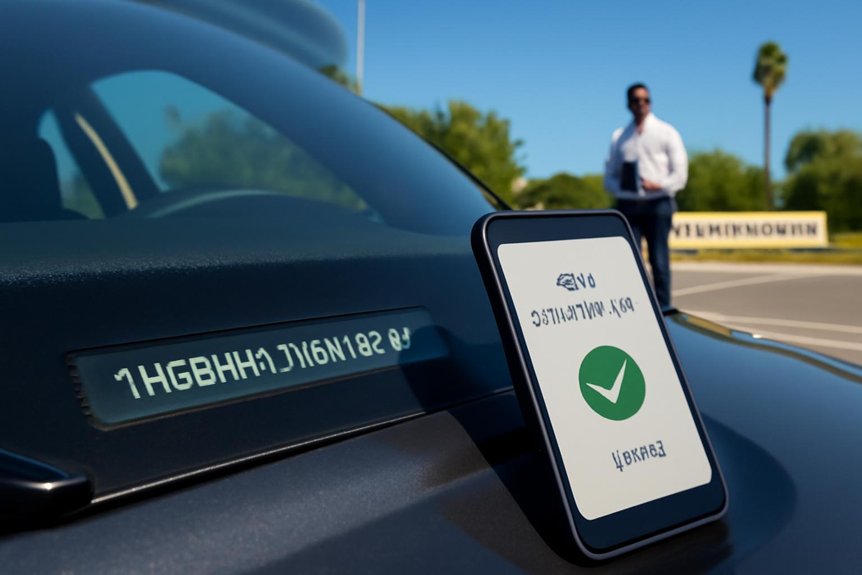
Eligibility for remote VIN verification is determined by specific regulatory guidelines set forth by the California Department of Motor Vehicles and related agencies. Only certain vehicle owners and circumstances qualify for this streamlined process. The applicant must adhere strictly to the stated criteria to guarantee regulatory compliance. These requirements are designed to maintain the integrity of vehicle identification and registration processes while providing a sense of community and trust among compliant vehicle owners.
Key eligibility criteria include:
- Vehicle must be located within California at the time of remote verification.
- The applicant must possess clear, legible photographs or video of the VIN and supporting documents.
- Only certain vehicle types, such as passenger vehicles and light trucks, qualify.
- No history of salvage, theft, or significant alteration may be associated with the vehicle.
- Applicant must have valid government-issued identification. Moreover, the vehicle must not have been subject to a VIN verification process that raises questions about its authenticity.
Local Providers Offering Contactless Services
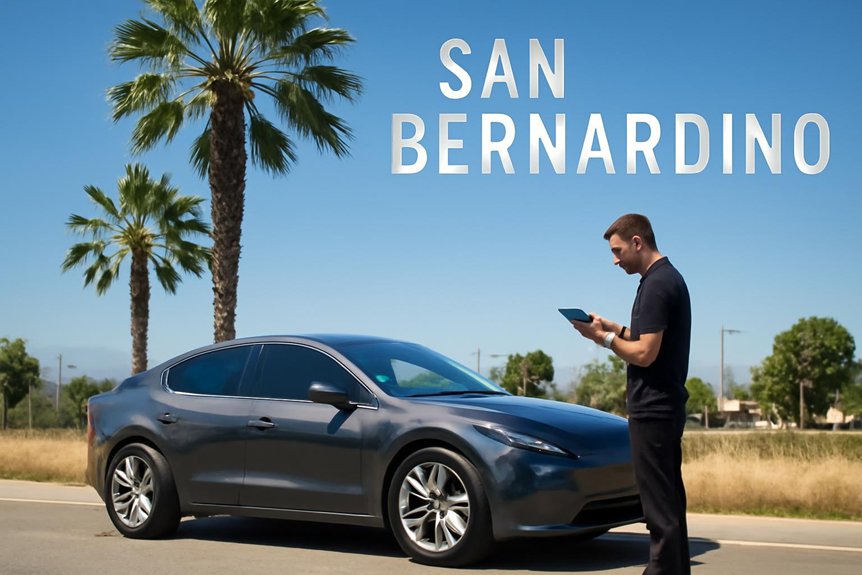
Once applicants confirm their eligibility for remote VIN verification, the next step involves selecting a qualified local provider offering contactless services. In San Bernardino, several licensed VIN verifiers and authorized agencies have adapted their procedures to accommodate contactless inspections, ensuring both regulatory compliance and public health considerations. Providers typically include certified private VIN verification specialists, select automotive dealerships, and mobile verification services registered with the California Department of Motor Vehicles (DMV). These entities utilize secure digital platforms for document submission, appointment scheduling, and virtual vehicle assessment. Applicants are encouraged to verify the provider’s current certification status and familiarity with California’s remote inspection protocols. Additionally, it is important to ensure that the provider is knowledgeable about California compliance emissions labels, which are critical for registration. Local providers may also offer multilingual support, fostering inclusivity and accessibility for San Bernardino’s diverse community while maintaining strict adherence to state requirements.
Step-by-Step Guide to Submitting Your VIN Inspection
Initiate the VIN inspection submission process by gathering all required documents, including proof of vehicle ownership, identification, and any forms mandated by the California DMV. Guarantee all documentation is current and legible to facilitate rapid verification. The applicant should access the authorized online portal or designated contactless submission channel provided by their chosen inspection service. Follow the system prompts carefully to upload scanned copies or clear photographs of required materials. Review all entries for accuracy prior to final submission to prevent processing delays.
- Gather vehicle title, registration, and current identification
- Complete the official DMV VIN verification form (REG 31)
- Access the provider’s secure online submission platform
- Upload clear, legible images of all documents
- Verify all information and confirm successful electronic submission
This method guarantees regulatory compliance and seamless documentation handling. Additionally, ensure that your vehicle meets California emission standards to avoid delays in the inspection process.
Tips for a Smooth and Successful Verification Process
To optimize the verification process and minimize the risk of administrative setbacks, applicants should adhere strictly to all submission guidelines provided by the DMV or authorized inspection entity. Ensuring that all required documentation, such as proof of ownership, identification, and vehicle details, is complete and legible is critical. Applicants are encouraged to verify that digital photographs of the VIN are clear, unobstructed, and taken according to specified angles or lighting conditions. Timely submission of all materials, as well as prompt responses to any follow-up requests from officials, will expedite processing. Maintaining open lines of communication with the inspection authority fosters cooperation and reduces misunderstandings. By following established procedures and remaining attentive to regulatory updates, applicants can contribute to a cohesive and efficient verification experience.
Frequently Asked Questions
Are Contactless VIN Inspections Accepted for Out-Of-State Vehicle Registration?
The current question addresses the acceptability of contactless VIN inspections for out-of-state vehicle registration. Regulatory authorities typically require in-person VIN verification for out-of-state registrations, though exceptions may apply. Applicants should consult local DMV guidelines to guarantee compliance.
What Should I Do if My VIN Plate Is Damaged or Unreadable?
If a VIN plate is damaged or unreadable, the vehicle owner should promptly contact the Department of Motor Vehicles. Official inspection or verification procedures will be initiated, which may require additional documentation or manufacturer confirmation to establish vehicle identity.
Is There an Extra Fee for Expedited Contactless VIN Inspection Services?
The current question addresses whether expedited contactless VIN inspection services incur additional fees. Typically, agencies offering expedited processing may charge supplementary fees. Applicants are encouraged to verify specific costs and timelines with the authorized inspection provider before proceeding.
Can I Use a Mobile Device to Complete the Entire VIN Inspection Process?
The current question addresses whether a mobile device suffices for the entire VIN inspection process. Regulatory procedures typically require photo documentation and secure digital submission, but full process completion may depend on specific agency platforms and technological compatibility provisions.
How Long Are Contactless VIN Inspection Results Valid in San Bernardino?
The validity period for contactless VIN inspection results typically aligns with California Department of Motor Vehicles regulations, remaining valid for 90 days from the inspection date. Applicants are encouraged to submit documentation within this timeframe to guarantee regulatory compliance and community acceptance.