
Mobile VIN Verification Vs CHP: Cost and Time Comparison
October 18, 2025
AAA VIN Verification: Member Benefits and Limitations
October 18, 2025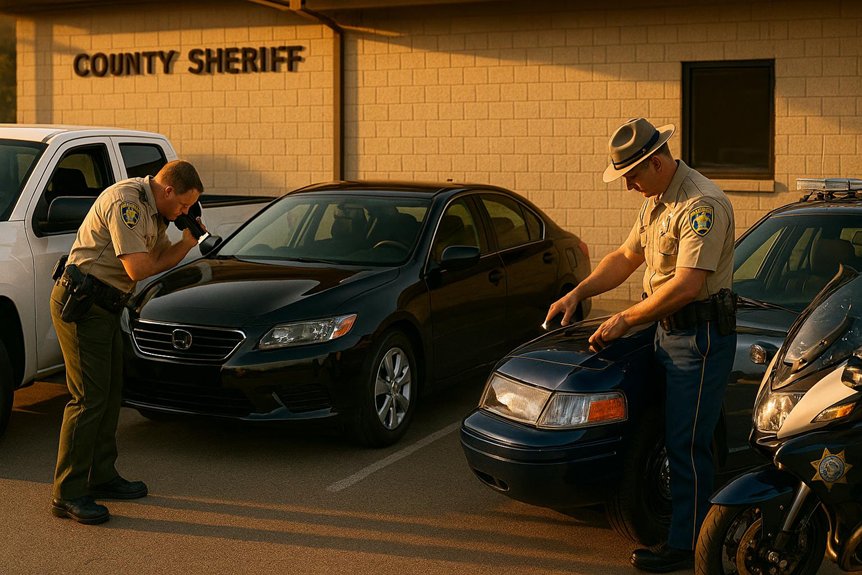
You can get a free VIN verification at many sheriff’s offices or through the CHP. Sheriff’s offices often offer weekday appointments, prioritize local residents, and may limit certain vehicle types. Choose CHP for out-of-state titles, salvage or revived vehicles, gray-market imports, or any VIN discrepancies or tampering concerns. Bring a government ID, title or bill of sale, and relevant registration or lien releases. Expect a visual VIN match on dash, door, and frame. Keep going to see how to book and prepare.
When You Need a VIN Verification and Who Can Do It
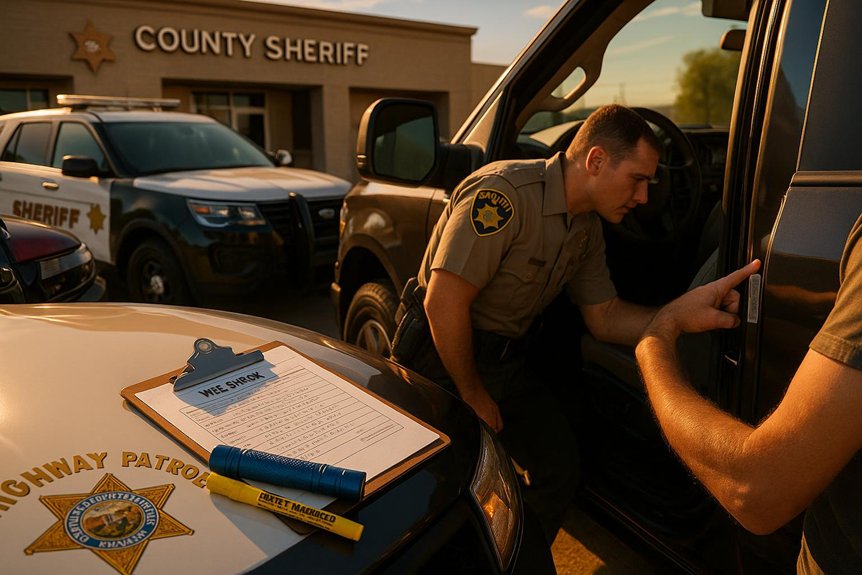
If you’re registering an out-of-state vehicle, reviving a salvage or junk title, correcting a title discrepancy, or dealing with a car that’s been off DMV records, you’ll likely need a VIN verification. You’ll confirm the VIN on the frame, door jamb, or dash matches your paperwork and that the vehicle hasn’t been altered.
You can turn to qualified verifiers: DMV employees, peace officers, and licensed VIN verifiers. CHP typically handles higher-risk cases like salvage or potential fraud. Mobile licensed verifiers can come to you for convenience. Bring your title, bill of sale, and ID. Both DMV and CHP provide verification at no cost, though CHP may require a referral from another verifier. You’ve got options, and you’re not traversing this alone.
Free Services at Sheriff’s Offices: Availability and Limitations
Many county sheriff’s offices offer VIN verifications at no charge, but availability varies widely by location. You’ll often need to visit during limited weekday hours, and some offices require appointments. Others prioritize local residents, so bring proof of address and a valid ID.
Call ahead to confirm service days, fees (if any), and whether they verify out-of-state vehicles, salvaged titles, trailers, or motorcycles. Some deputies won’t inspect vehicles with missing plates, unreadable VINs, or incomplete paperwork. You’re responsible for a clean, accessible VIN and matching documents. If the office can’t help, ask for a referral and the checklist they recommend. The CHP also provides VIN verification at no cost, though you’ll typically need a referral from another agency to access their services.
CHP VIN Inspections: When to Choose CHP and How It Works
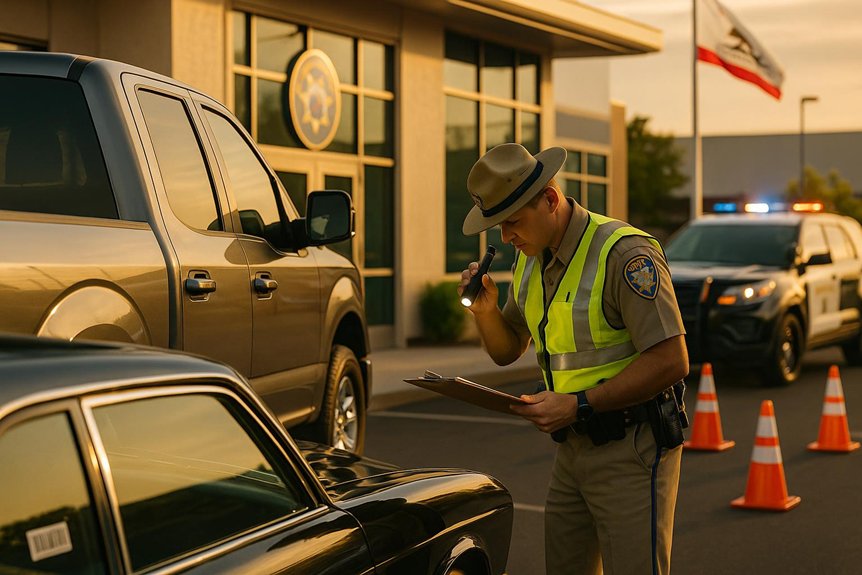
Choose the California Highway Patrol when a standard VIN check won’t cut it—think out-of-state titles, salvage or revived vehicles, gray-market imports, major VIN discrepancies, or suspected tampering. CHP officers handle complex cases with statewide authority and specialized training, so you’re in capable hands.
You’ll schedule an appointment at a local CHP office, drive or tow the vehicle in, and meet an inspector. They’ll locate official VIN plates and secondary identifiers, compare records, and run database checks for theft, cloning, or alterations. If everything matches, you’ll get a signed verification. If not, they’ll explain next steps and guide you forward. Unlike private business verifiers, CHP inspections focus on specific cases that require heightened scrutiny, particularly for late model vehicles with complex documentation issues.
Documents to Bring, Vehicle Prep, and Inspection Checklist
Start off on the right foot by bringing the right paperwork and prepping the vehicle so the verification goes quickly. Bring your government ID, title or ownership documents, bill of sale, out‑of‑state registration (if any), lien release, and proof of insurance. Have the VIN application form filled out but unsigned.
Prepare the vehicle: clear the dashboard and door jambs, uncover the VIN plate, pop the hood, and guarantee the driver’s door opens. Clean VIN areas so stamps are readable.
Inspection checklist:
- VIN matches on dash, door, engine, frame.
- No tampering or rivet issues.
- Odometer readable.
- Lights and horn functional.
- Bring keys and accessible battery.
How to Book an Appointment and What to Expect on the Day
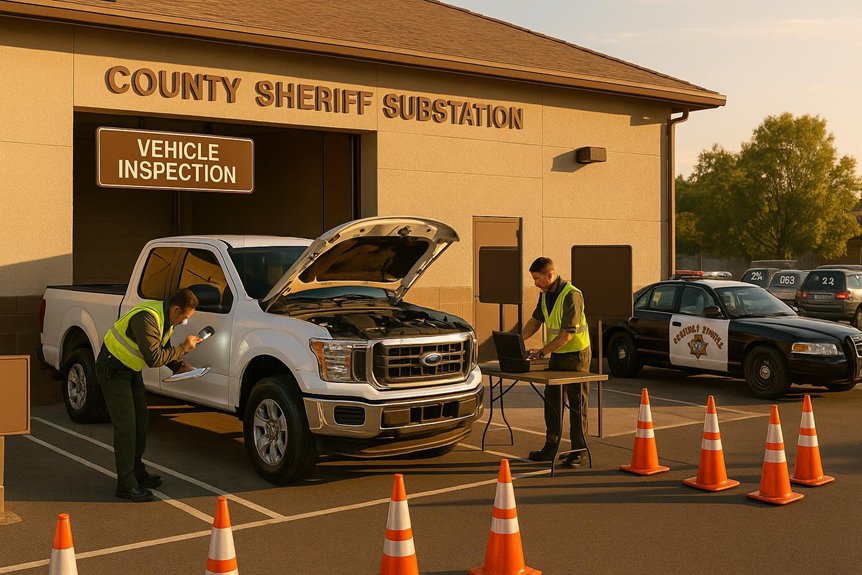
Before you head out, lock in an appointment with your local sheriff’s office or CHP by checking their website or calling the non‑emergency line—some locations allow walk‑ins, but most require scheduling. Pick a time that fits your travel and work rhythm.
Arrive early, park where directed, and bring your ID, registration, title (or bill of sale), and any prior VIN documents.
Expect a quick visual inspection: the officer will match the VIN on the dash, door jamb, and frame to your paperwork. Stay with your vehicle, answer simple questions, and keep hoods or panels accessible. You’ll leave with the signed verification.
Frequently Asked Questions
Do VIN Verifications Affect Insurance Rates or Coverage Options?
They usually don’t. VIN verifications confirm identity, not risk, so your rates and coverage typically stay the same. If the check uncovers discrepancies or salvage history, your insurer might reassess. Share updates promptly to stay aligned together.
Can a VIN Verification Uncover Past Odometer Fraud?
Yes, it can help spot signs of past odometer fraud. You’ll match mileage in DMV records, history reports, and service logs. If numbers don’t align, you’ll flag it, ask questions, and protect yourself alongside your community.
Will a Failed VIN Inspection Be Reported to Other States?
No, a failed VIN inspection usually isn’t reported to other states. You’ll just need to fix the issue and retest locally. Keep your paperwork, communicate with the inspector, and you’ll get back on track together.
How Do VIN Verifications Impact Salvage Title Rebuild Timelines?
They directly affect your timeline. If you schedule early, prepare paperwork, and pass first try, you’ll move faster. Delays come from missing parts, mismatched numbers, or rechecks. Coordinate with inspectors and your rebuild community to keep momentum.
Are Mobile VIN Verification Services Legally Recognized Statewide?
Yes, most states recognize licensed mobile VIN verifiers, but rules vary. You should confirm state authorization, acceptable forms, and required signatures. Ask about law-enforcement-only exceptions. Keep copies, photos, and appointment logs so you’re confident, included, and compliant together.