

Exploring Joshua Tree’s Gateway Towns
June 28, 2025
Local Breweries and Distilleries Worth Visiting
June 29, 2025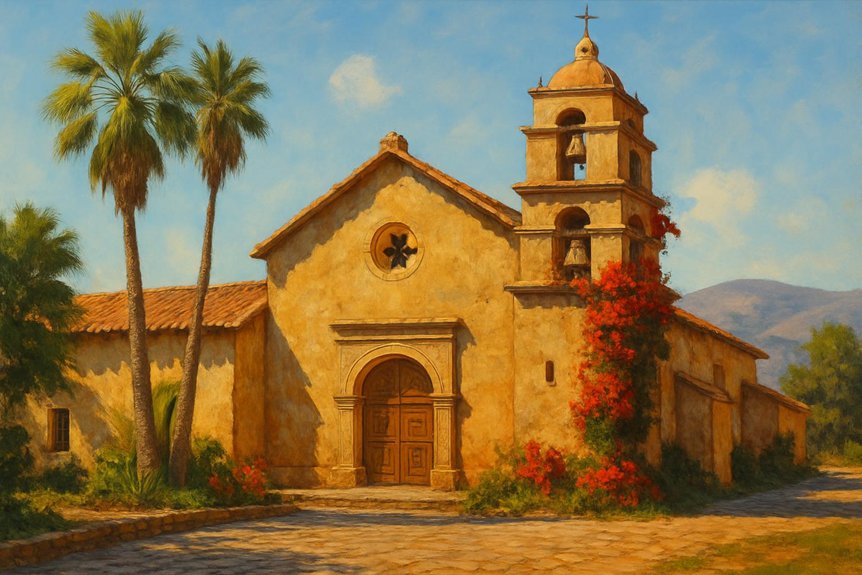
San Bernardino County features several historic missions and churches that echo the legacy of Spanish colonization in California. These structures exhibit Spanish Colonial architectural traits, including stucco exteriors and bell towers. Beyond serving as places of worship, they fostered community development and cultural exchange, making them essential to local heritage. Preservation efforts are underway, addressing the challenges of funding and structural integrity. More insights into their impact and significance await exploration.
The Legacy of Spanish Missions in California
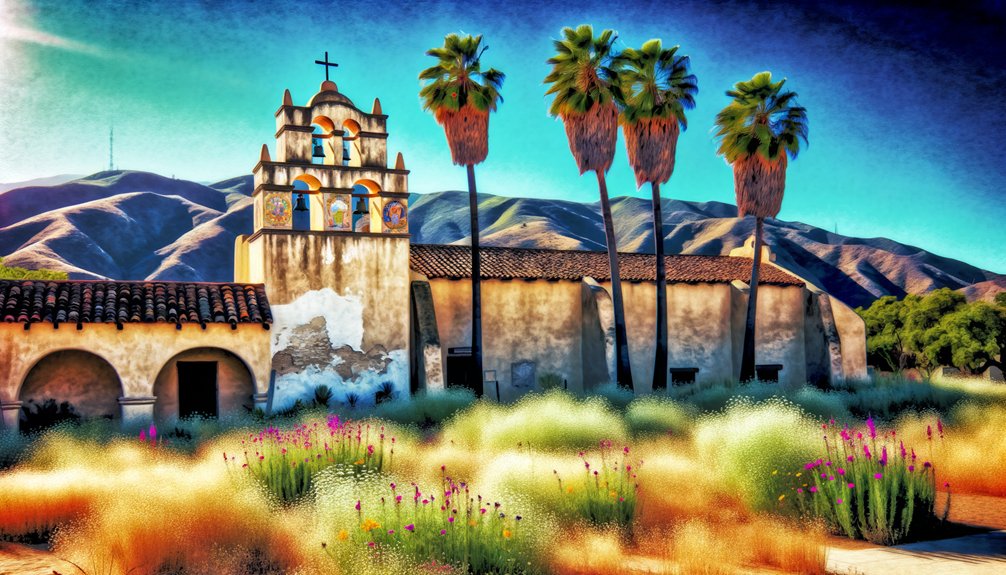
Although the Spanish missions were established primarily for religious purposes, they played a pivotal role in shaping California’s cultural and historical landscape. These missions served as centers for education, agriculture, and community development, introducing European farming techniques and livestock that transformed the region’s economy. They fostered a blending of Indigenous and Spanish cultures, evident in language, art, and traditions that continue to resonate today. The missions also facilitated trade routes, connecting disparate communities and enhancing social cohesion among settlers and Native populations. As sites of pilgrimage, they became symbols of identity and heritage, inviting future generations to appreciate their historical significance. Ultimately, the legacy of these missions endures, inviting a sense of belonging and connection to California’s rich past.
Architectural Features of Historic Churches
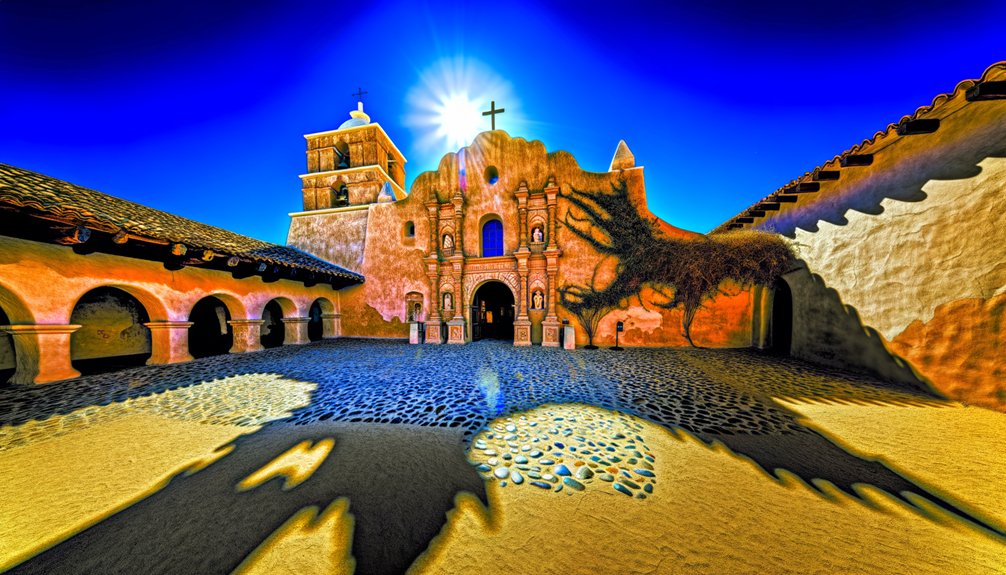
The architectural features of historic churches in San Bernardino County reflect a rich tapestry of cultural influences and design principles. Many structures showcase Spanish Colonial styles, characterized by stucco exteriors, red-tiled roofs, and ornate wrought-iron details. Arched doorways and windows enhance the aesthetic appeal, while bell towers often serve as focal points, symbolizing a connection to the divine. Inside, wooden beams and vaulted ceilings create a sense of grandeur, complemented by vibrant stained glass that filters light into vivid patterns. Churches frequently incorporate local materials, grounding them within their environment. Each design element not only serves a functional purpose but also conveys the spiritual heritage of the community, inviting all to find solace and belonging within their walls.
Notable Missions and Their Impact on Local Communities
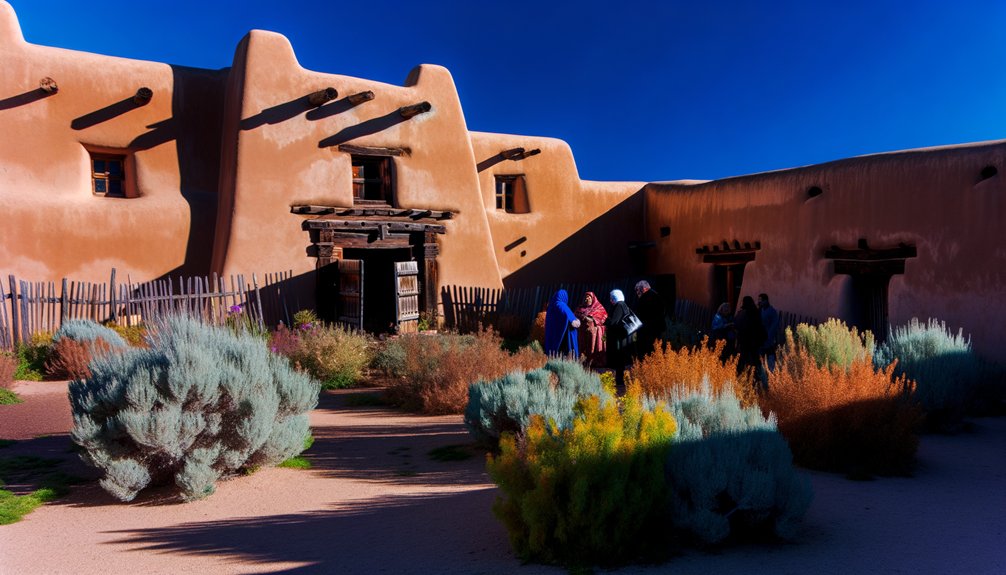
As the heart of many local communities, notable missions in San Bernardino County have historically served not only as places of worship but also as centers for social and agricultural development. These missions facilitated the introduction of sustainable farming practices, enabling local populations to cultivate crops efficiently. They organized community gatherings, fostering a strong sense of belonging among residents. Educational programs were often implemented, providing literacy and vocational training that enriched the lives of community members. Additionally, missions acted as hubs for cultural exchange, connecting diverse groups and promoting mutual understanding. The enduring legacy of these missions can be seen in the continued emphasis on community service and support, reinforcing their essential role in shaping the social fabric of San Bernardino County.
Cultural Significance of Religious Sites in San Bernardino County
While many may view religious sites primarily as places of worship, in San Bernardino County, these locations hold profound cultural significance that extends beyond their spiritual functions. They serve as historical landmarks that embody the rich tapestry of the region’s diverse heritage. These sites facilitate community gatherings, festivals, and educational events, fostering social cohesion and a sense of belonging among residents. In addition, they act as repositories of local history, preserving stories and traditions that resonate with the community’s identity. The architectural styles and art found within these churches and missions reflect the unique cultural influences that have shaped the area. Consequently, they are essential to understanding both past and present community dynamics within San Bernardino County.
Preservation Efforts and Challenges Facing Historic Missions
Preservation of historic missions in San Bernardino County presents a unique set of challenges and opportunities that reflect the region’s commitment to honoring its cultural heritage. Stakeholders, including local governments, preservation organizations, and community members, collaborate to develop thorough preservation plans. These plans often involve evaluating structural integrity, restoring original architectural elements, and employing sustainable practices to guarantee longevity.
However, funding constraints and competing development interests pose significant challenges. Advocacy efforts play a significant role in raising awareness and securing financial support. Engaging the community through educational programs fosters a sense of ownership and belonging, assuring that the missions remain essential parts of local identity. By maneuvering through these complexities, San Bernardino County endeavors to protect its historical treasures for future generations.
Frequently Asked Questions
What Is the Best Time to Visit These Historic Missions?
The best time to visit historic missions is during spring or fall, when temperatures are mild and crowds are smaller. This allows for a more immersive experience, enhancing appreciation of the architecture and surrounding landscapes.
Are There Guided Tours Available at These Sites?
Guided tours are often available at these sites, providing visitors with structured experiences. Interested individuals should check each site’s schedule online or contact them directly for details on tour times, availability, and reservation requirements.
Can I Hold a Wedding at a Historic Church?
Inquire with the specific historic church regarding wedding policies, availability, and associated fees. Many churches welcome weddings, offering a unique atmosphere, but each may have distinct requirements and scheduling considerations to guarantee a memorable ceremony.
What Is the Admission Fee for Visiting These Missions?
The admission fees for visiting various historic missions vary by location. Typically, fees range from free access to nominal charges, often including guided tours. Visitors should check individual mission websites for accurate pricing and hours.
Are There Any Annual Events Celebrated at These Historic Churches?
Annual events at historic churches often include community festivals, holiday celebrations, and religious observances. These gatherings foster a sense of belonging, inviting individuals to connect with shared traditions, heritage, and spiritual practices within their communities.