
What Vehicles Are Exempt From VIN Inspection in San Bernardino
July 7, 2025
Finding a Certified VIN Expert in San Bernardino.
July 7, 2025
To fix a failed VIN verification in San Bernardino, first review the inspector’s form for the specific reason cited. Carefully compare the VIN on all vehicle locations to the title and registration for errors or discrepancies. Gather corrected documents and supporting records, then schedule a re-verification at a local DMV office, sheriff’s department, or through a DMV-certified mobile verifier. Do not alter the VIN plate yourself. The next steps explain how to address specific documentation and compliance issues.
Common Reasons for Failing a VIN Verification
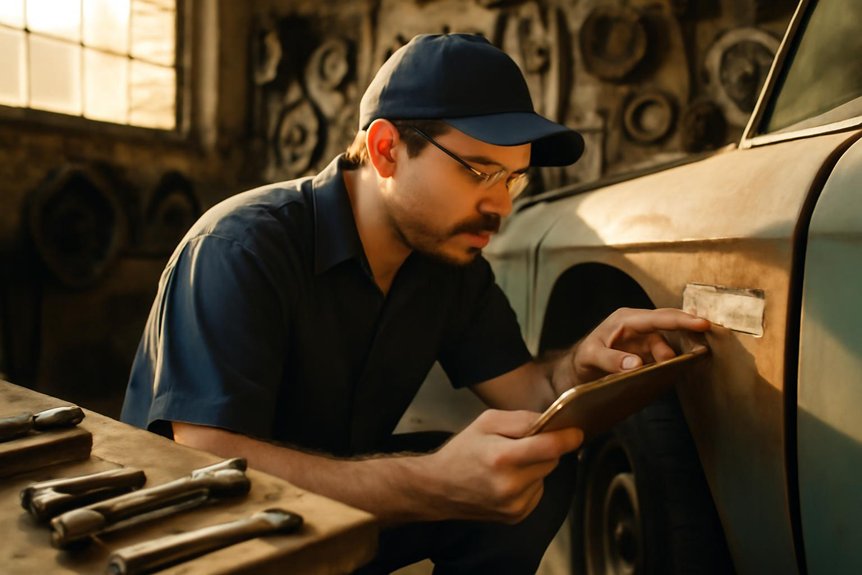
Several factors can lead to a failed VIN verification, often stemming from discrepancies between the vehicle’s identification number and its supporting documentation. Common causes include mismatched VINs on the dashboard, door jamb, or engine block compared to the title or registration, as well as altered, tampered, or illegible VIN plates. Errors may also arise from clerical mistakes on ownership documents, such as transposed digits or typographical inconsistencies. Physical damage, corrosion, or aftermarket modifications obscuring the VIN also trigger failures. Additionally, vehicles imported without proper U.S. compliance labels or with incomplete importation paperwork frequently encounter verification issues. For those invested in maintaining community standards and lawful operation, understanding these causes promotes greater readiness when maneuvering California’s stringent verification protocols. Proper VIN verification documentation is essential to avoid these common pitfalls.
What to Do Immediately After a Failed VIN Check
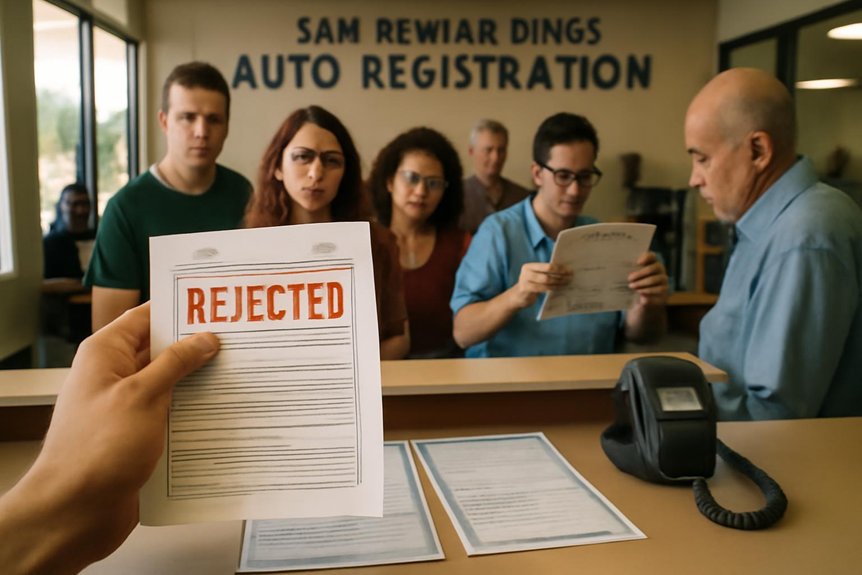
When a vehicle fails a VIN verification, immediate steps must be taken to address the identified issues and prevent administrative delays. The owner should first review the verification form provided by the inspector, noting any specific reasons cited for the failure—such as VIN plate tampering, mismatched documentation, or illegible numbers. Retaining all paperwork is essential; these documents will be referenced in subsequent correction efforts. Next, the owner should refrain from attempting any alterations to the VIN or associated labels, as unauthorized changes can exacerbate legal complications. It is advisable to document the current state of the VIN and vehicle for records. The owner should also avoid operating or transferring the vehicle until the discrepancies are resolved to remain in compliance with California regulatory requirements. Additionally, they should consider reaching out to a licensed private verifier for assistance in resolving the issues identified during the VIN verification process.
How to Correct VIN Discrepancies and Documentation Issues
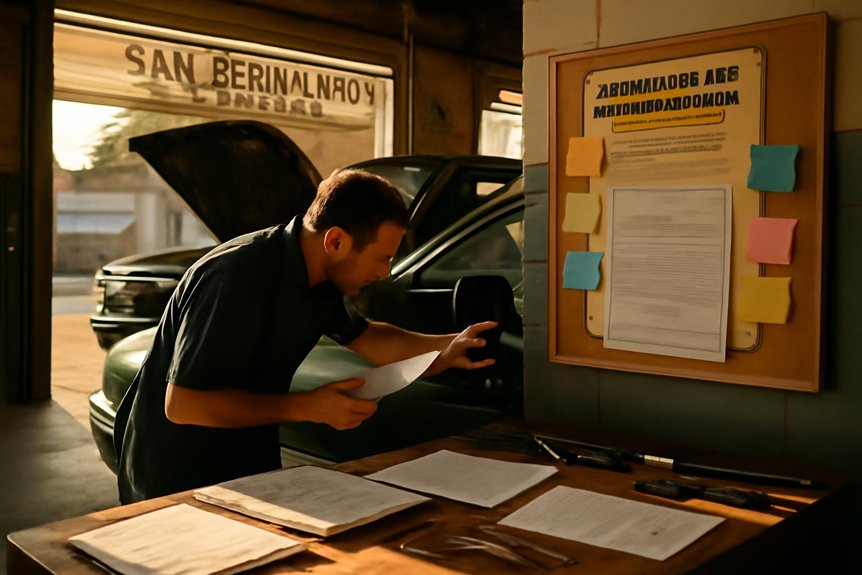
A successful resolution of VIN discrepancies and documentation issues requires a systematic approach grounded in regulatory compliance. First, the vehicle owner should compare the VIN on the vehicle’s chassis, dashboard, and door frame with the number listed on the title, registration, and bill of sale. Any inconsistencies—such as typographical errors, transposed digits, or missing characters—must be documented. Owners should gather supporting documents, including prior registration records, manufacturer’s statements of origin, and any correction notices. If errors originated from clerical mistakes at the DMV, a Statement of Facts (REG 256) form may be required. For altered or illegible VIN plates, obtaining a certified inspection report is essential. Additionally, be aware that California compliance emissions labels are critical for registration. Throughout the process, meticulous recordkeeping and adherence to California Department of Motor Vehicles (DMV) protocols foster a sense of inclusion within regulatory frameworks.
Where to Get a Re-Verification in San Bernardino
Although resolving VIN discrepancies is critical, vehicle owners in San Bernardino must complete a re-verification at an authorized inspection site to fulfill California DMV requirements. Approved locations include local California DMV field offices and the San Bernardino County Sheriff’s Department; both are equipped to perform CHP Form 343 (Verification of Vehicle) inspections. Vehicle owners should schedule an appointment in advance, as walk-in availability is limited. When presenting the vehicle for re-verification, all corrected documents and supporting identification must accompany the owner. Mobile VIN verification services, licensed by the DMV, offer another option for those seeking convenience or unable to travel. Each inspector must be DMV-certified to guarantee the re-verification is valid. Proper documentation and adherence to procedural requirements foster smoother processing and community compliance. Additionally, ensure that your vehicle’s emission standards compliance is verified as part of the re-verification process.
Tips to Prevent Future VIN Verification Problems
Completing a successful re-verification addresses immediate concerns, but vehicle owners in San Bernardino can further minimize complications by proactively managing their vehicle documentation and identification practices. Systematic attention to detail guarantees smoother future VIN verifications and fosters a sense of preparedness within the community. The following best practices help prevent verification setbacks:
- Maintain Original Documentation: Safeguard the original title, registration, and any import/export paperwork in a secure location.
- Regularly Inspect VIN Plates: Periodically check that the VIN plate is legible, untampered, and matches documentation.
- Address Discrepancies Promptly: If any inconsistencies arise between paperwork and the physical VIN, resolve them quickly with the DMV.
- Use Professional Services: Seek assistance from authorized VIN verifiers or DMV offices for complex situations or if modifications have been made.
These steps support long-term compliance and confidence.
Frequently Asked Questions
Can I Legally Drive My Vehicle After a Failed VIN Verification?
Whether a person can legally drive their vehicle after a failed VIN verification depends on registration status. If registration is incomplete due to the failed verification, operating the vehicle may be unlawful until the discrepancy is resolved with DMV approval.
How Much Does a VIN Re-Verification Cost in San Bernardino?
The cost of a VIN re-verification in San Bernardino typically ranges from $50 to $100, depending on whether the inspection is conducted by the DMV, CHP, or a licensed VIN verifier. Additional administrative fees may apply.
Are Mobile VIN Verification Services Available in San Bernardino?
Mobile VIN verification services are indeed available in San Bernardino. Certified DMV-licensed inspectors travel to the vehicle’s location, offering on-site inspections compliant with California Vehicle Code requirements. This service benefits individuals seeking convenience and streamlined vehicle registration processes.
Will a Failed VIN Verification Affect My Insurance Rates?
A failed VIN verification typically does not directly impact insurance rates; insurers primarily assess risk based on driving history and claims. However, unresolved verification issues can delay registration, potentially causing insurance complications if the vehicle becomes unregistered or uninsured.
How Long Does the VIN Verification Process Take?
The VIN verification process typically requires 15 to 30 minutes, depending on documentation readiness and vehicle accessibility. Delays may arise if discrepancies are found or additional forms are needed, but most verifications are completed during the initial appointment.