Classic Car Registration With VIN Verification in San Bernardino
July 6, 2025
VIN Inspection for Imported Cars in San Bernardino
July 7, 2025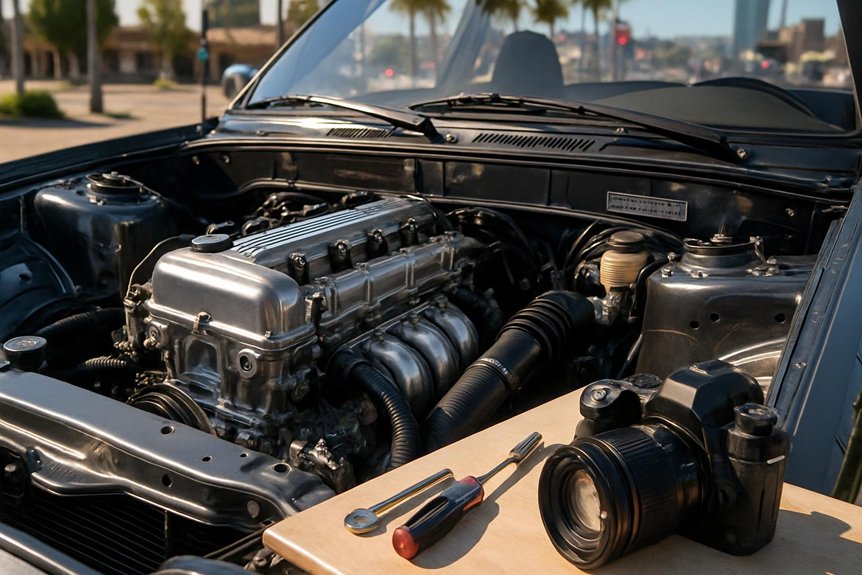
To verify a VIN after an engine swap in San Bernardino, vehicle owners must confirm the new engine meets California emission laws and retain all proof of modification and ownership. A VIN inspection must be scheduled with the DMV or authorized law enforcement, where inspectors will review documentation, check VIN locations, and verify the engine swap details. After passing inspection, submit paperwork to the DMV to update records. Those seeking extensive guidance can find further details below.
Understanding California Engine Swap Laws
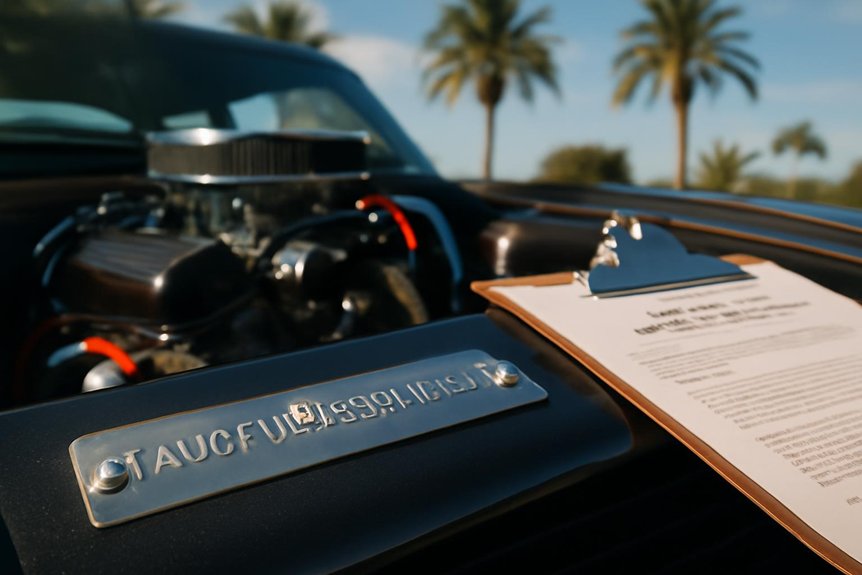
Although engine swaps are a common modification among automotive enthusiasts, California enforces stringent regulations governing such alterations. The California Air Resources Board (CARB) and the Bureau of Automotive Repair (BAR) mandate that any engine replacement must comply with state and federal emission standards applicable to the vehicle’s model year or newer. Only engines from vehicles certified for California emissions may be installed, and all associated emission control systems must be retained and functional. Swaps involving older or non-certified engines are strictly prohibited. Additionally, the modified vehicle must pass a state referee inspection, confirming regulatory compliance before registration. These requirements guarantee that engine-swapped vehicles maintain environmental standards and roadworthiness, reinforcing the sense of community and shared responsibility among California’s automotive enthusiasts. It’s also important to note that California compliance emissions labels are critical for registration after an engine swap.
Gathering Required Documents and Information
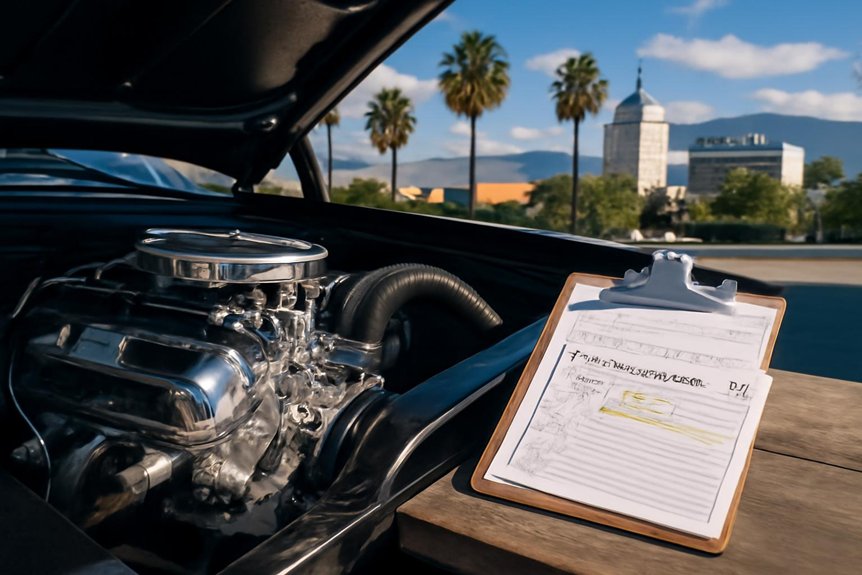
Documentation forms the foundation of a successful VIN verification following an engine swap in California. Vehicle owners must assemble all pertinent records prior to initiating the process. Essential documents include the current Certificate of Title, the vehicle’s registration card, and valid government-issued identification. Proof of the engine’s origin—such as a bill of sale, invoice, or donor vehicle information—is required to establish lawful acquisition. If applicable, emissions certification documents should also be included, especially for vehicles subject to smog regulations. Receipts for major components related to the swap, including installation or repair invoices, support transparency and regulatory compliance. Organizing these materials in advance demonstrates commitment to regulatory standards and fosters a sense of community among lawful vehicle enthusiasts in San Bernardino guiding post-swap verification procedures. Additionally, it is crucial to ensure that all records align with VIN verification requirements to facilitate a smoother verification process.
Scheduling a VIN Inspection in San Bernardino
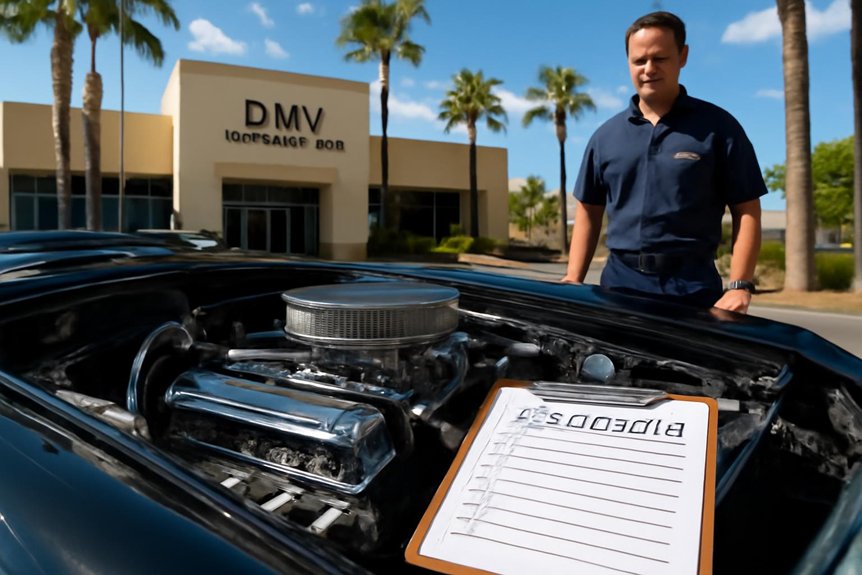
Once all necessary documentation has been organized, the next step is to arrange a VIN inspection with the appropriate authority in San Bernardino. Vehicle owners may contact the California Department of Motor Vehicles (DMV) or a law enforcement agency authorized to perform VIN verifications. Appointments are typically required, and walk-in services may be limited. Scheduling can be completed online through the DMV’s official portal or by phone. When selecting a location, it is advisable to verify that the site conducts inspections for vehicles with engine swaps, as not all offices offer this service. Clear communication regarding the vehicle’s modifications guarantees proper scheduling and preparedness. It is also beneficial to ensure that the inspection authority is familiar with VIN verification requirements to avoid any misunderstandings during the process. Upon confirmation, applicants should note the appointment date, time, and any specific instructions provided by the inspection authority to facilitate a smooth verification process.
What to Expect During the Inspection Process
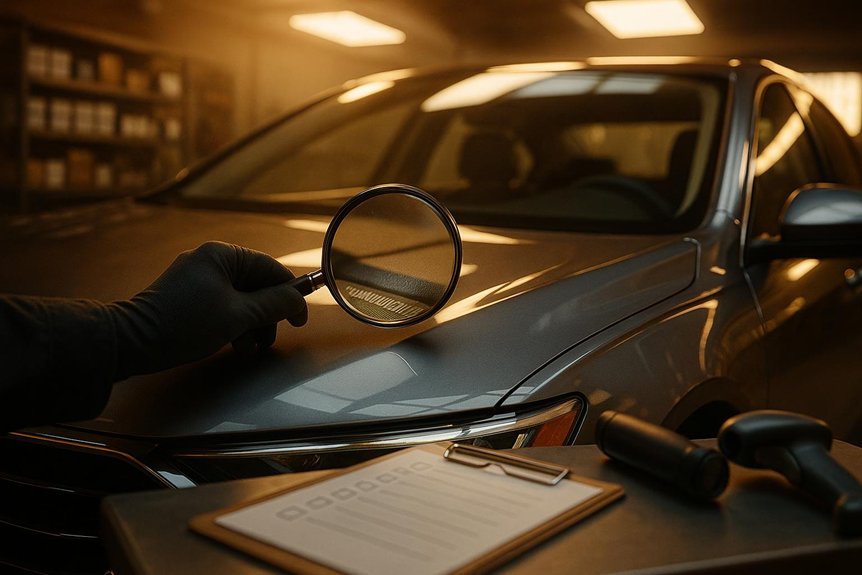
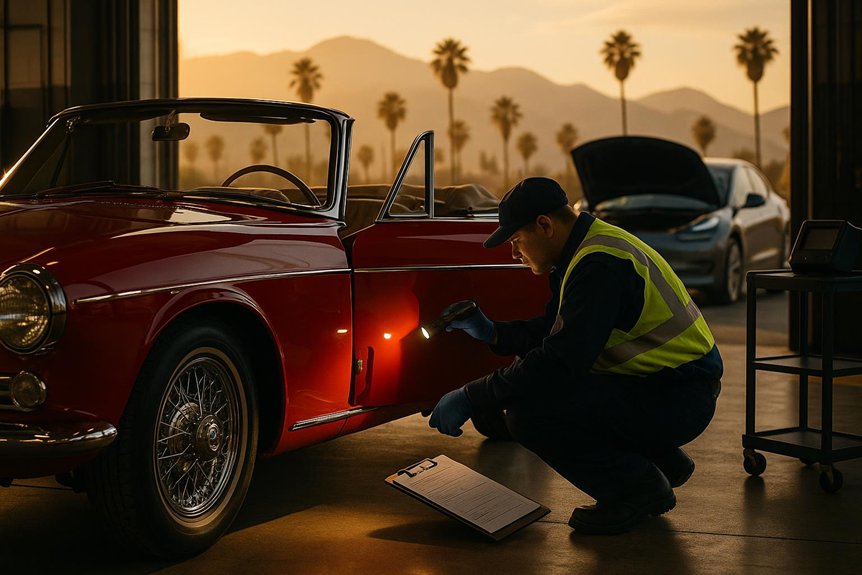
During the VIN inspection process in San Bernardino, the assigned inspector will methodically examine the vehicle to confirm that the Vehicle Identification Number matches the documentation and is appropriately affixed to the chassis. The inspector will inspect primary and secondary VIN locations, referencing manufacturer specifications. Attention is given to any evidence of tampering, alteration, or removal. Documentation—such as the title, registration, and proof of engine replacement—is reviewed for consistency and authenticity. The inspector may request to view the engine compartment, cross-referencing engine numbers when relevant. All findings are recorded on the official inspection form. Individuals present should be prepared to answer procedural questions regarding the swap. A successful inspection requires full transparency, accurate paperwork, and compliance with California Vehicle Code standards. Additionally, the inspector will ensure that the vehicle meets California emission standards, which is crucial for registration.
Updating Registration and DMV Records
After a successful VIN inspection, vehicle owners must promptly update registration and DMV records to reflect the engine swap and any changes identified during the inspection. This process begins by submitting the completed Verification of Vehicle (REG 31) form, along with any supporting documentation, to the California Department of Motor Vehicles. Owners should guarantee that the new engine serial number and relevant emissions compliance documents are included. The DMV may require payment of a fee for updating records. Failure to update registration may result in penalties or complications during future transactions. By maintaining accurate records, owners contribute to community safety and compliance with California Vehicle Code. Engaging with local DMV staff assures that all regulatory obligations are fulfilled, fostering a sense of responsibility and inclusion.
Frequently Asked Questions
Can I Drive My Car Before the VIN Inspection Is Completed?
Operating a vehicle prior to the completion of a VIN inspection may violate California Vehicle Code regulations. Individuals awaiting inspection should consult with the Department of Motor Vehicles to confirm legal status and maintain compliance within their community.
Do I Need to Notify My Insurance Company After an Engine Swap?
Notifying the insurance company after an engine swap is necessary. Policyholders must report any significant vehicle modification, such as an engine change, to guarantee continued coverage accuracy and compliance with underwriting requirements, fostering trust and community within their insurer relationship.
Are There Penalties for Failing to Verify a Swapped Engine’S VIN?
Failure to verify a swapped engine’s VIN may result in administrative penalties, citations, or denial of registration by regulatory authorities. Ensuring compliance demonstrates community responsibility and upholds legal standards valued by those committed to lawful vehicle ownership.
How Long Does It Typically Take to Get a VIN Inspection Appointment?
The time required to secure a VIN inspection appointment typically ranges from several days to two weeks, depending on local agency demand and scheduling capacity. Early booking is advised to guarantee compliance and maintain community standards within regulatory frameworks.
Who Can Perform the Engine Swap to Ensure Legal Compliance?
The current question addresses which professionals are authorized to perform engine swaps in compliance with legal standards. Certified automotive repair shops and licensed mechanics, familiar with California emissions and safety regulations, guarantee proper documentation and adherence to state requirements.