
VIN Doesn’t Match Title: Resolution Steps
October 18, 2025
Faded VIN Sticker: Readable Standards for Verification
October 18, 2025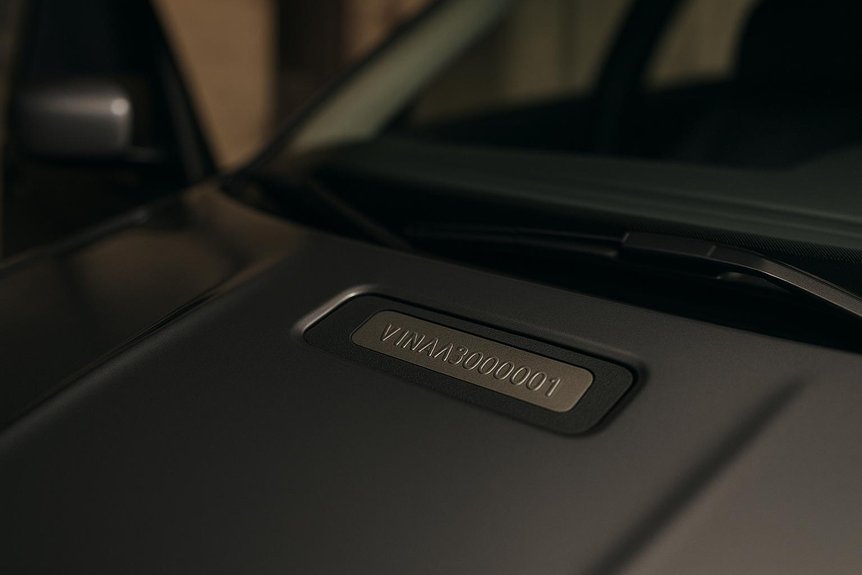
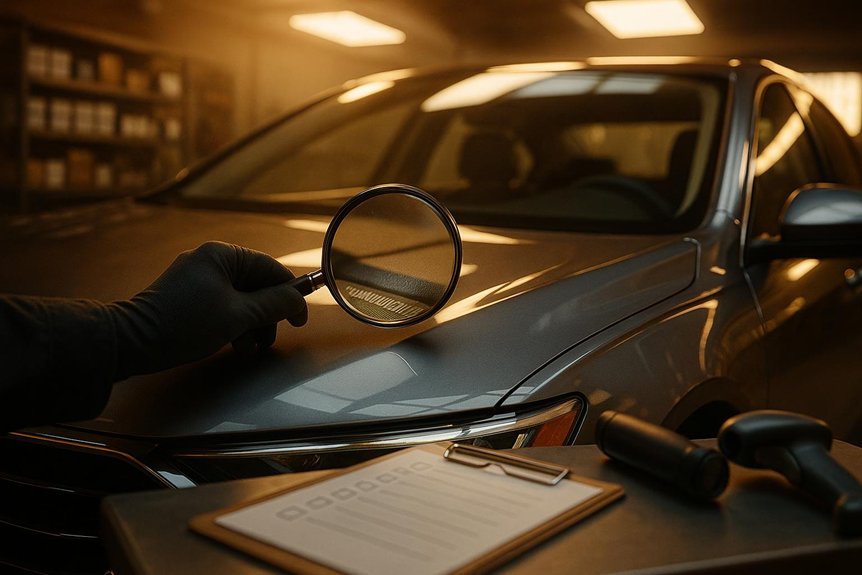
Treat the VIN on the dashboard at the base of the windshield as the primary, legally recognized identifier. It’s the “public” VIN tied to your title, registration, recalls, and inspections. Cross-check it against stamps on the driver’s door jamb and engine bay/frame, and verify it matches your documents. Watch for mismatches, tamper marks, odd rivets, or uneven fonts that signal issues from repairs or theft attempts. If anything’s off, get a certified VIN inspection and keep thorough records to protect yourself—there’s more that can help you.
Why Vehicles Have Multiple VIN Placements
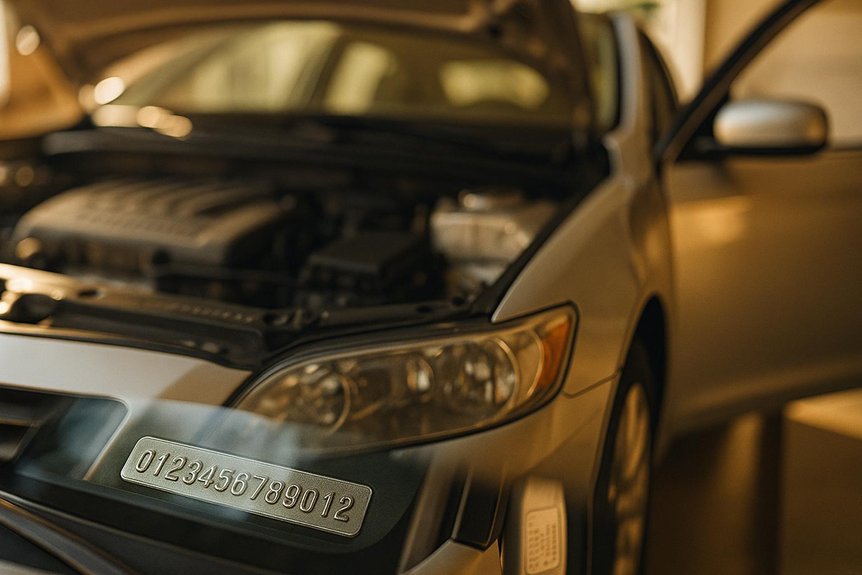
Pop the hood on VIN placement, and you’ll see it’s about redundancy, legality, and security. You rely on your vehicle’s identity, and multiple tags make that identity resilient. If one plate gets damaged in a fender bender or routine wear, another confirms who your vehicle is. You also benefit when shops, insurers, and communities verify the same number from different spots—no confusion, less friction.
Manufacturers spread VINs to deter theft and cloning. When thieves alter one mark, others still speak up. You gain trust at inspections, recalls, and parts matching. Multiple placements keep your ownership story intact, consistent, and welcome everywhere you drive. Quick VIN verification services use state-of-the-art technology to check all these locations and ensure your vehicle’s identity remains authentic across every placement.
The Legally Recognized Primary VIN Location
All those backup tags support one authority: the primary VIN on the vehicle’s federally recognized “public” plate. That’s the identity marker officials trust first, and it’s what ties your vehicle to titles, registrations, and recalls. You’ll find it mounted where it’s visible from outside the car, fixed to the dashboard near the windshield on the driver’s side. Regulators designed it for quick, consistent verification, so you’re never left guessing.
Because this plate anchors your vehicle’s legal identity, treat it as definitive. If something looks altered or obscured, pause and get guidance. During a physical inspection, a VIN verifier will document this primary location along with the vehicle year, make, model, and other identifying details to confirm the VIN matches your title. Protecting that plate protects your peace of mind—and keeps you aligned with the community standard.
How to Cross-Check VINs Across Your Vehicle
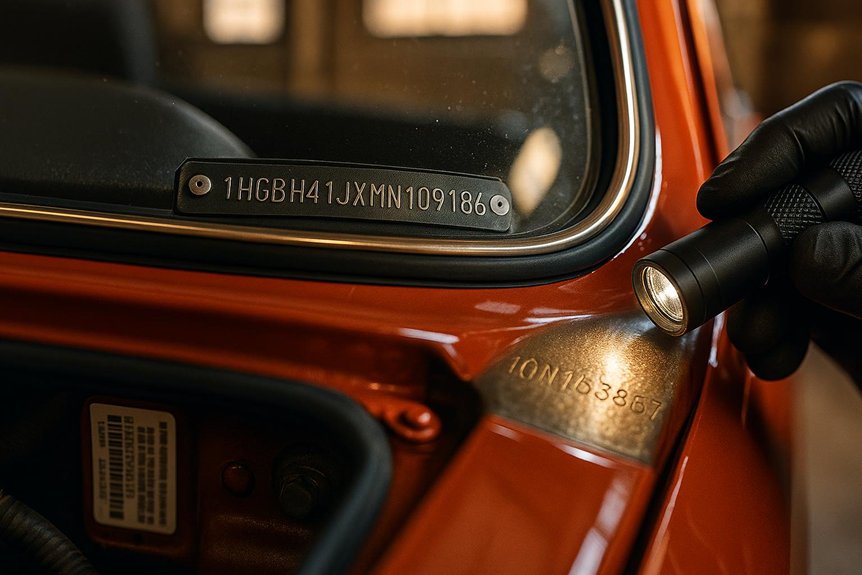
Start by locating the public VIN at the base of the windshield on the driver’s side, then compare it to the VIN on the driver’s door jamb label and the VIN stamped on the engine bay or frame. Photograph each VIN and read them aloud digit by digit to confirm they match. Check formatting: 17 characters, no I, O, or Q. Verify the model year digit and plant code against your owner’s manual or manufacturer resources. Match the VIN on your insurance card and title. If a plate looks new, note it. Keep your photos and notes together for community-supported confidence. If you discover any discrepancies between the VINs across different locations on your vehicle, this could indicate potential theft and fraud issues that require professional verification to resolve.
Common Issues: Mismatched, Damaged, or Missing VIN Plates
Ever wonder why a VIN mightn’t match in two places? You’re not alone. Mismatches often trace back to panel replacements, sloppy repairs, or past theft attempts. A windshield plate can be swapped while the frame-stamped VIN stays original. Damaged plates happen too—sun fading, corrosion, or botched rivets can blur characters. Missing plates raise flags, especially if drill marks or odd rivets appear.
You can still spot clues. Look for tamper marks, uneven fonts, misaligned characters, or paint edges around plates. Compare embossing depth and spacing. Trust your instincts—if something feels off, pause. Your community values honest cars and clear histories.
Best Practices for Inspections, Titles, and Paperwork
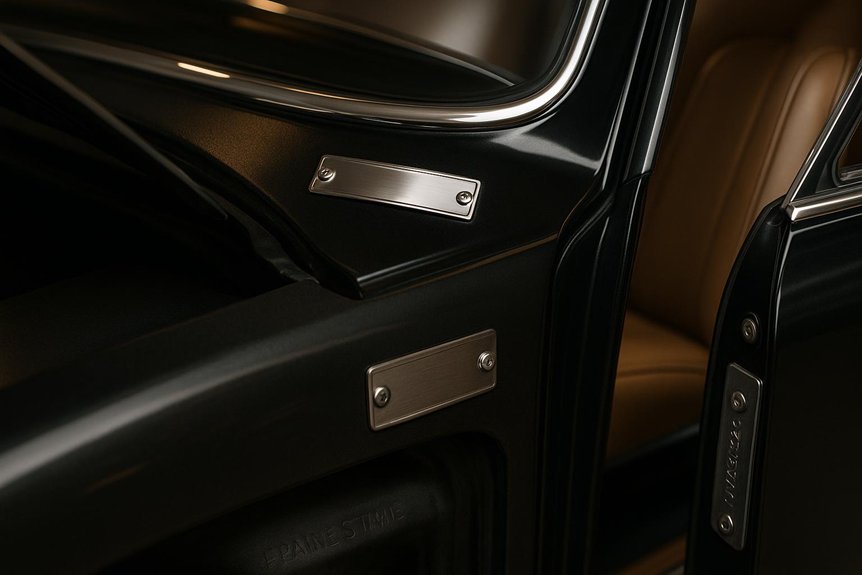
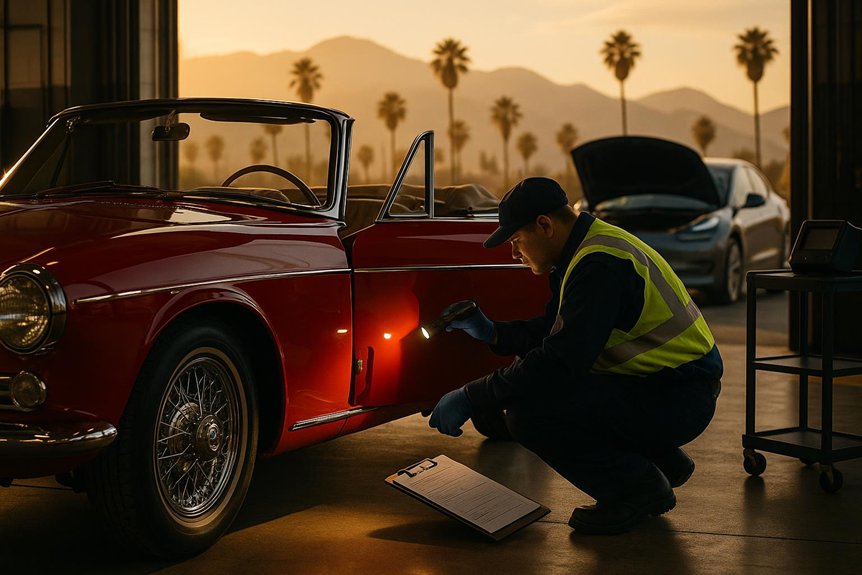
Before you inspect or buy, line up your paperwork and a consistent process. Bring a checklist, flashlight, and phone camera. Verify the VIN on the dash, door jamb, firewall, frame, and engine tag. Match every number to the title, registration, and any prior bills of sale. Photograph each location and note stamps, rivets, and font styles.
Ask the seller for service records and lien releases. Run a title and theft check through your state DMV and NMVTIS. If anything doesn’t match, pause the deal. For older or rebuilt vehicles, request a certified VIN inspection. Keep copies of everything—you’ll protect yourself and the community.
Frequently Asked Questions
Do Aftermarket Modifications Affect VIN Visibility or Placement?
Yes. Aftermarket parts can cover, relocate, or damage VIN plates and labels. You’ll avoid issues by checking visibility before installs, preserving factory tags, documenting changes, and consulting your community or inspector to stay compliant and connected.
How Do VIN Locations Vary by Country of Manufacture?
They vary by regional regulations: you’ll see windshield dash plates in North America, door-jamb stickers in Japan, firewall or strut-tower stamps in Europe, and chassis rails in Australia. You’ll usually find duplicate tags on engines, frames, and pillars.
Are Classic or VINtage Car VIN Standards Different From Modern Vehicles?
Yes, classic and vintage VIN standards differ. You’ll encounter shorter serials, inconsistent formats, body or chassis numbers, and fewer security features. You’ll rely on marque records, build plates, and club archives to verify authenticity and belong confidently.
Can VIN Locations Help Detect Flood-Damaged or Rebuilt Vehicles?
Yes—VIN locations can help. You’ll check dashboard, door jamb, frame, and engine stampings. If they don’t match, seem tampered, or show corrosion lines, it’s a red flag for flood or rebuilt history. Verify with DMV and Carfax.
What Tools Help Locate Hidden or Stamped VINS Efficiently?
You’ll find hidden or stamped VINs fastest with a bright LED flashlight, telescoping mirror, OBD-II scanner, smartphone VIN decoder apps, borescope inspection camera, magnetic creeper light, microfiber rag, and chalk for contrast. Stay patient—your community’s got tips.