Fleet VIN Inspections in San Bernardino County
July 3, 2025
Why Choose a Licensed VIN Verifier in San Bernardino
July 3, 2025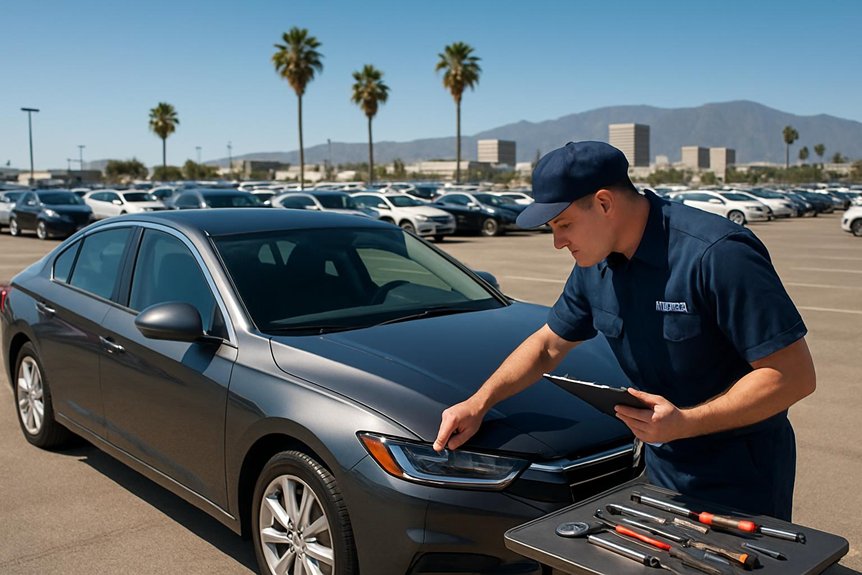
San Bernardino VIN inspections are mandatory for car exporters to confirm vehicle identity, deter fraud, and comply with legal export regulations. Exporters must provide proof of ownership, valid identification, and supporting documents before scheduling an inspection with an authorized agency. Inspectors verify the VIN against provided records and issue an official report, which is required for export approval. Thorough preparation helps prevent delays due to paperwork mismatches or documentation errors. Further information can clarify each step in this process.
Understanding the Role of VIN Inspections in Car Export
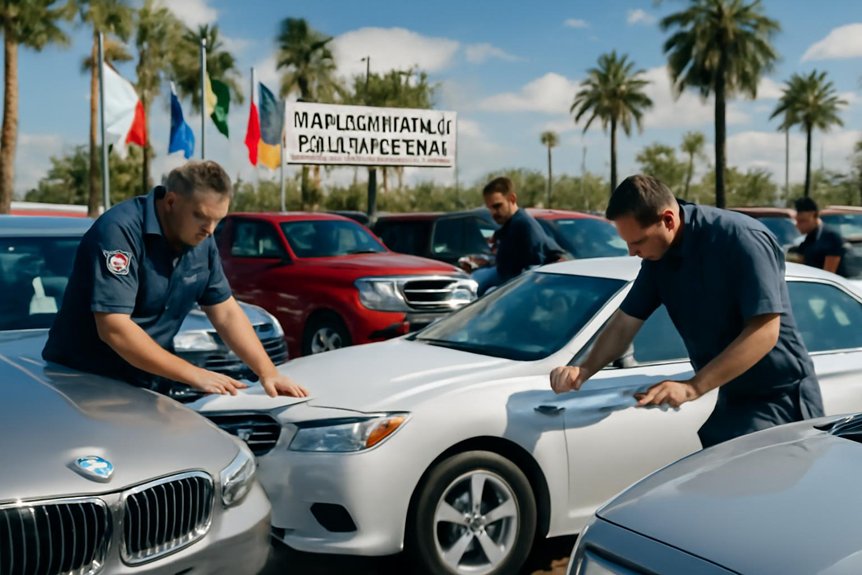
Before a vehicle can be legally exported from San Bernardino, a thorough Vehicle Identification Number (VIN) inspection is required to verify the car’s identity and guarantee compliance with federal and state regulations. This inspection serves as a critical safeguard, ensuring the VIN on the vehicle matches official documentation and is not associated with theft, fraud, or tampering. Regulatory authorities cross-reference the VIN against databases to confirm authenticity and legal standing. For exporters, this process supports the integrity of the automotive supply chain and helps prevent the circulation of stolen or unlawfully altered vehicles. Adhering to VIN inspection requirements not only fulfills legal obligations but also fosters trust and unity within the exporting community, positioning all participants as responsible contributors to global automotive commerce. Additionally, the VIN verification process is essential for registering out-of-state vehicles or trailers, which can further streamline the exportation efforts.
Step-by-Step Guide to the San Bernardino VIN Inspection Process
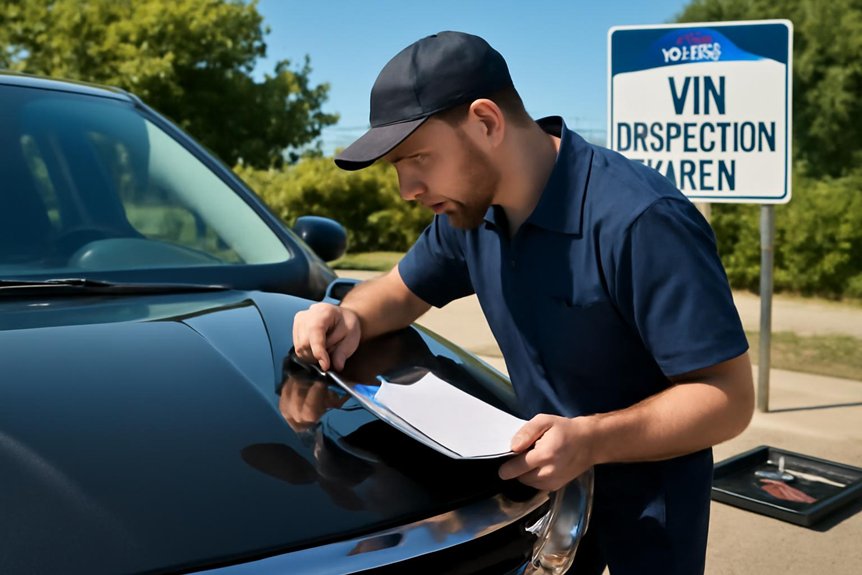
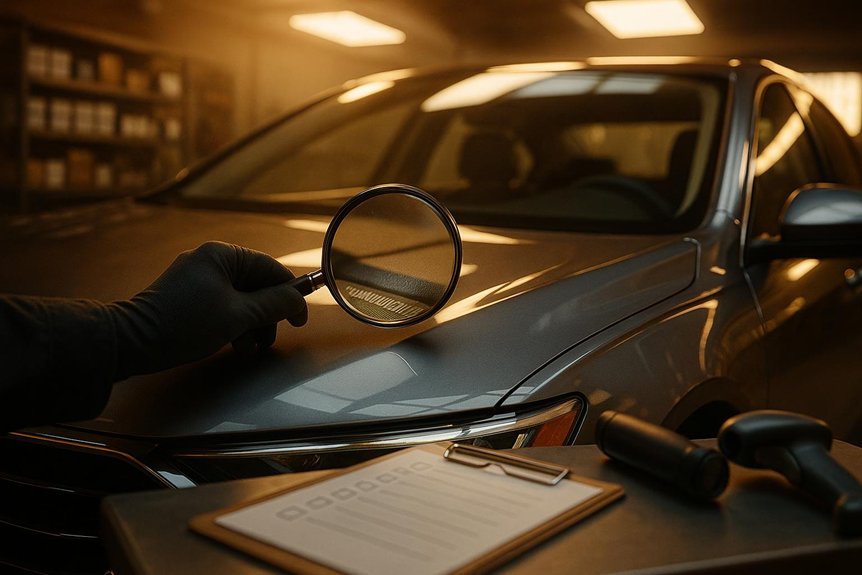
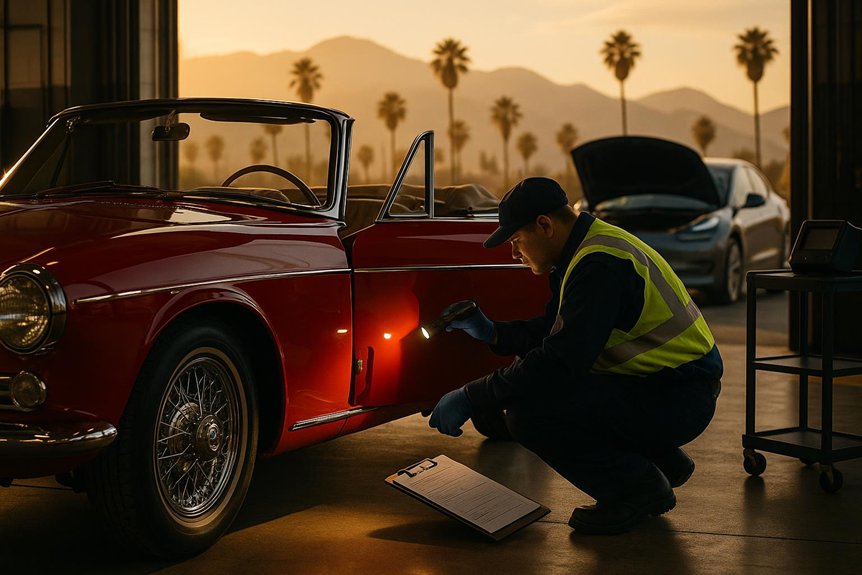
To initiate a San Bernardino VIN inspection, applicants must first gather all required documentation, including proof of ownership, a valid government-issued photo ID, and the vehicle’s current registration. Once documents are assembled, the applicant schedules an inspection appointment with an authorized inspection entity, such as the California Highway Patrol or a licensed DMV partner. At the appointment, the vehicle must be physically present for examination. Inspectors compare the vehicle identification number on the car with the number listed in the provided documents, ensuring consistency and authenticity. Any alterations, discrepancies, or signs of tampering are meticulously noted. Upon successful verification, the inspector completes the official VIN inspection form, certifying the vehicle’s identity. This certificate becomes a critical component for subsequent export compliance procedures. Additionally, it is important to understand that the VIN verification process is governed by California Vehicle Code regulations to ensure compliance and legitimacy.
Required Documents and Proof for Vehicle Export
Following the successful completion of a San Bernardino VIN inspection, vehicle owners must compile a thorough set of documents to proceed with export procedures. Essential documentation includes the original Certificate of Title or a certified copy, demonstrating clear ownership; the completed VIN inspection report; and a government-issued photo identification matching the owner’s name on the title. If there is an active lien, a notarized lien release letter is mandatory. Additionally, U.S. Customs and Border Protection (CBP) requires submission of the export declaration (CBP Form 7523 or 7501) and a bill of sale. All documents should be organized and submitted in both physical and digital formats, ensuring legibility and consistency across all paperwork. This systematic approach supports a smooth export process and fosters confidence within the exporter community. Vehicles must also undergo smog/emissions testing to ensure compliance with California regulations before export.
Common Issues and How to Avoid Inspection Delays
How frequently do preventable errors disrupt the VIN inspection process in San Bernardino? Such disruptions occur more often than most exporters expect. The most common issues include incomplete paperwork, mismatched vehicle identification numbers, and unreadable supporting documentation. Inspectors frequently encounter vehicles that lack a clear, legible VIN plate or present documents with inconsistencies between the title, registration, and bill of sale. Failure to provide required emissions or safety certificates also results in delays. Procedural oversights, such as missing signatures or unverified ownership, can prompt rejections or necessitate repeat appointments. Attention to detail is essential; each document should be reviewed for accuracy and completeness before the inspection. By understanding these recurrent obstacles, exporters can better align with procedural expectations and foster a more efficient inspection process. Additionally, ensuring compliance with California emission standards can significantly reduce the risk of delays.
Tips for a Smooth VIN Inspection Experience
Recognizing the frequency and nature of preventable errors underscores the value of proper preparation before a San Bernardino VIN inspection. Exporters should verify that all vehicle documentation—title, bill of sale, and registration—aligns precisely with the physical VIN. Ensuring the VIN is clean, legible, and unobstructed expedites examiner review. Arriving punctually with all required paperwork, including identification and appointment confirmation, fosters procedural efficiency and demonstrates respect for regulatory protocols. It is advisable to inspect the vehicle for any tampering or inconsistencies in VIN placement, as discrepancies may trigger further scrutiny or delays. By adhering to established guidelines and maintaining open communication with inspection staff, exporters not only streamline the process but also reinforce a sense of community commitment to compliance and operational excellence.
Frequently Asked Questions
Where Can I Find Authorized VIN Inspection Locations in San Bernardino?
The current question seeks information on locating authorized VIN inspection facilities. Individuals may consult the California DMV website, local law enforcement agencies, or certified private inspection services in San Bernardino for a thorough list of approved inspection locations.
How Much Does a VIN Inspection Cost in San Bernardino?
The current question addresses the cost of a VIN inspection in San Bernardino. Fees typically range from $5 to $50, depending on the inspecting agency. Community members are encouraged to confirm pricing with local law enforcement or DMV offices.
Are VIN Inspections Available for Motorcycles or Commercial Vehicles?
The current question concerns VIN inspections for motorcycles and commercial vehicles. VIN inspections are indeed available for both categories. Applicants must guarantee all required documentation is provided, as inspection procedures and eligibility requirements may vary depending on vehicle classification.
Can I Schedule a VIN Inspection Appointment Online?
The current question addresses the availability of online scheduling for VIN inspection appointments. Individuals can typically schedule VIN inspections online through the relevant local law enforcement or DMV website, ensuring inclusion in the official process and efficient appointment management.
Who Is Qualified to Perform VIN Inspections in San Bernardino?
The current question addresses the qualifications required to conduct VIN inspections. In San Bernardino, authorized personnel include California law enforcement officers, licensed DMV employees, and certain certified vehicle verifiers. These professionals guarantee accuracy, compliance, and support community trust in vehicle identification procedures.