
Student Moving to California: University Parking Permit Requirements
October 18, 2025
VIN Verification Appointment: What Happens Step-by-Step
October 18, 2025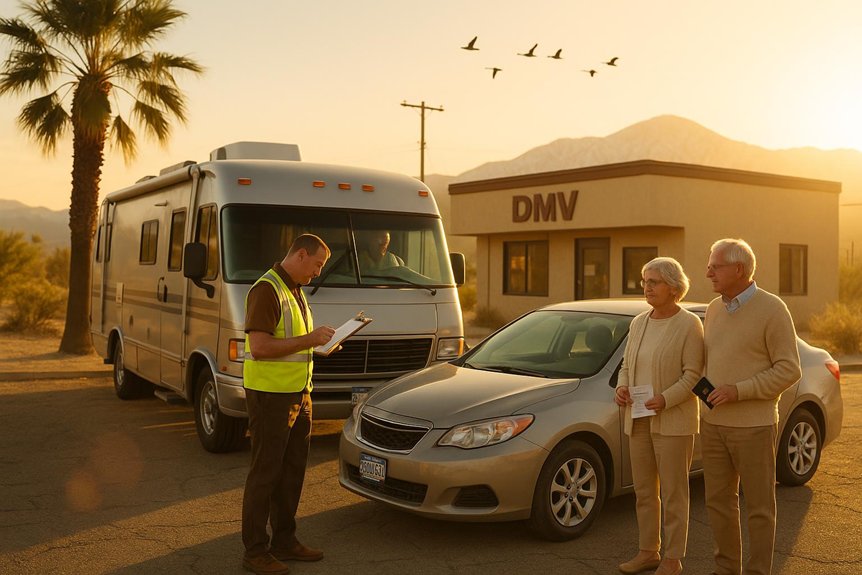
If you’re a snowbird bringing an out‑of‑state car to your winter state, you’ll often need a VIN verification—especially when changing garaging addresses, transferring titles, or fixing mismatched paperwork. You can use DMV/tax offices, law enforcement, certified safety/emissions stations, or approved mobile verifiers, sometimes on-site. Bring your out‑of‑state title or registration, photo ID, insurance proof, any lien release, and the verifier form. Schedule 2–4 weeks ahead and align with renewals. Avoid expired IDs, unreadable VINs, and address mismatches—there’s more to streamline the process.
When VIN Verification Is Required for Seasonal Residents
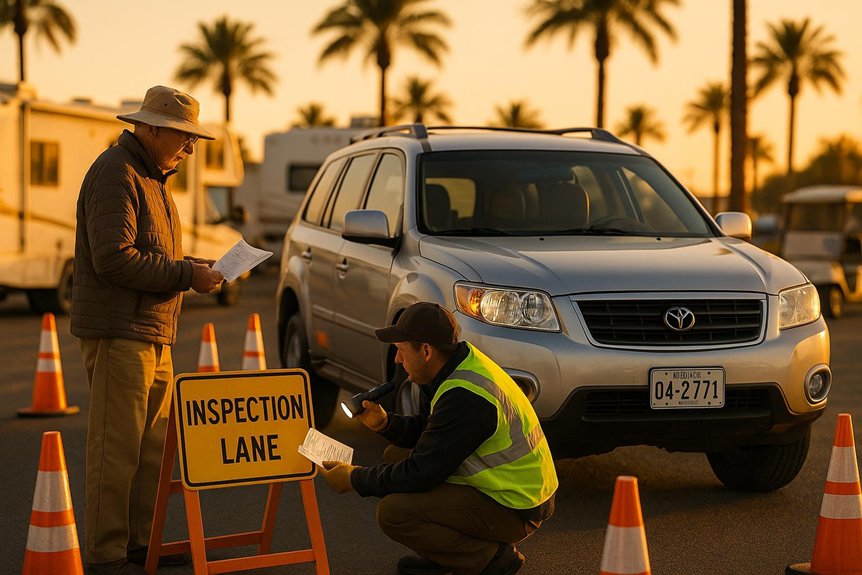
For many seasonal residents, you’ll need a VIN verification when you bring an out-of-state vehicle into your winter state, switch your primary garaging address, or register a car that’s been off the local rolls. You’re confirming the vehicle’s identity so your records match the community’s standards.
You’ll also face verification after title transfers between states, corrections to mismatched paperwork, salvage rebuilds, or if the VIN plate looks altered or unreadable. Expect it when emissions or safety programs require accurate identification.
If your registration lapsed long enough to fall inactive, plan on it. The verification process prevents theft and fraud by ensuring the vehicle identification number on your car matches official title documents and database records. Verify early so you arrive, settle in, and belong.
Who Can Perform the Inspection and Where to Go
Depending on your winter state, you’ll get a VIN inspection from authorized parties like DMV or tax collector offices, licensed law enforcement, certified emissions or safety stations, or approved private verifiers. You’re free to choose what fits your routine and community.
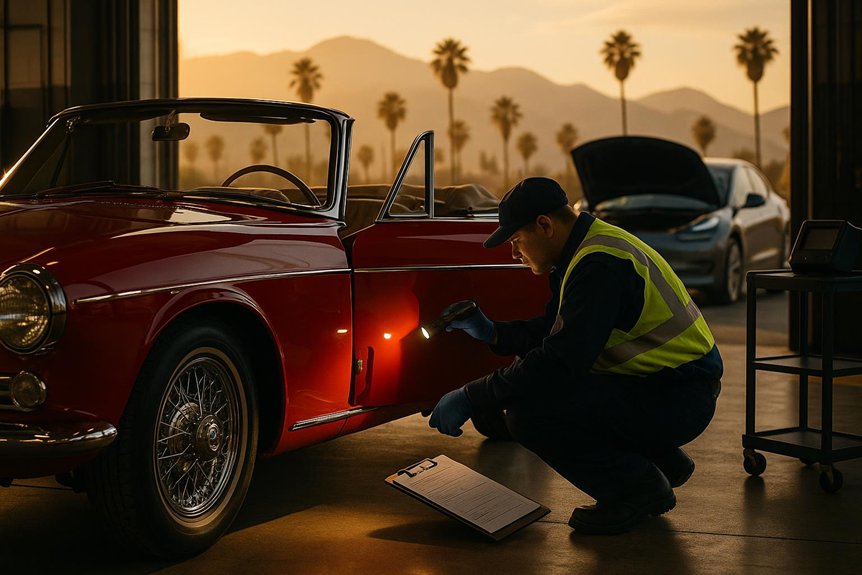
Many snowbirds visit a local DMV or county office near their park. Others invite a mobile verifier to their resort, clubhouse, or storage lot. If your state allows, a sheriff’s deputy or state trooper can inspect at your site.
Some emissions stations bundle VIN checks with testing. Confirm fees, hours, and eligibility by county. Book ahead during peak arrival weeks. The verifier will complete documentation on the REG31/VIN verifier form, recording your vehicle’s year, make, model, and VIN to ensure everything matches your title.
Documents to Bring and How to Prepare
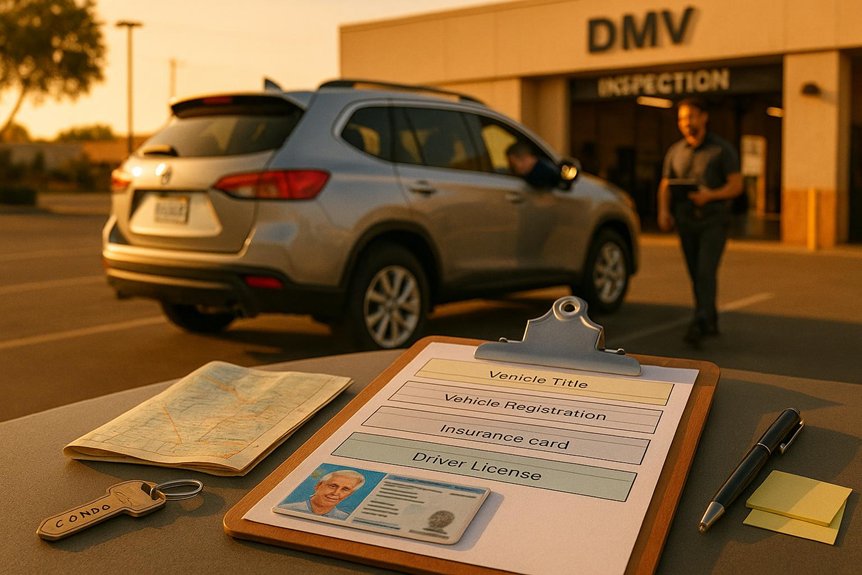
Bring the essentials so your VIN check goes fast: your out-of-state title or current registration, a valid photo ID, proof of insurance if your state requires it, and the vehicle itself clean enough for the inspector to read the VIN plate and stickers.
Bring any lien release or loan documents if the title lists a lender. Pack your appointment confirmation and the verification form your state uses. Snap photos of every VIN location before you go.
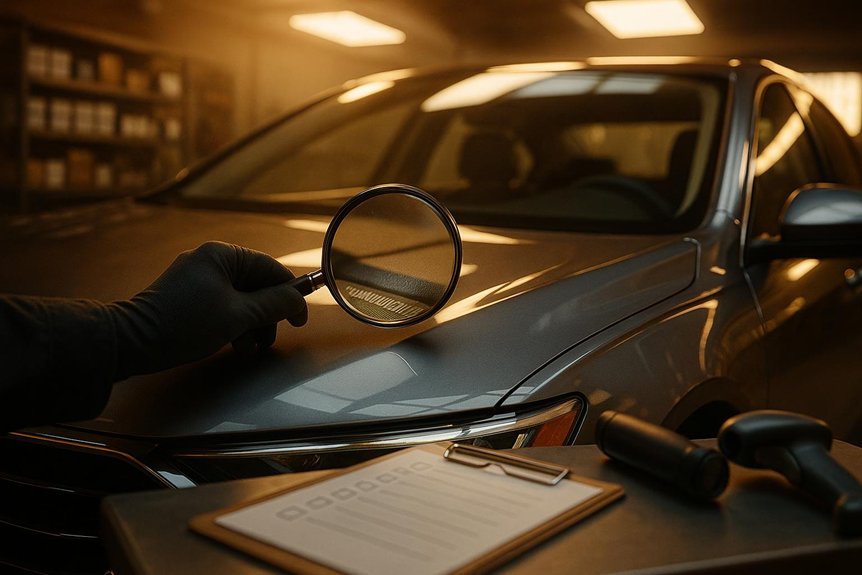
Verify the VIN matches across dash, door jamb, engine bay, and paperwork. Arrive with a readable license plate, accessible hood, and unlatched doors. The inspector will follow the REG31 form from top to bottom, documenting your vehicle’s year, make, model, VIN location, number of wheels and axles, fuel type, and odometer reading. You’ve got this.
Timing Tips, Renewals, and Cross-Border Nuances
While seasons shift and borders beckon, timing your VIN verification matters more than you think. Schedule early—two to four weeks before departure—so you’re not squeezed by appointment backlogs. If your registration renewal falls mid-migration, align verification within the renewal window of your home state or province to keep plates current.
Plan cross-border moves with document continuity. Verify before leaving if your destination requires residency proof you won’t have yet. If you winter abroad, confirm whether the verification must occur in your home jurisdiction. Build a reminder cadence: departure, midpoint check, pre-return. Share dates with your community to coordinate rides and appointments.
Common Pitfalls and How to Avoid Delays
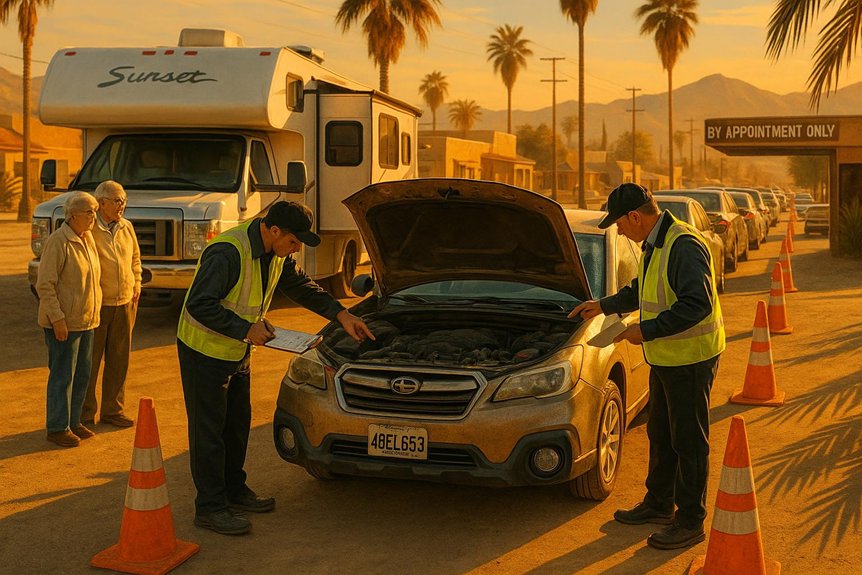
Even seasoned snowbirds stumble over preventable snags that stall VIN verification. You can avoid delays by confirming your VIN matches on the dashboard, door jamb, title, and insurance.
Don’t show up with expired IDs, missing registrations, or unreadable VIN plates—clean the stamp and bring originals. Book verification appointments early; walk-ins fill fast when everyone migrates.
If you tow or store vehicles, keep them accessible for inspectors. Declare liens and out-of-state titles upfront. Print import/export forms if you cross borders. Verify your address matches your seasonal residence.
Keep proof of emissions or safety checks handy. Ask questions early; we’ve got your back.
Frequently Asked Questions
How Does VIN Verification Affect Insurance Rates for Seasonal Residents?
It can lower rates by confirming your vehicle’s identity and reducing fraud risk. You’ll show stability across states, qualify for accurate garaging, and avoid mismatched records. Keep documentation handy, update both locations, and ask your insurer about multi-state discounts.
Are Mobile VIN Verification Services Available for RVS and Trailers?
Yes, many states allow mobile VIN verification for RVs and trailers. You can book certified inspectors who visit campsites or storage lots. Ask about fees, appointment windows, accepted documents, and whether they handle out-of-state or reconstructed titles.
Does Verification Differ for Leased or Financed Vehicles?
Yes, verification usually doesn’t differ for leased or financed vehicles. You’ll still need the VIN inspection, valid ID, and paperwork. Bring your lease or lien documents so officials can match ownership. You’ve got this—we’re all traversing it together.
Can Snowbirds Verify Classic or Salvage-Title Vehicles Differently?
Yes—you can, but requirements tighten. You’ll follow standard VIN checks, then provide extra documentation: prior title history, restoration or repair records, and enhanced inspection proof. Coordinate with the verifying agency early so your community-minded journey stays smooth and welcomed.
How Are Out-Of-State Temporary Tags Handled During Verification?
They’re accepted if valid and readable. You present the temp tag and ID, and inspectors record it with your VIN. Bring proof of ownership and insurance. Don’t worry—you’re following the same process your neighbors use.