
Hotel VIN Verification: Service for Travelers and Tourists
October 18, 2025
Airport VIN Verification: Fly and Buy Vehicle Services
October 18, 2025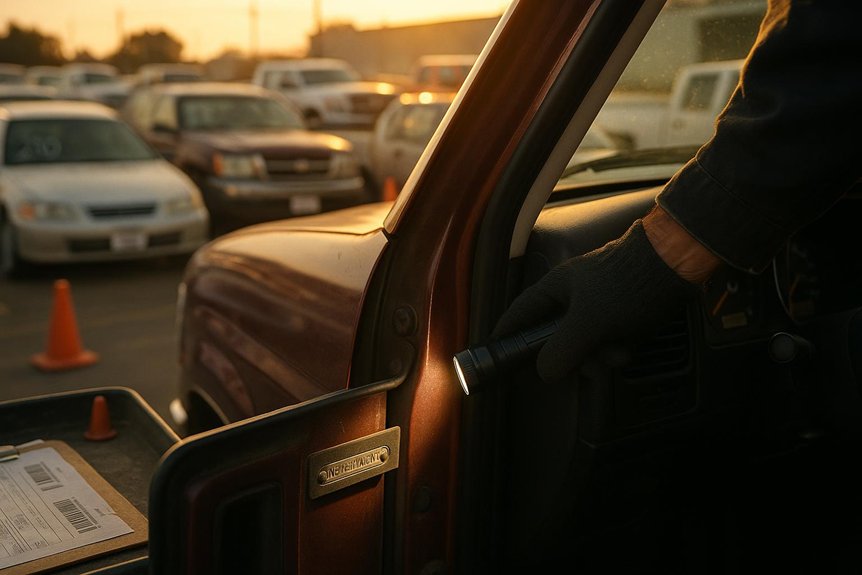
VIN verification protects your wholesale and auction deals by confirming identity, matching titles, and validating year, trim, and equipment. You’ll spot theft, salvage brands, odometer issues, and tampering before they hit your margins. Scan every VIN source, confirm the check digit, and cross-check titles, condition reports, NMVTIS, and recalls. Use mobile scanners, trusted decoders, OBD-II data, and document everything for compliance. Train staff and follow state rules to avoid arbitration and surprises. Here’s how to do it right.
Why VIN Verification Is Critical in Wholesale and Auction Deals
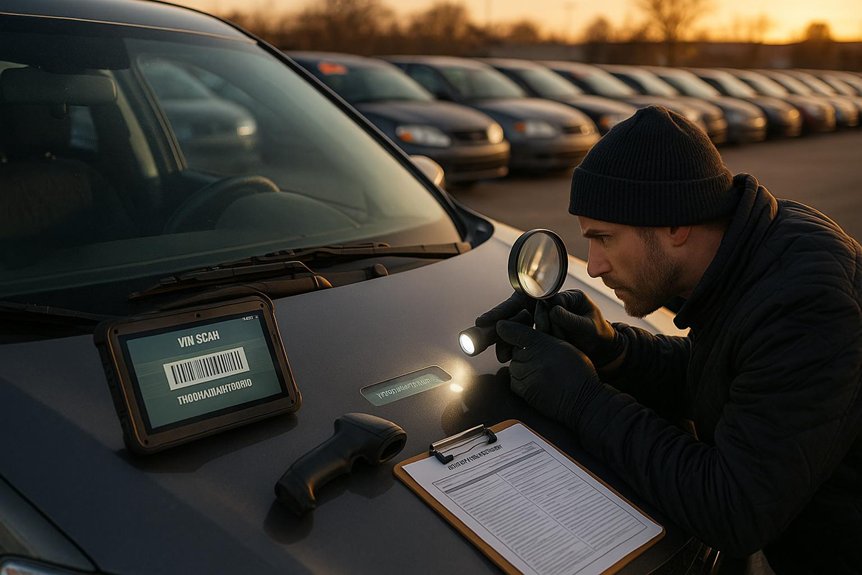
Whether you’re buying in bulk or bidding fast, VIN verification protects you from costly mistakes. It’s your anchor in chaotic lanes and tight timelines. You confirm the vehicle’s identity, match titles, and validate equipment, trim, and model year so your numbers stay right. You also spot title brands, theft records, and odometer discrepancies before they become your problem.
In a crowded marketplace, consistent VIN checks signal professionalism. Your team trusts the process, and partners trust you. You negotiate confidently, appraise accurately, and floorplan cleanly. With every scan, you reduce arbitration risk and unexpected recon. You win deals without second-guessing—and your store moves together. The verification prevents theft and fraud by ensuring the vehicle identification number matches official records and confirms the vehicle exists as documented.
Common VIN Pitfalls With High-Volume and Mixed-Condition Inventory
Strong processes keep you sharp at auctions, but high volume and mixed-condition units introduce new traps. You’ll see rushed lot tags, sun-faded stickers, and hand-written VINs that hide transposed digits.
Flood or collision cars may have corroded plates, replaced dashboards, or mismatched VIN locations. Parts cars and upfits can carry donor components that confuse year, engine, or restraint codes. Export returns sometimes use alternate market VIN formats.
Salvage rebuilds may show welded pillars with tampered rivets. Windshield etchings, door labels, and titles won’t always match. In the chaos, you win by slowing down, cross-referencing sources, and leaning on your team. Professional VIN verification helps identify discrepancies across databases and acts as a protective measure against the fraud common in high-volume dealer operations.
Step-by-Step VIN Decoding and Validation Workflow for Dealers
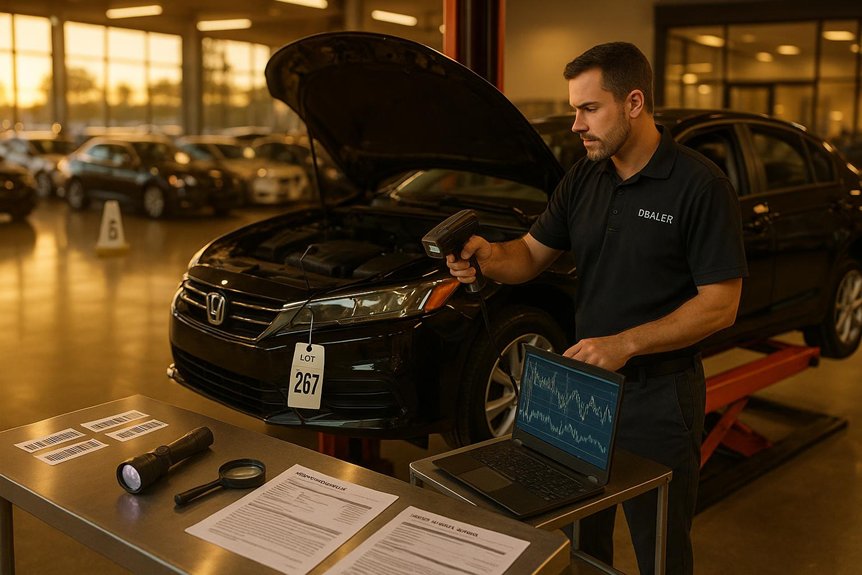
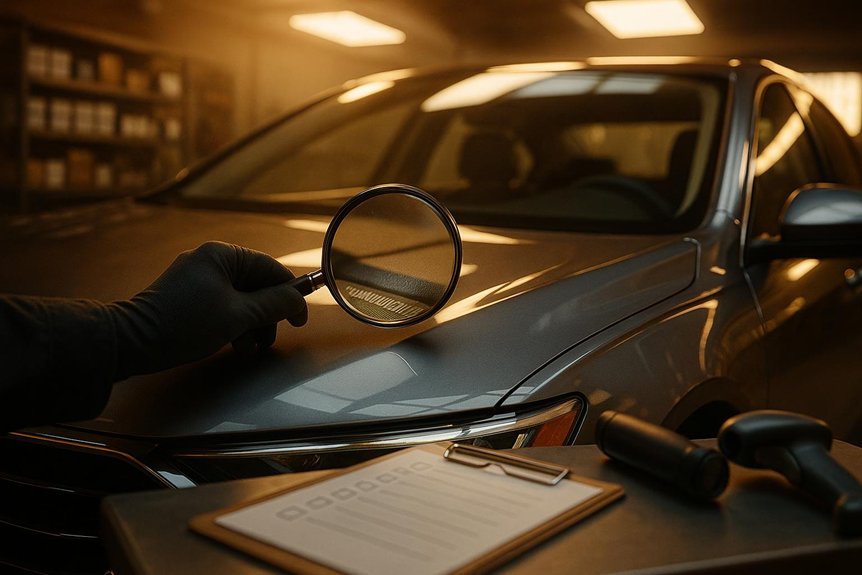
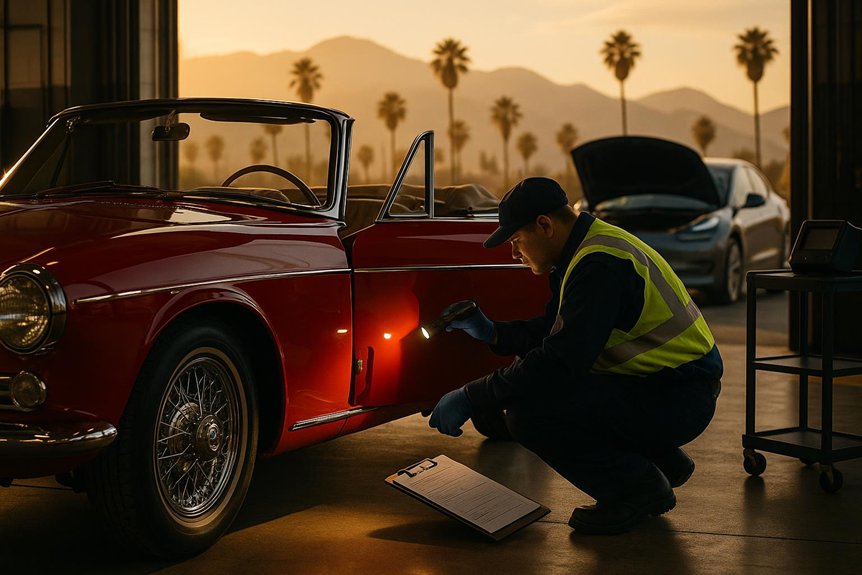
Before you bid, buy, or book a recondition, lock in a repeatable VIN workflow: start by locating every VIN source on the vehicle (dash plate, door jamb, engine bay stamp, windshield etch, frame stamp, and any secondary labels) and confirm they match character-for-character.
Then decode: verify WMI for country and brand, check VDS for body, engine, restraint, and model, and validate VIS for year, plant, and sequence. Confirm the check digit. Cross-verify title, auction sheet, and bill of sale.
Inspect tamper signs—mismatched rivets, altered fonts, uneven etching. Capture photos, note discrepancies, escalate exceptions, and document outcomes teamwide. Many dealerships rely on state-of-the-art verification technology to streamline this process and maintain comprehensive records across their wholesale and auction operations.
Tools and Data Sources to Automate and Speed Up Verification
Although hands-on checks matter, you’ll move faster and reduce errors by pairing them with purpose-built tools and authoritative data. Use barcode/QR VIN scanners on mobile devices to capture characters cleanly. Feed scans into trusted decoders (NHTSA, ISO-compliant services) to validate structure and check model details. Connect auction platforms’ condition reports and OBD-II telematics for odometer and fault corroboration.
Pull histories from NMVTIS and reputable vehicle-history providers to flag salvage, theft, and title brands. Query lien/recall databases to spot obligations and safety holds. Automate cross-checks in your DMS/CRM via APIs, logging every step. With shared dashboards, your team moves as one.
Compliance Essentials and State-Specific Requirements for Title Integrity
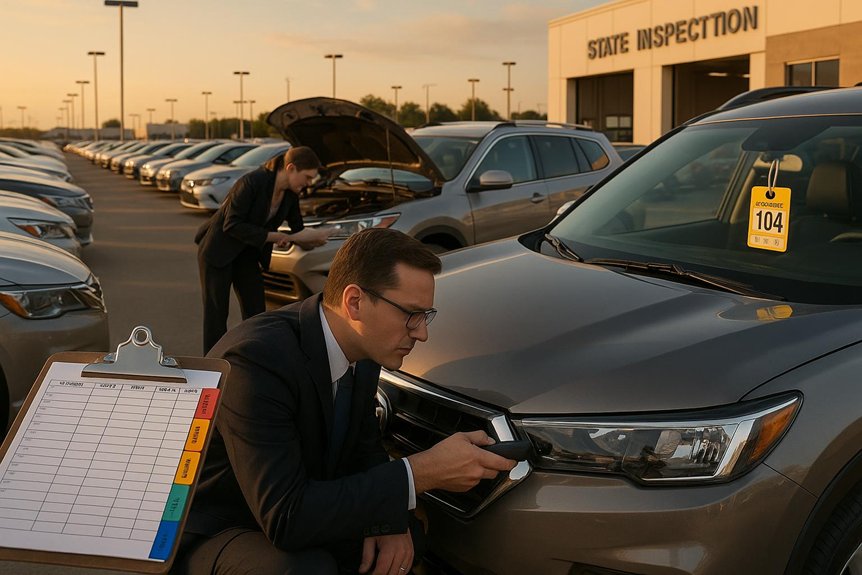
A compliant VIN process protects title integrity and keeps your dealership out of regulatory trouble. You’re part of a community that wins by doing things right, together. Start by documenting VIN captures, chain of custody, and any corrections. Maintain audit trails, time stamps, and user IDs in your DMS.
Know your state’s rules: some require physical VIN inspections, bonded titles, rebuilt-salvage disclosures, or emissions conformity before transfer. Others mandate certified inspectors or specific verification forms. Cross-check NMVTIS, state DMV databases, and theft/salvage alerts. Train staff, refresh annually, and archive records per statute. When in doubt, consult counsel and your state’s dealer association.
Frequently Asked Questions
How Do VIN Errors Impact Flooring Audits and Curtailment Schedules?
They trigger audit exceptions, erode lender trust, and can freeze funding. You’ll face reconciliation work, penalties, and tighter oversight. Curtailments may accelerate, increasing cash strain. Fix data quickly, retrain teams, and use validation tools so everyone stays aligned and supported.
What Training Should Auction Lane Staff Receive for VIN Spotting?
Train staff to read full 17-digit VINs, decode check digits, match dash, door, and frame stamps, spot tampering, use scanners, photograph tags, cross-check run sheets, escalate mismatches, and practice with real examples. Celebrate accuracy, coach mistakes, reinforce teamwork.
How to Handle VIN Discrepancies Found After Arbitration Windows Close?
Escalate internally, document everything, and collaborate with sellers to negotiate make-goods or partial refunds. If that fails, pursue post-sale inspection remedies, manufacturer history checks, and title correction. Share lessons, update processes, and support teammates so everyone feels protected.
Can Mobile VIN Scanners Integrate With DMS Inventory Feeds?
Yes. You can integrate mobile VIN scanners with DMS inventory feeds via APIs, webhooks, or middleware. You’ll sync decode results, attach scans to stock records, trigger status updates, and standardize formats, keeping your team aligned and confident.
How Are Rebuilt or Kit Car VINS Verified Before Wholesale Resale?
They’re verified through state inspections, title branding checks, and NCIC/NMVTIS database matches. You gather build documentation, receipts, and photos, confirm VIN plate integrity, and submit for a certified VIN inspection. You then retain reports, update titles, and disclose transparently.