Why a Clean AutoCheck Report Doesn’t Replace VIN Verification
October 18, 2025
Physical VIN Inspection Vs Database Check: What’s Required by Law
October 18, 2025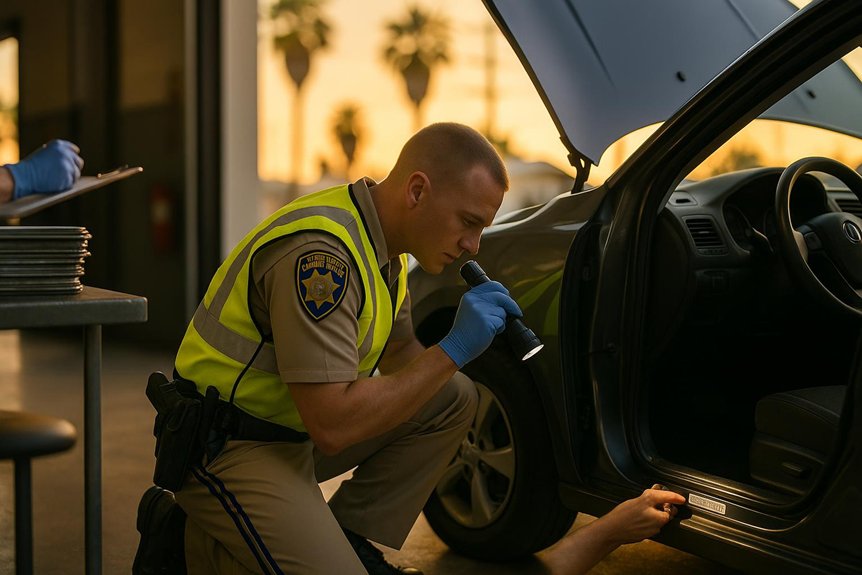
A VIN verification confirms your car’s identity by matching its stamped Vehicle Identification Number to your title and documents, helping prevent fraud and ensuring clean registration in California. You’ll need it for out-of-state registrations, salvages, imports, classics, or when numbers don’t match. Get verified at the DMV, CHP, or by a licensed mobile verifier. Bring your title, ID, proof of ownership, and any import or rebuild papers. Expect a quick inspection and modest fees—next, see how to avoid common delays.
What a VIN Verification Is and Why California Requires It
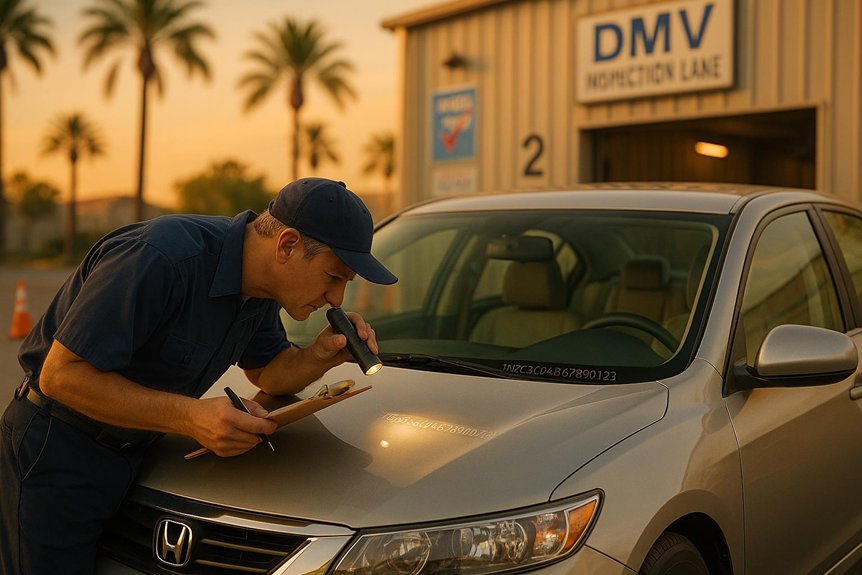
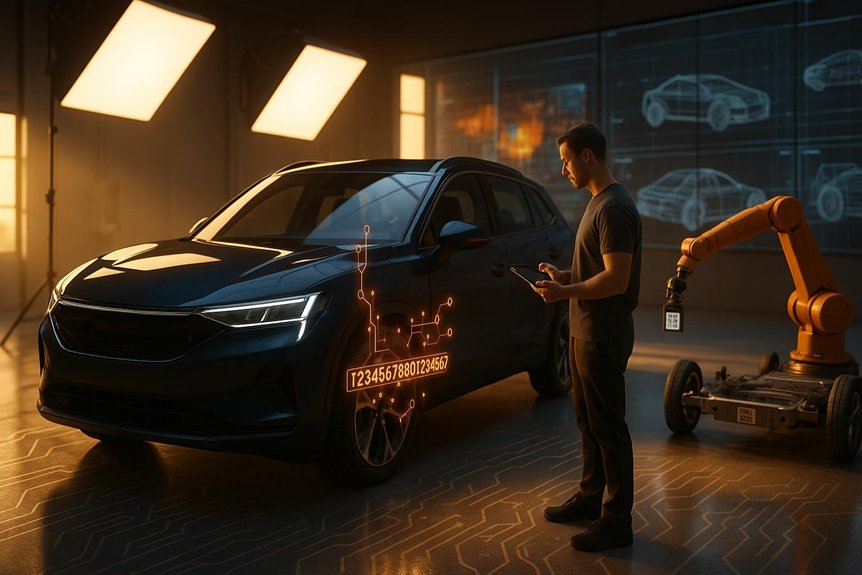
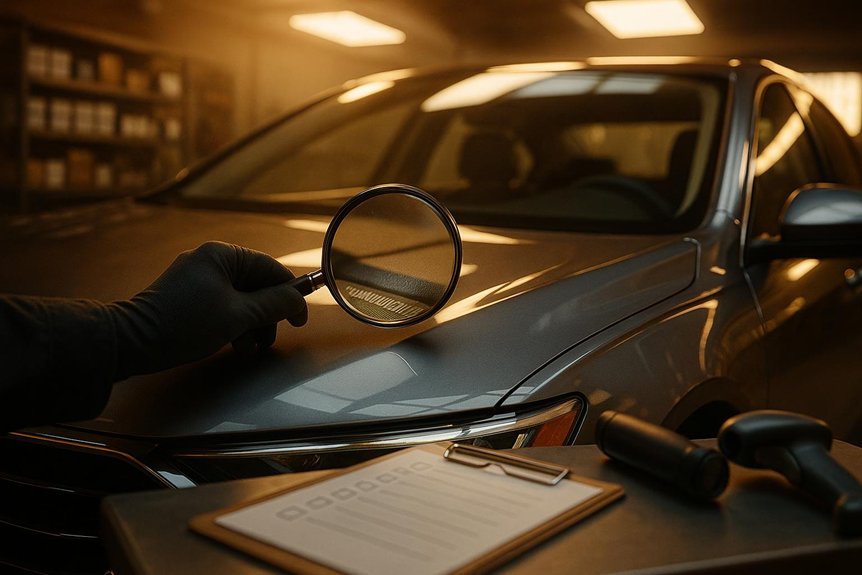
A VIN verification confirms a vehicle’s identity by comparing its Vehicle Identification Number to ownership documents and physical identifiers on the car. You meet a trained verifier, present your vehicle, and they check the VIN plate, stickers, and frame markings to guarantee everything matches. It’s a quick, hands-on look that protects you and the community.
California requires VIN verification to prevent title fraud, recover stolen vehicles, and keep registration records accurate. By verifying, you help maintain fair roads, reliable insurance data, and trust in the statewide system. The inspection is documented on a REG31 form that records critical details including the vehicle year, make, model, VIN location, number of wheels and axles, fuel type, and odometer reading. You’re not just checking a box—you’re joining a shared effort to keep California’s driving community safe and accountable.
Who Needs a VIN Verification and When It’s Required
Whether you’re registering an out‑of‑state car, reviving a salvage title, or fixing a paperwork mismatch, California may require a VIN verification before you can get plates. You’ll also need one if your car was never titled in California, the VIN plate looks altered, or records don’t match your vehicle’s numbers.
Bringing in a classic, kit, gray‑market, or diesel import? Expect a check. So will trailers and motorcycles with unclear histories. Moving here with a vehicle that’s been off the road or stored long‑term? Plan on it.
A quick verification confirms identity, keeps titles clean, and helps you join California’s road community. The process involves a physical inspection of the vehicle mandated by the California DMV, with documentation completed on the REG31/VIN verifier form that records key details such as vehicle year, make, model, and VIN.
Where to Get Verified: DMV, CHP, or Licensed Verifier
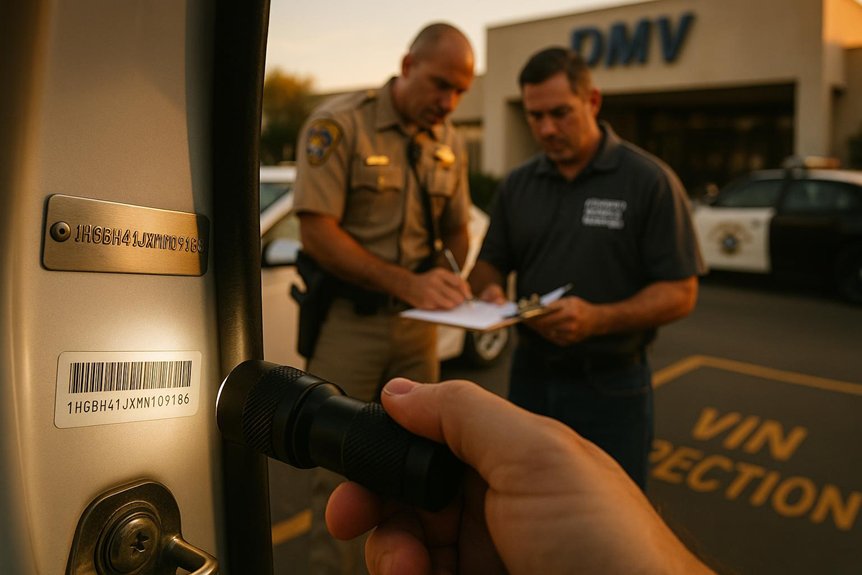
Although the state offers several options, you’ll typically get a VIN verification at the DMV, the California Highway Patrol (CHP), or through a licensed mobile verifier. The DMV is the default choice—convenient, affordable, and available statewide, though appointments can book up.
CHP offices handle more complex cases and may offer clearer guidance when there’s confusion about vehicle history. Licensed mobile verifiers come to you, saving time and stress, and they’re great if you’re juggling work or family. These convenient VIN verification locations offer quick and efficient service with affordable fees for all types of vehicles. Choose what fits your schedule, budget, and comfort. You’re not alone—Californians use all three paths every day and get verified smoothly.
Documents to Bring and What Happens During the Inspection
Once you’ve picked where to go—DMV, CHP, or a licensed mobile verifier—show up prepared. Bring your out-of-state title or registration, proof of ownership (bill of sale or lease agreement), a valid photo ID, and insurance if you have it.
If the vehicle was rebuilt, carry receipts for major parts. For imports, include customs or EPA/DOT documents.
During the inspection, you’ll present paperwork and your vehicle. The verifier will locate and read the VIN plates and stickers, compare them to your documents, and check emissions labels if applicable. They’ll note mileage, body type, and weight ratings. Stay with your vehicle and answer simple questions.
Costs, Common Pitfalls, and Tips to Avoid Delays
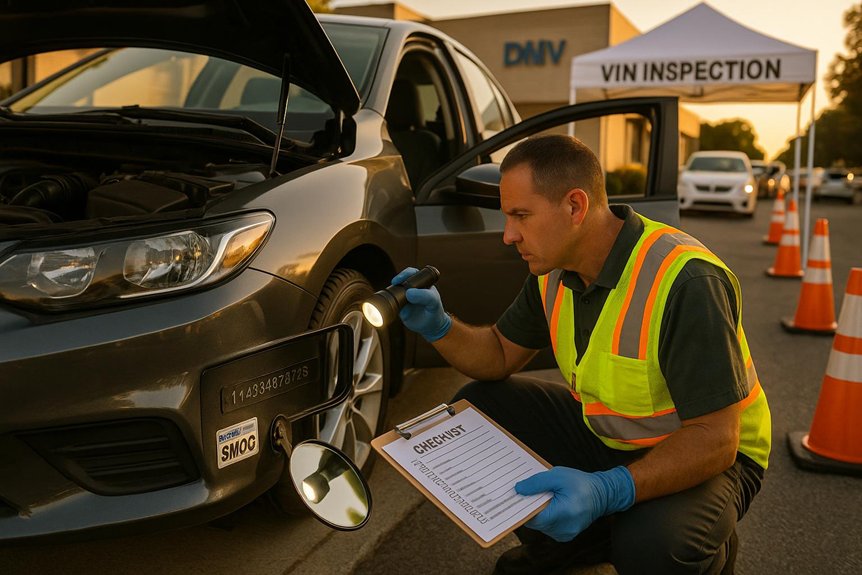
Expect a modest verification fee plus any DMV registration and use-tax charges, but know that extras can add up if issues surface. Mobile verifier travel, VIN corrections, or out-of-state title problems can increase costs.
Avoid common pitfalls: unreadable VIN plates, mismatched paperwork, missing odometer disclosures, aftermarket parts blocking stampings, or a dead battery preventing access. Clean the VIN areas, bring original titles, bills of sale, lien releases, and smog proof if required.
To prevent delays, schedule early, confirm your vehicle is present and accessible, have plates and stickers handy, and photograph VIN locations. Ask questions ahead so you’re prepared and confident.
Frequently Asked Questions
Can I Schedule VIN Verification Online or via a Mobile Service?
Yes—you can schedule online with the DMV or AAA, and many licensed mobile VIN verifiers come to you. Book a slot, have your car and documents ready, and you’ll feel supported through the quick, friendly process.
How Do VIN Verifications Work for Classic or Antique Vehicles?
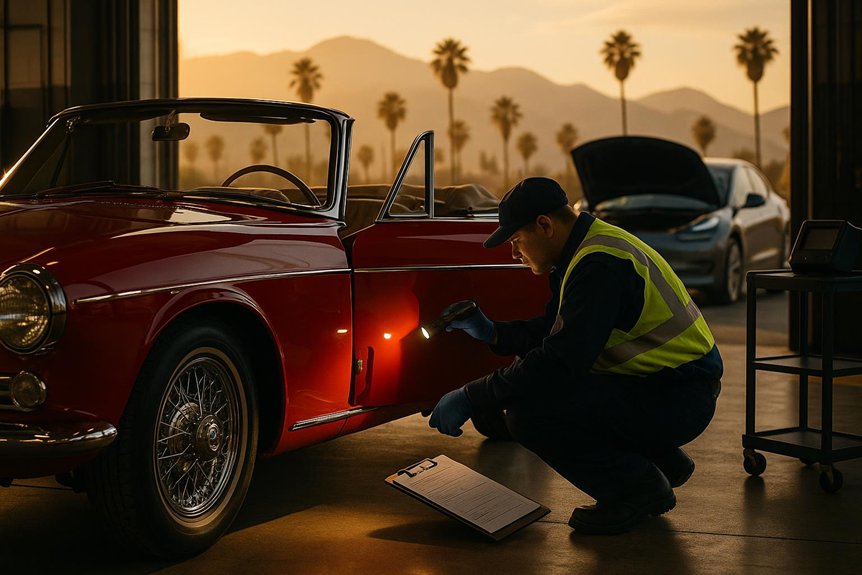
They follow the same process, but you’ll show extra docs: VIN plate, chassis/frame stamp, engine number, and modifications proof. Bring title, bills of sale, photos, and build sheets. Schedule a DMV, CHP, or licensed verifier.
What if My Vehicle Has a Reconstructed or Salvage Title?
You’ll need a VIN verification and extra documentation. Bring your salvage/reconstructed title, repair receipts, brake/light certificates, weight slip if required, and IDs. Expect a CHP inspection for identity and safety. Schedule early, stay patient, and you’ve got this.
Are Out-Of-State Leased Vehicles Verified Differently in California?
Yes—leased vehicles follow the same VIN verification, but you’ll also show the lease agreement and lessor’s info. Bring out-of-state title or registration, insurance, and valid ID. Schedule CHP/DMV or licensed verifier. You’ve got this; it’s routine.
How Is VIN Verification Handled for Imported Gray-Market Vehicles?
You’ll need a CHP or licensed verifier to inspect identity, import docs, and Federal/California compliance. Bring customs forms (7501), EPA/DOT labels or exemptions, translations, and ownership. Expect stricter scrutiny, possible REF/BRD inspections, and repairs before registration. You’ve got this.