Kit Car VIN Verification: Specially Constructed Vehicle Process
October 18, 2025
Electric Vehicle VIN Verification: Rivian, Lucid, and Others
October 18, 2025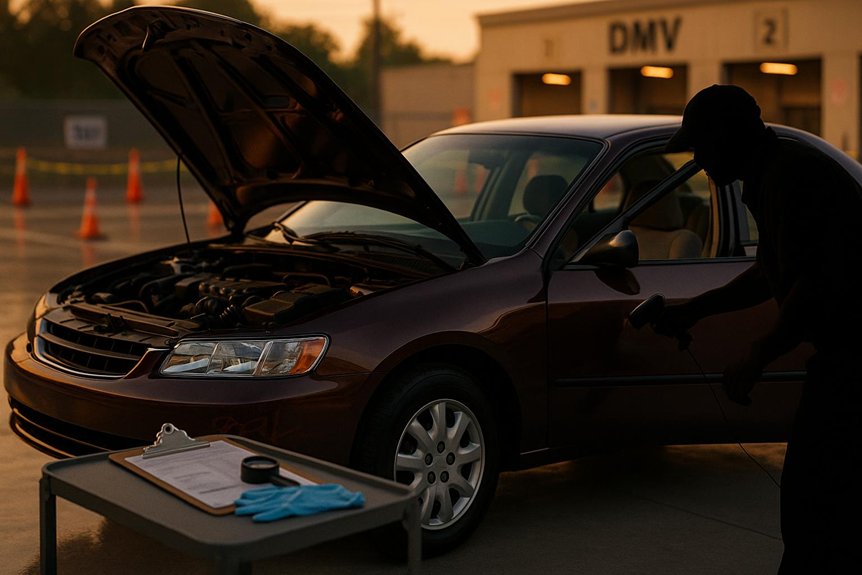
To turn a salvage title into a rebuilt title, you’ll need a VIN verification to confirm the vehicle’s identity matches legal records and wasn’t cloned or tampered with. Law enforcement, DMV officials, or certified verifiers can inspect at the DMV, CHP/police, dealership, or your location. Do it before major work and before titling. Bring ID, salvage title/bill of sale, receipts for major parts, photos, and required forms. Requirements vary by state, fees, forms, and inspectors—here’s how to get it right.
What VIN Verification Is and Why It Matters
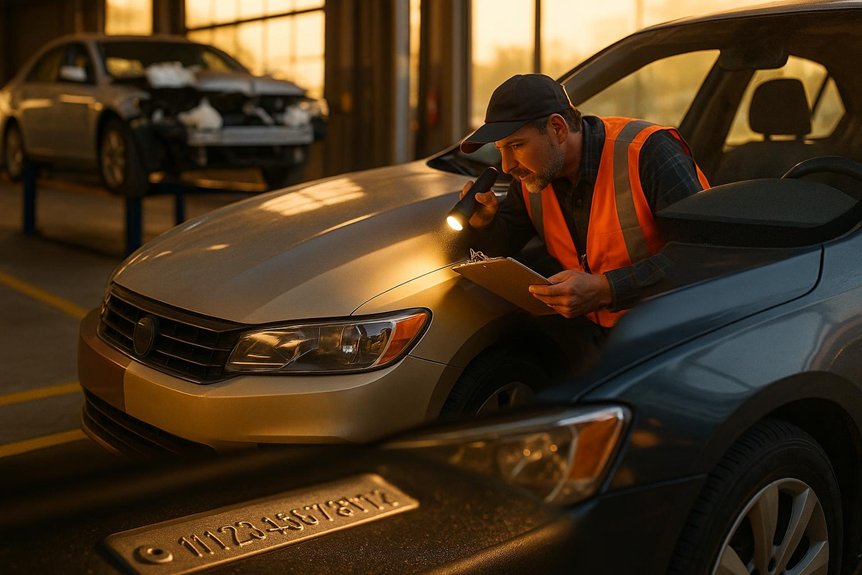
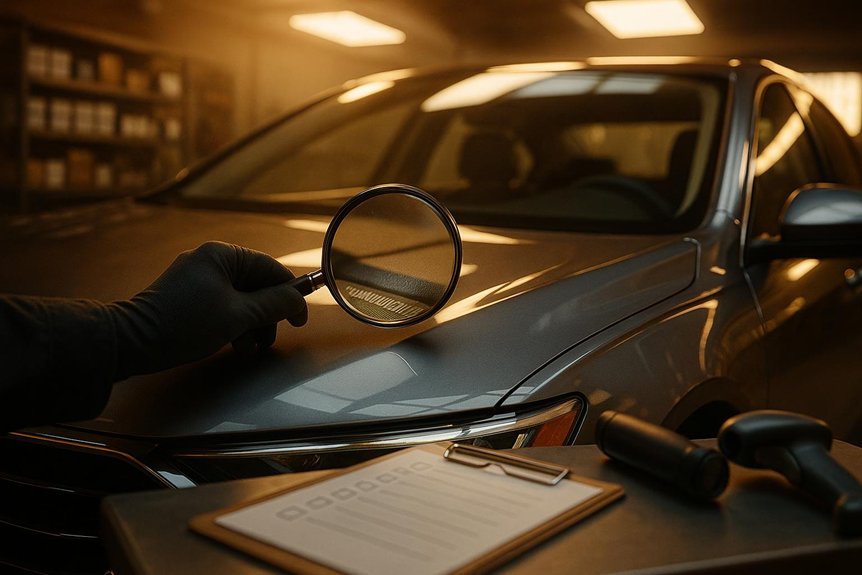
Although it sounds technical, VIN verification is simply the process of confirming a vehicle’s identification number matches its physical and legal records. You’re checking that the stamped or affixed VIN on your car aligns with titles, bills of sale, and databases, so your rebuild stands on solid ground.
Why it matters: it protects you from hidden theft, cloning, or tampering; it validates parts sourcing; and it proves your salvage-to-rebuilt path is transparent. You’re signaling you belong on the road—insured, registered, and trusted. Skipping it risks delays, denials, and fines. Do it right, and you’ll move forward confidently with a documented, legitimate vehicle. The inspection is documented on a REG31 form, which follows a standardized process to record vehicle details including year, make, model, VIN location, fuel type, and odometer reading.
Who Can Perform VIN Inspections and Where They Happen
Three types of professionals typically handle VIN inspections: law enforcement officers, DMV or state licensing officials, and certified private inspectors (such as licensed VIN verifiers or authorized dealers). You’ll choose based on your state’s rules and your comfort.
If you prefer an official setting, visit a DMV or licensing office. Some police departments offer inspections by appointment, especially for salvage and recovered vehicles.
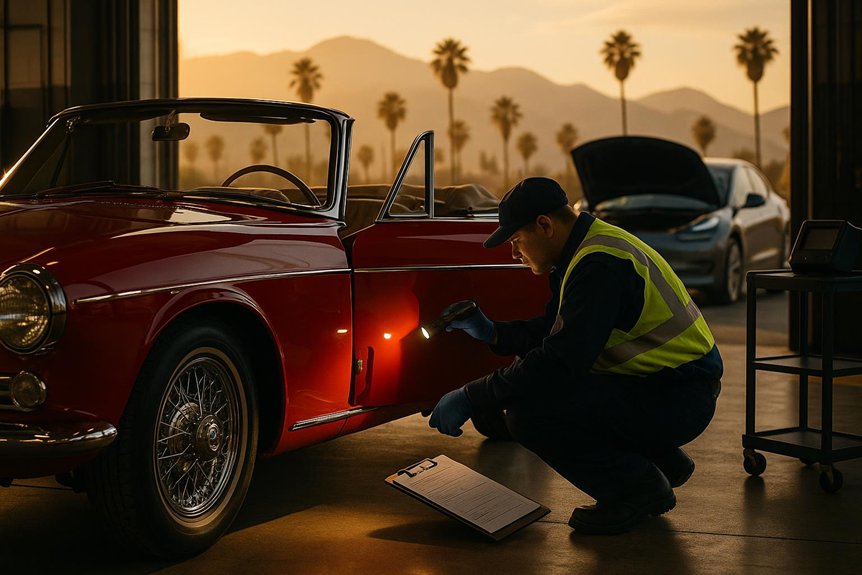
Want convenience? Certified private inspectors meet you at home, your shop, or a neutral site, often faster. Inspections happen curbside, in driveways, at DMV lanes, or dealership bays. Bring your ID, title documents, and receipts so everything matches. For salvaged vehicles specifically, legitimate referrals often direct you to CHP inspection, which specializes in handling these more complex verification cases.
When in the Rebuild Process You’ll Need VIN Verification
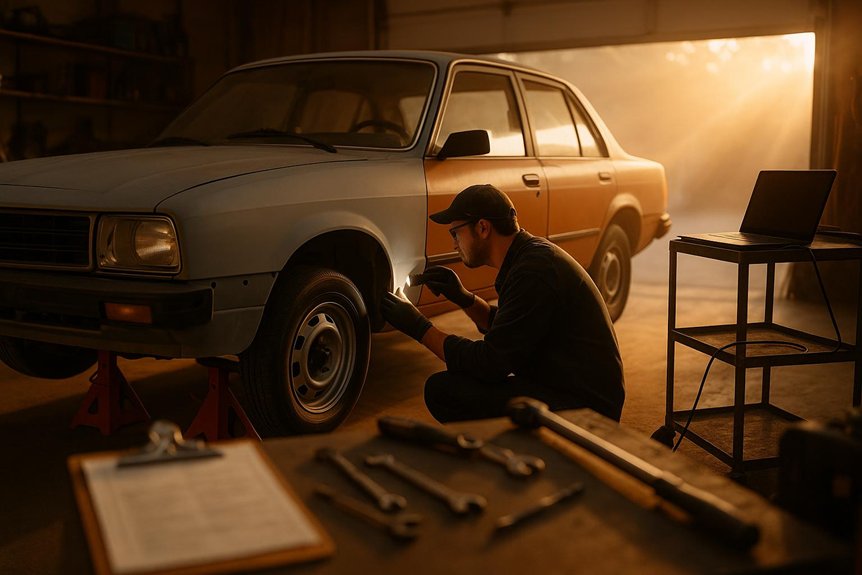
Start VIN verification at two key points in a rebuild: before major work and before titling. You’ll confirm the vehicle’s identity early so you’re rebuilding the right car, with matching numbers and no hidden issues. Do this before you swap frames, cut panels, or replace major components.
Then, schedule a final verification when the vehicle is road-ready. Lights, brakes, and safety items should be installed, and the VIN plates accessible and clean. Inspectors want a complete, safe car that matches records. If you add aftermarket parts, keep them installed for the check. Plan these two touchpoints, and you’ll move confidently with your crew.
Note that revived salvage vehicles are prohibited from standard VIN verification and require special processing through the DMV.
Documents, Receipts, and Forms You Must Bring
Before you show up for VIN verification, gather the paperwork that proves what the vehicle is and where its major parts came from. Bring your salvage title or acquisition bill of sale, a government ID, and insurance or binder if required.
Pack detailed receipts for every major component you replaced—engine, transmission, airbags, frame parts, lighting—showing seller info, dates, and payment proof. Include donor vehicle VINs on receipts.
Carry photos of the rebuild stages, a parts list, and any warranty documents. Print completed inspection forms, odometer disclosure, lien release, and repair estimates. Organize everything in a labeled folder so your story feels complete.
State-by-State Variations and How to Check Your Requirements
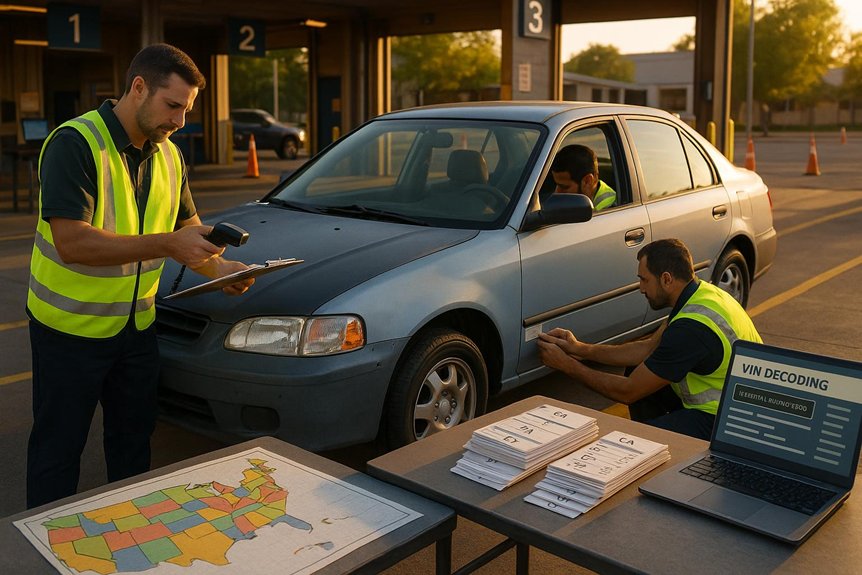
Every state sets its own VIN verification rules, and the differences matter. You’ll see variations in who can inspect (DMV, law enforcement, licensed inspectors), where it happens (on-site vs. mobile), what forms are required, and whether appointments, fees, or emissions checks apply. Some states demand photos, engine numbers, or receipts tied to parts.
To check yours, start at your state DMV website. Search “VIN inspection” or “rebuilt salvage VIN.” Confirm required forms, acceptable inspectors, fees, and scheduling steps. Call the listed contact to verify the latest rules.
Join local builder forums or Facebook groups—they’ll share real experiences and state-specific tips.
Frequently Asked Questions
How Do VIN Verification Outcomes Affect Insurance Rates for Rebuilt Vehicles?
They influence pricing directly: a clean VIN verification lowers perceived risk and can reduce premiums; discrepancies, prior damage, or flood history raise rates or trigger denials. Share documentation, photos, and repair receipts to build trust and obtain better quotes.
What Happens if the VIN Plate Is Damaged or Missing Entirely?
If the VIN plate’s damaged or missing, you’ll need a law-enforcement or DMV inspection, proof of ownership, and supporting records. They’ll verify identifiers and issue a new state-assigned VIN plate so you’re legit and welcomed back on-road.
Can Mobile VIN Inspectors Verify Vehicles Without Current Registration or Plates?
Yes, many mobile VIN inspectors can verify vehicles without current registration or plates. You’ll need proof of ownership, ID, and access to the VIN. They’ll document the vehicle’s condition, helping you move forward confidently with your community’s support.
How Long Do VIN Verification Results Remain Valid Before Expiring?
They typically stay valid 60–90 days, but it depends on your state or agency. Check your DMV’s rule and the form’s fine print. If it’s close to expiring, schedule your appointment now so you’re covered.
Are Aftermarket Frame or Engine Swaps Flagged During VIN Verification?
Yes, inspectors often flag aftermarket frame or engine swaps. You’ll need receipts, donor VINs, and proof of legality. Be transparent, match numbers carefully, and expect enhanced scrutiny. With solid documentation, you’ll pass verification and feel confident joining the road again.