Electric Vehicle VIN Verification: Rivian, Lucid, and Others
October 18, 2025
Trailer VIN Verification: Homemade Vs Manufactured
October 18, 2025
You must verify each truck’s VIN to match records, prevent title errors, and keep DOT files tight. Authorized verifiers include DMV, law enforcement, or certified inspectors—required for out‑of‑state, corrected titles, or rebuilt units. Federally, the VIN ties DVIRs, annual inspections, ELDs, recalls, and maintenance. In California, CHP BIT, DMV registration, CARB emissions, and Weight‑master rules hinge on VIN integrity. Gather titles, insurance, weight certs, 2290, photos, and schedule CHP, smog, then DMV. Here’s how to do it right next.
What VIN Verification Is and Why It Matters for Commercial Fleets
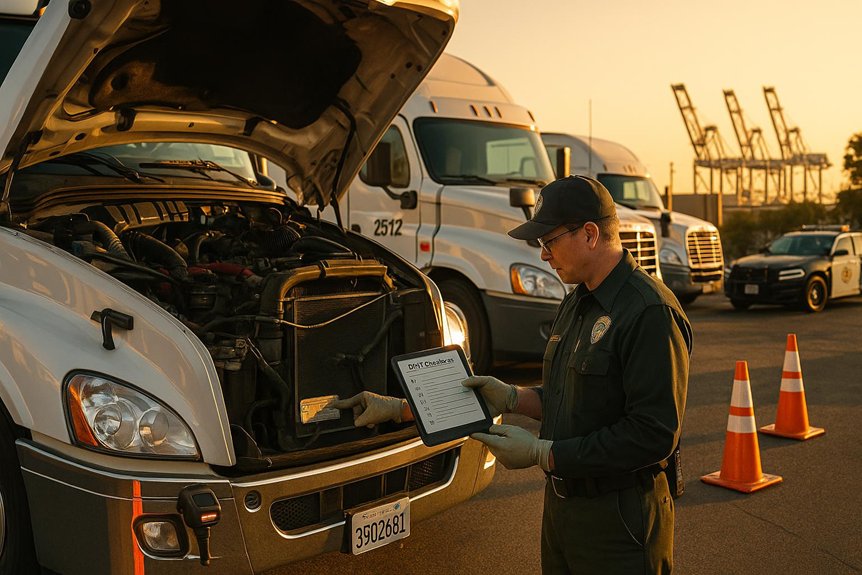
Even before you put a truck on the road, VIN verification confirms the vehicle’s identity and guarantees its records match reality. You compare the stamped VIN on the chassis or door jamb to paperwork and database records to verify every digit aligns. That simple step protects your fleet from title errors, hidden theft, mismatched specs, and insurance or financing issues.
For commercial fleets, accuracy builds trust across your team, partners, and regulators. You prevent duplicate assets, streamline maintenance histories, and match configurations to compliance needs. Verification also supports safety recalls and parts ordering, reducing downtime. When every truck’s identity is certain, your whole operation moves together. Professional services offer quick and efficient processing with experienced automotive experts who maintain comprehensive databases to ensure your commercial vehicles meet all documentation standards.
Who Is Authorized to Verify a VIN and When You Need It
For commercial trucks, you can’t rely on just anyone to confirm a VIN—most states require a licensed DMV agent, law enforcement officer, or certified inspector, and some allow qualified dealers or notaries.
You’ll typically need verification when registering an out‑of‑state unit, correcting a title, reviving a salvage or rebuilt truck, or when numbers don’t match paperwork.
Schedule ahead; mobile inspectors can visit your yard and verify multiple units at once. Bring title, bill of sale, and the truck itself.
In California, CHP, DMV, and licensed VIN verifiers handle most cases. Choose authorized partners so your fleet stays aligned and moving.
Commercial vehicles must also present a California Weight-master Certificate along with the standard documentation during the verification process.
Federal DOT Rules: Safety, Inspections, and Recordkeeping Tied to VINs
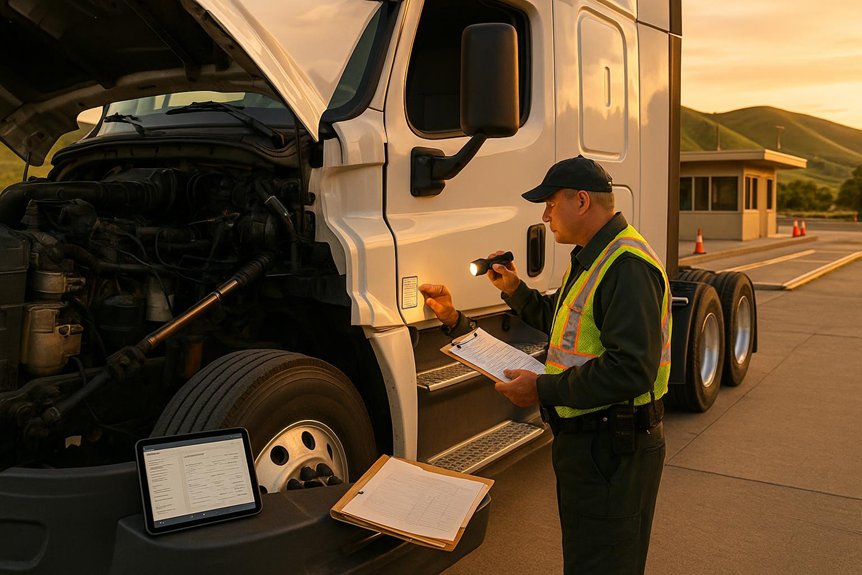
Why do VINs matter beyond titles? They anchor your DOT compliance. You use the VIN to link a truck to driver-vehicle inspection reports, annual inspections, brake and lamp checks, and recall remedies. It ties maintenance files to the exact unit, showing when defects were found, repaired, and cleared. During roadside or compliance reviews, officers match your logs, inspection stickers, and repair orders to that VIN.
Keep a VIN-indexed system: driver inspections (pre/post-trip), periodic inspections, maintenance schedules, and defect corrections. Record odometer, dates, who performed work, and parts used. Align crash reports, ELD records, and IFTA mileage to the same VIN to demonstrate control and safety accountability. When entering California from another state, your commercial truck requires a VIN verification that includes physical inspection of the VIN, make, model, year, GVWR, and mileage to establish a DMV record.
California Requirements: CHP Inspections, Smog, and Registration Checks
California ties your truck’s VIN to multiple programs: CHP’s Biennial Inspection of Terminals (BIT), DMV registration, and emissions compliance. Your VIN anchors safety, emissions, and ownership data so agencies read the same story.
CHP uses it to match equipment, carrier status, and repair history during BIT. DMV checks VIN integrity before issuing or renewing plates and flags mismatches or theft records.
For emissions, California Air Resources Board links your VIN to engine family, filters, and compliance deadlines. Keep VIN legible on the frame and dash, consistent on titles, and synced with engine labels so your fleet stays welcome on California roads.
Step-by-Step Process and Documentation to Avoid Delays and Penalties
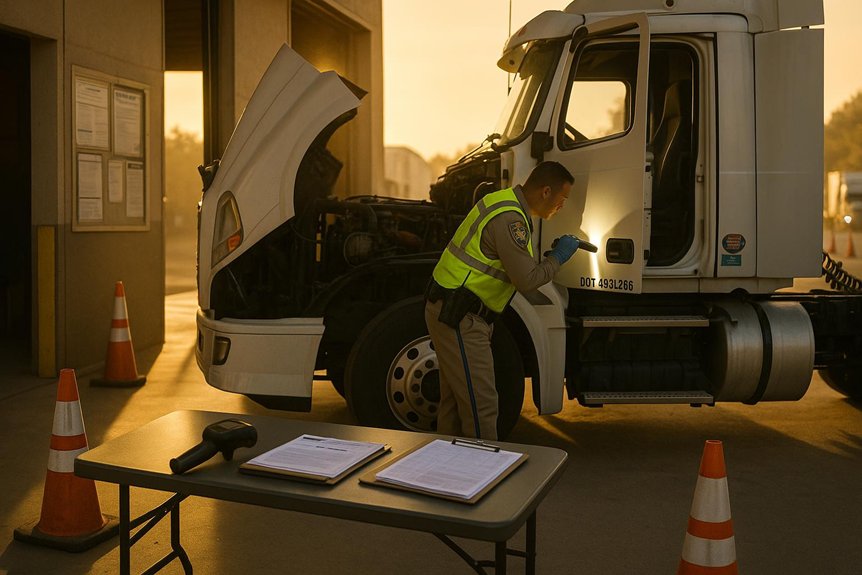
Before you book an inspection or renew plates, map out the VIN tasks in the order agencies will check them. Gather your title, bill of sale, lien release, weight certificates, and proof of insurance. Photograph VIN plates and frame stamps. Match VINs across cab, frame, engine, and documents.
Schedule a CHP VIN verification, then smog (if applicable), then DMV/IRP registration. Bring USDOT/MC numbers, operating authority, 2290 proof, and carrier ID. Keep a clean chain of ownership for out-of-state units. Fix mismatches immediately with corrected titles or affidavits. Store copies in a binder and cloud. Track deadlines. You’ll move with the fleet, not against it.
Frequently Asked Questions
How Do International Cross-Border Operations Affect VIN Verification Requirements?
They add layers. You must meet each country’s VIN rules, carry compliant documentation, and align with customs protocols. You coordinate inspections, translations, and data formats. You plan ahead so border agents trust you and your fleet moves smoothly.
What Happens if a VIN Plate Is Damaged or Unreadable?
You’ll need an official inspection and a replacement VIN. Report it, document ownership, and schedule verification. Don’t alter plates yourself. Inspectors affix a new tag or decal. Keep receipts and forms so you’re compliant and part of the trusted fleet.
Are Aftermarket Modifications Required to Be Reflected in VIN Records?
No. VIN records capture factory specs, not routine aftermarket mods. You should document changes, keep receipts, and update registration or inspection notes when required. Big alterations (engine swaps, GVWR changes) may need state reinspection to stay compliant together.
How Do Leased or Rented Trucks Handle VIN Verification Responsibilities?
You typically rely on the lessor to maintain VIN verification, but you’re responsible for carrying proof and ensuring it’s current. Confirm the lease spells this out, keep copies onboard, and verify before dispatch so everyone stays aligned.
Can Telematics or ELD Data Assist in Resolving VIN Discrepancies?
Yes. You can use telematics and ELD logs to cross-check VINs against ECM serials, GPS routes, and ignition events. You’ll flag mismatches, audit assignments, and document corrections, keeping your fleet aligned, compliant, and connected as one team.