Imported Vehicle VIN Verification: Gray Market and Federal Standards
October 18, 2025
Dune Buggy VIN Verification: Making Off-Road Vehicles Street Legal
October 18, 2025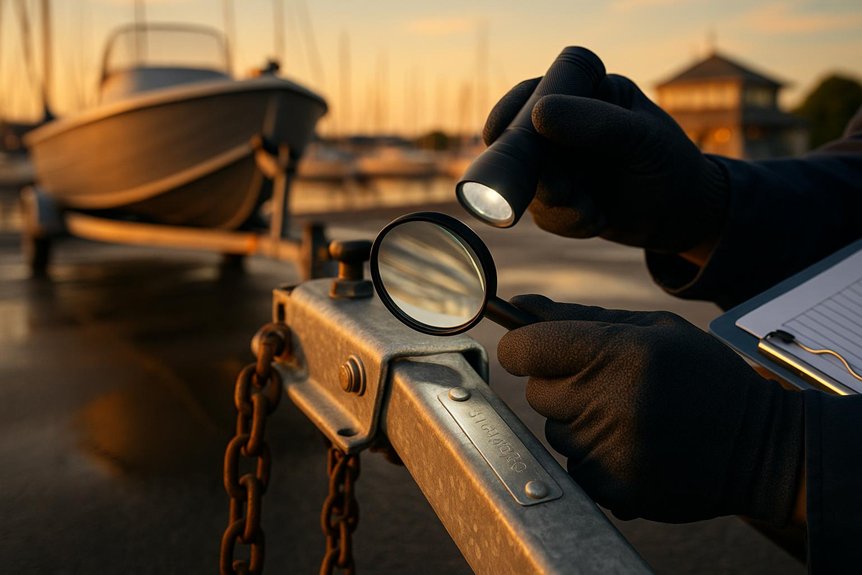
You’ll need a boat trailer VIN verification when you buy used, transfer an out-of-state title, put an off-road trailer back on the road, replace or repair the frame, or register a rebuilt, homemade, or custom trailer. Authorized inspectors include DMV officials, law enforcement, certified verifiers, dealers, and mobile services. Bring photo ID, proof of ownership, prior registration, VIN details, and any lien releases or repair receipts. Inspectors confirm the VIN, check tampering, and basic roadworthiness—next, see how to avoid delays.
Situations That Trigger a VIN Verification
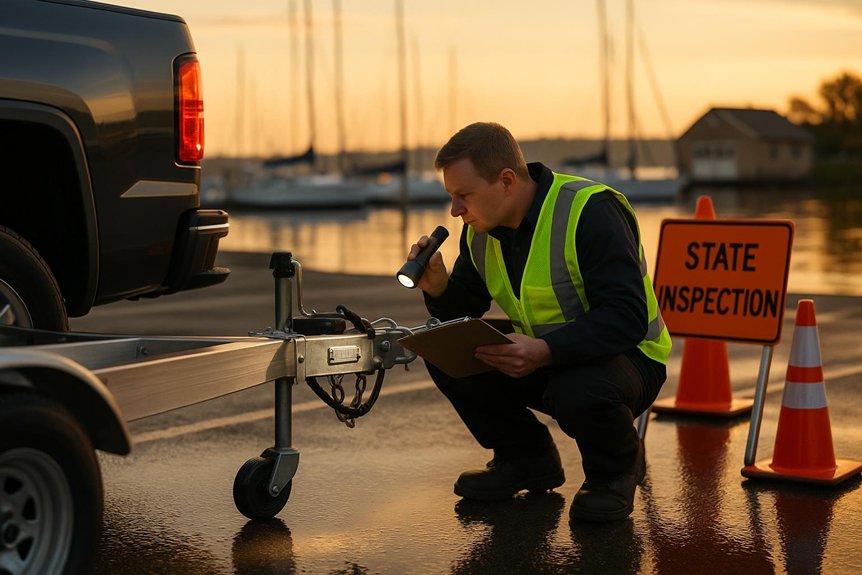
Although requirements vary by state, several common situations trigger a boat trailer VIN verification. You’ll face it when you purchase a used trailer, transfer a title from out of state, or register a trailer that’s been off the road.
You’ll also need it after major repairs, a frame swap, or when the VIN plate’s damaged, missing, or unreadable. If records don’t match, expect verification. Rebuilt, homemade, or custom trailers often require it, too.
After theft recovery, verification helps confirm identity. When you’re updating ownership after inheritance, gifting, or a name change, it’s common. Verification supports the community’s trust on the water.
In California, new permanent trailers with a Manufacturer’s Statement of Origin are typically exempt from verification requirements.
Who Is Authorized to Perform the Inspection
Depending on your state, authorized inspectors can include DMV or tax assessor officials, law enforcement officers, certified VIN verifiers, and licensed vehicle dealers or inspection stations. You’ll usually choose from this list based on availability and your trailer’s status. Some states allow mobile verifiers to meet you where the trailer’s stored, which helps if you’re far from a branch. Others require you to visit a government office or certified station. Call ahead to confirm eligibility and fees, since authority can vary by county. Independent verifiers offer convenience and flexibility at a cost, allowing you to schedule inspections at your location rather than waiting in line at government offices. When you pick an approved inspector, you keep the process legitimate—and you stay connected to your local boating community.
Documents and Information You’ll Need
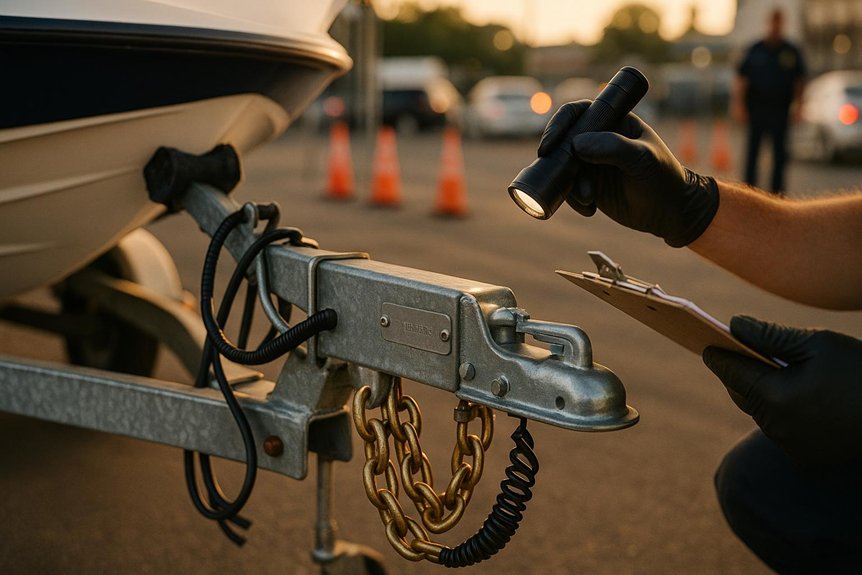
Before you schedule the inspection, gather the documents the inspector will expect to see: your government-issued photo ID, proof of ownership (title, manufacturer’s certificate of origin, or bill of sale), and any prior registration or out-of-state paperwork.
Have your trailer’s VIN, make, model, year, and weight rating handy. Bring the boat’s HIN and registration if the trailer is paired to that vessel.
If a lien exists, include lien release or lender info. Collect any repair receipts, especially for frame or axle work. Print digital bills of sale. Confirm names and addresses match.
Keep originals plus clear copies for the appointment. Many VIN verification services can complete the process quickly once you have all the required documentation in order.
Step-by-Step Process and What Inspectors Check
Most boat trailer VIN verifications follow a straightforward sequence you can anticipate. You’ll schedule an appointment, arrive with your trailer accessible, and present your ID and paperwork.
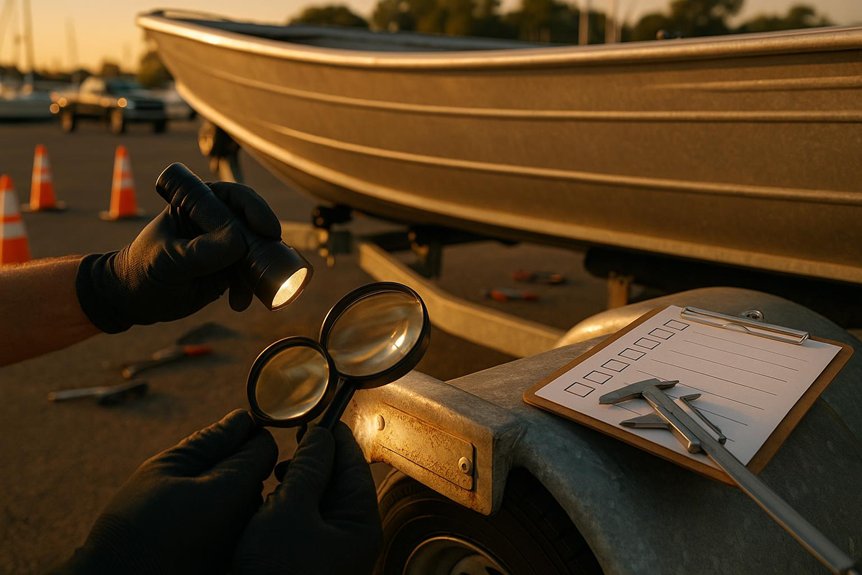
The inspector confirms the VIN location, cleans the plate if needed, and reads the characters directly from the frame or tongue. They’ll compare the stamped VIN to your title and bill of sale, check for tampering, and note rivets, welds, or grinding marks. They’ll verify the make, model, year, axle count, and approximate weight. Lights, safety chains, and tire condition may be noted for roadworthiness. If everything aligns, you’ll receive a signed verification form.
Common Errors and How to Avoid Registration Delays
Cut through delays by dodging the mistakes that trip up trailer VIN verifications. You’ve got this—just tighten a few details and you’ll keep pace with the crew.
Confirm the VIN exactly matches your title, bill of sale, and trailer plate—no transposed digits, O/0 confusion, or missing characters. Clean the VIN plate so it’s readable; bring photos if it’s partially worn. Carry valid ID, proof of ownership, and any lien releases.
Schedule the inspection and arrive early with the trailer accessible and safe. Avoid homemade modifications that obscure the VIN. If numbers don’t match, stop and correct paperwork first—don’t submit and hope.
Frequently Asked Questions
How Much Does a Boat Trailer VIN Verification Typically Cost?
You’ll typically pay $10–$50, depending on your state, inspector, and whether they come to you. Call your DMV or local law enforcement, compare mobile services, and ask about extra fees so you feel prepared and included.
How Long Does a VIN Verification Appointment Usually Take?
It usually takes 10–30 minutes. You’ll check in, meet the inspector, confirm your paperwork, and they’ll verify the VIN and condition. Plan a little buffer for lines, and you’ll feel prepared and supported the whole time.
Can I Verify a VIN if the Trailer Is Out of State?
Yes, you can, but rules vary by state. You’ll typically use a certified VIN verifier, law enforcement, or DMV form. Call both states’ DMVs, confirm acceptable verifiers, bring proof of ownership, and schedule an inspection. You’ve got this.
What Happens if the VIN Plate Is Missing or Damaged?
You’ll need an official inspection. Bring ownership proof, photos, and any prior paperwork. An officer or DMV verifies identifiers, checks for theft, and issues a new VIN plate or assigned number so you’re compliant and included on the road.
Is Mobile or Onsite VIN Verification Available for Boat Trailers?
Yes, mobile or onsite VIN verification is often available for boat trailers. You can book certified verifiers to meet you at home, storage, or the marina. Ask about fees, travel zones, scheduling windows, and required documentation.