
Trailer VIN Verification: Homemade Vs Manufactured
October 18, 2025
Boat Trailer VIN Verification: When It’s Required
October 18, 2025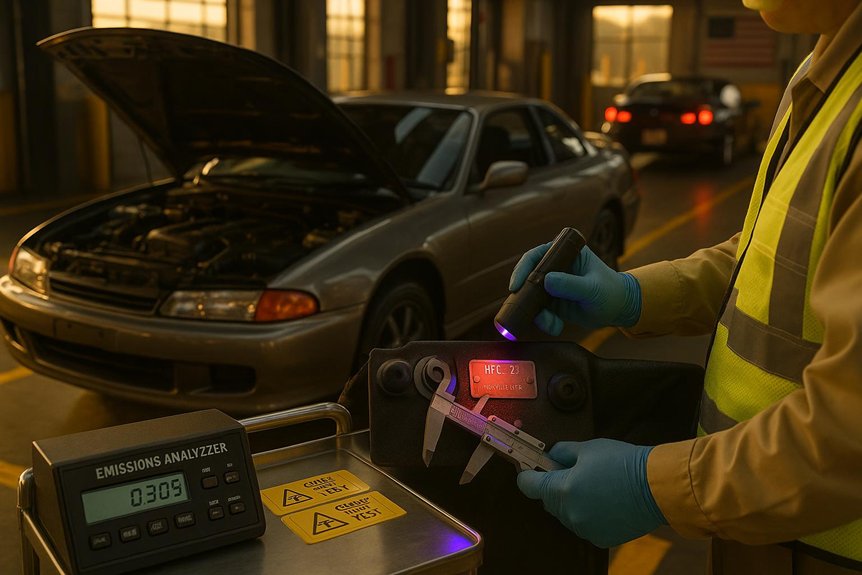
Importing a gray market vehicle? You’ll need to verify the VIN and prove it meets federal rules. Inspectors match VINs on the chassis, dash, and door jamb, check for tampering, and decode details like year and engine. Have HS-7 and EPA 3520-1 forms, CBP 7501, foreign title, bill of lading, VIN photos, and translations ready. A Registered Importer can perform FMVSS/EPA conversions and submit conformity proof. Avoid missing documents and post-mod changes. Here’s how to make approval smooth.
Understanding Gray Market Vehicles and Federal Oversight
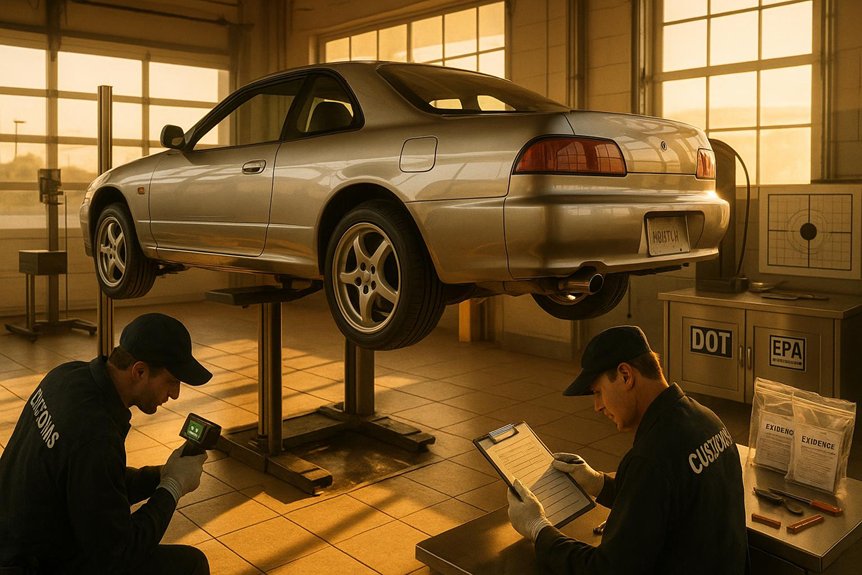
While most imported cars follow clear regulatory paths, gray market vehicles slip in outside an automaker’s official distribution network. You’re still part of the community when you choose one—you just navigate different rules. These cars can be legal, but only if they meet federal standards set by NHTSA, EPA, and Customs.
You’ll check whether the model qualifies for import under 49 CFR allowances, or requires Registered Importer conversion and bonding. EPA rules cover emissions and onboard diagnostics; exemptions exist for age and certain equipment. Customs enforces declarations, duties, and paperwork accuracy. When you align your purchase with these benchmarks, you belong—and drive confidently.
Once imported and compliant, VIN verification is a DMV inspection that confirms vehicle existence and ensures the VIN matches your title, protecting against theft and fraud.
VIN Verification Basics for Imports: What Inspectors Check
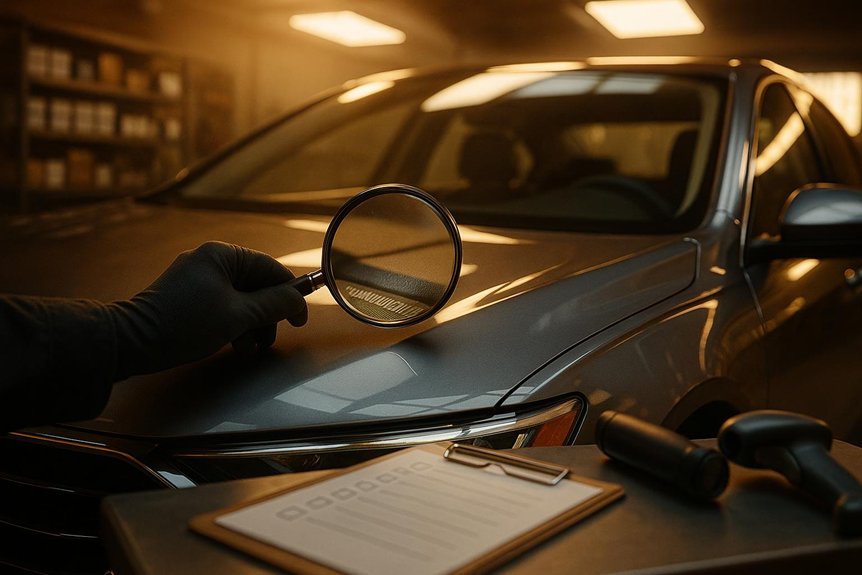
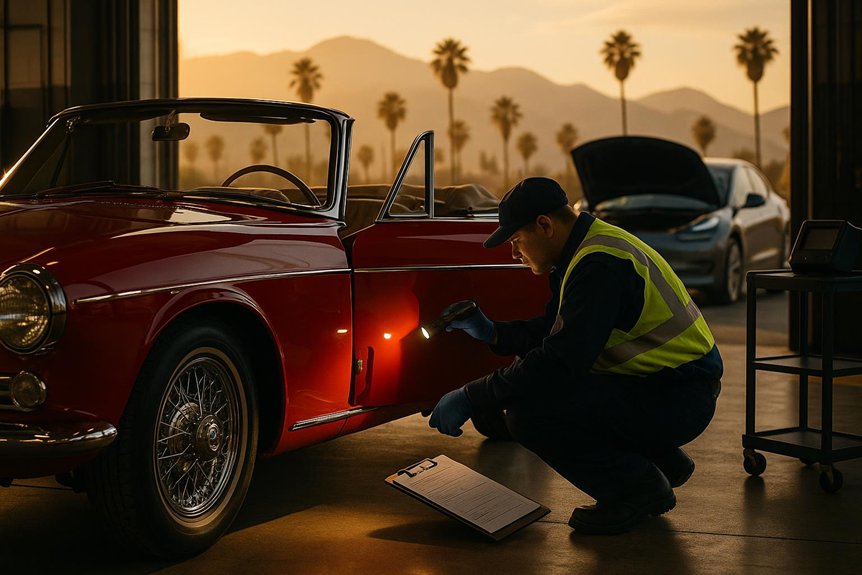
After you confirm a gray market car can meet federal standards, the next gate is VIN verification. Inspectors check that the VIN on the chassis, dashboard plate, and door jamb match each other and align with manufacturer formats. They look for tampering: uneven rivets, misaligned fonts, altered welds, ground metal, or repainting around plates.
They decode the VIN to confirm model year, plant, body type, engine, and restraint systems, ensuring the build matches the vehicle in front of them. They also verify secondary stamps and import-age cutoffs. Clean, legible plates, proper lighting, and accessible locations help you belong in the “approved” lane. The verification process validates the existence of the vehicle beyond mere documentation and confirms that the VIN matches the title, which helps prevent theft and fraud.
Required Documents: NHTSA, EPA, and Customs Compliance
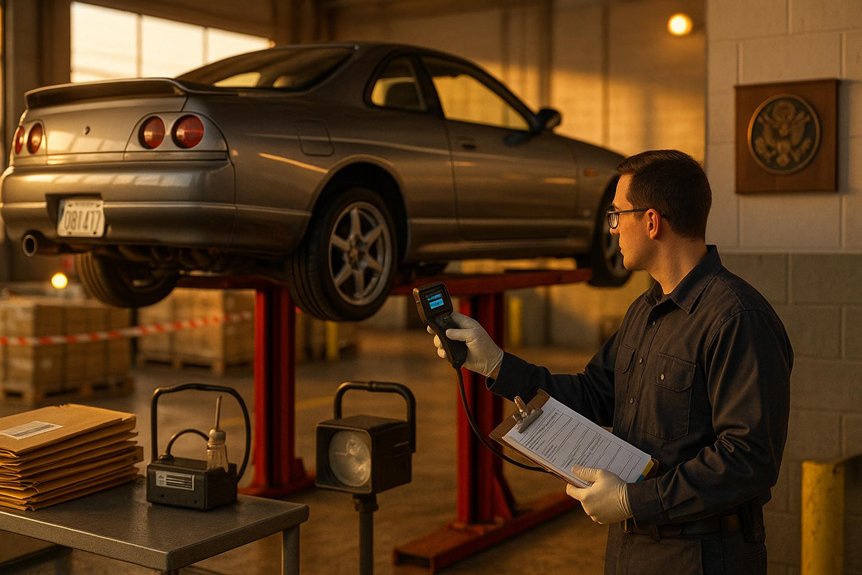
Three agencies ask for proof before your import clears the gate: NHTSA, EPA, and U.S. Customs and Border Protection. You’ll gather documents that show your vehicle belongs here.
For NHTSA, submit HS-7 declaring safety compliance or an eligible exemption. For EPA, file 3520-1 confirming emissions status or qualifying exclusion. Customs needs CBP Form 7501, bill of lading, foreign title, purchase invoice, and your ID. Keep translations, VIN photos, and recall letters handy. Match VINs across every record. Date, sign, and keep copies.
Arrive organized; officers appreciate clear packages. When your paperwork aligns, your car’s welcome feels inevitable. A quick and efficient VIN verification service can help confirm your vehicle’s identity before you submit final documentation to federal agencies.
Role of Registered Importers and the Conformity Process
Paperwork in order doesn’t guarantee your import is road-ready; most nonconforming vehicles still need a Registered Importer (RI) to bring them up to U.S. standards. You partner with an RI to assess gaps against FMVSS and EPA requirements, plan modifications, and document every change.
They source compliant parts, perform installations, and verify labels, lighting, glazing, airbags, OBD readiness, and emissions calibrations. Then they conduct conformity testing, photograph evidence, and submit a certification package to NHTSA and, when needed, EPA. You’ll receive a bond release and conformity letter, aligning your VIN with federal records. With an RI, you’re not traversing alone.
Common Pitfalls and How to Ensure a Smooth Registration
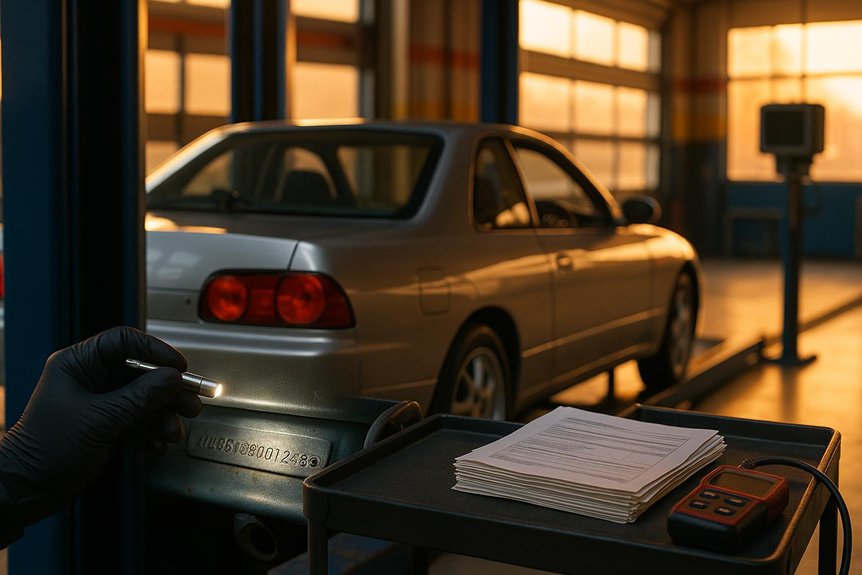
Two missteps derail most imported VIN verifications: missing documentation and timing errors. You can avoid both by assembling a complete packet early: foreign title, bill of sale, EPA/DOT forms (3520-1 and HS-7), conformity letter, RI work orders, and translation if needed. Match the VIN across chassis stamps, door jamb labels, and paperwork.
Schedule inspection before temp tags expire; book emissions and safety checks the same week. Don’t modify lighting or bumpers after conformity. Keep customs release and bond receipts handy. Photograph VIN plates and emissions labels. Confirm state-specific forms. If you’re unsure, loop in your Registered Importer and DMV liaison—stay aligned, stay approved.
Frequently Asked Questions
How Do State Emissions Programs Interact With Federal Import Exemptions?
State programs operate independently; they can require testing even if federal import exemptions apply. You’ll meet state emissions or inspection rules, register accordingly, and sometimes retrofit. Check your DMV and local air district so you stay compliant and connected.
Can Classic Car Status Change VIN Verification Requirements?
Yes, classic car status can change VIN verification requirements. You’ll often face streamlined inspections, alternative documentation options, or club-based attestations. Still, you must follow state rules, confirm eligibility, and keep records handy to protect your community’s trust.
What Happens if VIN Plates Are in a Non-Latin Alphabet?
They’re usually unacceptable as-is. You’ll need a certified translation or transliteration, supporting documents, and official inspections. Work with your DMV and manufacturer. Don’t worry—you’ve got a community and clear steps to make everything match and verify.
Are Motorcycles and Scooters Subject to Different Import VIN Rules?
Yes, they are. You’ll follow similar VIN rules, but motorcycles and scooters often have class-specific standards, documentation, and labeling. You’ll confirm VIN format, federal compliance, emissions/noise requirements, and certification labels to guarantee your ride’s welcomed here.
How Does Salvage or Rebuilt Title History Affect Imported VIN Verification?
It triggers deeper scrutiny. You’ll need full provenance, repair receipts, photos, and customs paperwork. Expect inspections, bonded titles, or refusals. Disclose everything early, align VIN labels, and lean on a trusted broker or community to smooth approval.