Multiple VIN Locations: Which One Is Primary?
October 18, 2025
European VIN Numbers: Shorter VINs and California Registration
October 18, 2025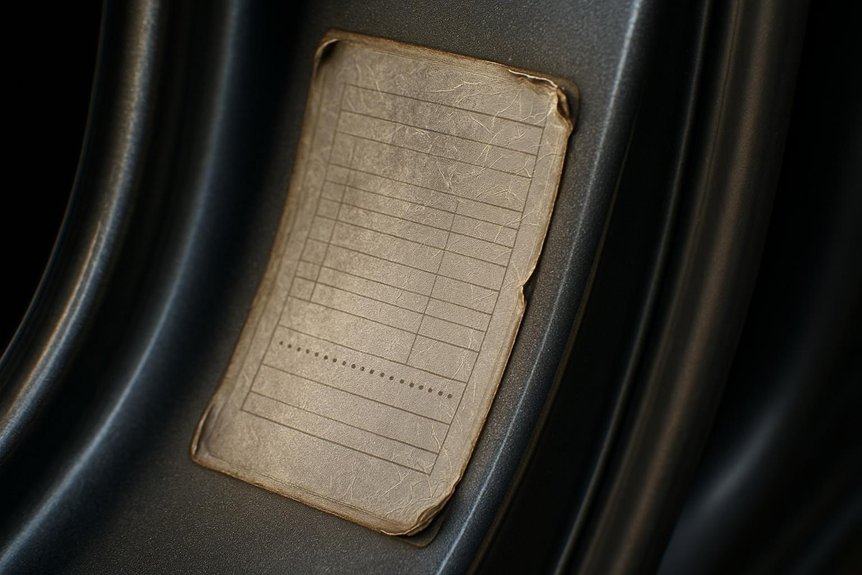
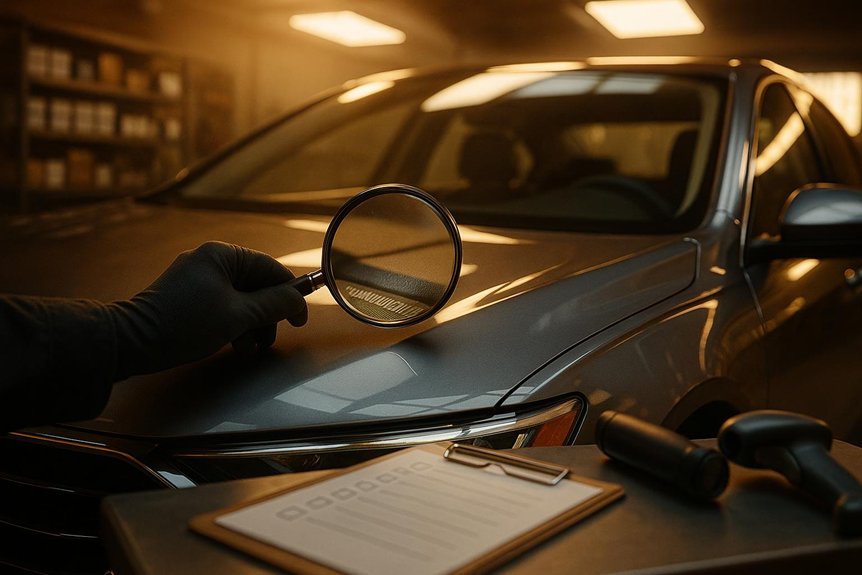
A VIN’s “readable” means every character is clear, correctly sequenced, aligned, and unobscured—no smears, overpaint, or tears. Inspect at eye level with good lighting. If the door-jamb sticker’s faded, verify with the chassis-stamped VIN, the windshield plate, and manufacturer records, and cross-check for consistency. Don’t alter or remove labels; use only approved cleaning methods and seek DMV/manufacturer-approved replacement if needed. Protect against UV and harsh cleaners. Photograph and document all locations, then schedule licensed verification to confirm the rest.
Defining “Readable” VINs: What Inspectors and Officers Look For
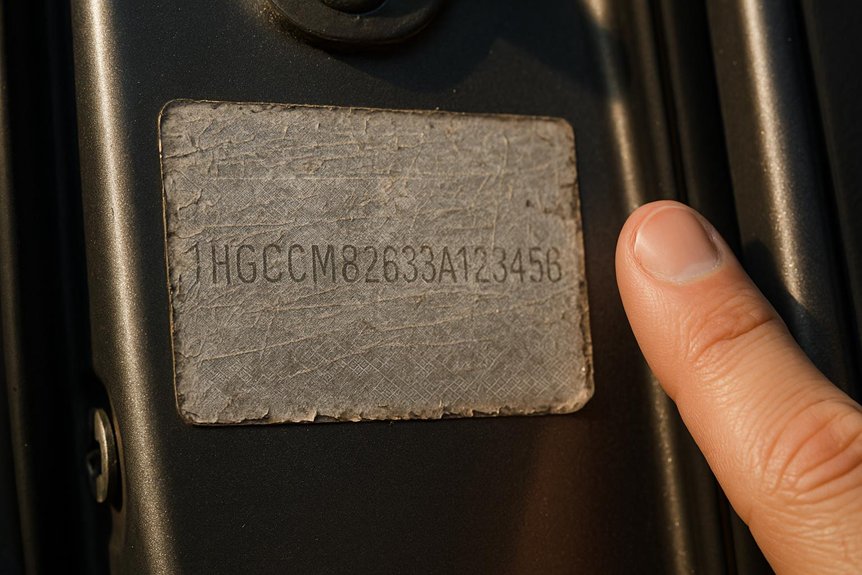
Even if your VIN sticker is faded, inspectors only care whether they can clearly identify every character without guessing. “Readable” means each digit and letter is distinct, in the correct sequence, and matches other VIN locations and records.
You’ll pass when each symbol is crisp enough to confirm, without interpreting wear as a different character. They’ll check for complete length, proper font spacing, and consistent alignment. Smears, overpainting, or tears that obscure characters raise flags.
Use clean light, avoid glare, and present the sticker at eye level. If characters are intact, you’re good. Professional VIN verification services use state-of-the-art technology and comprehensive databases to confirm your vehicle’s identification number meets all standards. When it’s legible, you belong on the road.
Alternative Identifiers: Chassis Stamps, Windshield Plates, and OEM Records
When the door-jamb sticker won’t cooperate, you’ve got three reliable backups: the chassis-stamped VIN, the windshield (dashboard) plate, and the manufacturer’s records. You’re not alone—most owners lean on these when stickers fade.
First, check the chassis stamp on the frame or firewall; clean gently, light it well, and photograph it. Next, read the dashboard plate through the windshield from outside; avoid glare and capture the full 17 characters. Finally, contact the OEM or dealer; provide proof of ownership and they’ll confirm build data tied to your VIN. Cross-verify all three to guarantee consistency, accuracy, and confidence during inspections.
If discrepancies arise between your alternative identifiers and title documentation, a VIN verification service can officially confirm which identifier matches DMV records and resolve the mismatch.
Legal Boundaries: Restoration, Replacement, and Tamper-Proof Rules
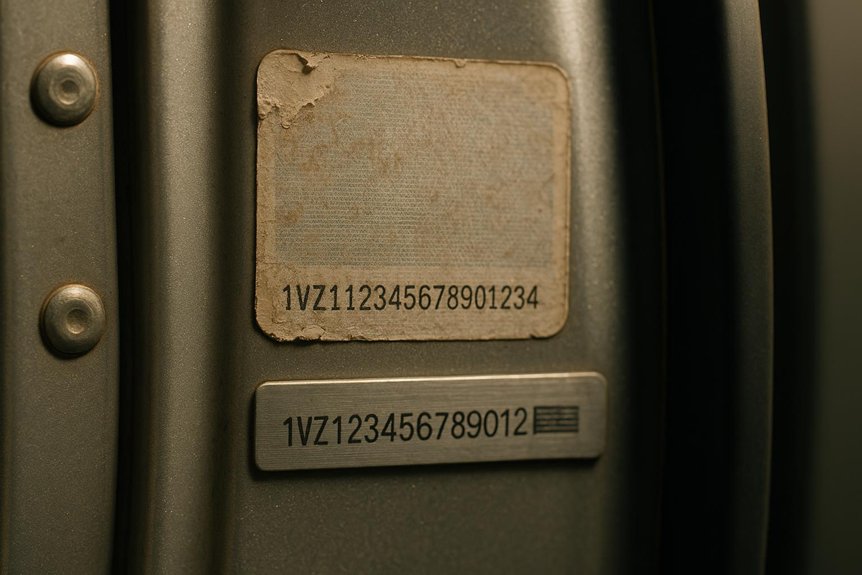
You can restore clarity, but you can’t rewrite history—VIN labels and plates are legally protected identifiers. You’re allowed to clean, document, and request official replacements, but you mustn’t alter numbers, remove plates, or cover security features. Laws treat VIN tampering as a serious crime.
When a sticker fades, you verify identity, then apply through the DMV or manufacturer for a certified replacement. Keep photos, affidavits, and chain-of-custody records. Use approved solvents and tools only; avoid heat, sanding, or re-engraving. If a plate is missing or rivets look wrong, pause and involve authorities.
A physical inspection includes verification of the VIN, model, type, make, mileage, year, and GVWR to confirm the vehicle’s identity against ownership documents.
Do it right, and you’ll protect the vehicle and the community.
Common Causes of VIN Sticker Fading and How to Prevent Further Damage
Sun, solvents, and scuffs team up to erase VIN stickers faster than most owners expect. UV exposure bleaches ink; harsh cleaners break adhesives; gravel, pressure washers, and boots abrade surfaces. Heat cycles and humidity creep under edges, lifting film. Road salt and oil mist add chemical bite.
You can slow the fade. Park in shade or indoors when possible. Wash gently with pH-neutral soap and a soft cloth. Skip alcohol, acetone, and citrus degreasers near the label. Avoid direct pressure-washer blasts. Dry the area to prevent moisture wicking. Add a clear, UV-resistant protective film sized to the sticker. Check monthly for early wear.
Step-by-Step Verification and Documentation to Stay Compliant
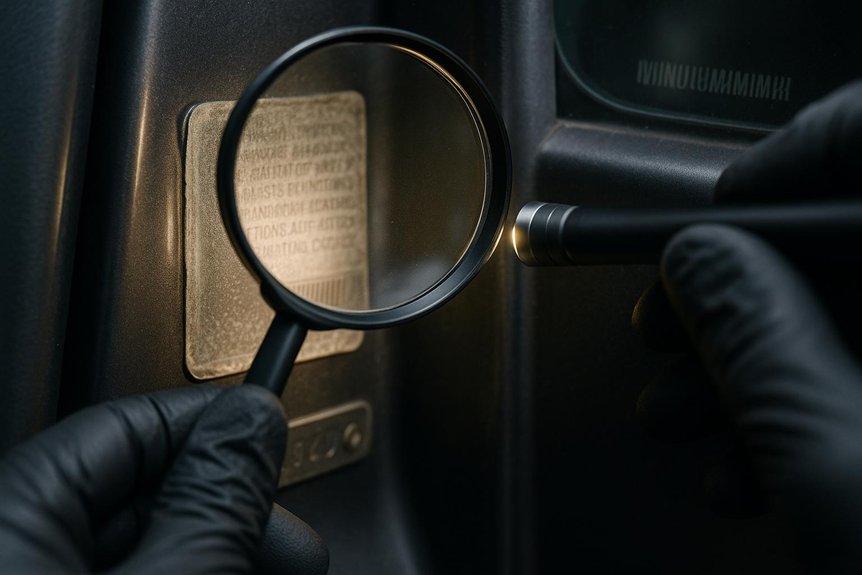
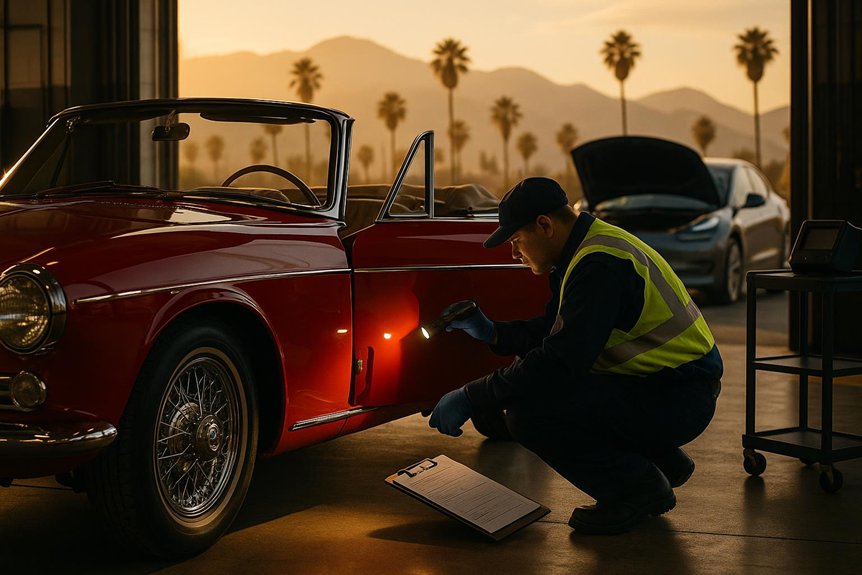
Although the label may be faded, start by locating every factory VIN sticker and stamped VIN on the vehicle, then confirm they match the title and registration exactly. Photograph each location with clear, well-lit angles, and record timestamps. Note any wear, residue, or partial characters.
Use a clean sheet to list positions, full VIN, and condition notes. If characters are unreadable, schedule a licensed inspection and request a written verification. Keep copies of reports, photos, receipts, and your log in a single folder.
Update your insurer and DMV if required. Share your documentation with the shop or club to stay aligned and compliant.
Frequently Asked Questions
Can UV Photographs or Infrared Help Recover Text From a Faded VIN Sticker?
Yes, UV and infrared can reveal faded VIN text. You’ll photograph under controlled lighting, adjust wavelengths, and enhance contrast. You’ll likely capture more characters, supporting verification. Document steps, keep originals, and compare results with manufacturer fonts or official records.
Do Insurance Companies Deny Claims if the VIN Sticker Is Unreadable?
Yes, they can, but it’s usually about verifying identity, not punishing you. You should provide the VIN from the dashboard, title, or insurer records. Document the sticker’s condition and cooperate—adjusters appreciate transparency and community-minded responsibility.
How Do Auctions Handle Vehicles With Partially Missing VIN Labels?
Auctions typically verify VINs using alternate locations, NMVTIS records, and police checks. If labels are partially missing, you’ll face “VIN discrepancy” disclosures, enhanced inspections, or salvage-only bidding. Bring documentation, request pre-sale inspections, and stick with transparent sellers—you belong here.
Are There OEM Programs to Reissue Heritage Build Data for Older Vehicles?
Yes—many OEMs offer heritage certificates or build sheets. You contact the marque’s archive or classic division, submit your VIN, pay a fee, and receive verified specs. You’ll feel included, supported, and confident preserving your vehicle’s story.
What Mobile Apps Accurately Decode VINS From Partial Characters?
Yes—try VINwiki, Carfax Car Care, and AutoCheck; they’ll suggest likely matches from partial VINs. Pair them with NHTSA’s VIN decoder and your DMV portal. Cross-check results, snap clear photos, and share findings with your community for confidence.