Vroom Purchase: California Registration and VIN Verification
October 18, 2025
Facebook Marketplace Car: Private Party VIN Verification
October 18, 2025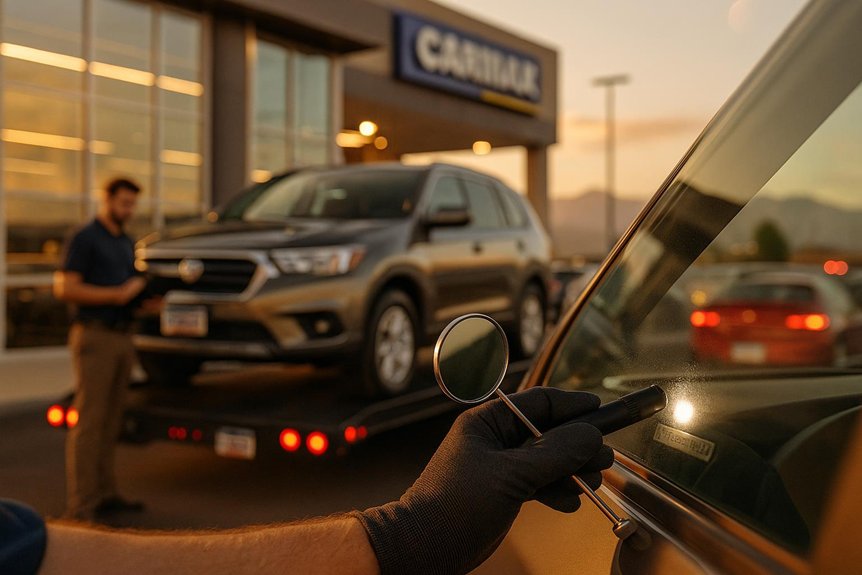
Even if you buy from CarMax and ship a car across state lines, you still need VIN verification. It’s a physical check to confirm the VIN on the vehicle matches your title/bill of sale, protecting you from theft, cloning, and title fraud. States require it to validate records, apply the right taxes, and meet safety or emissions rules. Authorized verifiers include DMV staff, licensed inspectors, and law enforcement. Bring the car, ID, and paperwork—next, see how to get it done smoothly.
What VIN Verification Is and Why States Require It
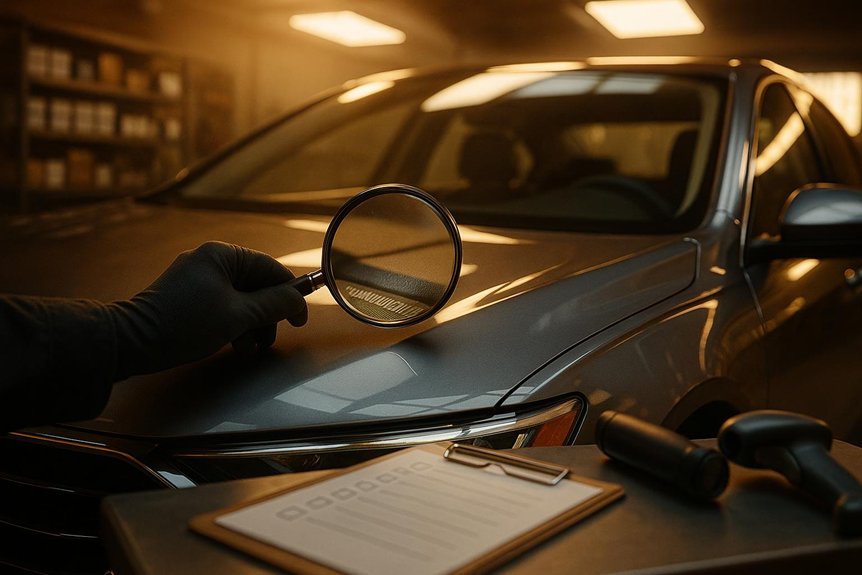
Before you register or title a vehicle brought in from another state, you’ll likely need a VIN verification—a quick, physical check that the vehicle identification number on the car matches its paperwork. You’re confirming the stamped VIN on the frame, dash, or door label aligns with the title and bill of sale.
It guards your community against theft, cloning, and title fraud, and it verifies the car you’re bringing home truly is what it claims to be. States require this step to protect buyers, validate records, collect correct taxes, and keep databases clean—so everyone’s playing by the same fair, transparent rules. The inspection is documented on a REG31 form that records critical details like the vehicle year, make, model, VIN location, and odometer reading.
Who Can Perform a VIN Verification and Where to Go
Start by checking who your state authorizes to do VIN verifications, because it isn’t the same everywhere. You’ll usually rely on DMV or tag agency staff, licensed vehicle inspectors, or law enforcement. Many states also allow certified VIN inspectors, highway patrol units, or licensed dealerships to handle it.
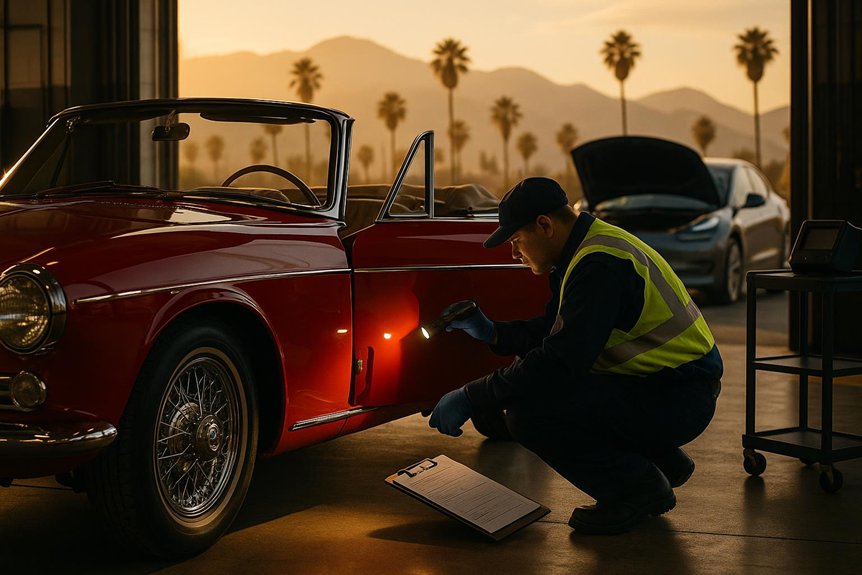
To get it done, visit your local DMV, county clerk, or tag office. Some allow mobile inspectors who come to you, which helps if the car isn’t registered yet. Dealerships and inspection stations can be convenient, too. Bring the vehicle, title or bill of sale, and your ID. Schedule ahead to avoid delays and feel supported. The inspector will complete documentation on the REG31/VIN verifier form, recording key details such as vehicle year, make, model, and VIN to ensure everything matches your title.
How Requirements Differ by State and What to Check Before You Buy
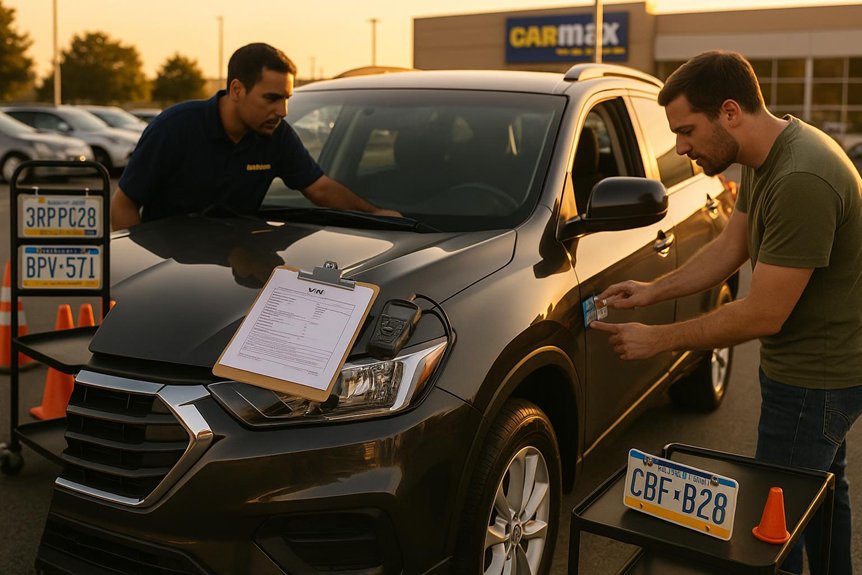
Knowing where to get a VIN check is only half the work—you also need to match your purchase to your state’s rules. Each DMV sets its own standards. Some states accept out-of-state inspections; others demand local verification. Emissions zones, salvage branding, and safety equipment (window tint, front plates, catalytic converters) vary. Check title type, odometer disclosures, and lien releases.
Before you buy, confirm:
- Whether VIN verification is required at registration
- Accepted inspectors and forms
- Emissions and safety compliance
- Fees, deadlines, and appointments
- Out-of-state sales tax credits
Call your DMV, read its VIN verification page, and save proof. If you’re registering in California, the physical inspection will document your vehicle’s VIN, model, make, year, mileage, and GVWR on the REG31 form. You’ll register smoothly and feel confident.
Step-by-Step: Completing VIN Verification After an Out-of-State Purchase
Ready to verify your VIN after buying out of state? Start by locating your state-approved verifier: DMV office, licensed inspector, law enforcement, or mobile service. Schedule an appointment online or by phone.
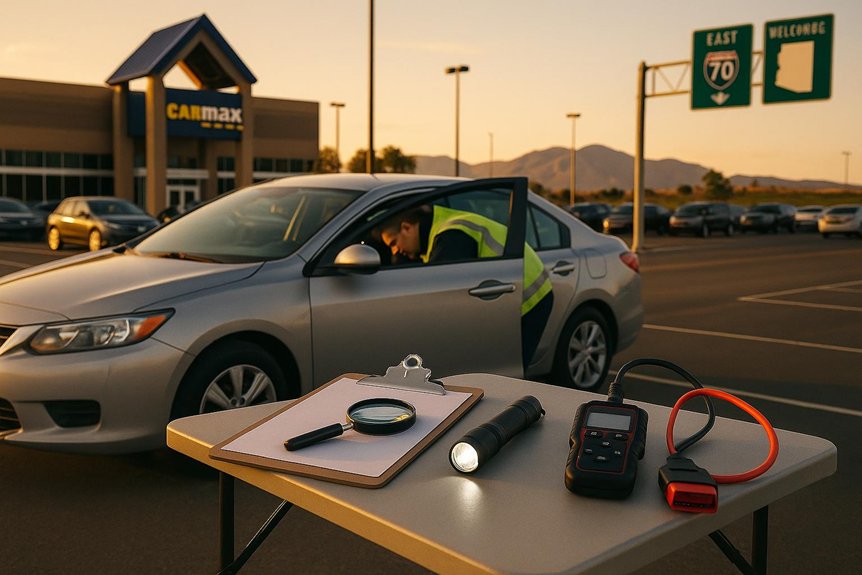
Bring your vehicle, driver’s license, and sales paperwork. Park where the verifier can see the VIN plate and labels. Pop the hood if asked; grant access to the doors for secondary VIN locations.
Confirm the VIN on the dash matches the title and bill of sale. Stay with your car during the inspection. Review the completed verification form for accuracy.
Pay the fee, get a copy, and submit it with your registration application.
Common Pitfalls, Timing Tips, and Documents You’ll Need
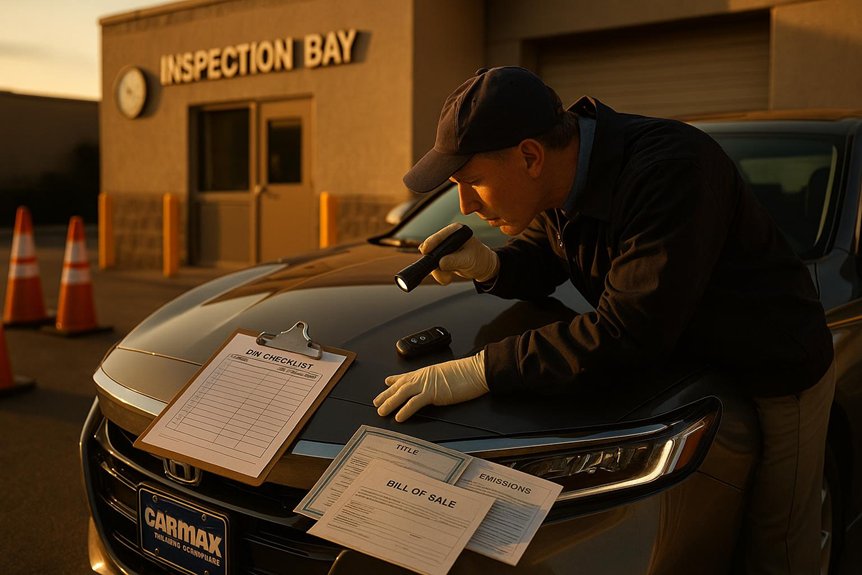
Although VIN verification is straightforward, small missteps can stall your registration. Don’t show up without the car; inspectors must see the physical VIN. Clean the dashboard plate and door jamb so stamps are readable. Match the VIN on the title, bill of sale, and insurance—one digit off triggers delays. Avoid expired temp tags and low fuel that prevents starting.
Time it right: confirm inspection hours, arrive early, and book appointments where available. Bring your out-of-state title, bill of sale, photo ID, proof of insurance, loan paperwork or lien release, odometer disclosure, temp registration, and payment. Keep copies. You’ve got this.
Frequently Asked Questions
Does Carmax Handle VIN Verification Fees or Reimburse Customers?
Yes, sometimes. You’ll typically pay local VIN verification fees, but some CarMax locations cover or reimburse depending on state rules and store policy. Ask your store up front and keep receipts so you’re taken care of together.
Can Carmax Ship Vehicles Directly to Verification Sites?
Yes, they can sometimes coordinate delivery to a verification site, but availability varies by location and policies. You’ll confirm logistics with your store, schedule the appointment, and guarantee documents are ready. Ask about fees, timing, and transport limits.
Will VIN Verification Affect Financing or Loan Funding Timelines?
Yes, it can. If verification’s delayed or fails, lenders may pause underwriting or funding. Schedule early, bring required documents, and confirm inspector availability. Communicate updates to your lender so everyone stays aligned and your loan funds right on time.
How Does VIN Verification Impact Extended Warranty Activation?
It triggers activation by confirming the exact vehicle covered. You’ll avoid mismatched records, claim denials, and delays. Submit the verified VIN promptly, keep proof, and confirm with the provider so your community of coverage starts smoothly and supports you immediately.
Are Temporary Tags Valid While Awaiting VIN Verification Results?
Yes, temporary tags are usually valid while you await VIN verification, but they expire quickly. You should drive legally, carry proof of sale, track expiration dates, and renew if needed so you stay compliant and connected to community norms.