
Snowbird VIN Verification: Seasonal Resident Requirements
October 18, 2025
How Long Does VIN Verification Take? Real Timeline
October 18, 2025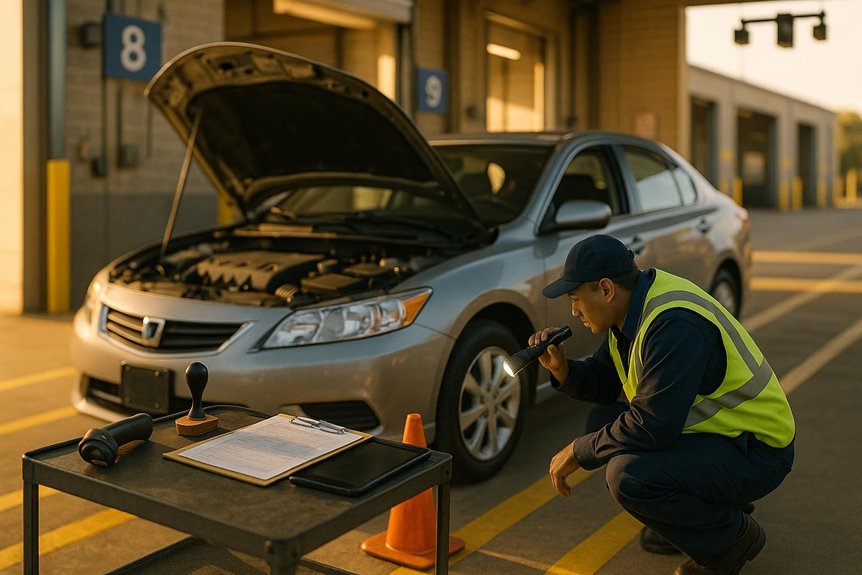
Bring your ID, title/registration, bill of sale or lease, insurance (if required), and any lien release or out‑of‑state/import papers. Inspectors verify your appointment, compare the VIN to documents, then locate VINs on the dash, door jamb, and secondary spots. They confirm make, model, year, body style, odometer, and labels. Clean VINs, bring a flashlight, and match every digit to avoid delays. It usually takes 10–20 minutes, then you sign and attach the form—here’s how to make it effortless.
What You Need to Bring to Your Appointment
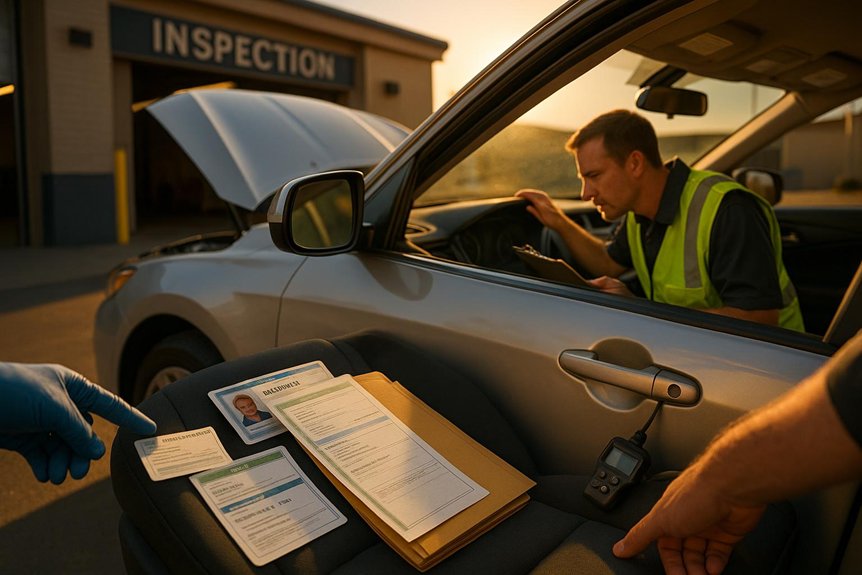
Before you go, gather a few essentials: your government-issued photo ID, the vehicle’s title or current registration, any bill of sale or lease agreement, and proof of insurance if your state requires it. Bring any lien release, out-of-state paperwork, or import documents that apply to your situation.
If you’re representing someone else, carry a signed authorization or power of attorney. Pack the keys, your appointment confirmation, and a payment method accepted at the site. Have any name-change documents if needed.
Keep everything in a single folder. Arrive with a clean VIN area and accessible doors so the visit goes smoothly together. For out-of-state vehicles, you’ll also need a smog certification if your vehicle runs on gas or certain diesel fuel types.
How Inspectors Locate and Read Your VIN
With your documents ready and the VIN area clean, the inspector starts by confirming the car’s identity where manufacturers typically place the number. You’ll see them look at the dashboard plate near the windshield, then the driver’s door jamb sticker.
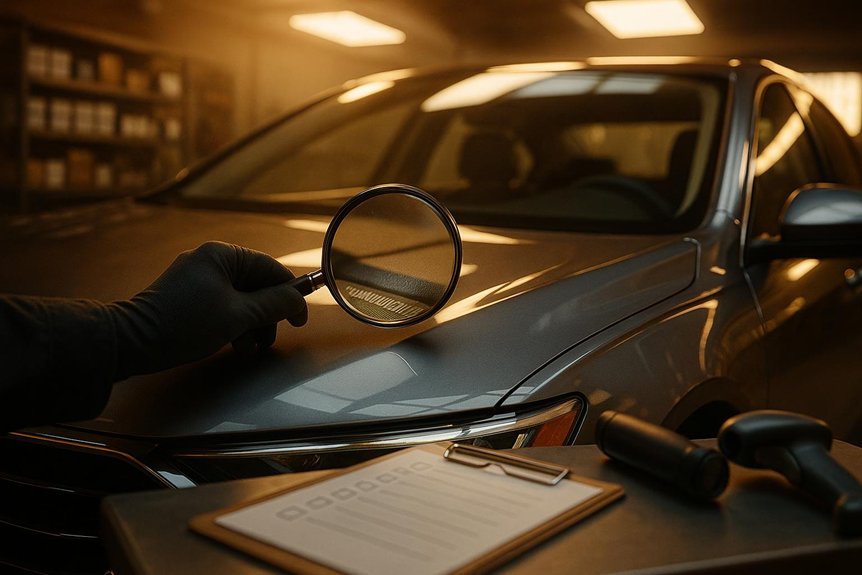
If needed, they’ll check the engine bay, frame rails, or trunk well for secondary stamps or labels. They compare characters for consistency and legibility, noting font, spacing, and rivets. If glare or dust hides digits, they’ll adjust lighting or use a mirror.
You’re part of the process—standing by, answering quick questions, and helping verify each character matches your paperwork precisely. The inspector follows the REG31 form systematically, documenting the vehicle year, make, model, VIN location, number of wheels and axles, fuel type, and odometer reading to complete the verification.
The Physical Inspection Process From Start to Finish
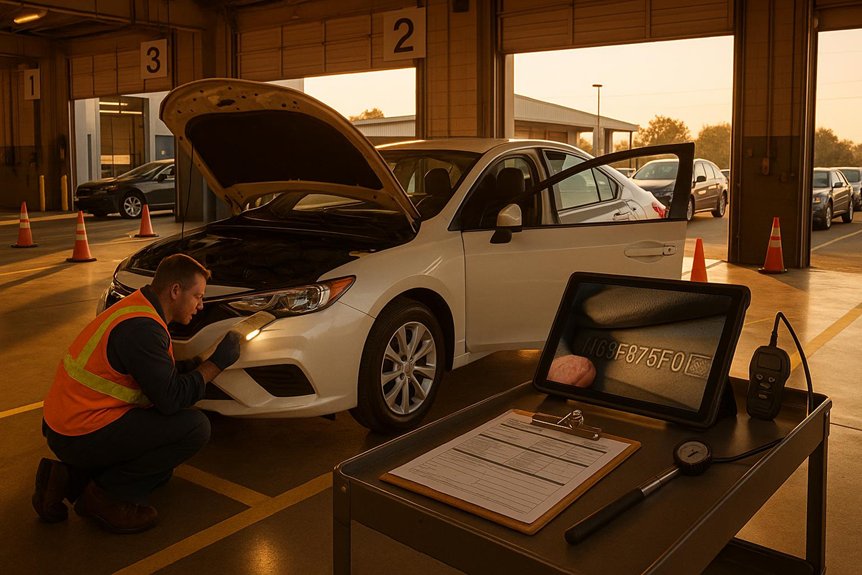
Once you arrive and check in, the inspector greets you, verifies your ID and paperwork, and confirms the appointment details. You’re guided to a designated spot, where the inspector explains each step so you feel included.
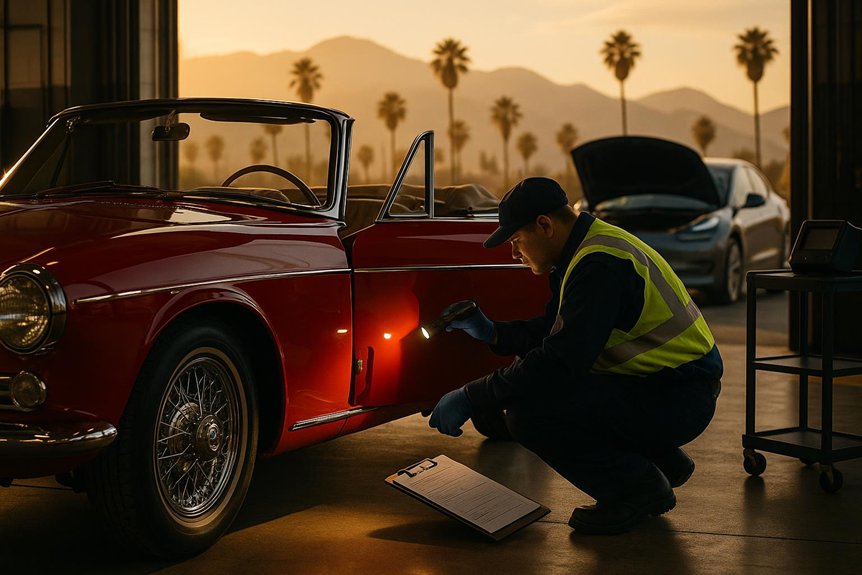
They visually compare your VIN to the documents, then examine secondary VIN locations if required. Next, they confirm the make, model, year, and body style. They check the odometer, emissions label, and safety labels, noting any modifications.
The inspector photographs or records details, maintaining clear chain-of-custody. Finally, they summarize findings, answer questions, and complete the verification form. This process ensures the vehicle identification number matches the title and helps prevent theft and fraud. You leave knowing exactly what was reviewed.
Common Issues That Cause Delays and How to Avoid Them
Two avoidable mistakes cause most VIN verification delays: incomplete paperwork and hard-to-read VINs. You can sidestep both. Before your appointment, confirm your state’s required forms, proof of ownership, ID, and any import or out-of-state documents. Print legibly, sign where needed, and bring originals plus copies.
Clean every VIN stamping and label. Use a soft brush and light cleaner; avoid scratching. Bring a flashlight and phone photos of each VIN location in case access is tight. Match every digit on the form to the vehicle. If plates or parts hide a VIN, loosen them beforehand. Arrive early, organized, and ready.
Timeline, Next Steps, and Getting Your Verification Document
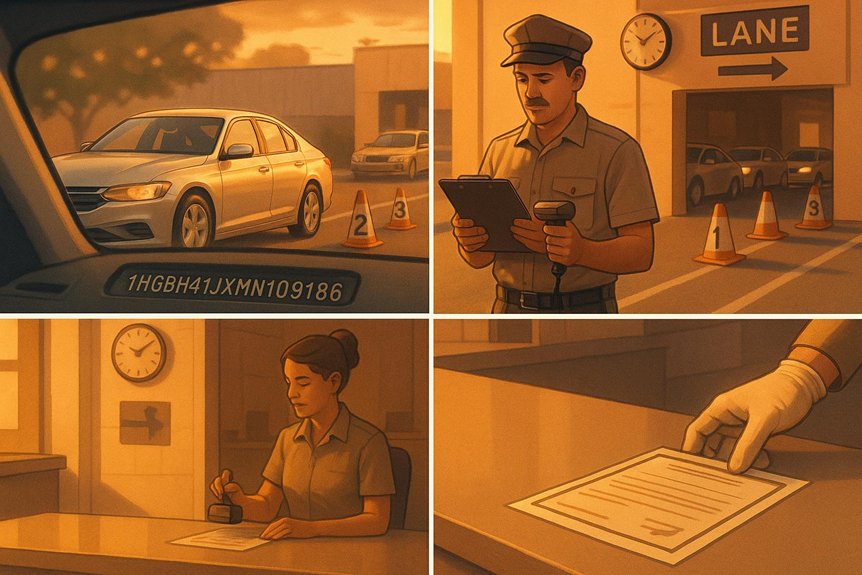
Most VIN verifications wrap up in 10–20 minutes, but your total timeline depends on the queue and any paperwork questions. After the inspector confirms the VIN, they’ll note mileage and essential details, then finalize the form. You’ll review for accuracy, sign if required, and receive your verification document or instructions on where it’ll be uploaded.
Next, attach the verification to your registration or title application. If your state accepts digital copies, save the PDF and back it up. If you’re missing anything, the staff will tell you what to bring. Before leaving, ask about processing times so you can plan your registration step.
Frequently Asked Questions
Can I Reschedule or Cancel My VIN Verification Appointment Online?
Yes, you can reschedule or cancel online through your DMV or verifier’s portal. Log in, choose your appointment, pick a new time or cancel, then confirm. If options aren’t visible, call support—they’ll help you feel supported.
How Much Does a VIN Verification Typically Cost?
It typically costs $20–$100, depending on your state, provider, and whether they come to you. Check DMV fees, AAA rates, or licensed mobile verifiers. Ask about travel surcharges, emissions add-ons, and cash-only policies to feel prepared.
Are Mobile or On-Site VIN Verifications Available?
Yes, many providers offer mobile or on-site VIN verifications. You schedule online or by phone, they travel to you, verify the vehicle, complete the form, and collect payment. Expect travel fees; availability varies by region and timing.
Do Out-Of-State or Salvage Vehicles Need Special Verification Steps?
Yes. You’ll need extra checks for out-of-state and salvage vehicles. Bring original ownership documents, repairs or rebuild receipts, and any prior title/brand records. Expect closer VIN inspections, possible engine/frame comparisons, and sometimes photos to confirm identity and safety.
Is a Translated Document Required for Foreign-Language Titles or Bills of Sale?
Yes. You’ll need a certified English translation for foreign-language titles or bills of sale. Bring the original and translation together. It guarantees accuracy, helps the team verify your details, and keeps your registration process smooth and welcoming.