
Multiple Vehicle VIN Verification: Fleet Processing Time
October 18, 2025
Digital VIN Verification: Electronic REG 31 Submission
October 18, 2025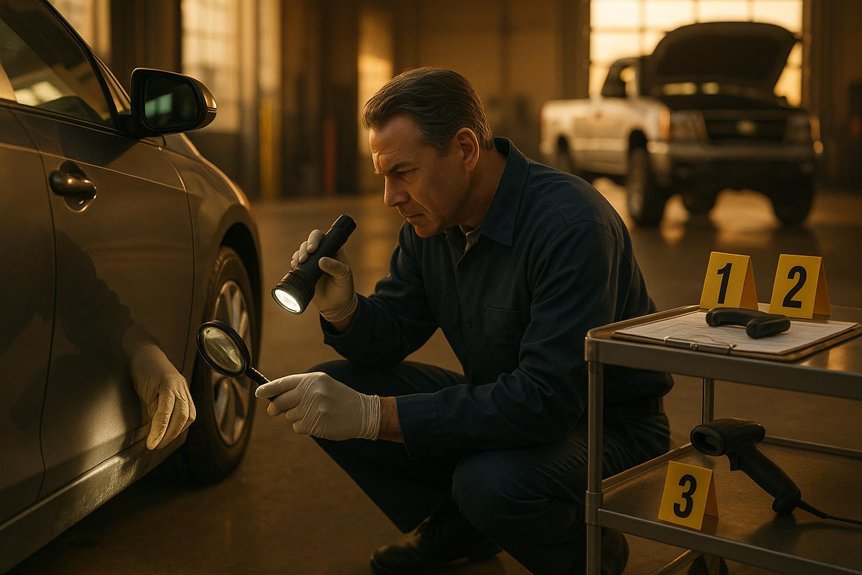
You must re-verify your VIN if your title or registration lapses, numbers don’t match, the VIN plate is damaged or replaced, the vehicle is rebuilt/salvage or heavily modified, or you move it across state lines or import it. Bring a government ID, title/registration, purchase proof, lien papers, and matching address. Use DMV inspectors, law enforcement, certified stations, mobile verifiers, or credentialed dealers. Book ahead, have the car accessible, and get the signed form. Here’s how to make it smooth.
Triggers That Require a Fresh VIN Verification
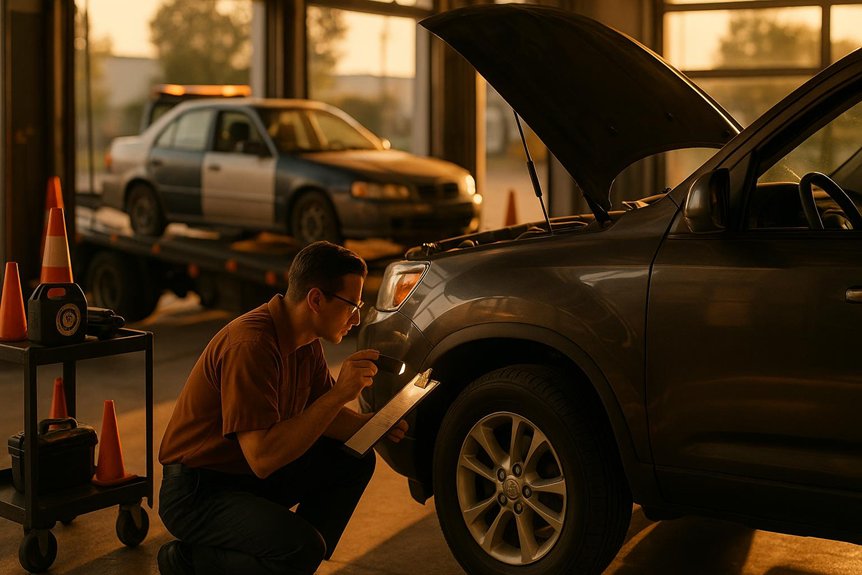
Needing a fresh VIN verification usually comes down to specific changes or gaps in a vehicle’s identity trail. You’ll trigger it when your title lapses, your registration’s been inactive, or your paperwork shows mismatched numbers. If the VIN plate’s damaged, replaced, or hard to read, you’ll need re-verification.
So will you if the car’s rebuilt, salvaged, or extensively modified, especially with chassis or body swaps.
Moving across state lines often prompts it, since rules differ and officials want to align records. Importing a vehicle, correcting clerical errors, or recovering a theft-marked car can also require it. You’re ensuring your ride’s story matches the community record. Vehicles that have fallen off the DMV system must also undergo verification to be reintroduced into official records.
Documents and Proofs You’ll Need to Bring
Since certain events can trigger a fresh VIN check, you’ll want the right paperwork ready to keep things smooth. Bring your government-issued ID, vehicle title or current registration, and proof of ownership if recently purchased—like a bill of sale or dealer invoice.
Have loan or lease documents if there’s a lien. Carry proof of address that matches your ID. If the VIN plate was repaired or replaced, bring receipts or certification.
Include import documents, customs clearance, or manufacturer statements for out-of-state or foreign vehicles. Add prior inspection reports, repair records after damage or theft, and insurance proof. Keep originals and clear copies.
For out-of-state vehicle registration, you’ll also need an out-of-state title, MSO, or registration card, along with smog certification for gas and some diesel vehicles.
Who Can Legally Perform the Re-Verification
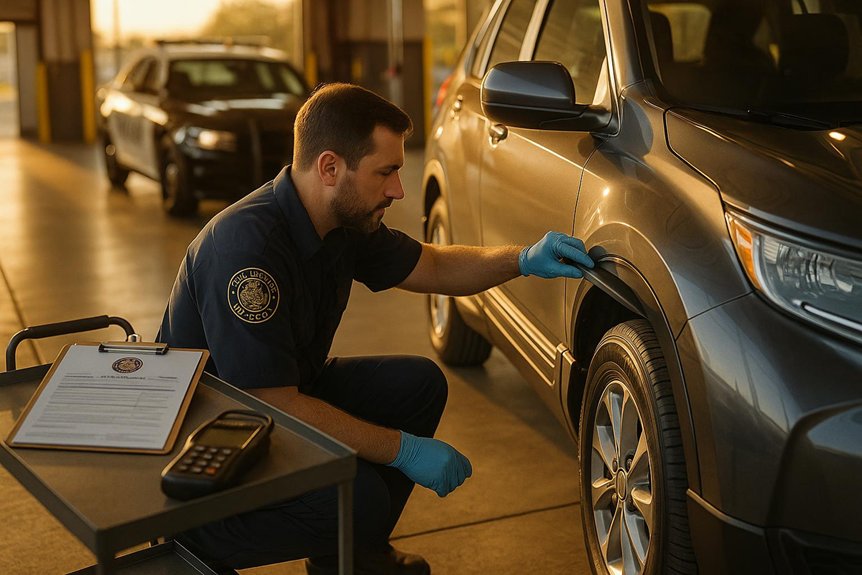
In most places, only authorized professionals can re-verify a VIN: DMV or motor vehicle agency inspectors, licensed law enforcement officers, and certified emission/safety inspection stations. You’ll fit right in by choosing a recognized partner.
Many states also allow certified mobile VIN verifiers or bonded notaries with specific training. Dealership service departments sometimes qualify if they hold state verification credentials.
Avoid private sellers or unlicensed garages—they can’t legally complete re-verification, and their signatures won’t stand. Always check your state’s list of approved verifiers, accepted forms, and fee schedules. When in doubt, call your DMV.
During the inspection, authorized verifiers will complete a REG31 form that confirms the accuracy of the vehicle identification number and other key details. You’re part of a community that values accuracy and trust.
Step-by-Step Process to Prevent Delays
Ready to breeze through your VIN re-verification without hiccups? Start by confirming your vehicle needs re-verification based on your state’s rules. Gather essentials: current registration, proof of ownership, government ID, and any prior verification forms.
Check that your VIN plate is clean, legible, and matches all documents. Schedule an appointment with an approved verifier early; confirm fees and acceptable payment. Arrive a few minutes ahead with the vehicle accessible and safe to inspect. Stay present during the check to answer questions.
Before leaving, verify the form is complete, signed, and dated. Submit promptly and track confirmation so you’re never left waiting.
Common Mistakes and How to Avoid Them
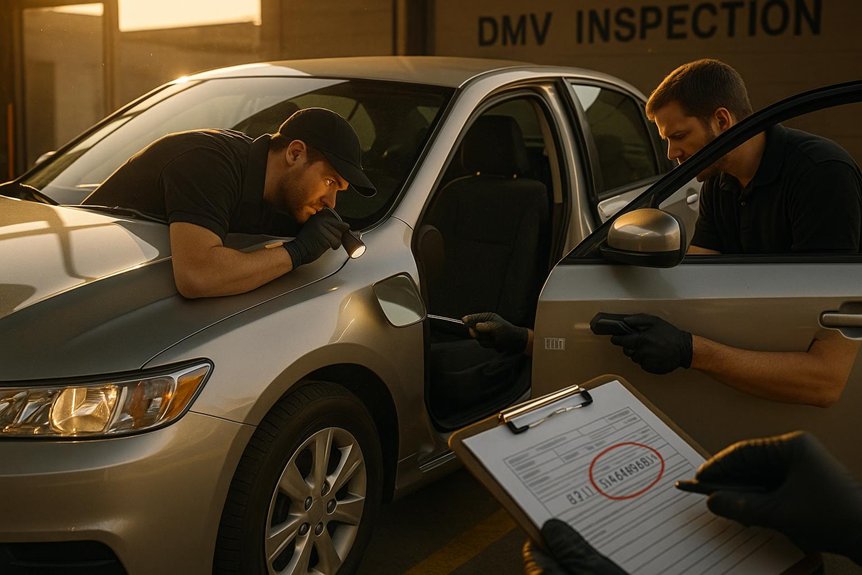
You’ve got the process down, so now sidestep the slip-ups that trigger rejections and repeat visits. Don’t rely on memory—match every VIN character on the vehicle to your title, registration, and insurance. Clean the VIN plate; dirt and glare cause misreads. Bring valid ID, proof of ownership, and renewal notice.
Avoid photoshopped or faded copies; bring originals when required. Don’t show up with aftermarket plates covering stamps. Park in good light so inspectors see rivets and etchings. Confirm the car isn’t salvaged or modified without documentation. Book ahead, arrive early, and double-check forms. You’ll breeze through—and help everyone keep the line moving.
Frequently Asked Questions
How Much Does a VIN Re-Verification Typically Cost?
You’ll typically pay $10–$75, depending on your state, who verifies it (DMV, law enforcement, or licensed inspector), and whether they travel. Call ahead, ask about mobile fees, and lean on community recommendations to save.
How Long Is a VIN Verification Valid Before Expiring?
It’s typically valid until your registration or title process finishes, often 30–90 days, but it varies by state. Check your DMV’s timeline. If it lapses, don’t stress—you’ll just schedule a quick re-verification and keep moving together.
Does a Failed Re-Verification Affect My Vehicle Registration Status?
Yes, a failed re-verification can pause or deny your registration until you resolve issues. You’ll fix discrepancies, submit proof, and retest. Stay proactive—schedule quickly, bring documents, and lean on community resources so you’re back on the road.
Are Out-Of-State VIN Re-Verifications Recognized Locally?
Yes, but it depends on your local DMV’s rules. You’ll usually need an approved form, official verifier, and legible VIN. Bring supporting documents. If not accepted, you can request a local re-verification to stay compliant together.
Can I Verify a Classic or Rebuilt Vehicle Differently?
Yes—you can. For classics, you’ll usually need a VIN inspection plus proof of age or authenticity; for rebuilt vehicles, expect a VIN inspection, repair receipts, and sometimes a branded-title or safety/emissions check. Check your state’s specific requirements.