
Confidential VIN Plates: Hidden VIN Locations by Manufacturer
October 18, 2025
VIN Etching: Theft Prevention and Verification
October 18, 2025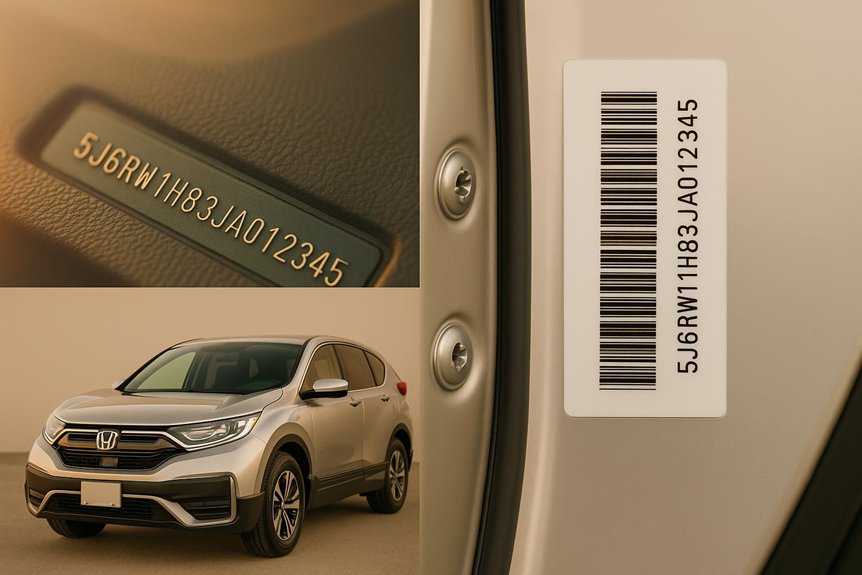
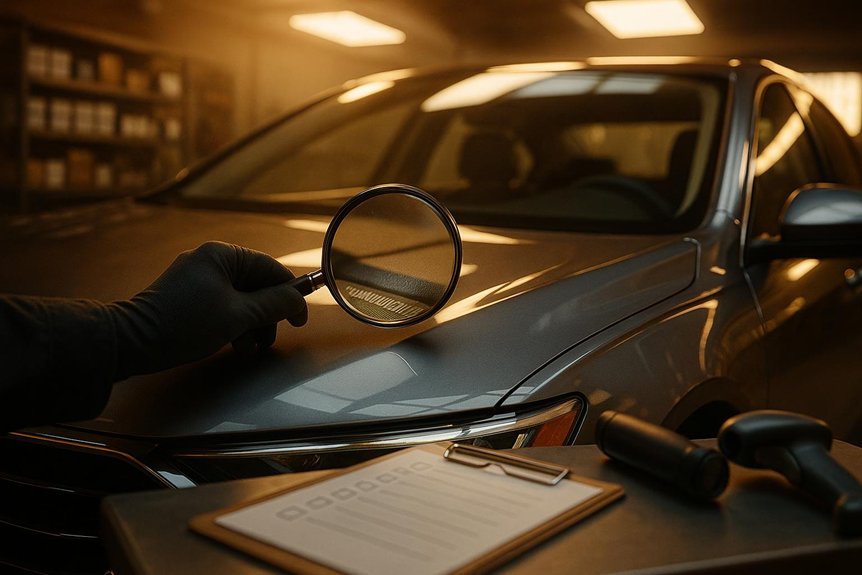
You’ll need clear, time-stamped photos: full exterior, readable VIN plate/tag, a second VIN location (dash or door jamb), odometer, front/rear plates, and emissions/cert labels. Shoot in open shade, clean glass, and fill the frame; take a straight-on VIN shot plus one with context. Capture engine and frame numbers where present. Use high resolution, sharp focus, GPS/date metadata, and avoid glare, blur, tight crops, or obstructions. Get these right to stay compliant—and there’s more that can help.
Required Photo Types and Agency Compliance Standards
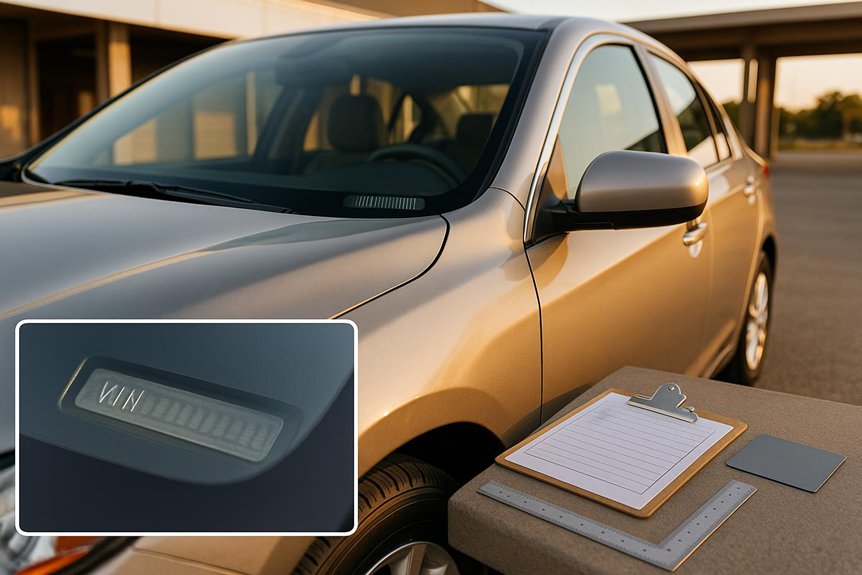
Although requirements vary by jurisdiction, you’ll typically need clear, time-stamped photos of the full vehicle exterior, the VIN plate/tag (close-up and readable), the VIN in a second location (e.g., windshield etching or door jamb sticker), the odometer reading, the license plate (front and rear if applicable), and any emission or certification labels.
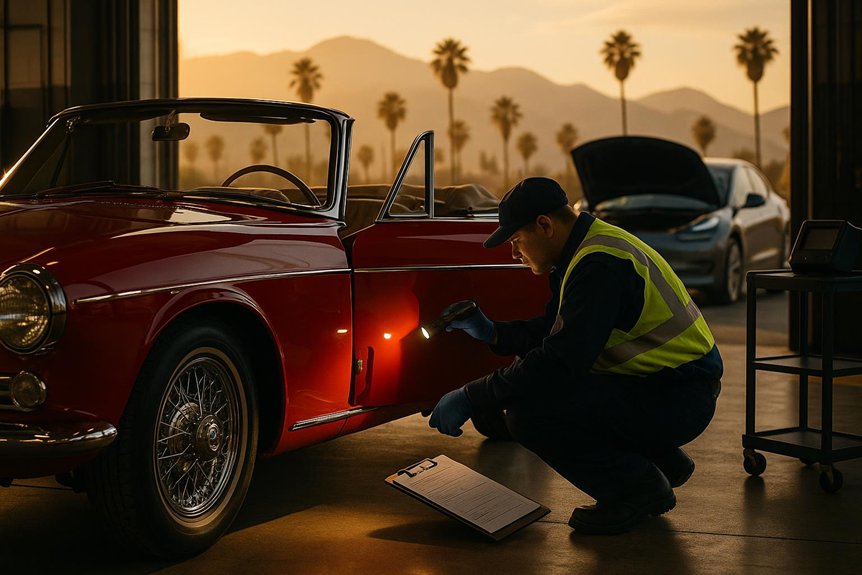
You’re meeting agency standards when every image is sharp, well-lit, unedited, and captured in sequence the same day. Frame each shot squarely, avoid glare, and include the date/time overlay. Keep plates and labels legible without obstruction. Save originals with consistent filenames. Submit in the requested format and resolution. Double-check completeness so your documentation passes together. Professional verifiers document these details on the REG31/VIN verifier form to ensure the vehicle identification number matches the title and DMV records.
Capturing the VIN: Plates, Dash Placards, and Door Jamb Labels
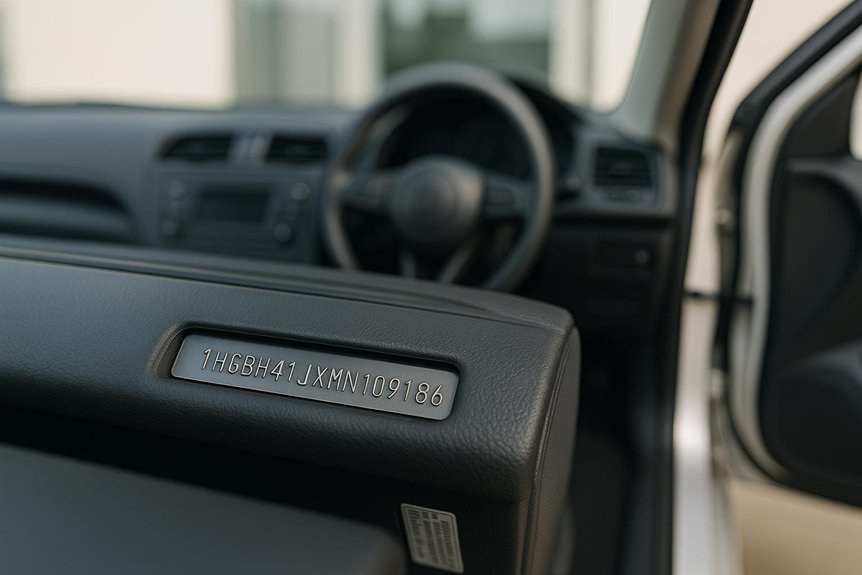
Even before you snap the exterior, plan how you’ll capture the VIN cleanly from all official locations: the metal VIN plate on the dashboard (viewed through the windshield), the door jamb label, and any chassis or engine bay tag your jurisdiction accepts.
Park in open shade, clean the glass, and angle the camera to avoid glare. Use a high-resolution setting, steady your hands, and fill the frame with the VIN. Take one straight-on photo and a contextual shot showing the surrounding area.
For door jamb labels, open wide, focus on the printed VIN, and include the latch side. Retake anything soft or clipped.
Professional VIN verification services rely on clear, high-resolution photographs that meet documentation standards, so investing in quality images from the start will streamline the entire process.
Secondary Identifiers: Engine Stamps, Frame Numbers, and Emissions Labels
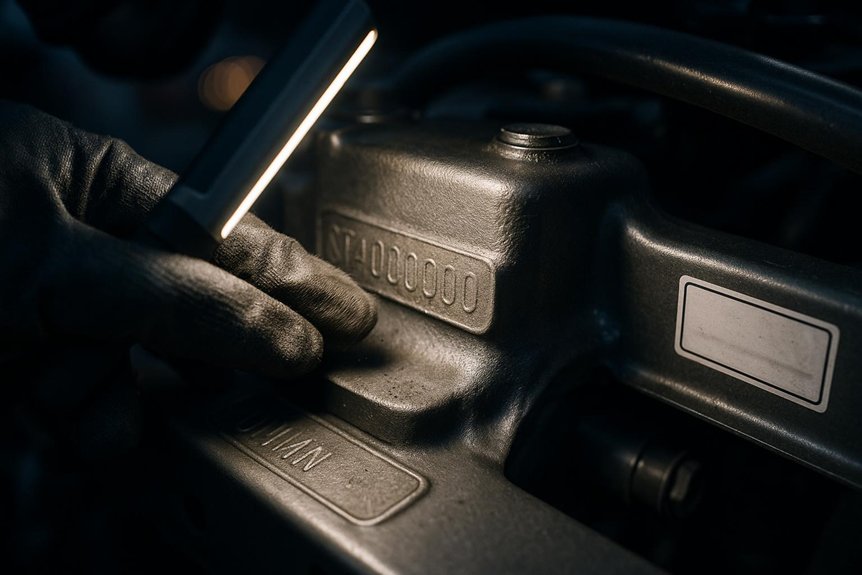
With the primary VINs covered, turn to secondary identifiers that help corroborate a vehicle’s identity: engine block stamps, frame or chassis numbers, and emissions labels. You’ll document these to confirm provenance, detect tampering, and align records across jurisdictions.
Locate the engine stamp on the block pad or casting boss; capture the full code and any factory symbols. Find frame or chassis numbers along rails, crossmembers, or suspension mounts; include adjacent features that anchor location. Photograph emissions labels underhood or near the radiator support; record model year, calibration, and standards.
This inspection follows the REG31 form criteria, documenting fuel type, US Federal Certification Label status, and other specifications that confirm the vehicle matches its title and registration records.
When you capture these consistently, you reinforce trust and keep everyone aligned.
Imaging Best Practices: Lighting, Angles, Resolution, and Metadata
Because clear images make or break a verification, follow consistent practices for light, angle, resolution, and metadata. Use bright, even lighting; avoid harsh glare with diffused daylight or a soft LED.
Steady your camera; brace on the vehicle to reduce blur. Frame the VIN square-on, filling the frame while keeping edges visible. Capture a straight-on primary shot, then a slight oblique for depth.
Shoot at high resolution (12MP+), with focus locked on the characters. Enable time, date, and GPS metadata; guarantee device clock accuracy. Keep file names orderly and consistent.
Take multiple angles, then select the sharpest, most legible image.
Common Rejection Triggers and How to Avoid Them
Strong imaging habits set you up for success, but approvals still fail for predictable reasons. Blurry VIN plates, glare, and tight crops are top triggers. Avoid them: steady your hands, brace on the vehicle, and take multiple frames. Don’t shoot through glass; open doors or hoods to reduce reflections. Cut clutter—no fingers, stickers, or shadows crossing characters.
Mismatched metadata causes instant rejections. Confirm the vehicle’s plate, VIN stamp, and documents match. Capture the full VIN, not partials, with surrounding context. Time-stamp and geotag your shots. Save originals; don’t filter or compress. Before submitting, run a quick checklist. You’re contributing reliable proof.
Frequently Asked Questions
How Long Should I Retain VIN Verification Photos for Recordkeeping?
Keep VIN verification photos for at least 3–5 years, or longer if regulations or insurance require. You’ll protect yourself, support your community’s standards, and simplify audits or disputes. Store securely, back them up, and restrict access to trusted teammates.
Do I Need Owner Consent Before Photographing the Vehicle’s Identifiers?
Yes, you generally need the owner’s consent. Ask clearly, explain the purpose, and respect privacy. Get written or recorded permission when possible. Follow local laws, agency policies, and community norms so everyone feels respected, included, and protected.
Are There Privacy Concerns When Capturing License Plates or Personal Items?
Yes. You should avoid capturing full license plates, faces, addresses, and personal items. Crop or blur sensitive details, get consent when possible, secure images, and share only with authorized parties. Respect builds trust and keeps everyone comfortable.
What File Naming Conventions Help Organize VIN Photo Sets?
Use structured names like YYYYMMDD_Location_VINLast6_AngleSequence.jpg. You’ll group by date, site, and vehicle, e.g., 20251018_Oakland_3F2145_Front01. Keep consistent underscores, two-digit sequences, and version tags (v1, v2). You’ll feel aligned, organized, and collaborative.
Can Mobile Apps Streamline Submission, Tracking, and Audit Trails?
Yes. You can use mobile apps to submit instantly, auto-tag entries, track statuses, capture timestamps/GPS, and lock versions. You’ll receive notifications, assign roles, export reports, and maintain transparent audit trails that keep your team aligned, accountable, and included.