
VIN Verification Photography: Documentation Requirements
October 18, 2025
Cloned VIN Detection: Protecting Against Fraud
October 18, 2025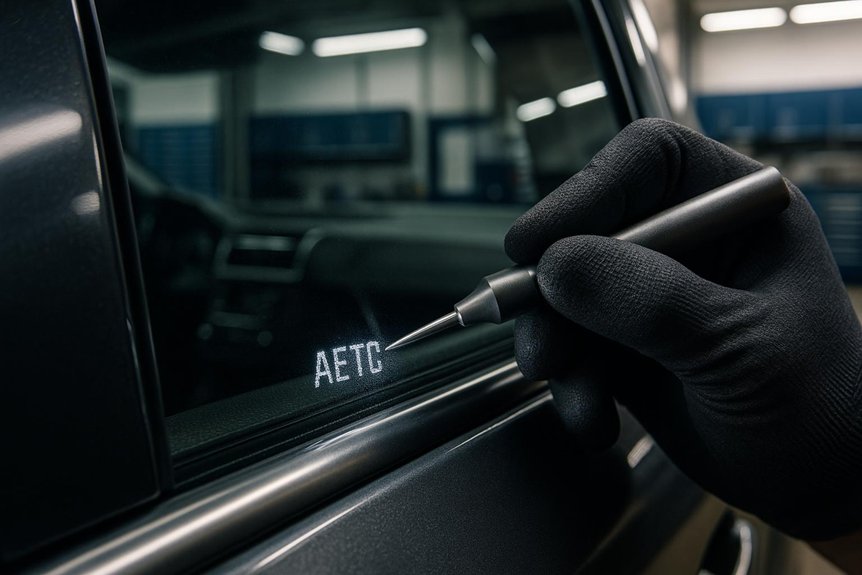
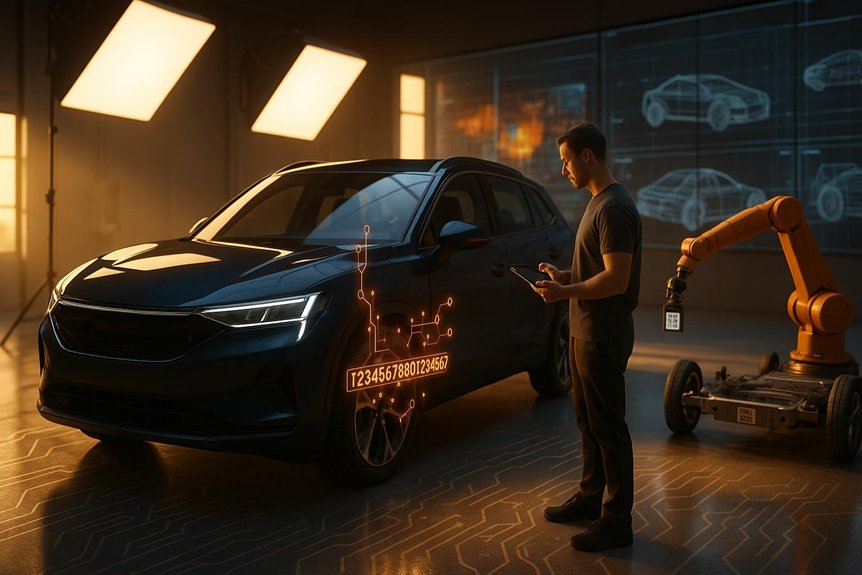
VIN etching marks your car’s glass with its unique VIN using a stencil and mild etching cream or a laser, linking the vehicle to official records. You’ll deter thieves, speed law-enforcement verification, and boost resale confidence. DIY kits cost about $20–$40; professional services run $80–$200 and may include documentation. Clean, align, etch briefly, rinse, and inspect for clarity on key windows. Check local laws, lease terms, and insurer discounts. You’ll see how simple, affordable, and effective it can be.
How VIN Etching Works and Where It’s Applied
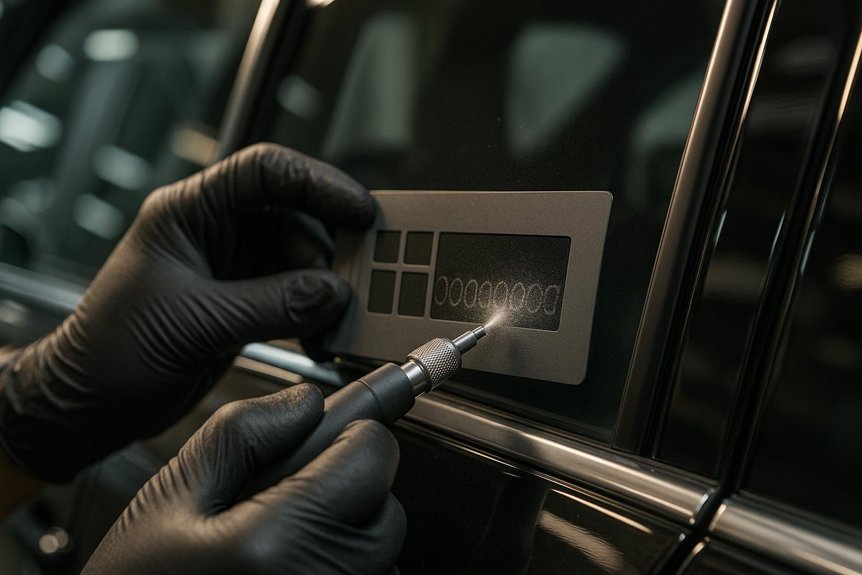
Even though it looks simple, VIN etching permanently marks your car’s glass with its unique Vehicle Identification Number using a mild acid cream or a laser. You clean the surface, apply a stencil that matches your VIN, and etch for a brief, controlled time. The result is crisp, shallow characters that don’t weaken the glass but stay visible.
You typically etch the windshield’s lower corners, front side windows, rear side windows, and the back glass. Some shops also mark small quarter windows and sunroofs. You can DIY with a kit or visit a professional. Either way, you’re aligning your ride with a community that values accountability.
This etched VIN helps ensure that the vehicle identification number on your car matches official records, which authorities verify during registration and inspections to prevent theft and fraud.
Benefits: Deterrence, Recovery, and Resale Confidence
Because etched glass ties a car to a single identity, it deters thieves who prefer parts they can flip anonymously and cars they can re-VIN. You make your vehicle a tougher target, signaling that your community looks out for its own. That clear message reduces risk where you live, work, and park.
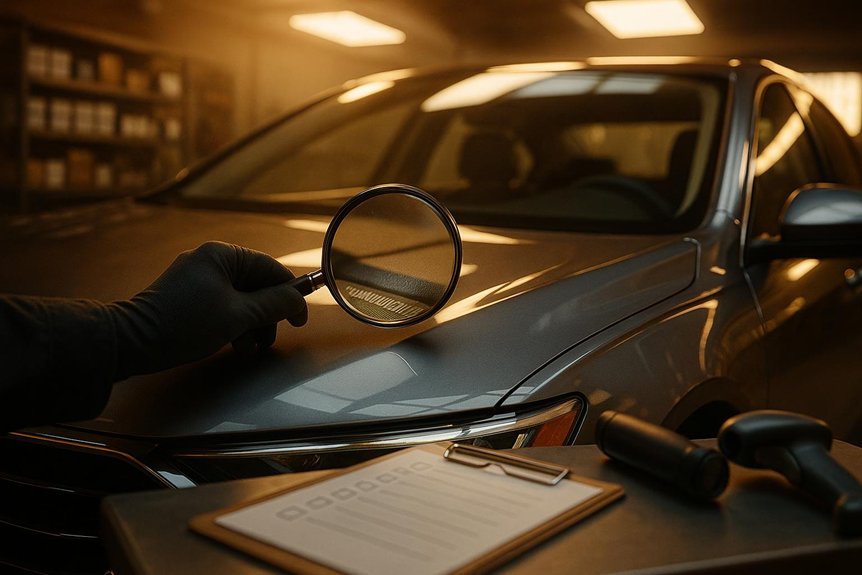
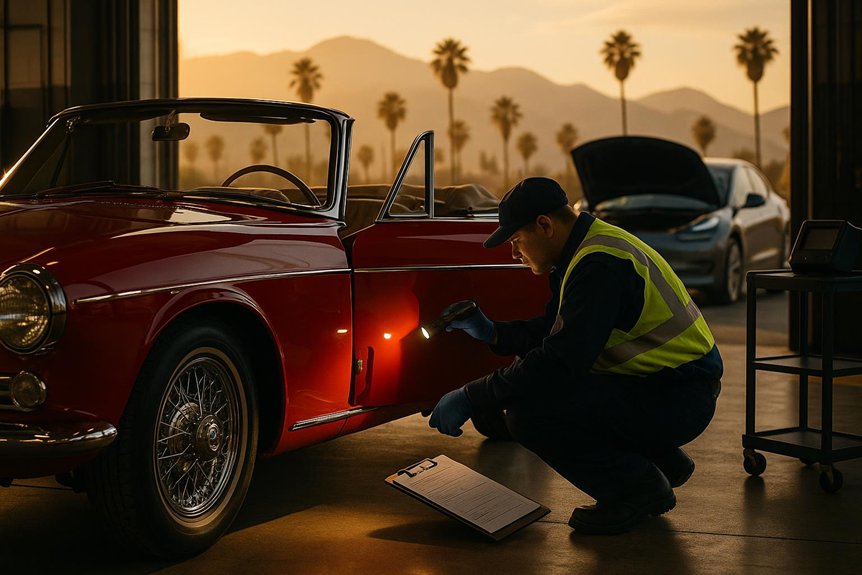
If someone still takes your car, etched windows give law enforcement quick verification points, speeding identification and recovery. Tow yards, insurers, and investigators can match your VIN without guessing. When you sell, buyers feel safer. You show care, transparency, and pride, which supports trust, smoother transactions, and stronger resale value. A physical VIN inspection by licensed verifiers can confirm the etched number matches your ownership documents, adding another layer of authentication that protects both you and future owners.
Cost Breakdown: DIY Kits vs. Professional Services
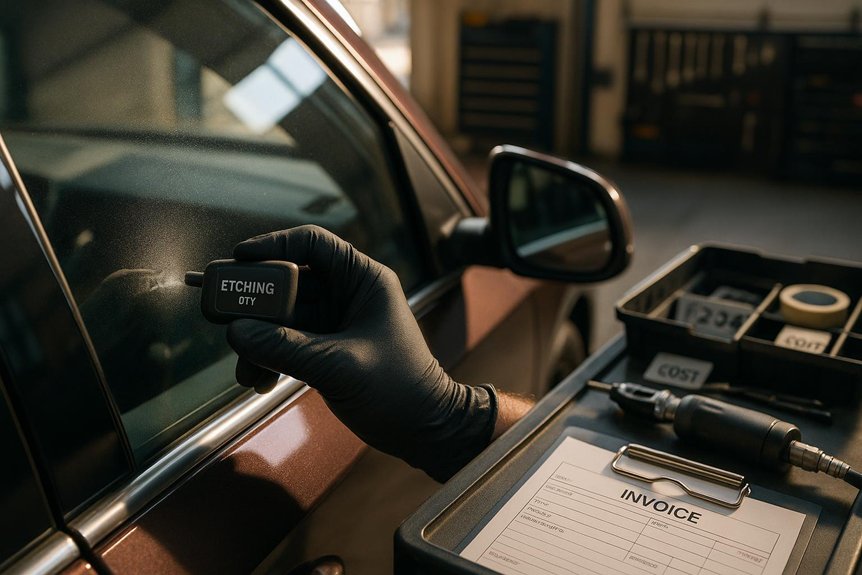
While the goal is the same—marking your glass with your VIN—the price and what you get differ sharply between DIY kits and pro services. DIY kits typically cost $20–$40, covering stencils, etching cream, and instructions. You invest your time, but you control placement and pace.
Professional services usually run $80–$200, sometimes bundled with dealership add-ons or insurance discounts. You’re paying for convenience, uniform placement, and documented proof.
Factor hidden costs: shipping for kits, shop fees, or dealer markups. Compare warranties and proof of completion; some pros provide certificates. Choose what fits your budget, comfort level, and desire for community-backed assurance.
If you need to verify your VIN for insurance or registration purposes, Quick VIN Verification offers affordable verification fees at convenient locations.
Step-by-Step Guide to Safe and Accurate VIN Etching
Knowing what you’ll pay sets expectations; now it’s time to etch safely and correctly. Gather your VIN, kit, painter’s tape, ammonia-free glass cleaner, lint-free cloth, gloves, and eye protection. Choose calm weather, shade, and steady lighting.
Clean the window area; dry completely. Tape a straight guide. Place the stencil; align each character. Press firmly.
Mask around the stencil to catch runoff. Apply etching cream per kit timing—usually 3–5 minutes. Don’t rub; let chemistry work. Rinse with water; remove stencil and tape. Pat dry. Inspect clarity and spacing; redo if faint.
Repeat on selected windows. Share photos—welcome others to your secure-car community.
Legal Considerations, Insurance Impacts, and Best Practices
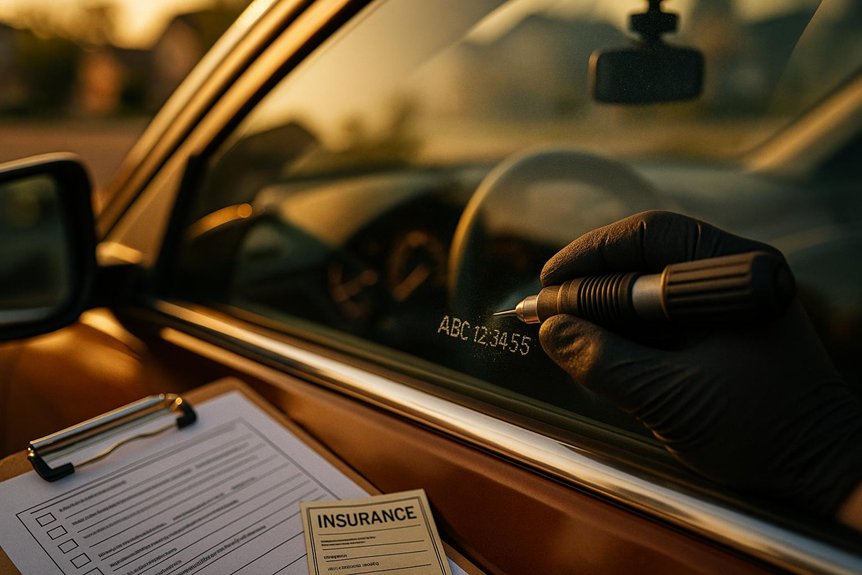
Before you etch, check your state and local laws, since some jurisdictions regulate stencil size, placement, and who can perform the work. Confirm that etching won’t obscure safety markings or violate lease or warranty terms. Keep receipts, photos, and a record of etched locations.
Call your insurer. Ask whether VIN etching earns a discount, qualifies as an anti-theft device, or requires specific documentation. Note any premium changes after installation.
Follow best practices: use manufacturer-accurate characters, consistent location choices, and clean, readable etches. Avoid windshields with advanced sensors unless approved. Share your experience with your community, and encourage neighbors to verify, not guess.
Frequently Asked Questions
Does VIN Etching Affect Leased Vehicles or Violate Lease Return Conditions?
Yes, it can affect leased vehicles if your contract prohibits modifications. You should check your lease terms and ask your lessor. If allowed, use approved methods and locations so you protect value and avoid return issues.
Can Etched VINS Be Removed or Altered Without Damaging Glass?
You can’t remove or alter etched VINs without risking glass damage. You might lighten them with polishing compounds, but visibility stays. If replacement’s necessary, swap the glass. Always check local laws and your lease or insurance requirements.
How Does VIN Etching Impact Classic or Collector Car Originality?
It subtly affects originality, since added markings aren’t factory-correct. You’ll weigh security against purity. If provenance matters, keep original glass. Consider discreet placement, removable decals, or documenting modifications so fellow enthusiasts respect your choices and your car’s story stays cohesive.
Are There Privacy Risks From Publicly Visible Etched VINS?
Yes—publicly visible etched VINs can expose your car’s identity to anyone. You risk targeted theft, cloning, doxxing, or resale scams. Mitigate by limiting online photos, masking VINs in posts, and storing ownership docs securely. You’re not alone.
What Materials Besides Glass Can Safely Hold Etched Identifiers?
You can safely etch identifiers on tempered glass, polycarbonate windows, stainless steel parts, aluminum trim, painted metal panels, and some interior plastics. Use shallow laser or chemical etching, avoid structural components, and seal edges so your ride stays unified and protected.