
DMV Alternatives for VIN Checks in San Bernardino
July 3, 2025
San Bernardino VIN Inspections for Car Exporters
July 3, 2025
Fleet VIN inspections in San Bernardino County are mandatory regulatory checks guaranteeing each vehicle’s VIN matches official documentation for legal compliance. Fleet owners must present vehicles with visible VIN plates, accurate records, and proof of ownership to inspections conducted by DMV or law enforcement-authorized personnel. Proper preparation, including organizing documents and confirming vehicles meet safety standards, streamlines the process. Selecting a recognized provider and avoiding common documentation errors is essential. Additional information will clarify how to secure successful fleet inspection outcomes.
Understanding VIN Inspections and Their Importance
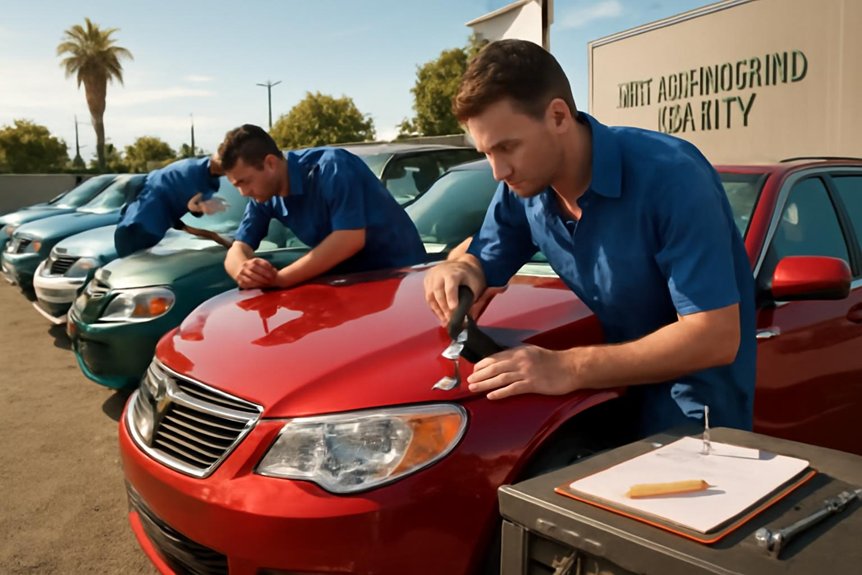
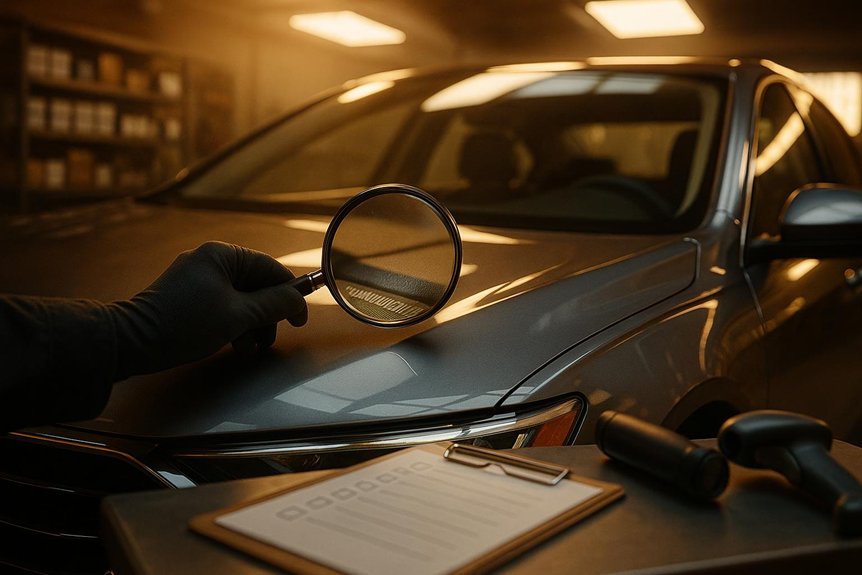
A Vehicle Identification Number (VIN) inspection is a standardized process in which a vehicle’s unique 17-character VIN is verified against registration documents and physical identifiers. The procedure guarantees alignment between official records and the actual vehicle, safeguarding both regulatory compliance and community trust. Inspectors examine the VIN plate, typically located on the dashboard or driver’s door jamb, and cross-reference it with state-issued documentation. This systematic verification process helps deter vehicle theft, prevent fraud, and uphold accurate fleet records. VIN inspections are integral to vehicle titling, registration, and transfer procedures, especially when vehicles change ownership or enter a new jurisdiction. For fleet operators, regular VIN inspections foster a sense of shared responsibility, guaranteeing that every vehicle within the collective meets both legal and ethical standards. Additionally, conducting these inspections often requires the completion of the REG 31 form, which is crucial for verification in California.
Key Requirements for Fleet Vehicles in San Bernardino County
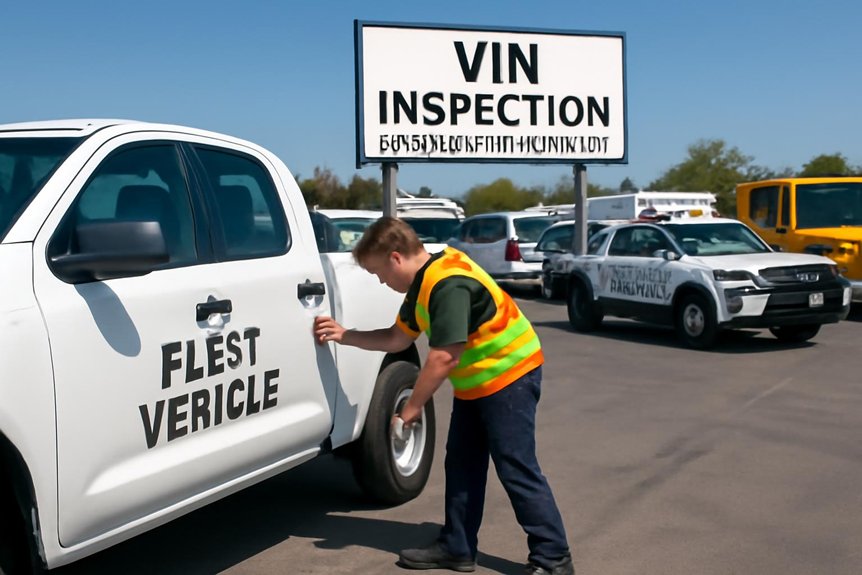
Compliance with San Bernardino County regulations requires fleet vehicles to adhere to specific VIN inspection protocols prior to registration, transfer, or fleet integration. The county mandates that each vehicle in a fleet must display a legible, unaltered Vehicle Identification Number (VIN) that matches official ownership documents. Inspections are conducted by authorized personnel, such as law enforcement officers or certified DMV representatives, to verify authenticity and prevent fraud. Additionally, all required documentation—including titles, bills of sale, and prior registration records—must accompany each vehicle during the inspection. Vehicles that do not meet emissions or safety standards may be denied approval. Adhering to these requirements guarantees legal conformity, promotes fleet accountability, and fosters a sense of shared responsibility within the local business community. Furthermore, vehicles must undergo smog testing to ensure compliance with state emissions regulations.
How to Prepare Your Fleet for a Smooth Inspection Process
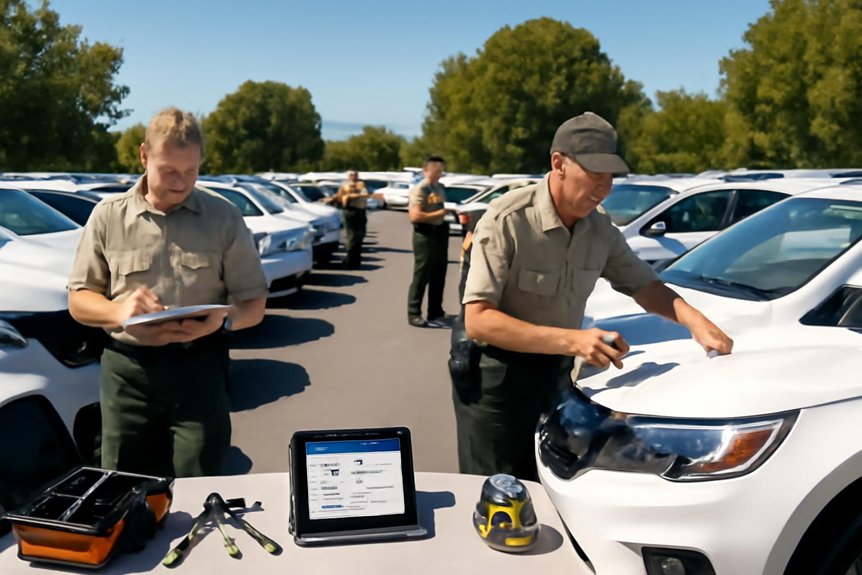
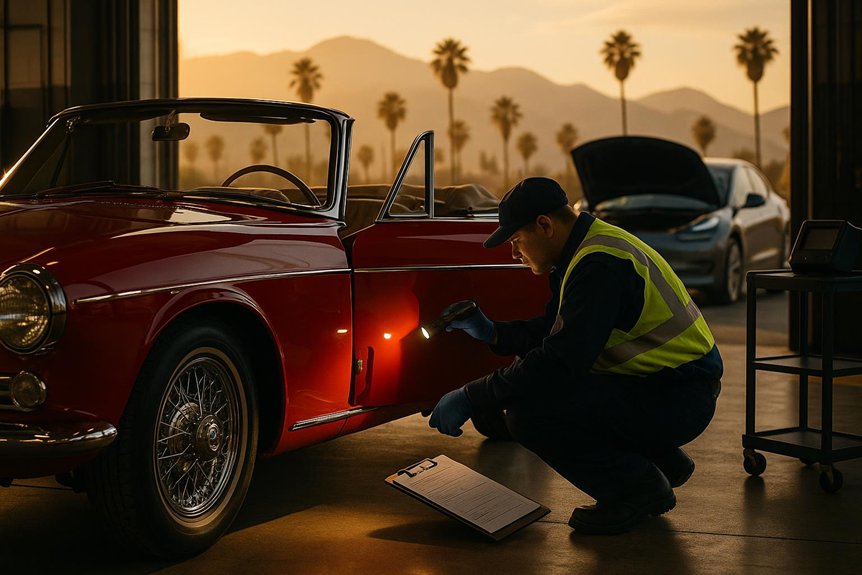
Thorough preparation of fleet vehicles is required to meet the VIN inspection standards set by San Bernardino County. Each vehicle must have its VIN plate clearly visible and free of obstructions, such as dirt or aftermarket components. Documentation—including title, registration, and proof of ownership—should be organized and readily accessible. Vehicles must be parked in an orderly fashion to facilitate efficient access for inspectors. Ensuring all safety systems are operational and that vehicles are presented in a roadworthy condition demonstrates compliance and respect for regulatory protocols. Fleet managers are encouraged to train staff on inspection expectations and to conduct pre-inspection checks. This collective attention to detail fosters a sense of community responsibility and contributes to a seamless, compliant inspection experience for all stakeholders. Additionally, understanding the VIN verification process can greatly enhance the efficiency of the inspection.
Choosing Authorized VIN Inspection Providers
Selecting an authorized VIN inspection provider requires careful attention to regulatory mandates established by San Bernardino County. Providers must hold current authorization from either the California Department of Motor Vehicles (DMV), the California Highway Patrol (CHP), or another county-approved agency. Verification of credentials is essential to guarantee compliance and to avoid invalid inspections. Fleet operators are encouraged to consult the official lists maintained by the DMV and local authorities, as only those listed are recognized for legal documentation. Providers should demonstrate familiarity with multi-vehicle inspections and exhibit procedural consistency. Establishing a working relationship with reputable providers fosters a sense of community adherence to county standards. Careful selection not only streamlines the inspection process, but also upholds the collective integrity of San Bernardino’s fleet operations. Additionally, providers must ensure that vehicles meet California emission standards to maintain compliance with state regulations.
Common Mistakes to Avoid During Fleet VIN Inspections
Several recurring errors can compromise the validity of fleet VIN inspections in San Bernardino County. Fleet operators and inspection teams must adhere to established protocols to guarantee compliance and maintain operational integrity. A failure to observe regulatory details may result in delays, failed inspections, or legal complications. Recognizing and avoiding these common pitfalls helps organizations foster a culture of accountability and belonging within their teams. The following critical mistakes frequently occur during the inspection process:
- Incomplete or inaccurate documentation submitted for each vehicle.
- Overlooking discrepancies between physical VIN plates and registration records.
- Neglecting to present all vehicles at the scheduled inspection time.
- Allowing unauthorized personnel to conduct or supervise the inspection.
- Failing to address previous inspection deficiencies before re-inspection.
Mitigating these mistakes supports seamless, compliant fleet operations.
Frequently Asked Questions
How Long Does a Fleet VIN Inspection Typically Take?
The duration of a fleet VIN inspection generally depends on the number of vehicles presented and their documentation readiness. Typically, it ranges from 15 to 30 minutes per vehicle, ensuring regulatory compliance and fostering community trust through accurate verification processes.
Are There Additional Fees for After-Hours Inspections?
The current question concerns the potential for additional fees associated with after-hours inspections. Regulatory agencies commonly impose supplemental charges for services rendered outside standard operating hours. Applicants should consult official fee schedules to confirm applicable rates and maintain compliance.
Can Inspections Be Scheduled at Our Business Location?
On-site inspections can typically be scheduled at a business location, contingent upon agency policies and resource availability. Applicants should verify eligibility, provide adequate access for inspectors, and comply with procedural requirements to facilitate a streamlined, community-oriented inspection process.
What Happens if a Vehicle Fails the VIN Inspection?
If a vehicle fails the VIN inspection, the inspector documents discrepancies or issues identified. The registrant is then notified and provided instructions for corrective action, ensuring compliance with regulatory requirements before resubmitting the vehicle for reinspection.
Is There a Grace Period for Newly Acquired Fleet Vehicles?
The current question concerns whether newly acquired fleet vehicles are granted a grace period for regulatory compliance. Typically, regulatory agencies provide a specified timeframe—often between 10 to 30 days—allowing operators to complete necessary inspections and documentation requirements.