What Is a VIN Verification? Complete Guide for First-Time California Residents
October 18, 2025
Do I Need VIN Verification? Interactive Checklist for California
October 18, 2025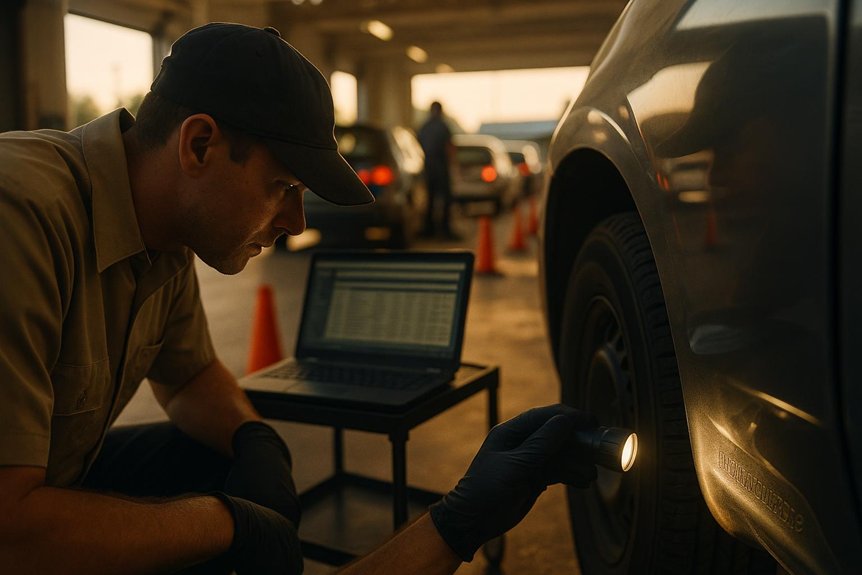
You can’t rely on a database alone when the law calls for a physical VIN inspection—think out-of-state registrations, title gaps, salvage/rebuilt revivals, imports, mismatched numbers, or major theft/frame/engine events. Database reports confirm history (titles, accidents, liens, theft, recalls) but can’t authenticate metal tags or spot hidden tampering. Rules vary by state and agency; some require police/DMV inspectors or specific forms (e.g., California REG 31). Skipping inspections risks fines, holds, or denial—and there’s a smart way to stay compliant.
When Authorities Require an In-Person VIN Verification
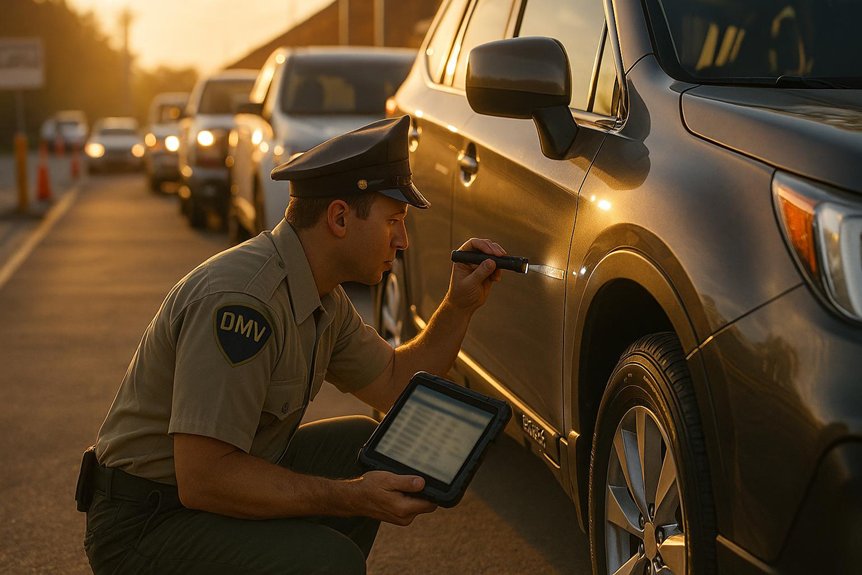
Paperwork only goes so far—some situations demand a physical VIN inspection. You’ll face this when you register an out‑of‑state vehicle, transfer a title with gaps, revive a salvage or rebuilt car, or correct mismatched numbers on forms and plates.
Authorities also require it after major theft recovery, frame replacement, or engine swaps that affect identifiers.
You’ll usually visit DMV, highway patrol, or a licensed verifier. Bring ID, title or bill of sale, proof of ownership, and the vehicle—accessible, clean, and safe to inspect. The process validates the existence of the vehicle beyond mere documentation and confirms that the VIN on the vehicle aligns with DMV records. You’re proving the car matches its identity, protecting your registration, and staying aligned with community standards.
What a Database Check Can and Cannot Confirm
Even with a solid VIN report in hand, you’re looking at patterns and records—not the metal itself. A database check can confirm title history, reported accidents, odometer readings, recalls, liens, theft records, salvage or flood brands, and past sales. It shows whether the VIN exists, matches a model, and appears consistent across entries.
It can’t confirm the VIN plate’s authenticity, hidden tampering, frame damage not reported, swapped parts, active mechanical issues, or unfiled theft. It won’t verify that stamped numbers on the vehicle match every location. Physical verification acts as a protective measure against theft and fraud by ensuring the VIN on the vehicle matches the title documentation. Use the report to spot red flags, then pair it with eyes-on verification you trust.
State, Country, and Agency Rules That Change the Requirements
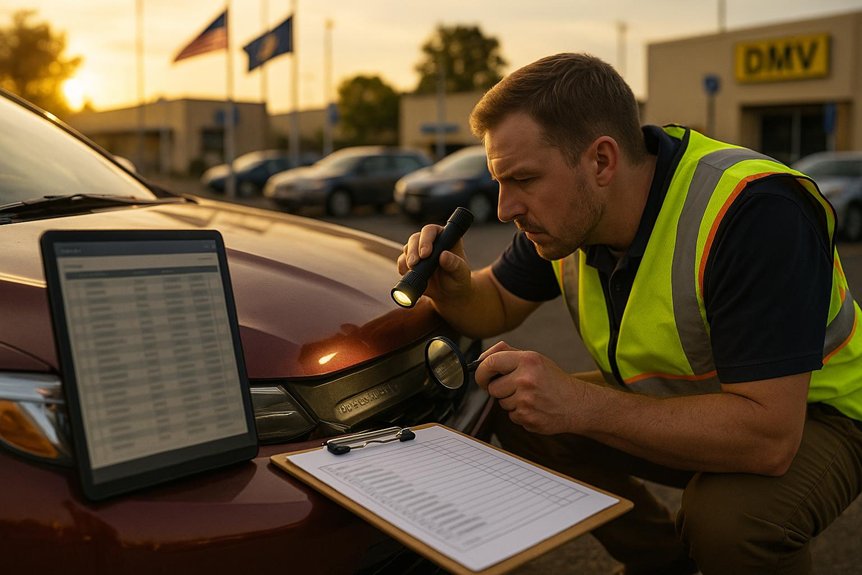
Although VIN standards are global, the rules for inspections and database checks vary widely by state, country, and agency—and that changes what you must do to validate a vehicle. You’ll follow whichever authority controls registration or roadworthiness where you live.
States may require a law‑enforcement, DMV, or licensed inspector to physically verify the VIN. Others accept a certified database report, but only from approved providers. National rules can add emissions or safety confirmations.
Agencies also set who can inspect, what forms count, and how long results stay valid. In California, for example, out-of-state vehicles need a physical inspection documented on a REG31 form to confirm the VIN matches the title and prevent fraud. Check the exact statute, approved forms, fees, and inspector list before you book anything.
Common Triggers: Out-of-State Titles, Salvage, Rebuilt, and Imported Vehicles
When a vehicle falls outside routine ownership changes, you’re far more likely to face a VIN inspection or database check. Out-of-state titles trigger extra scrutiny to confirm the VIN matches your paperwork and isn’t tied to theft.
Salvage and rebuilt vehicles often need physical verification to document repairs and guarantee the frame and labels align. Imported vehicles raise questions about compliance with DOT and EPA standards, so agencies may require both a database check and a hands-on look.
If you’re bringing a car into your community, plan for these steps. You’ll move faster, stay aligned, and avoid repeat appointments.
Penalties for Noncompliance and How to Stay Efficient and Legal
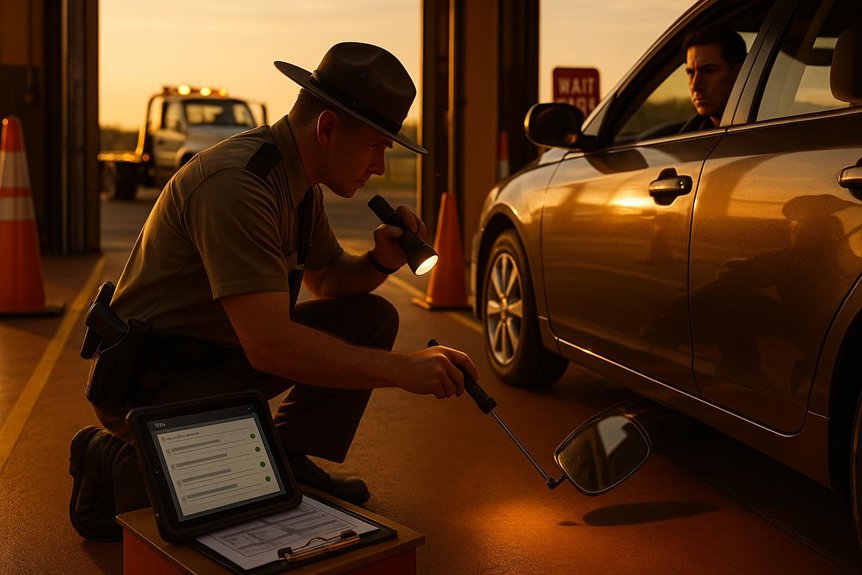
Skip VIN rules and you’ll invite fines, registration holds, title denials, and, in serious cases, impoundment or a fraud investigation. Penalties escalate fast: missed inspections, mismatched numbers, or “paper-only” checks can trigger citations and audits. Don’t risk your reputation with the DMV or your community.
Stay efficient and legal by building a simple workflow: confirm whether your state requires a physical VIN inspection, schedule it with a licensed inspector, document the visit, and keep timestamped photos. Cross-check the VIN against NMVTIS and your state database. Save receipts and forms in one folder. Train staff, use checklists, and calendar renewals.
Frequently Asked Questions
Who Is Legally Allowed to Perform a Physical VIN Inspection?
Authorized inspectors include DMV staff, licensed law enforcement officers, certified VIN/verifier agents, and some licensed dealers or mechanics, depending on your state. You’ll check local rules, schedule an appointment, bring ID and ownership documents, and feel supported throughout.
How Long Does a VIN Inspection Appointment Typically Take?
It usually takes 10–20 minutes. You’ll show your ID, paperwork, and the vehicle, then they’ll verify the VIN plates and stickers. Plan a little buffer; if lines are long or issues arise, expect closer to 30 minutes.
Can a Mobile Inspector Come to My Location?
Yes, a mobile inspector can come to your location. You’ll book a slot, share your address, and they’ll verify your VIN onsite. Check local rules, availability, travel fees, and required documents so everything feels smooth and inclusive.
What Documents Should I Bring to a VIN Inspection?
Bring your government ID, title or proof of ownership, current registration (if any), insurance proof, bill of sale, and any lien release. Have the car present, VIN readable, and receipts for major parts if rebuilt or salvaged.
Will a Failed Inspection Appear on Vehicle History Reports?
Yes, it can, depending on your state and inspection type. Some agencies and services log failed inspections. You shouldn’t worry—fix issues, keep receipts, and retest promptly. You’re not alone; lots of drivers successfully clear it on the second try.