Physical VIN Inspection Vs Database Check: What’s Required by Law
October 18, 2025
VIN Verification Vs VIN Decoder: Two Different Things
October 18, 2025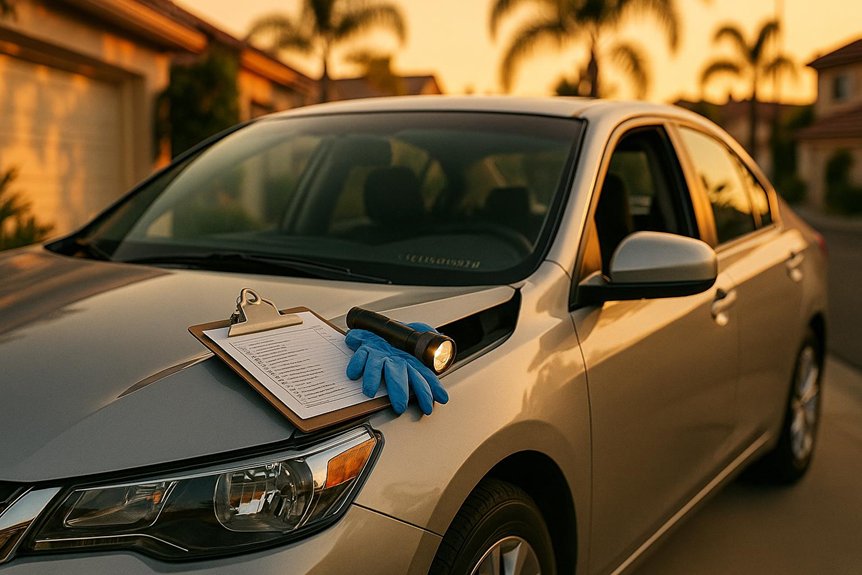
You need VIN verification in California if you bought the vehicle out of state, it has a salvage/revived/specially constructed status, the title is missing/branded/corrected, the VIN is unreadable or altered, or it’s new to your household with no CA record. It’s also required for many motorcycles, trailers, off-highway units, gray-market imports, and vehicles with major component changes. Bring title/registration, bill of sale, ID, insurance, and receipts. DMV, CHP, or mobile verifiers can help—next, see how to choose and prepare.
Who Needs VIN Verification in California
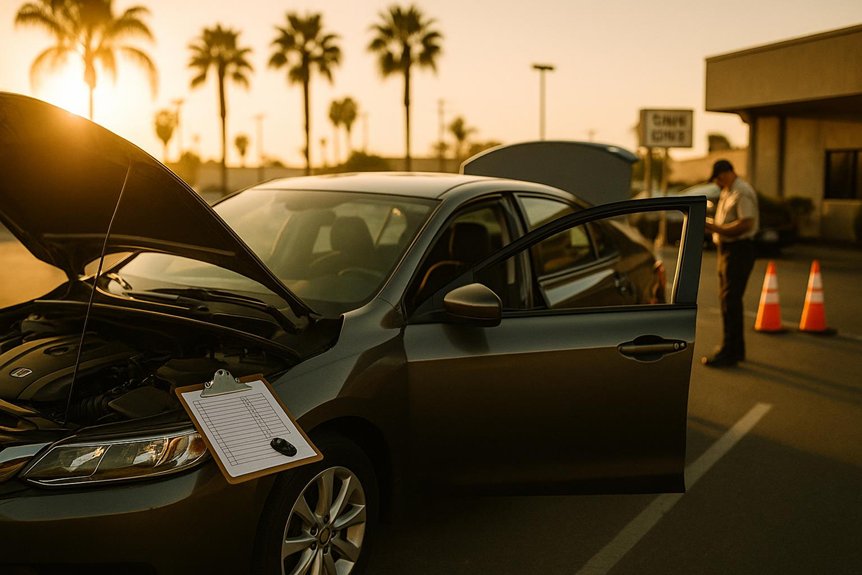
Although many vehicles are processed without extra steps, California requires VIN verification for specific situations to confirm identity and prevent fraud. You’ll need it when your car comes from out of state, carries a salvage or junk title, or the DMV record doesn’t match your vehicle.
You’ll also need it if the VIN plate looks altered, missing, or unreadable, or when you’ve rebuilt, specially constructed, or kit-assembled a vehicle. Imported vehicles without U.S. certification, engines or frames swapped, and classic cars with unclear numbers also trigger checks.
If your registration lapsed long enough to drop from DMV files, verification brings you back. Commercial trucks registered under the International Registration Program also require VIN verification as part of their registration process.
Quick Interactive Checklist: Do You Qualify
Before you book an inspection, run through this quick checklist to see if you actually need VIN verification. Ask yourself:
- Did you buy the vehicle out of state?
- Is the title missing, branded, or corrected?
- Is the VIN unreadable, mismatched, or altered?
- Are you bringing a salvage, revived, or specially constructed vehicle onto California roads?
- Is the vehicle new to your household with no California record?
- Are you changing a major component that affects identity?
- Is the vehicle a motorcycle, trailer, or off‑highway unit newly registered here?
If you answered yes to any, you likely qualify. If not, you’re probably set without verification. Keep in mind that certain vehicles have limitations, including revived salvage vehicles, junked vehicles, and gray market imports that are not eligible for standard VIN inspection.
Documents to Bring and How to Prepare
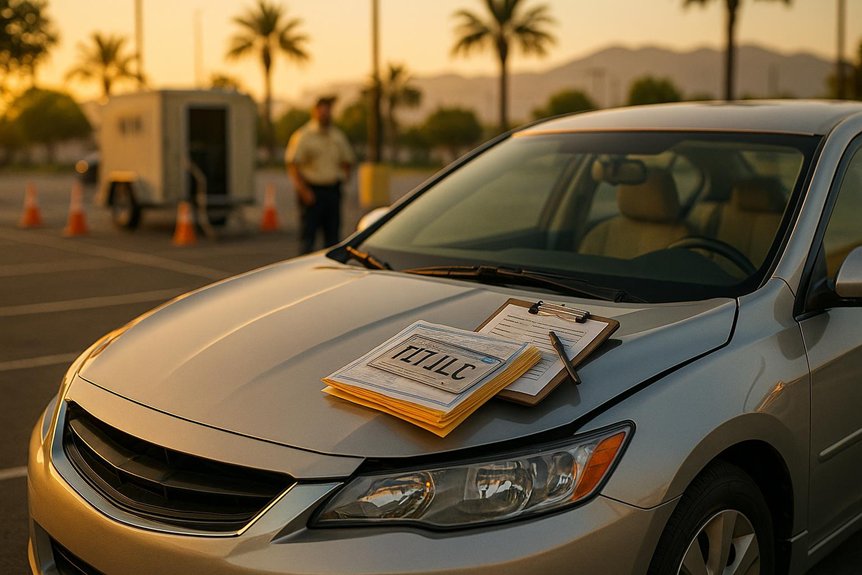
Once you know you need VIN verification, gather the right paperwork so the inspection goes fast and clean. Bring your current title or out‑of‑state registration, a bill of sale or purchase agreement, your driver’s license or ID, proof of insurance (if available), and any lien release.
If it’s a salvage or kit vehicle, include receipts and the dismantler’s paperwork. Match the VIN on the dash, door, and engine to your documents.
Clean the VIN plates, confirm they’re readable, and remove plate frames that block numbers. Have the vehicle accessible, keys ready, and the hood open. Arrive early, stay patient, and you’re set. During the inspection, the verifier will document everything on the REG31 form, recording your vehicle’s year, make, model, VIN location, number of wheels and axles, fuel type, and odometer reading from top to bottom.
Where to Go: DMV, CHP, or Licensed Verifier
Three main options can verify your VIN in California: the DMV, the California Highway Patrol (CHP), or a licensed mobile verifier. Choose based on your situation and comfort.
Pick the DMV if you’re already visiting for registration. It’s convenient, but appointments fill fast.
Select CHP if your vehicle has unique issues—out-of-state salvage, unclear numbers, or special constructions. Officers handle complex cases with authority.
Go with a licensed mobile verifier when you want speed and flexibility. They meet you at home or work and charge a fee.
Whichever route you take, you’re not alone. Pick the path that fits your schedule, vehicle type, and peace of mind.
Common Pitfalls and How to Avoid Delays
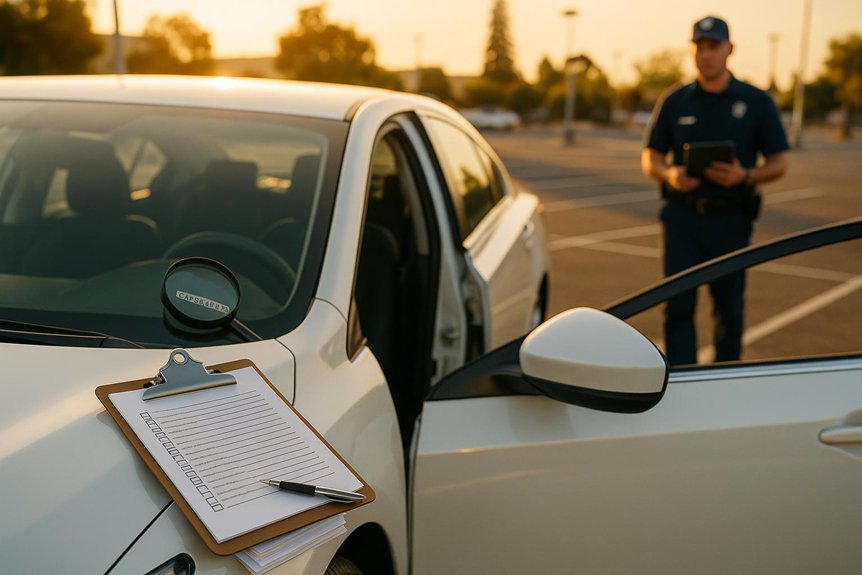
Many avoidable mistakes can stall a VIN verification, but a little prep keeps you moving. Bring your title, out-of-state registration, bill of sale, and valid ID. Make sure the VIN on the dash, door jamb, and engine matches your paperwork exactly—no typos, no transposed digits.
Clean the VIN plates so they’re readable. Don’t show up with a salvage or off-road vehicle unprepared; bring supporting documents like brake/light certificates or weight slips if required. Arrive with the vehicle accessible, fueled, and safe to inspect.
Book appointments early, confirm the location accepts your vehicle type, and keep copies. You’ve got this—we’re with you.
Frequently Asked Questions
How Much Does VIN Verification Cost in California?
It typically costs $0–$50. CHP and DMV verifications are usually free; licensed mobile verifiers charge about $25–$80 depending on travel and urgency. Ask upfront about mileage fees. You’ve got options—choose what fits your budget and timeline.
How Long Does VIN Verification Usually Take?
It usually takes 10–20 minutes. You’ll schedule, meet the verifier, and they’ll confirm the VIN, vehicle details, and paperwork. Plan extra time for mobile visits or DMV lines. Bring ID, title, and any out-of-state documents.
Can I Get Mobile VIN Verification at My Location?
Yes, you can. In California, licensed mobile VIN verifiers and some law enforcement officers travel to you. Book ahead, confirm fees, required documents, and vehicle accessibility. You’ll feel supported, connected, and done faster at your own location.
Is VIN Verification Required for Salvage or Rebuilt Titles?
Yes, you typically need VIN verification for salvage and rebuilt titles. You’ll confirm the vehicle’s identity after repairs, prevent fraud, and align records. Schedule an inspection, bring ownership documents, and feel supported—this step protects you and your community.
What Happens if the VIN Plate Is Damaged or Missing?
If the VIN plate’s damaged or missing, you’ll need a law-enforcement or DMV inspection. They’ll verify identifiers, check for theft, and issue a replacement VIN or assigned number. Bring ownership proof, photos, and receipts to stay compliant.