
Do I Need VIN Verification? Interactive Checklist for California
October 18, 2025
Why Can’t I Just Send Photos? Understanding Physical Inspection Requirements
October 18, 2025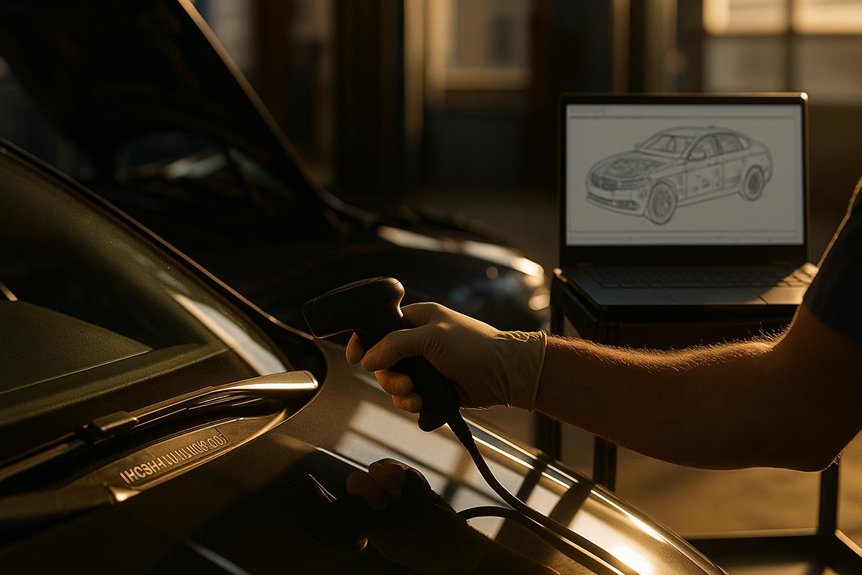
A VIN decoder quickly tells you what a vehicle is: year, make, model, body style, engine, transmission, trim, and factory options, plus where it was built. VIN verification confirms the real-world car matches its paperwork by inspecting the physical VINs on the dash, door jamb, engine, and frame, checking for tampering, and completing forms for titling or registration. Use decoding for quick facts and parts; use verification for legal confidence. Stick around to learn how to do both right.
What a VIN Decoder Reveals About a Vehicle
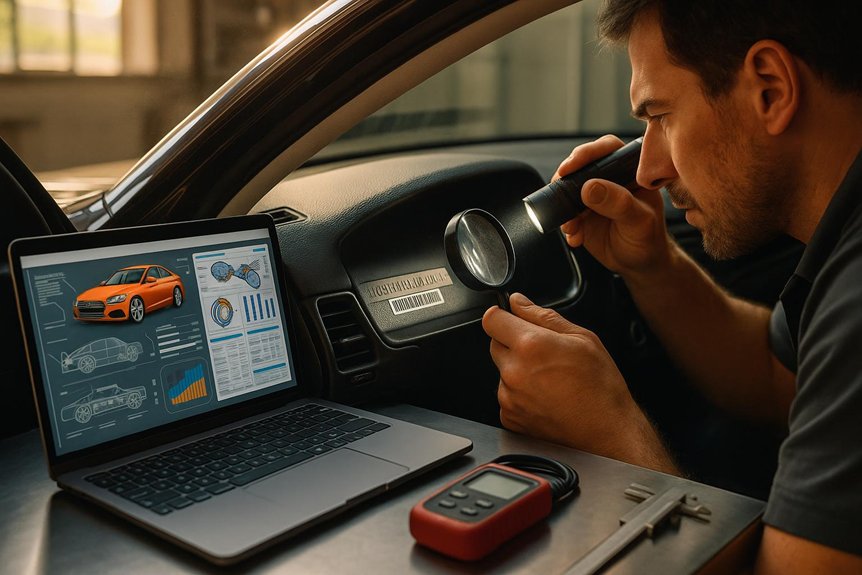
Kick things off by running a VIN through a decoder, and you’ll uncover a vehicle’s DNA: make, model, year, body style, engine type, transmission, drive type, assembly plant, and market region. You’ll also see trim level, restraint systems, fuel type, and factory options.
With that snapshot, you can spot alignment with your crew’s preferences—towing packages, performance variants, efficiency choices, and interior configurations. You’ll quickly confirm parts compatibility and service specs, helping you maintain standards your community trusts.
A decoder organizes the facts so you can compare vehicles confidently, filter out mismatches, and choose builds that fit your lane—and your people. This streamlined process relies on a comprehensive VIN database that ensures accurate and up-to-date vehicle information.
What VIN Verification Confirms in the Real World
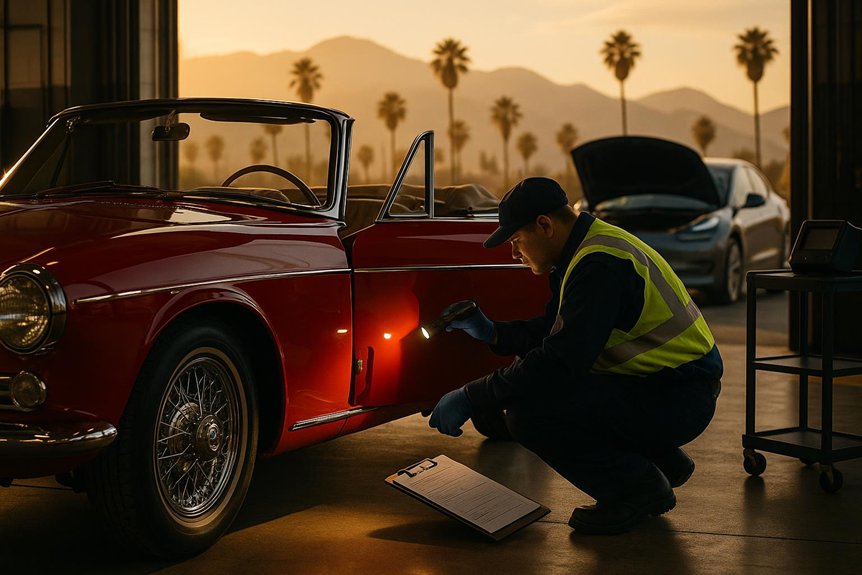
While a decoder tells you what a car should be, VIN verification confirms what it is: that the VIN on the dashboard, door jamb, engine, and frame matches the paperwork, hasn’t been altered, and ties to a real, legal identity. You’re checking metal, stickers, stamps, and rivets for tampering.
You confirm plate fonts, character spacing, and placement. You inspect etchings and welds. You capture photos, signatures, and dates. You validate the VIN’s length and format, then compare titles, bills of sale, and emission or import records. In short, you prove the car in front of you belongs, legitimately, to your story.
The inspection is documented on the REG31 form, which systematically records vehicle year, make, model, VIN location, number of wheels and axles, fuel type, Federal Certification Label status, and odometer reading.
When to Use a Decoder vs. When You Need Verification
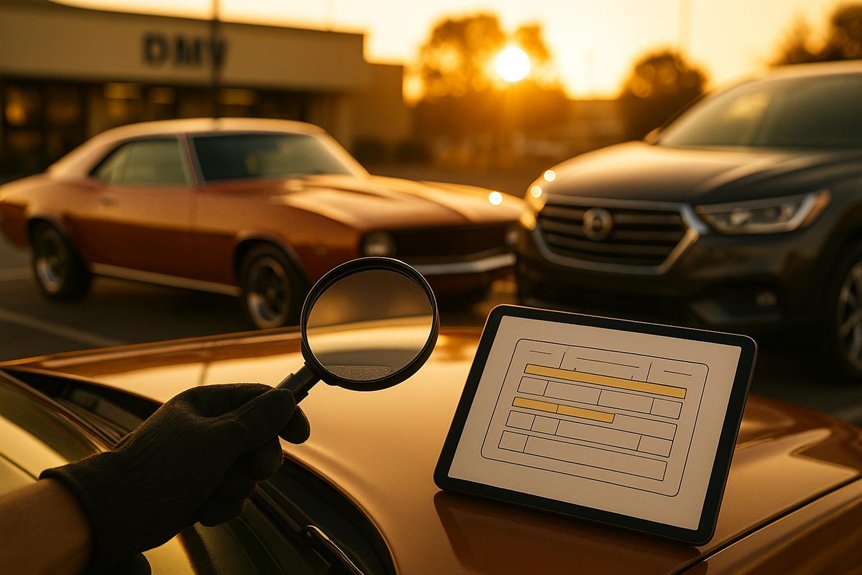
Before you chase paperwork or book a trailer, decide what question you’re answering. Use a VIN decoder when you want quick facts: year, make, model, engine type, plant, trim, and compatible parts. It’s perfect for browsing listings, comparing builds, planning mods, or confirming a seller’s basic claims.
You need VIN verification when stakes are legal or official: titling, registration, out-of-state transfers, salvage rebuilds, stolen checks, or mismatched plates. Verification confirms the physical VIN on the vehicle matches records and hasn’t been altered. For out-of-state vehicle registration in California, verification is completed on the REG31/VIN verifier form, which records key details such as vehicle year, make, model, and VIN.
Decode for insight; verify for authority. Use both to protect your project, your wallet, and your spot in the community.
Step-by-Step: How to Decode and Verify a VIN
Now put that into action with a simple plan you can follow. Start by finding the 17-character VIN on the dashboard or door jamb. Photograph it clearly. Enter it into a reputable VIN decoder. Note the WMI (country/make), VDS (body/engine), and VIS (model year/plant/sequence). Confirm the check digit validates.
Next, verify. Match decoded details to the vehicle’s labels, emissions sticker, airbags count, and trim. Compare dash, door, and engine block VINs; they should agree. Cross-check with the title and service records. Run a state or manufacturer lookup to confirm status. Save screenshots and photos. If anything doesn’t align, pause and seek help.
Common Red Flags and How to Avoid Costly Mistakes
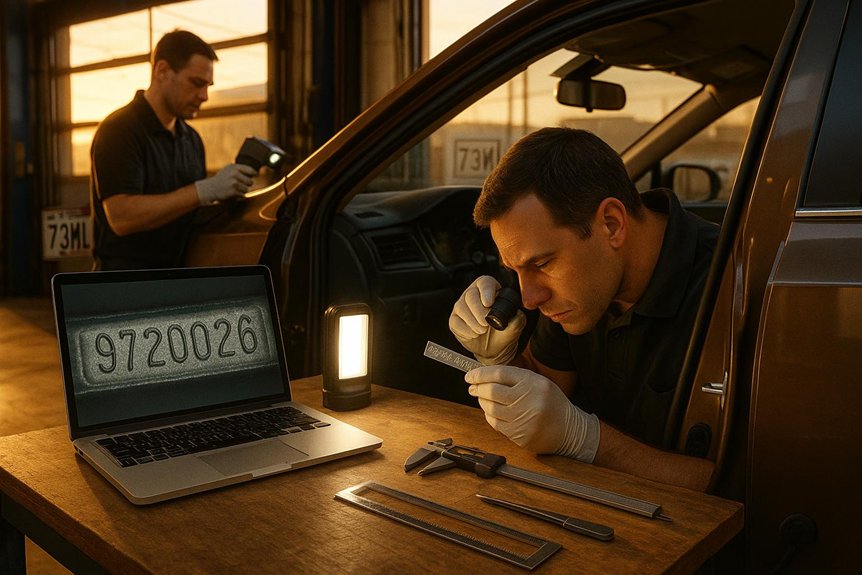
Even a clean-looking VIN report can hide warning signs, so you need to spot red flags fast to avoid expensive surprises. Check for mismatched digits between the VIN plate, door jamb, windshield, and title. Walk away if characters are scratched, restamped, or misaligned.
Flag branded titles (salvage, rebuilt, flood), inconsistent odometer readings, and multiple ownership transfers in short periods.
Verify recalls and service gaps. Cross-check trim, engine, and options against photos. Confirm model year matches the 10th VIN character. Inspect for airbag, frame, or theft records. Use a trusted decoder, run a verification, and have an independent mechanic validate everything before you commit.
Frequently Asked Questions
Do VIN Checks Affect Insurance Rates or Eligibility?
Yes, VIN checks can influence insurance rates and eligibility. Insurers use your vehicle’s history to assess risk. If reports show theft, salvage, or major accidents, you’ll likely face higher premiums or coverage limits. Keep records updated.
Can a VIN Be Legally Changed or Corrected?
Yes, but only in specific, lawful cases. You can correct clerical errors or replace VIN plates after approved repairs, following strict state procedures. Don’t alter numbers yourself—work with your DMV and certified inspectors to stay compliant together.
How Do Privacy Laws Protect VIN Data Access?
Privacy laws restrict who can access VIN-linked personal data, require consent, and mandate secure handling. You benefit from limited disclosure, purpose limitations, opt-out rights, and audit trails, so your identity stays protected while necessary vehicle history remains accessible.
Are There Regional Differences in VIN Standards?
Yes. You’ll see regional differences: North America mandates 17-character VINs and specific WMI/format rules; Europe follows UNECE regs; China, Japan, and others add local codes and compliance markers. You belong here decoding nuances together—ask about your region.
What Tools Integrate VIN Data Into Dealership CRMS?
You can integrate VIN data using CDK Drive, Reynolds & Reynolds, DealerSocket, VinSolutions, Tekion, Auto/Mate, Selly, and HubSpot with VIN plugins. Use data providers like Experian AutoCheck, CARFAX, DataOne, and ChromeData for decoding.