VIN Verification Vs VIN Decoder: Two Different Things
October 18, 2025
VIN Verification Vs Title Transfer: Timing and Process Explained
October 18, 2025
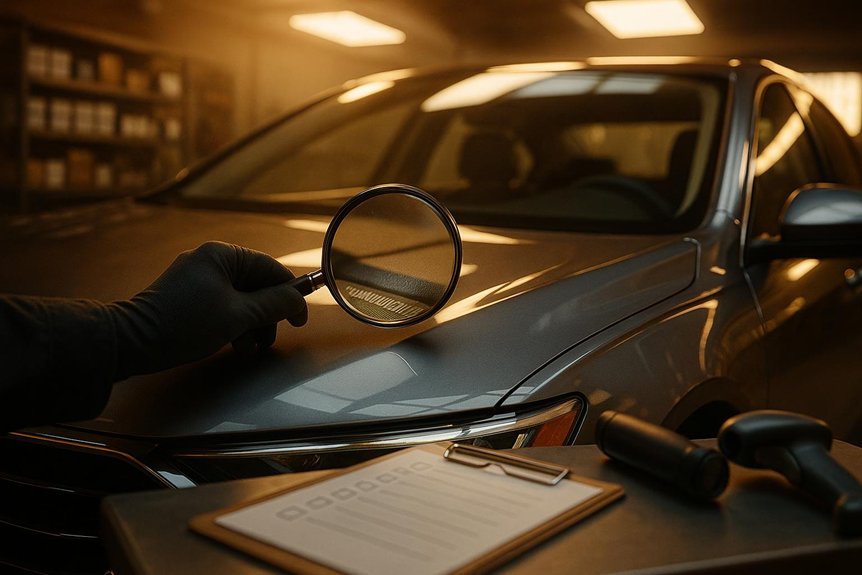
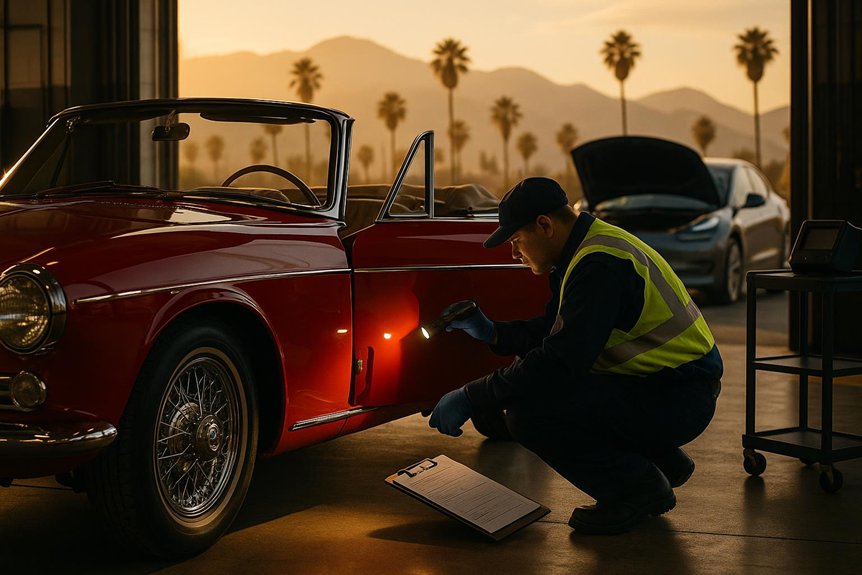
You can’t just send photos because they miss what your senses and tools catch in person. You won’t confirm VINs, detect odors of overheating, feel gritty hinges, hear grinding bearings, or spot hidden corrosion and hairline fractures. Photos also can’t prove dynamic performance, calibrations, or chain-of-custody. Regulators, insurers, and lenders require on-site verification to guarantee safety, integrity, and accountability. Use photos to document visible conditions, but pair them with standardized, in-person checks to reduce disputes and protect yourself—here’s how.
What Physical Inspections Uncover That Photos Miss
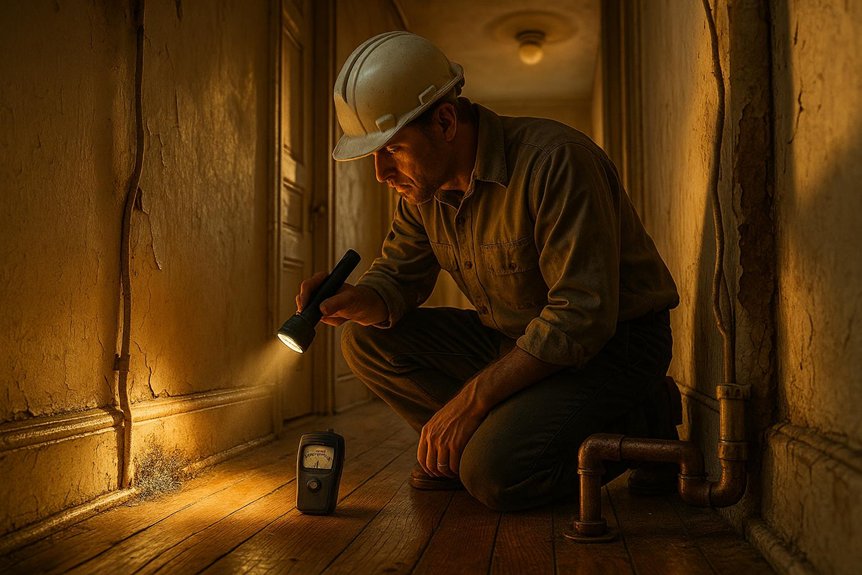
Even with sharp photos and detailed listings, a physical inspection reveals problems you can’t see on a screen. You step closer, listen, touch, and notice how parts fit, move, and age together. You feel whether surfaces wobble, fasteners sit flush, and doors seal right. You catch subtle odors, temperature shifts, and vibrations that signal mismatched care.
You also verify scale, materials, and workmanship, not just appearances. You test functions in real time, confirm accessories, and check documentation matches what’s present. This hands-on verification ensures that the vehicle identification number on the vehicle physically matches what’s recorded on the title, preventing theft and fraud in ways photos simply cannot. You meet the people who maintained it, hear context, and build trust. You leave knowing you belong with the right choice.
Common Failure Modes Hidden by Images Alone
Many defects hide in plain sight because still images freeze the best angle and mute behavior. You can’t hear grinding bearings, feel gritty play in a hinge, or sense heat creeping from a stressed board.
Photos won’t reveal intermittent faults, drifting calibrations, or hairline fractures that open only under load. You’ll miss misaligned rails that bind at travel limits, loose fasteners that back out with vibration, and seal leaks that appear only under pressure.
Surface glare hides pitting; perfect lighting masks corrosion creep. Even smells—ozone, coolant, burnt resin—signal trouble. When we check together, you gain certainty, not just a snapshot.
Our experienced team of automotive experts performs thorough physical inspections that capture the dynamic conditions and hidden defects photos simply cannot document.
When Photos Are Sufficient—and How to Use Them Well
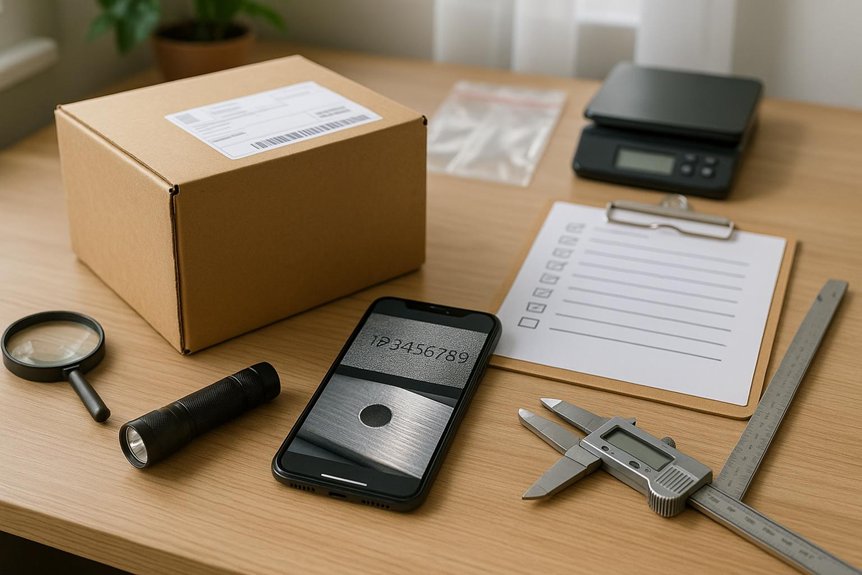
Images can’t catch every flaw, but they’re still powerful when you know what they can answer. Use photos when you need verification of visible conditions: surface damage, labeling, seals, alignment, cleanliness, and packaging. Shoot in daylight or consistent white light. Hold steady, fill the frame, and keep a neutral background.
Capture context first, then close-ups. Include scale: a ruler, coin, or known component. Photograph from multiple angles and distances. Add a short note for each image: location, date, and what you’re showing. Avoid filters. Don’t compress files excessively. Name files clearly and keep versions organized. Share promptly so everyone stays aligned.
However, for VIN verification and vehicle registration, photos alone cannot replace physical inspection requirements that confirm the vehicle identification number matches official documentation and validates the vehicle’s existence beyond paperwork.
Regulatory and Liability Drivers Behind In-Person Checks
While photos streamline routine checks, regulations and liability often demand eyes on-site. You face statutes, permits, and codes that specify physical verification—especially for safety, structural integrity, and environmental risk. Agencies expect calibrated tools, chain-of-custody, and documented presence. Insurers and lenders do, too. If something fails later, adjusters, auditors, and courts ask who looked, measured, and confirmed.
You protect yourself and your team by showing you were there, followed standards, and caught hazards a camera might miss—smells, sounds, heat, alignment, access issues. In-person checks also prove impartiality, reduce disputes, and anchor accountability. You’re not overdoing it—you’re honoring shared trust.
Building an Efficient Inspection Workflow Without Cutting Corners
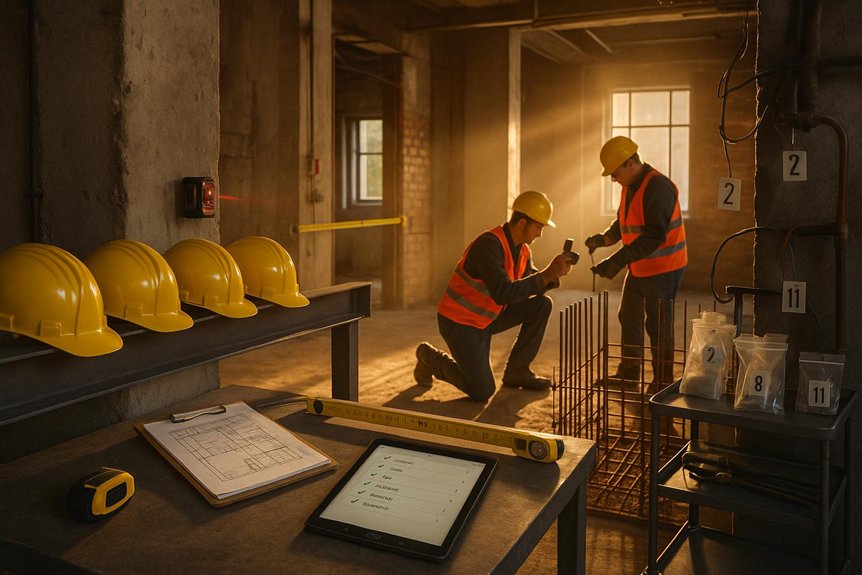
Start by standardizing the path from request to report so nothing slips: define triggers, assign roles, and lock in checklists tied to codes and permits. You’ll create shared confidence when everyone knows who schedules, who inspects, and who signs off.
Use a single calendar, route urgent items automatically, and timestamp every handoff. Equip inspectors with calibrated tools, clear photo standards, and offline forms for field work. Capture deviations on-site, note corrective actions, and set recheck windows.
Close the loop with a brief huddle: lessons learned, updates to templates, and recognition. That’s how your team moves fast without cutting corners.
Frequently Asked Questions
How Do Inspection Costs Compare to Potential Savings From Avoided Failures?
They’re usually tiny compared to failures. You invest hundreds or thousands; you avoid tens or hundreds of thousands. You gain uptime, safety, and trust. You budget predictably, share risk smartly, and keep everyone together, proud of preventing pain.
What Qualifications Should I Look for in a Physical Inspector?
Look for certifications (API, AWS, ASNT), relevant trade licenses, calibrated tools, documented procedures, and insurance. Prioritize experience with your equipment, clear reporting, integrity, and safety culture. Ask for references, sample reports, and proof of continuing education—you’re building trusted partnership.
How Often Should Routine Inspections Be Scheduled for My Assets?
Schedule routine inspections quarterly for critical assets, semiannually for standard equipment, and annually for low-risk items. You’ll catch wear early, protect uptime, and show your team you care. Adjust cadence after failures, environment changes, or regulatory updates.
Can Third-Party Inspection Results Be Integrated Into My Systems?
Yes, you can integrate third-party inspection results. Connect their APIs or upload standardized reports (JSON, CSV, PDF) into your platform. Automate validation, map fields to your data model, trigger workflows, and maintain audit trails so everyone stays aligned.
How Do I Prepare a Site to Minimize Inspection Downtime?
You minimize inspection downtime by staging access, clearing obstructions, marking hazards, and pre-loading documentation. Coordinate escorts, lockout/tagout, permits, and PPE. Test power, lighting, and connectivity. Pre-stage spares, ladders, and calibration points. Communicate timelines so everyone feels included and ready.