
Why Can’t I Just Send Photos? Understanding Physical Inspection Requirements
October 18, 2025
The $50 VIN Verification That Saves $500 in DMV Penalties
October 18, 2025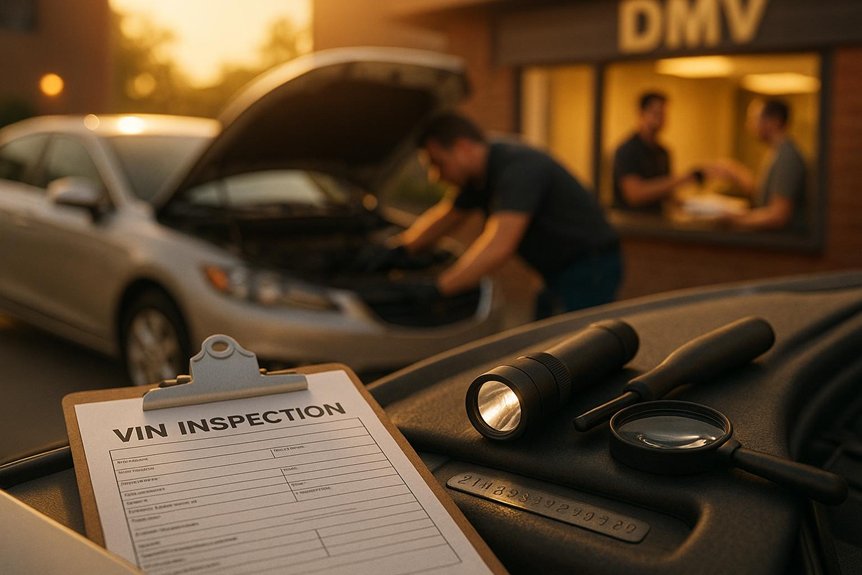
VIN verification confirms the car’s identity and checks for tampering by matching the physical VIN to records—often required for out‑of‑state, salvage/rebuilt, gray‑market, or corrected titles. Title transfer legally moves ownership when you submit a signed title, odometer disclosure, bill of sale, lien release, ID, and fees. Dealers usually file for you; private buyers must file on time. Some states require VIN checks before registration. Bring the vehicle and ID to authorized verifiers. Learn timing, forms, and pitfalls next.
What VIN Verification Confirms and When It’s Required
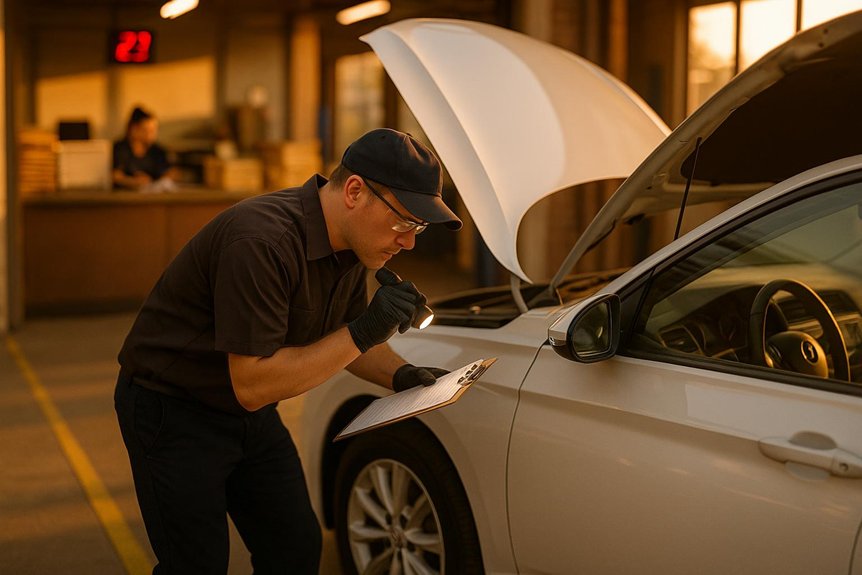
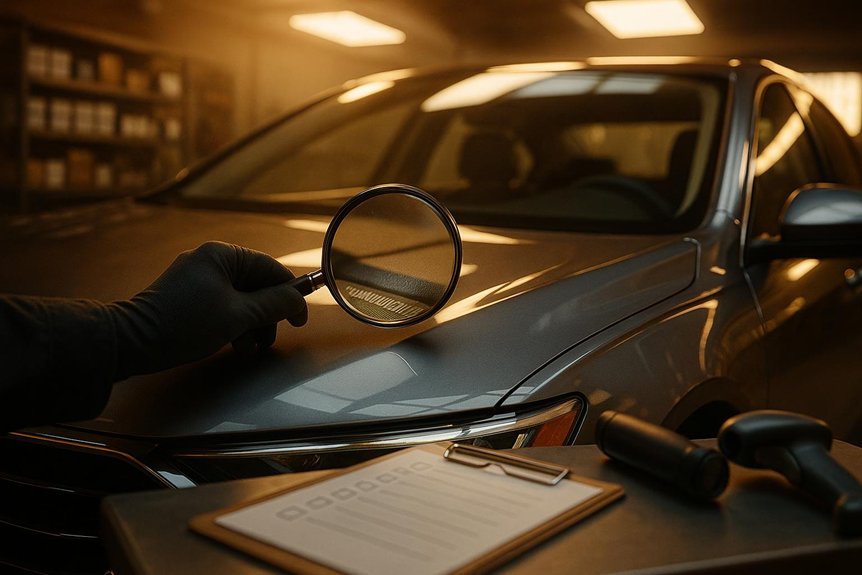
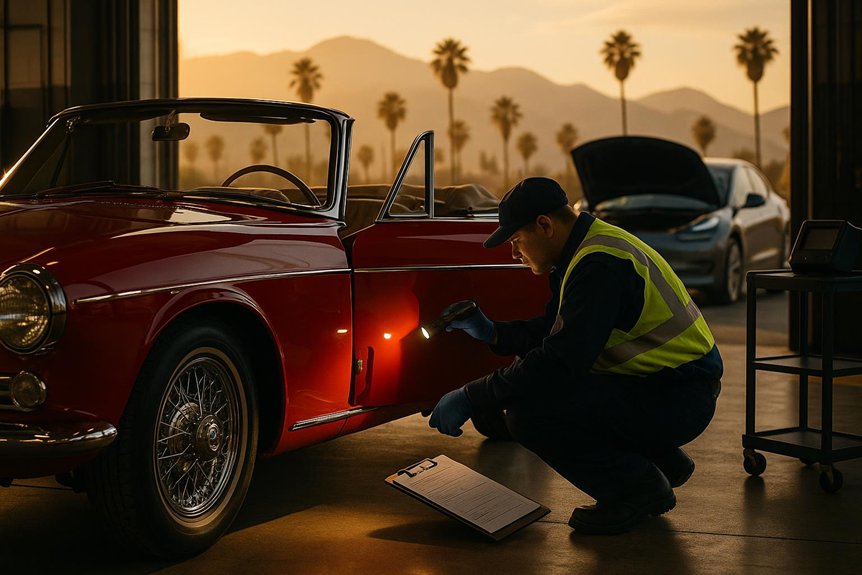
Start with the basics: a VIN verification confirms that a vehicle’s identification number matches its physical markings and official records, and that key details—like make, model, year, body type, and sometimes emissions or safety labels—are accurate. You’ll show the VIN plate, stickers, and odometer, while an authorized verifier checks for tampering, legibility, and consistency across locations.
You typically need a verification when bringing a vehicle from out of state, reviving a salvage or non-op title, correcting errors, or when the VIN’s unreadable or missing in the database. Some states require it for older vehicles or gray-market imports. Plan ahead to avoid delays.
Beyond confirming the VIN matches the title, the verification process also identifies discrepancies in VIN records across multiple databases to prevent theft and fraud.
How Title Transfer Works for Private Sales and Dealer Purchases
Whether you’re buying from a private seller or a dealer, a title transfer legally moves ownership to you by updating the state’s motor vehicle records and issuing a new title in your name.
In a private sale, you collect the signed title, verify the VIN matches, complete an odometer disclosure, bill of sale, and any lien release, then submit forms, ID, and taxes/fees to the DMV. You’re responsible for filing on time.
At a dealership, the finance office handles most paperwork. You review and sign title, odometer, and tax documents. The dealer files with the state, pays fees from your deal, and you receive registration and title.
For out-of-state vehicles brought into California, you’ll also need a physical VIN inspection documented on the REG31 form to ensure the vehicle identification number matches the title before registration can be completed.
State-by-State Timing Differences and Special Cases
Now that you know how a title transfer works in private sales and at dealerships, timing and edge cases depend on your state. You’ll see big differences: some states require VIN verification before you register, others only when bringing a vehicle from out of state. Military members often get extensions.
Emissions or safety-inspection states can hold up registration until testing clears. Lien releases can delay titles in states that mail originals later. Salvage or rebuilt vehicles face extra verification windows. Temporary tags vary widely—some last days, others months.
If you move, your clock resets. California requires physical inspection documented on a REG31 form to confirm the VIN matches the title and prevent theft or fraud. Check your state timelines so you’re aligned.
Documents, Forms, and Who Can Perform Each Step
Clarity comes from knowing exactly which papers go where and who’s allowed to handle them. For VIN verification, bring your government ID, proof of ownership (title or bill of sale), and the vehicle. Authorized verifiers include DMV staff, licensed VIN inspectors, law enforcement, and some smog or DMV partner offices. They complete the VIN verification form and sign it.
For title transfer, you’ll submit the signed title, odometer disclosure (when required), a title application, proof of identity, and insurance. You can handle this at the DMV, a licensed tag and title agency, or online where offered. Sellers and buyers sign where indicated; notarization may be required.
Common Mistakes That Delay Registration and How to Avoid Them
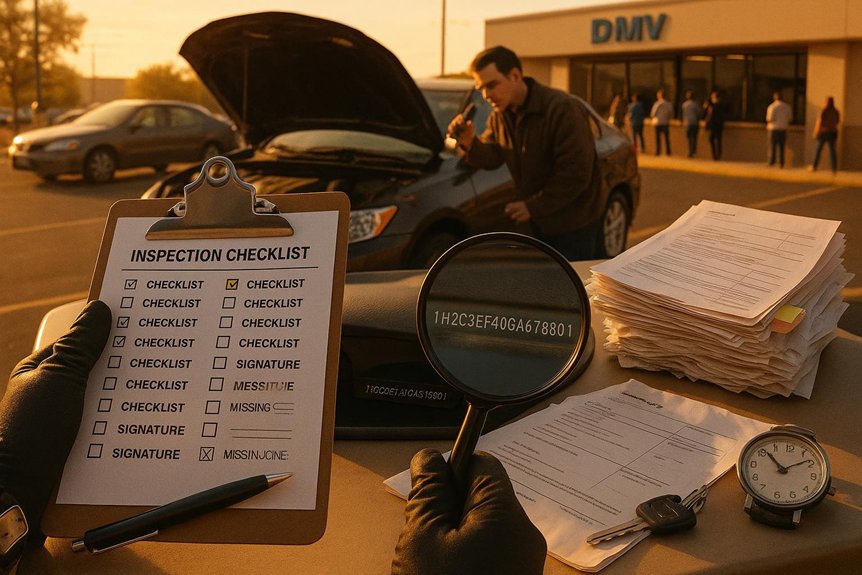
With the right forms and signatures in hand, the next stumbling block is often small errors that trigger big delays. You’re not alone if you’ve mistyped a VIN, missed a seller’s signature, or used white-out—DMVs reject those. Don’t submit photos; bring originals or certified copies.
Confirm the odometer box and purchase date match your bill of sale. Make sure the address on your ID matches your application. Pay the exact fees; underpaying pauses processing.
Schedule VIN verification before the title transfer if your state requires it. Finally, check deadlines—late smog checks or insurance proof can stall your spot in line.
Frequently Asked Questions
How Do Military Deployments Affect VIN Verification or Title Transfer Deadlines?
Deployments typically pause or extend deadlines. You often qualify for military exemptions, letting you submit later or remotely. Check your state’s military provisions, request extensions before leaving, and keep orders handy. You’ve got support—reach out to your DMV or base legal office.
Can I Complete VIN Verification or Title Transfer Entirely Online?
Yes—sometimes. You can usually transfer a title online; VIN verification’s often in-person unless your state accepts virtual or electronic inspections. Check your DMV’s portal, gather required docs, and lean on community forums or base support if you’re unsure.
What Happens if the Vehicle Has an Out-Of-Country VIN Format?
You’ll face manual verification. DMV or authorized inspectors will physically inspect the vehicle, decode the foreign VIN, and confirm compliance. Bring import documents, customs release, proof of ownership, and emissions/safety certifications. Expect extra forms, fees, and processing time.
Are There Insurance Implications if Verification or Transfer Is Delayed?
Yes. Delays can leave you uninsured, limit coverage, or trigger claim denials and penalties. You risk lapse notices, higher premiums, and financing issues. Act fast: notify your insurer, document timelines, request temporary coverage, and sync verification, title, and policy updates.
How Do Liens or Loan Payoffs Interact With VIN Verification Timing?
Liens and loan payoffs don’t stop VIN verification, but timing matters. You’ll verify the VIN first, then the lender releases the title after payoff. Coordinate early, confirm payoff amounts, and schedule verification so everyone stays aligned and supported.