VIN Verification Vs Title Transfer: Timing and Process Explained
October 18, 2025
Tesla VIN Verification: Direct-to-Consumer Sales and California Registration
October 18, 2025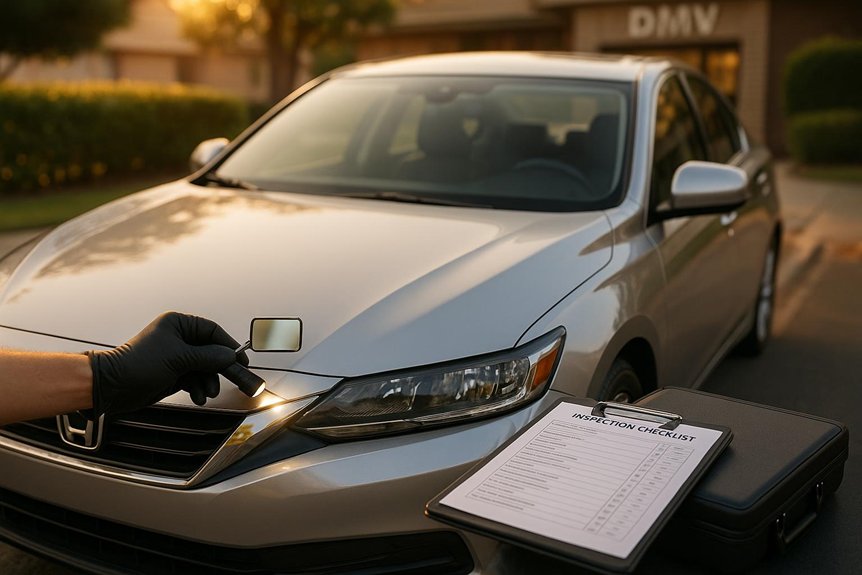
A quick $50 VIN verification confirms your car’s identity matches official records, catching issues with characters, stamps, placement, emissions, trim, axles, and odometer. You need it for out‑of‑state transfers, salvage/rebuilt titles, revivals, and mismatched paperwork. States are cracking down with tighter rules, instant database flags, and bigger penalties. Get checked at law enforcement events, mobile verifiers, patrol stations, or dealers. That $50 can prevent $500+ in rechecks, rush titles, late fees, and lost time—here’s how to make it painless and cheap.
What a VIN Verification Actually Confirms
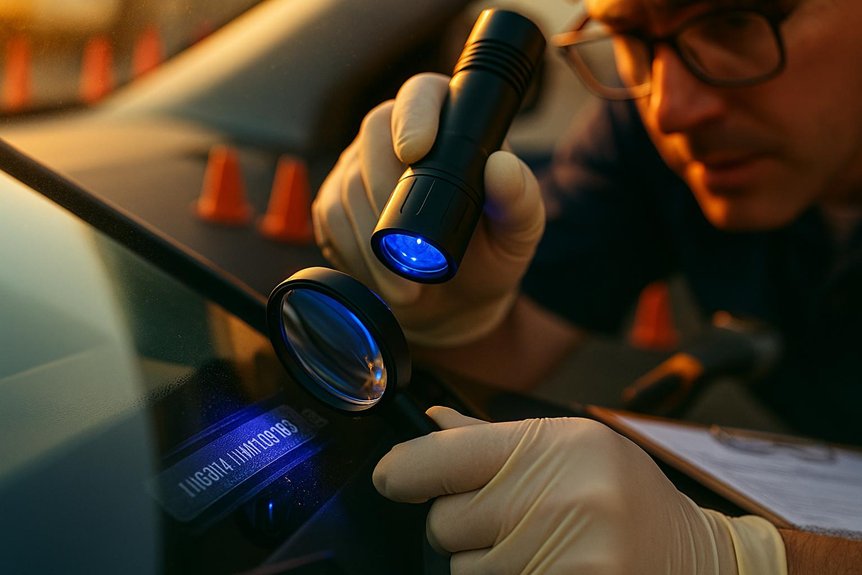
A VIN verification confirms key identifiers on a vehicle match official records: the VIN plate, secondary VIN locations (when applicable), make, model, year, body type, fuel type, and sometimes gross weight. You’re proving the car you’re registering is exactly what the paperwork says it is.
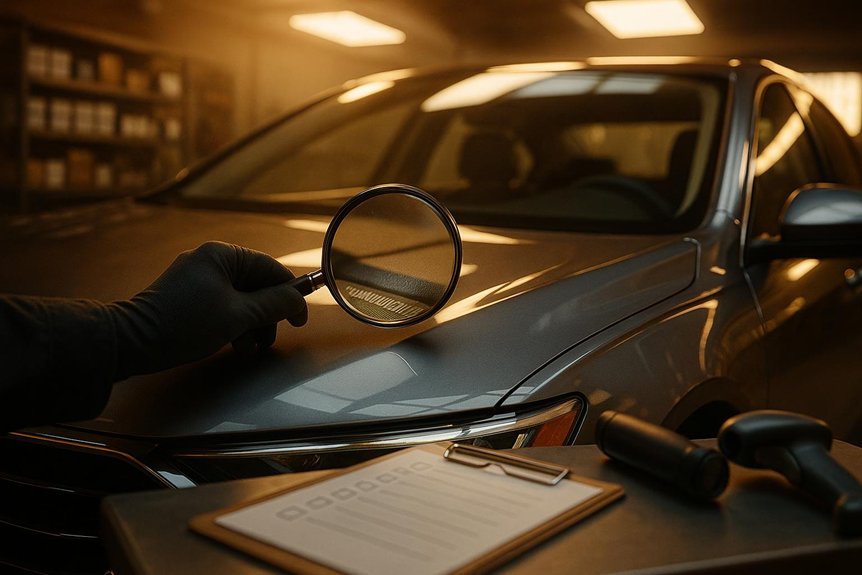
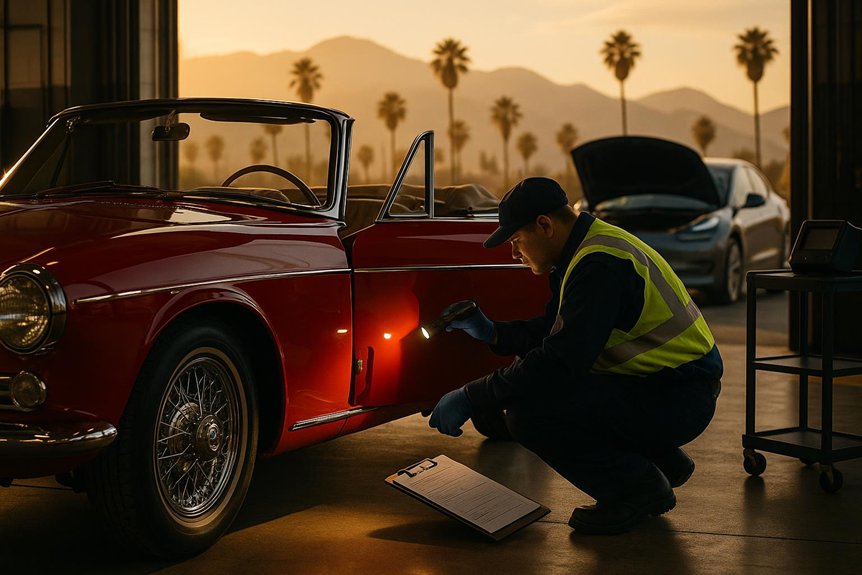
Inspectors check the VIN’s characters, stamping style, and placement, then compare them to databases. They also note emissions designation, trim or series, axle count for trucks, and odometer reading if required by the form. You get a signed verification that ties your vehicle to its lawful identity, so your registration aligns with the community’s standards. This inspection prevents theft and fraud by acting as a gatekeeper that ensures vehicles entering California’s database are legitimate and properly documented.
When You’re Required to Get Verified by the DMV
Knowing what a VIN verification confirms sets you up to spot when the DMV actually requires it. You’ll need one when you’re bringing a vehicle in from out of state, registering a salvage or rebuilt title, reviving a car that’s been off the road, correcting mismatched paperwork, or fixing a damaged or missing VIN plate. You’ll also need it when a lien release or engine swap changes the identifiers on file. Verification is also mandatory for commercial trucks operating under the International Registration Program.
If you just bought used from a private seller and the title looks off, get verified. You’re not alone—smart owners double-check early and avoid late fees, holds, and repeat office visits.
State Crackdowns: Why Enforcement Is Tighter Now
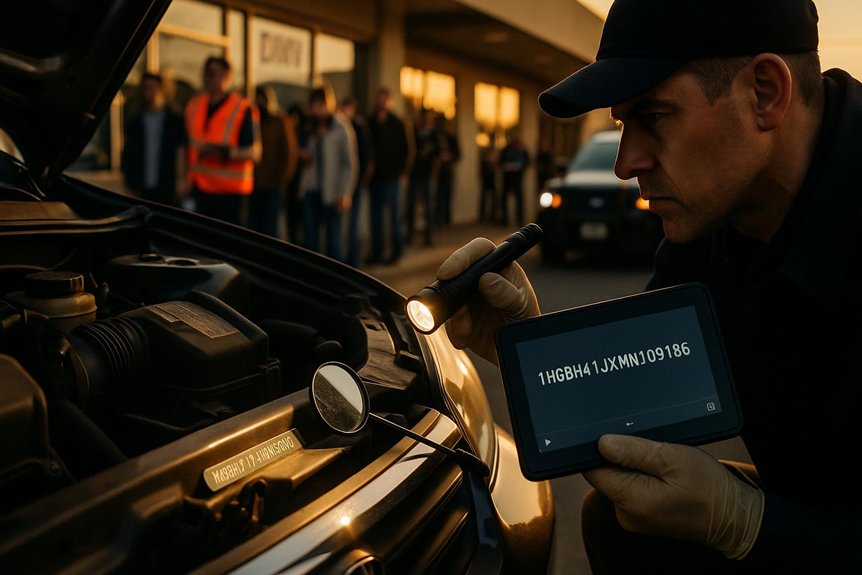
As fraud schemes grow more sophisticated and stolen-vehicle rings cross state lines, DMVs are tightening VIN verification rules and backing them with stiffer penalties. You’re seeing more audits, automated cross-checks with national databases, and instant flags for mismatched titles, salvage histories, or odometer anomalies. States now share data faster, so a lapse in one place triggers consequences in another.
You belong in the group that stays ahead of the curve. Tight rules protect your resale value, your insurance standing, and your registration status. Skipping verification invites fines, impounds, and delays. The verification process identifies discrepancies in VIN records across databases and acts as a protective measure against illegal activities. Do the simple step early and keep your ride—and record—clean.
Where to Get a Fast, Legit VIN Check (and What It Costs)
Before you head to the DMV, know your fastest legit options: law enforcement VIN verification events (often free or low-cost), licensed mobile VIN verifiers who come to you ($40–$120), certified inspection stations like CHP or state patrol (usually appointment-based, $0–$60), and authorized dealers for same-make vehicles (sometimes complimentary).
Choose what fits your timeline and comfort. Mobile verifiers are quickest when you’re busy. Events work well if you like community settings and short lines. CHP or state patrol adds official weight, but book early. Dealers help when your car’s under their umbrella. Bring ID, title or bill of sale, and the car.
The $50 vs. $500 Math: Real-World Scenarios and Savings
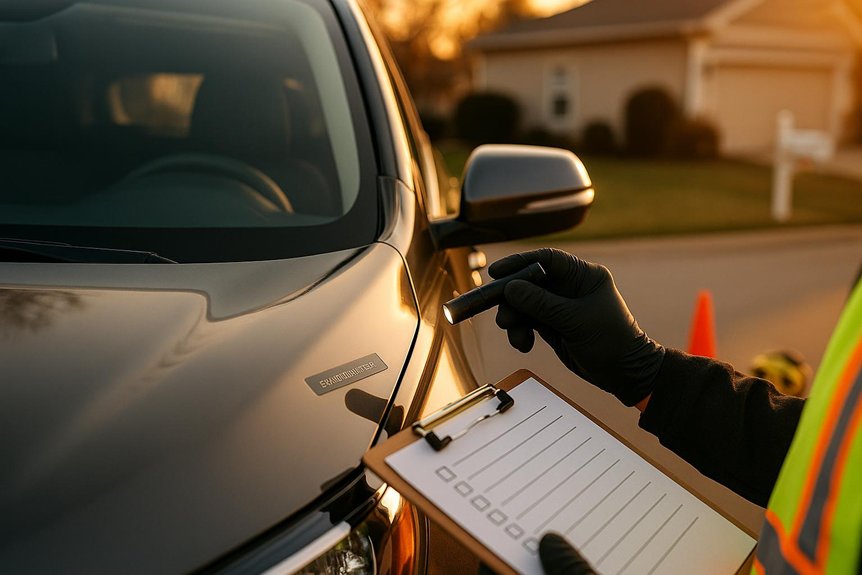
Skip the guesswork and run the numbers: spending $50–$120 on a legit VIN verification today can save you $200–$500+ in late fees, “title-only” penalties, and repeat-trip costs when DMV clocks run out.
Here’s how it adds up. Miss a VIN check, and you risk:
- A $23–$35 reinspection plus another appointment.
- A $30–$60 rush title or duplicate form.
- A $150–$250 late transfer penalty.
- A $100–$200 planned non-op fix or storage workaround.
- Lost work time and second-trip fuel.
Pay the $50 once, avoid the spiral. You stay on schedule, keep your plate clean, and move with a community that plans ahead.
Frequently Asked Questions
Can I Complete VIN Verification if the Vehicle Won’T Start?
Yes, you can. VIN verification checks identity, not drivability. You’ll need access to the VIN plate and safety basics: parking brake, open doors, lights if dark. Tow or trailer works. Call ahead; some verifiers won’t travel.
What Documents Should I Bring to a VIN Verification Appointment?
Bring your title or registration, your driver’s license or ID, proof of insurance, bill of sale if recently purchased, and import documents if applicable. Have the vehicle present, accessible VIN plates, and any prior VIN inspections.
How Do VIN Errors Get Corrected After a Failed Verification?
You correct VIN errors by scheduling a re-verification, bringing proof of ownership, repair or inspection receipts, and ID. Ask the verifier to complete corrected paperwork, then submit updates to DMV. Stay patient—you’re not alone; clerks handle this often.
Does Aftermarket Modification Affect VIN Verification Outcomes?
Yes, aftermarket mods can affect VIN verification if they obscure or alter VIN plates, emissions labels, or compliance stickers. You should keep labels visible, carry documentation, and notify inspectors. Together, you’ll guarantee everything matches and your ride passes smoothly.
Can Out-Of-State Vehicles Be Verified Remotely or by Mail?
Yes, most states require in‑person VIN verifications; you generally can’t do them remotely or by mail. You’ll schedule with DMV, law enforcement, or licensed verifiers. Bring the vehicle, title, ID, and any import or salvage documentation.