
European VIN Numbers: Shorter VINs and California Registration
October 18, 2025
VIN Verification Without Title: Bonded Title Process
October 18, 2025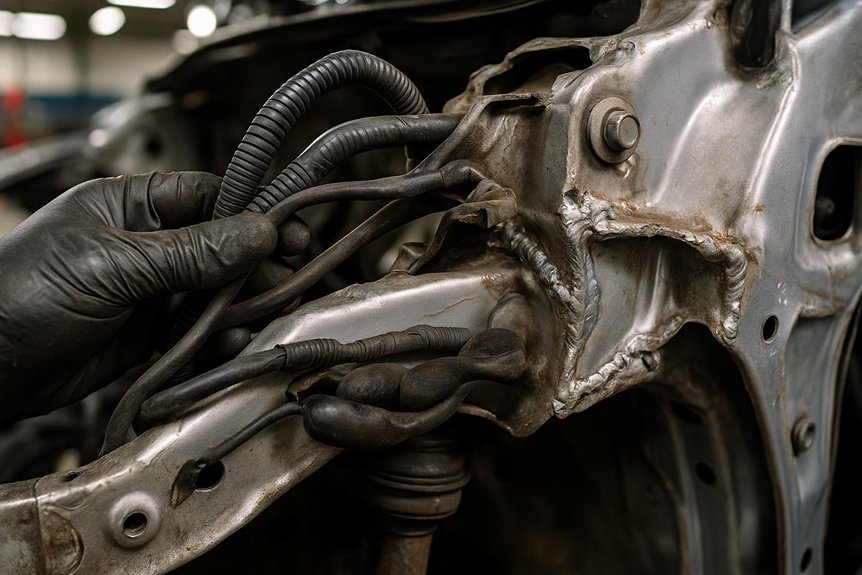
If a crash mangles the primary VIN, you’ve still got solid options. Check secondary locations: firewall stamp, strut tower embossing, frame rail etchings, radiator support, and door jamb labels. Cross‑verify with factory build sheets, heritage certificates, and dealer records. Match engine, transmission, and differential serials and casting numbers. Pull ECU/telematics: immobilizer pairings, key counts, mileage snapshots, and fault timestamps. Review title history, insurance files, and chain of custody for branding, jumps, and quick resales. There’s more you can uncover next.
Secondary VIN Locations and Hidden Identifiers
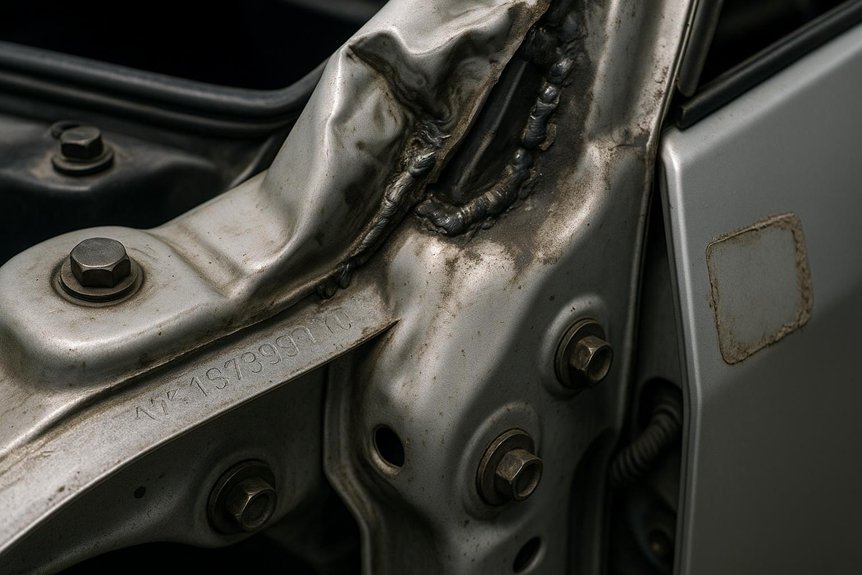
When a primary VIN plate is missing or damaged, you can turn to secondary VIN locations and hidden identifiers to confirm a vehicle’s identity. You’re not alone—teams rely on these backup marks every day.
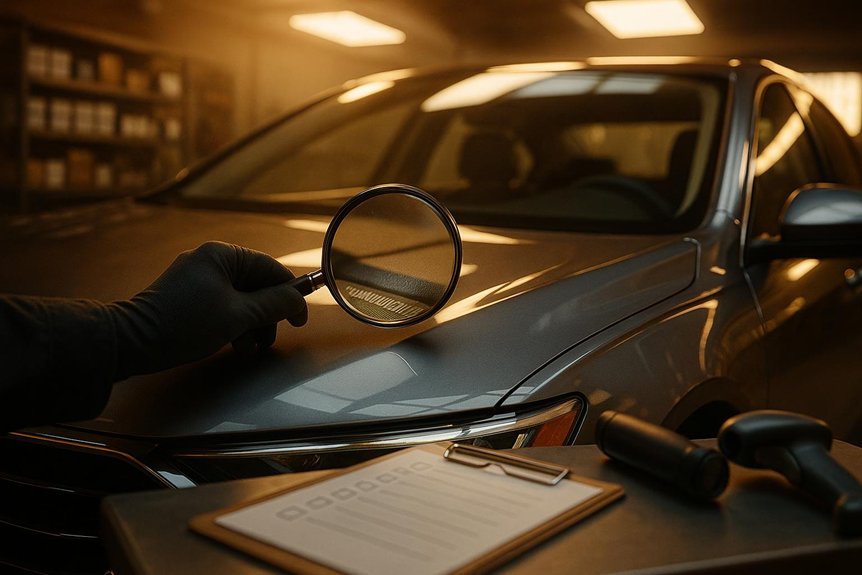
Check the firewall stamp, strut tower embossing, and frame rail etchings. Look near the radiator support, door jamb labels, trunk gutters, and under carpeted floor sections. Inspect airbags, seat frames, and steering columns for partial VINs. Scan etched glass and headlamp housings for codes that align with production ranges. Compare fastener styles and spot-weld patterns. Document each match with photos. Together, these clues anchor your inspection with confidence. Once all secondary identifiers are verified, a licensed verifier can complete the REG31 form confirming the inspection accuracy for DMV registration purposes.
Manufacturer Records and Build Data Sources
Although stamped metal tells part of the story, manufacturer records and build data tie the identity together with authoritative detail. You can request a build sheet, heritage certificate, or factory production record to verify configuration, colors, options, and original sale region. These sources confirm legitimacy when the primary VIN area’s compromised.
Use official archives, franchised dealer systems, and recognized marque registries. Cross-check production dates, plant codes, and option codes against your paperwork. Save copies, note query IDs, and keep a verification trail. When specs align with your car’s features and history, you’re not guessing—you’re part of a knowledgeable community safeguarding authenticity.
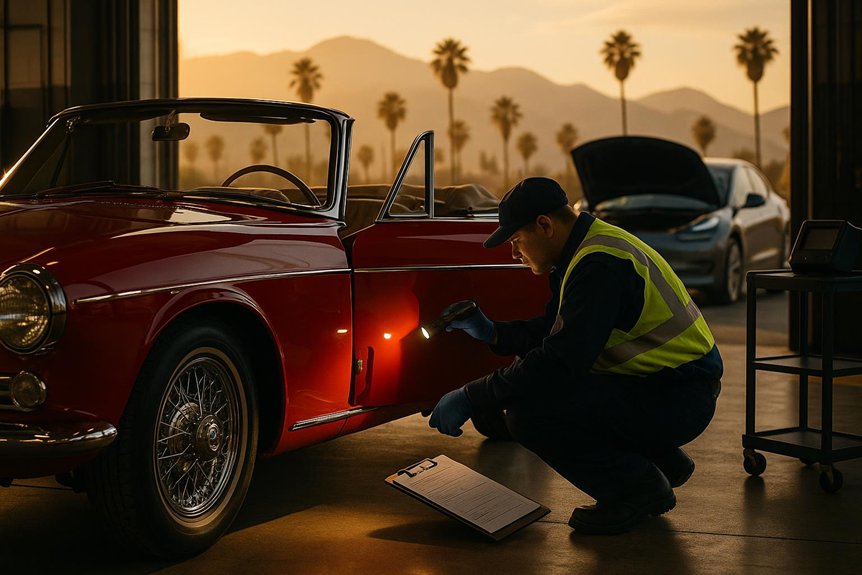
Once manufacturer documentation establishes your vehicle’s authentic identity, a physical inspection of the vehicle by a certified verifier ensures that all secondary identification points match the official records on file.
Component Serial Numbers and Drivetrain Matching
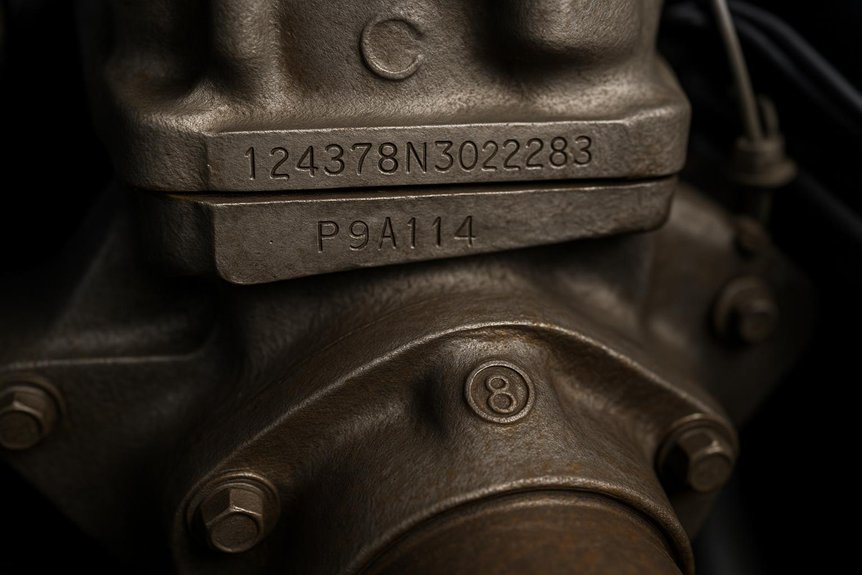
Even if the dash VIN is suspect, you can anchor identity by decoding serial numbers on the engine, transmission, differential, and key ancillaries. You’re not guessing—you’re confirming lineage. Track casting numbers, pad stamps, and factory tags. Cross-check dates and prefixes against trusted references.
Look for consistent build windows: engine to chassis, gearbox to axle, ancillaries to model year. Note re-stamps, mismatched fonts, disturbed fasteners, and grinder marks. Photograph everything, record locations, and capture surface finishes. When pieces agree, you’ve got a cohesive drivetrain story. When they don’t, document why.
This shared method keeps your team aligned, confident, and credible. A comprehensive VIN database can help validate component serial numbers against factory build records and original vehicle specifications.
Digital Evidence: ECU, Telematics, and Diagnostic Logs
Mechanical IDs tell part of the story; the car’s electronics can confirm the rest. You can read the ECU for immobilizer pairings, key counts, and mileage snapshots that flag swapped clusters or cloned modules.
Pull freeze-frame data to see when fault codes set relative to the incident. Cross-check ABS, airbag, and transmission logs for crash events, seatbelt pretensioner fires, or sudden voltage drops.
Telematics modules often store GPS pings, ignition cycles, and last-gasp timestamps. A healthy CAN-bus scan shows consistent VIN echoes across modules; mismatches invite questions.
Preserve data first, then compare calibrations and firmware dates. With careful scans, you’ll keep the group aligned.
Documentation Trail: Title History, Insurance Files, and Chain of Custody
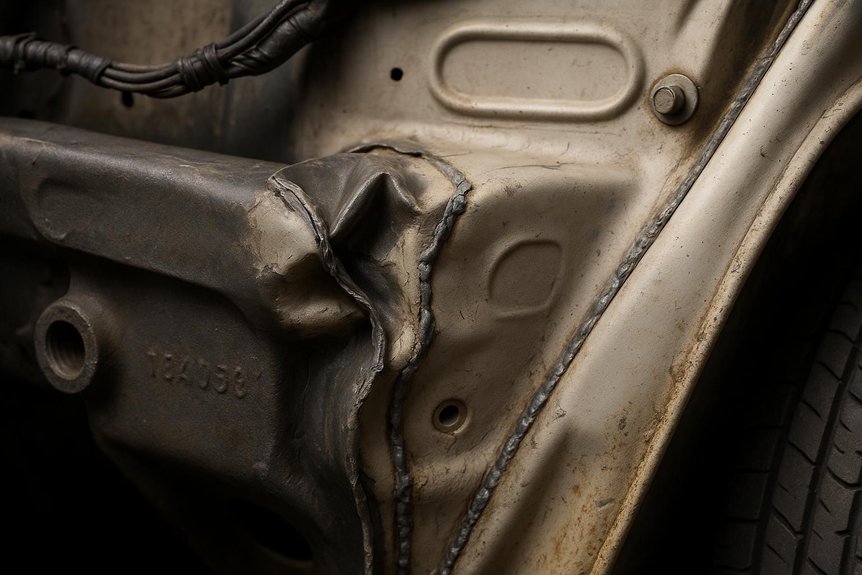
Before you trust a stamped VIN, trace the paper path. You’re not just verifying a number; you’re confirming identity. Pull the title history: check branding, mileage jumps, and quick resales. Compare seller names and dates to repair timelines. Request insurance files—claim numbers, photos, adjuster notes, and loss type. Total-loss tags, airbag deployments, or flood indicators should align with visible repairs.
Document chain of custody. Who held the vehicle, when, and why? Auction records, towing receipts, and storage logs should flow without gaps. Cross-check bill of sale, lien releases, and odometer disclosures. When the documents agree, you belong on solid ground.
Frequently Asked Questions
How Do Weathered Frames Affect Alternative VIN Legibility and Preservation?
Weathered frames corrode and pit surfaces, so alternative VINs fade, fill with rust, or flake. You protect legibility by gently cleaning, photographing early, sealing with clear rust inhibitor, avoiding harsh abrasives, and documenting locations, so your team shares accurate, trusted identification.
What Tools Safely Reveal Paint-Obscured Stampings Without Damaging Evidence?
Use a soft-bristle brush, microfiber cloth, magnifier, diffuse LED light, and non-abrasive citrus or mineral-based cleaner. Apply gentle heat, low-tack tape lifts, and oblique lighting. Don’t scrape; document every step with photos so everyone trusts your process.
Can Aftermarket Body Panels Invalidate Alternative Identification Points?
Yes, they can. Aftermarket panels may obscure or replace factory stampings, labels, or spot-weld patterns. You’ll verify provenance with frame rails, hidden stampings, ECU/BCM data, key codes, and historical photos. Document changes transparently, and consult manufacturer build data.
How Should Corrosion Be Stabilized Before Forensic Identification Work?
Stabilize corrosion by gently removing loose scale, drying surfaces, applying a neutralizing rust converter, then sealing with an inert, reversible barrier. You’ll keep material intact, support your team’s workflow, and guarantee clean, trustworthy surfaces for forensic identification work.
What Ethical Guidelines Govern Partial Reconstruction for Identification Purposes?
You follow professional codes: prioritize dignity, consent, minimal intervention, verifiable documentation, and chain-of-custody. You reconstruct only what’s necessary, avoid speculative additions, disclose uncertainties, seek peer review, and respect cultural sensitivities so communities feel seen, included, and confident in identification outcomes.