
Accident Damaged VIN Area: Alternative Inspection Points
October 18, 2025
VIN Verification Cost: Why Prices Vary Across California
October 18, 2025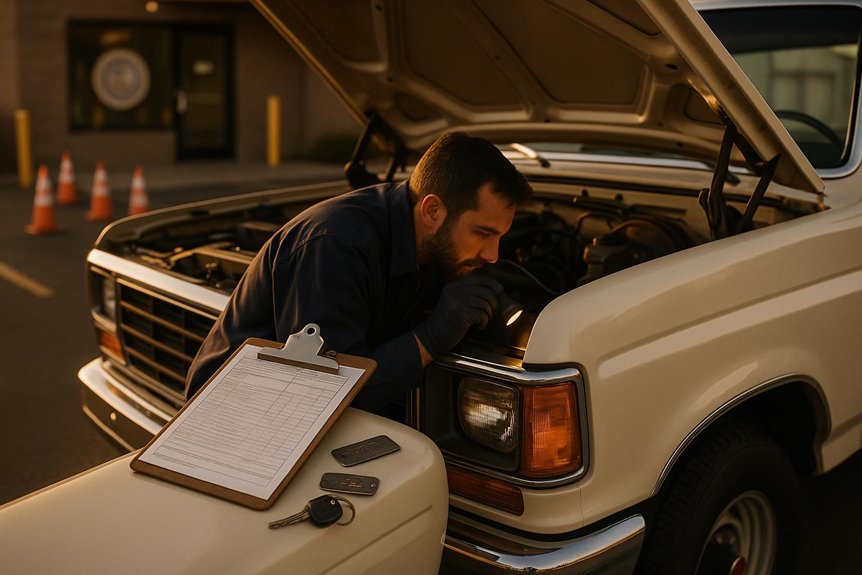
You can verify a VIN without a title and still get a bonded title. First, confirm who can inspect in your state, clean all VIN locations, and match numbers to any bill of sale or proof of ownership. Schedule the inspection and have the REG31 (or state equivalent) completed. Then buy a surety bond (usually 1.5–2x value), submit the bonded title application, fees, and IDs, and wait 4–10 weeks. Your bonded title converts later if unchallenged—here’s how to make it smooth.
When You Need a VIN Inspection Without a Title
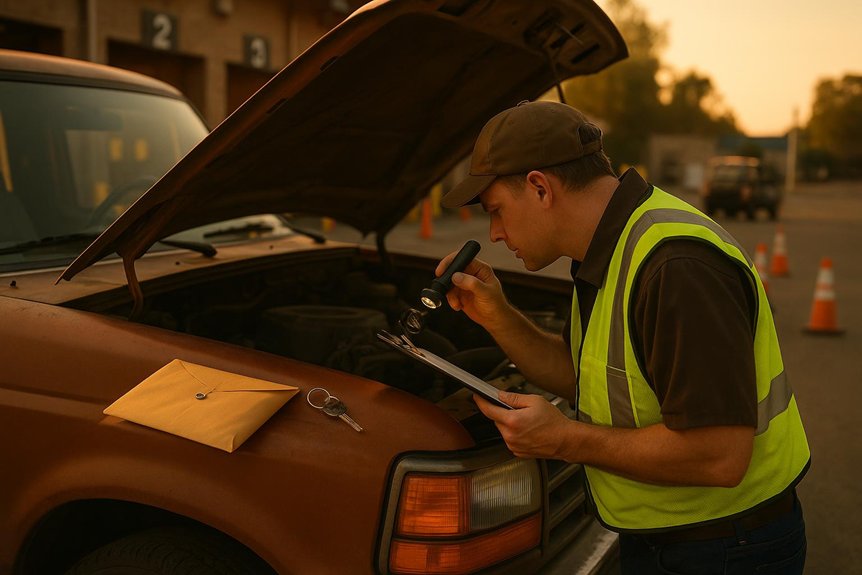
Even without a title, you’ll often need a VIN inspection to move forward with a bonded title. You’re proving the vehicle’s identity so the state can trust the history you present and welcome your car back on the road. If the title’s missing, damaged, out-of-state, or the chain of ownership feels uncertain, you’ll likely need this check.
You’ll also need it when a vehicle sat unregistered for years, came from a lien sale, or was a project with parts swapped. Salvage, abandoned, and inheritance situations often trigger it too. The inspection helps confirm no theft flags, tampering, or mismatched numbers undermine your claim.
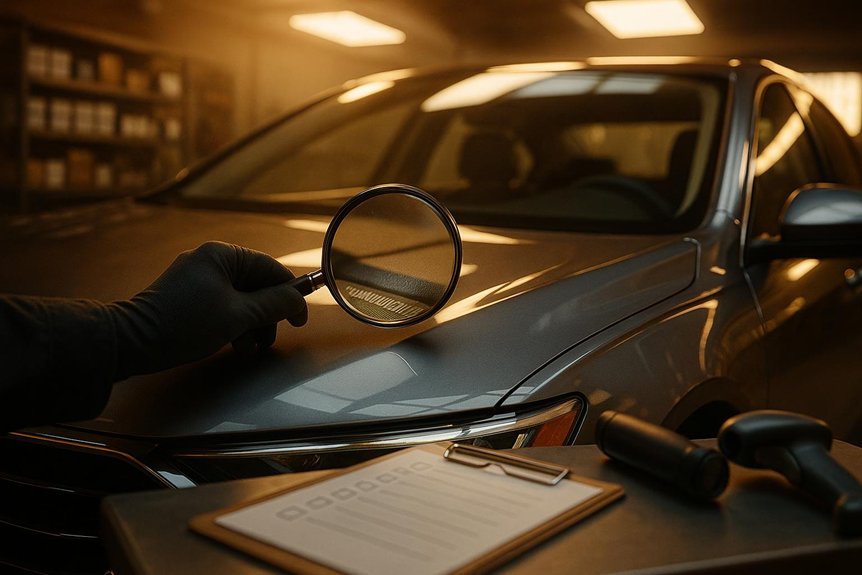
The verification process uses the REG31/VIN verifier form to record key vehicle details and confirm that the VIN on the vehicle matches what’s documented.
Step-by-Step: How VIN Verification Works
Before you schedule anything, confirm your state’s requirements and who’s authorized to verify VINs (DMV staff, law enforcement, licensed inspectors, or dealers). Gather essentials: ID, proof of ownership chain (bill of sale, lien release), and the vehicle. Clean the VIN plates and locate all stampings—dash, door jamb, engine bay, frame. Match numbers to paperwork. Photograph tags if allowed.
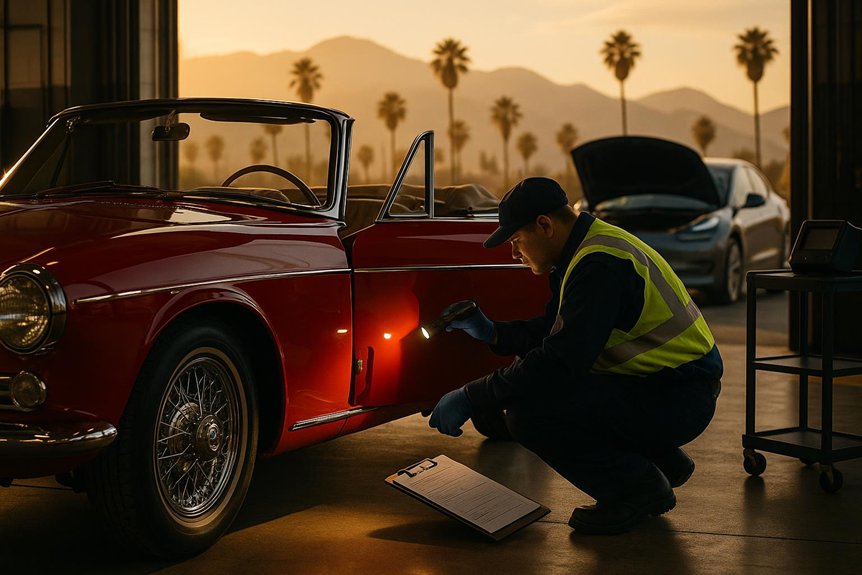
Schedule the inspection; bring forms your state specifies. During verification, stay present, answer questions, and note any discrepancies. If numbers are unreadable or mismatched, ask about acceptable corrections or secondary identifiers. The inspector will complete a REG31 verification form documenting the vehicle year, make, model, VIN location, number of wheels and axles, fuel type, odometer reading, and vehicle type. Get the signed verification form and keep copies for your records.
Getting a Bonded Title: Requirements and Timeline
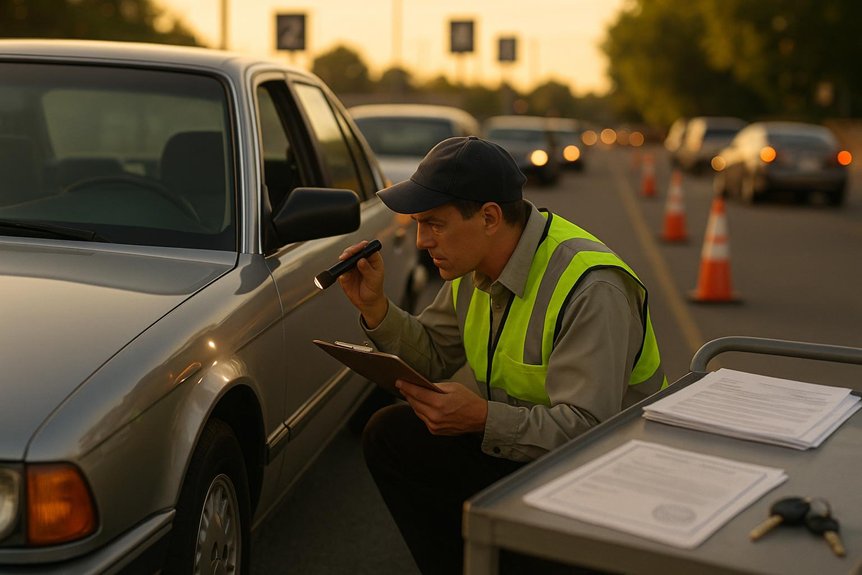
Most states make you follow a clear checklist: confirm your eligibility, complete a VIN inspection, prove a reasonable ownership trail, and buy a surety bond set to a state-defined value (often 1.5–2× the vehicle’s appraised worth). After that, you’ll apply with your DMV, wait for review, and receive a bonded title marked “bonded” for a set period, typically 3–5 years.
Expect the timeline to run 4–10 weeks, depending on appointments, mail times, and DMV backlogs. Stay responsive to any clarification requests. Keep copies of every step. If no prior owner or lienholder challenges your claim during the bond period, your title usually converts to standard. The physical inspection includes documentation of your vehicle’s VIN, make, model, year, and GVWR through completion of a REG31 form that confirms the accuracy of all details.
Documents, Fees, and Surety Bond Basics
With the steps and timeline in mind, it’s time to gather what the DMV will actually ask for and what it’ll cost. You’ll bring a completed bonded title application, bill of sale or ownership proof, VIN inspection, photo ID, and any lien releases. Keep copies; they show you belong in this process.
Expect fees: title, registration, VIN inspection, and tax where applicable. For the surety bond, states usually require 1.5–2 times the vehicle’s value. You’ll pay a premium, typically 1–10% based on credit and risk, not the full bond amount. Keep the bond, receipt, and DMV fee totals together for submission.
Common Mistakes to Avoid and Tips for a Smooth Process
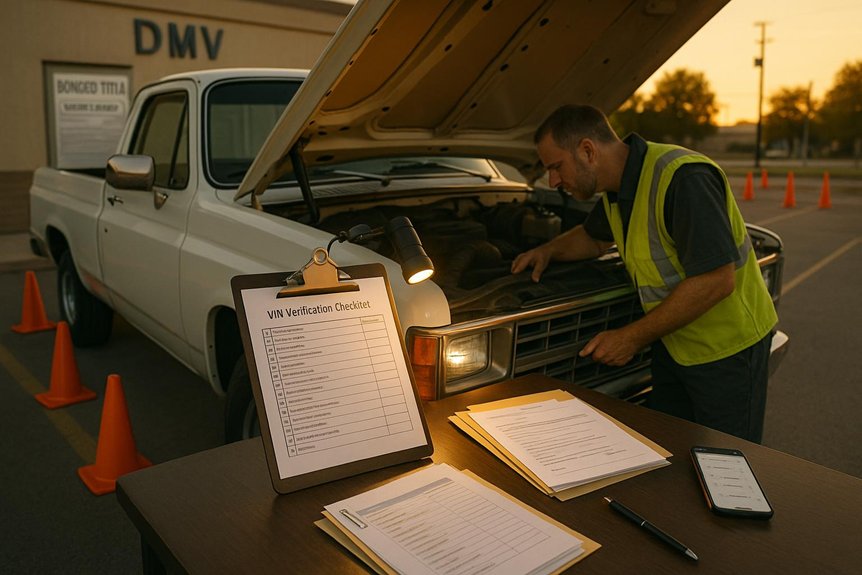
Although the bonded title path is straightforward, small missteps can stall you for weeks. Double-check the VIN on every form; one wrong digit triggers rework. Don’t skip required inspections or forget photo IDs—clerks will send you back.
Keep proof of purchase and lien releases together; missing links raise red flags. Confirm your state’s fee schedule and bond amount before paying.
Submit complete packets—applications, checks, copies—at once. Use certified mail and keep receipts. Ask your DMV or tag agency for a document checklist; they want you to succeed. Track deadlines, respond quickly, and save every email.
Stay courteous—teams help faster when you’re collaborative.
Frequently Asked Questions
Can I Sell the Vehicle While a Bonded Title Is Active?
Yes, you can sell it, but disclose the bonded title and share all paperwork. You’ll transfer the bond with the sale. Confirm your state’s rules, buyer’s lender requirements, and any waiting periods so everyone feels protected and welcome.
How Does a Bonded Title Affect Vehicle Insurance Rates?
It usually doesn’t raise rates, but some insurers view bonded titles as slightly higher risk. You’ll likely need full documentation. Shop around, disclose the bond, and ask underwriters directly. You’re not alone—plenty of drivers secure fair premiums.
Will a Bonded Title Impact Resale Value or Buyer Financing?
Yes, it can. Buyers may worry about past ownership issues, reducing offers. Some lenders hesitate, affecting financing options. You’ll ease concerns by keeping documentation, title bond details, VIN inspections, and lien releases handy, showing transparency and protecting community trust.
Are Out-Of-State VIN Inspections Accepted for Bonded Title Applications?
Yes, sometimes—states vary. You’ll usually need the inspection done by an authorized officer in the state issuing the bonded title. Check your DMV’s list, bring proper forms, and verify reciprocity. Ask questions; you’re not traversing this alone.
What Happens When the Surety Bond Period Expires?
When the surety bond period expires, you typically keep your title and the bond ends. You won’t renew it. If no valid claims surfaced, you’re clear. Keep records handy, and celebrate—you’ve completed the journey.