
Storage Unit VIN Verification: Non-Running Vehicle Options
October 18, 2025
DMV Office Parking Lot VIN Verification: Before Your Appointment
October 18, 2025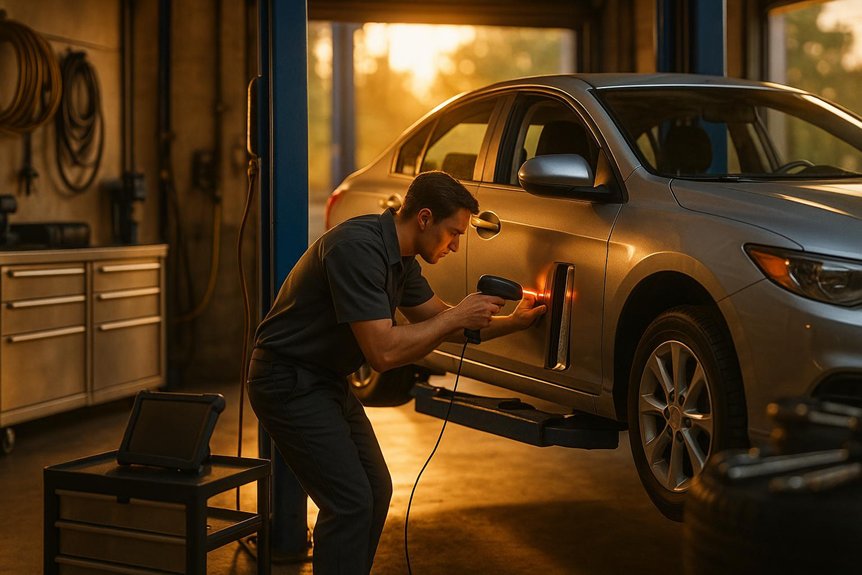
At your service appointment, you’ll get a quick, hands-on VIN verification to confirm your car’s identity matches your title/registration, protect against fraud, and help with out-of-state titles, salvage reactivations, imports, or corrections. Bring photo ID, current title/registration, insurance, DMV forms, and any bill of sale or loan/lease docs. Techs compare the dash and door-jamb VINs, check secondary stamps, and document specs. Clean VIN areas, remove trim blocking labels, and match paperwork beforehand. Here’s what to expect next.
What VIN Verification Is and When You Need It
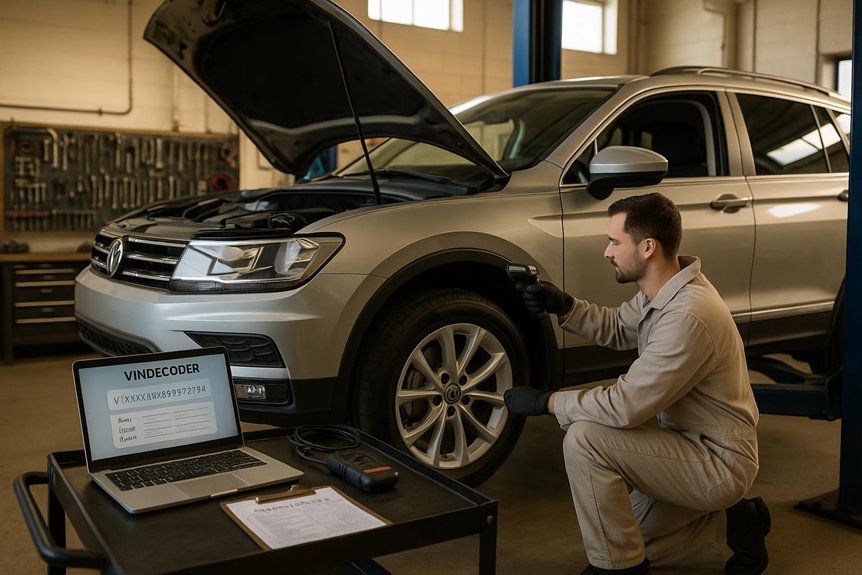
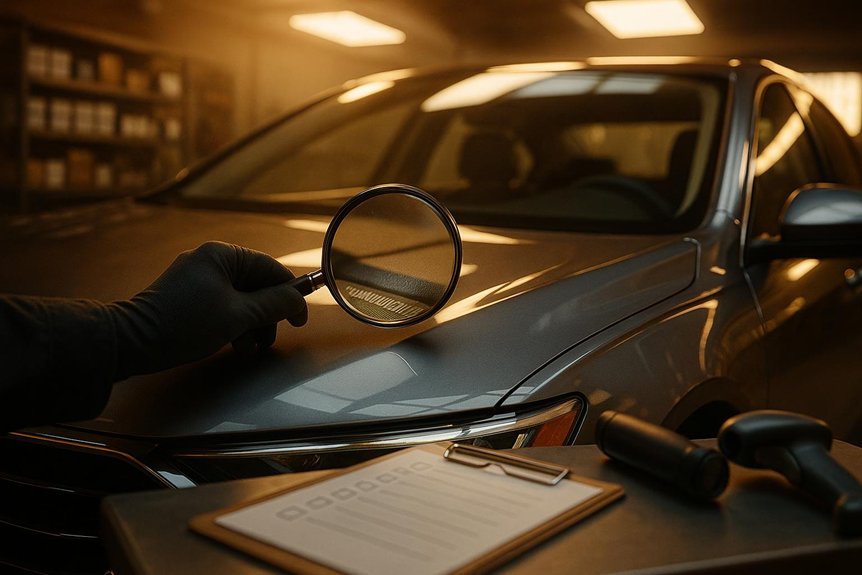
Although it sounds technical, a VIN verification is simply a physical inspection that confirms your vehicle’s identification number matches its paperwork and that the car exists as described. You’ll stand with the mechanic while they read the VIN on the dash, door jamb, or frame and compare it to official records.
You need verification when titling an out-of-state purchase, reactivating a salvage vehicle, correcting a discrepancy, importing a car, or completing certain DMV transactions. It’s quick, straightforward, and helps protect our community from fraud and stolen vehicles. The mechanic documents everything on the REG31/VIN verifier form, recording your vehicle’s year, make, model, and VIN for DMV records. You’re not alone—this step keeps everyone’s rides recognized, legitimate, and road-ready.
Documents and Prep to Bring to Your Appointment
Before you roll in, gather the essentials so the verification goes fast and smooth. Bring your government-issued photo ID, current registration or title, proof of insurance, and any DMV or state VIN verification form required.
If the car’s recently purchased, pack the bill of sale. For leased or financed vehicles, have your lease or loan docs. If plates are temporary, include the temp tag.
Clean the VIN areas—dashboard plate and driver-door jamb—so they’re easy to read. Arrive with the vehicle keys, remote fob, and a charged phone. Show up on time, park safely, and you’ll help the team help you. For out-of-state vehicles, make sure you also have your out-of-state title, MSO, or registration card ready for the verification process.
How Technicians Perform the VIN Check at the Shop
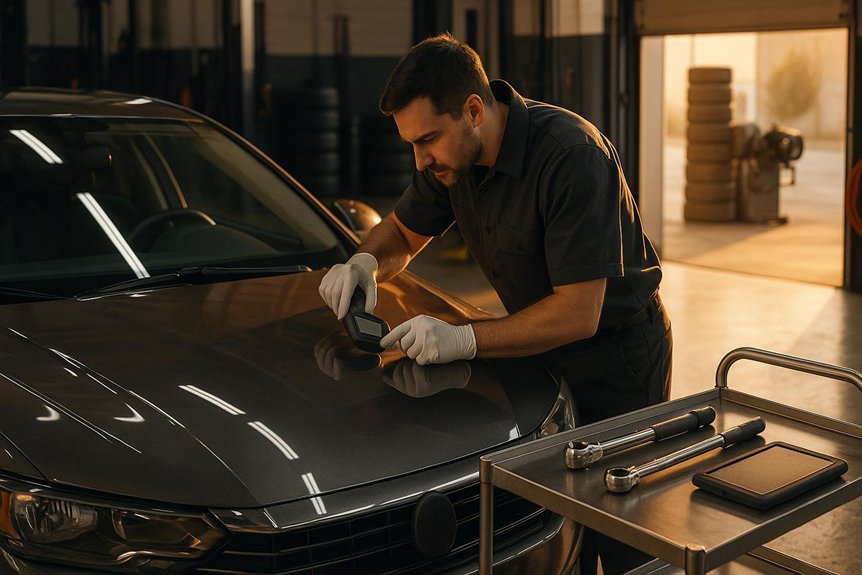
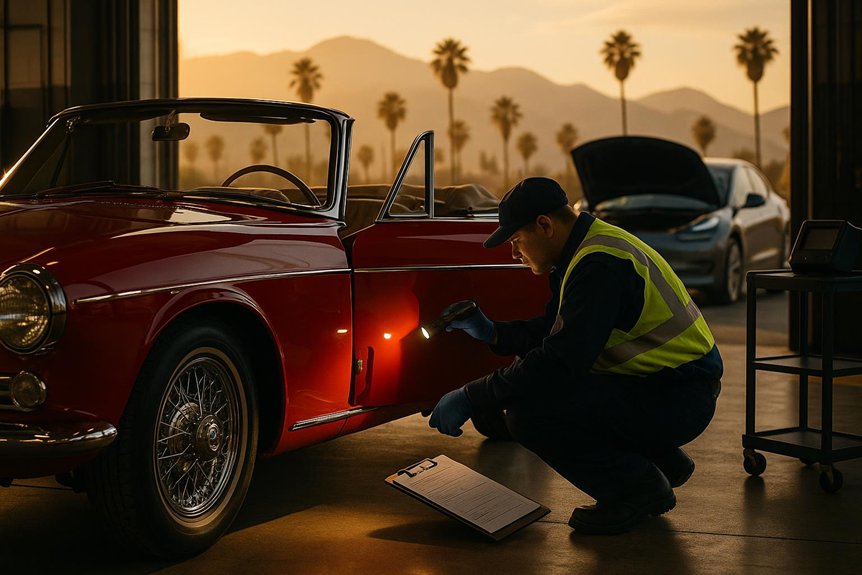
So what actually happens once you pull into the bay? A tech greets you, confirms your name and appointment, then explains the quick VIN check so you’re never in the dark. You’ll pop the driver door; they compare the door-jamb VIN label with the dashboard plate through the windshield.
Next, they verify the VIN matches your paperwork and their system. If needed, they check secondary stamps under the hood or trunk area. They’ll note trim, engine, and emissions data tied to that VIN. Photos or scans get attached to your work order. This comprehensive VIN database helps technicians quickly cross-reference your vehicle’s complete history and specifications. Finally, they confirm everything aligns, thank you, and move your service forward.
Common Issues That Delay or Fail a Verification
When a verification drags or fails, it’s usually because the identifiers don’t line up or aren’t readable. You’re part of a community that cares about getting details right, and small mismatches matter.
Common holdups include a windshield VIN plate obscured by tint, glare, or damage; a door-jamb label peeled, painted over, or missing; engine stamps corroded; or aftermarket parts hiding numbers. Paperwork issues also stall things: a title or registration with typos, name mismatches, or outdated addresses.
Flood, theft, or salvage histories can trigger extra scrutiny. If technicians can’t confirm every required identifier, they must pause the process.
Tips to Get Approved on the First Try
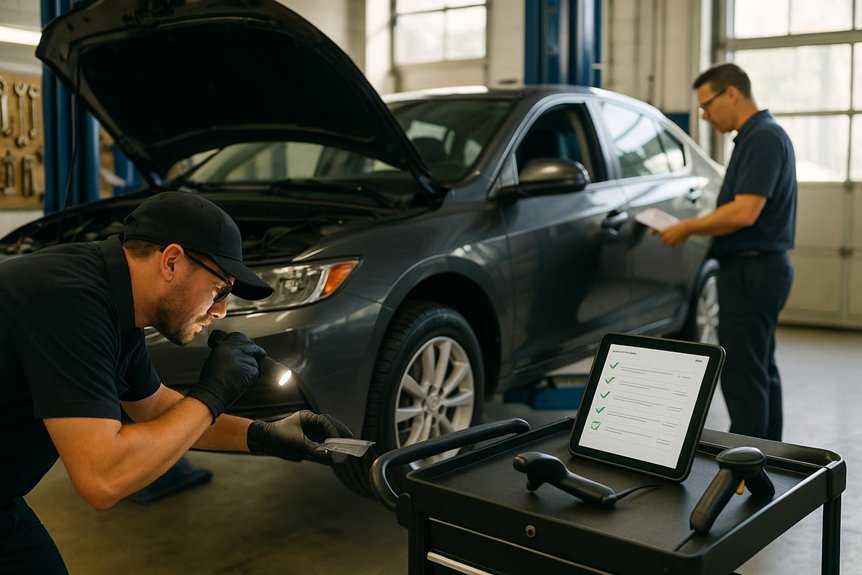
Even a little prep makes your VIN verification smooth and fast. Bring your title or registration, a valid photo ID, and proof of insurance. Clean the VIN plate and windshield area so the numbers are visible. Know every VIN location on your vehicle—dash, door jamb, engine bay, and frame. Match the VIN on your documents to the plate beforehand.
Arrive on time, with keys, and open compartments. Remove plate covers and aftermarket trim that block VIN stamps. If the car’s salvaged or imported, bring supporting paperwork. Tell the tech about any replaced parts or prior inspections. Ask questions early. You’ll help the team help you.
Frequently Asked Questions
Can Mobile Mechanics Perform VIN Verifications at Your Location?
Yes, many mobile mechanics can perform VIN verifications at your location, depending on your state’s rules. You’ll schedule a visit, show identification and vehicle documents, and they’ll complete the inspection so you feel supported and connected.
Are VIN Verification Fees Refundable if the Vehicle Fails?
Usually, VIN verification fees aren’t refundable if the vehicle fails. You’re paying for the inspection attempt and time. Ask upfront about recheck discounts, what issues you must fix, and whether the same shop will honor a reduced follow-up fee.
Do Shops Keep VIN Data or Share It With Third Parties?
Yes—most shops keep VIN data securely for records and compliance, and don’t share it without consent or legal need. You should ask about retention periods, encryption, access controls, and opt-out options. You’re empowered to request deletion.
Is an Appointment Required, or Are Walk-Ins Accepted for Verification?
Walk-ins are usually welcome, but some shops require appointments for smoother flow. Call ahead to confirm. You’ll feel taken care of either way. Bring your ID, registration, and VIN-ready vehicle so they can verify quickly and include you comfortably.
Can Out-Of-State or Imported Vehicles Be Verified at Any Shop?
Yes, but it depends on your state’s rules and the shop’s authorization. You should call ahead, confirm they’re certified for out-of-state or imported VINs, and ask about required documents. You’ve got this—bring ID, title, import papers, and fees.