
Federal Motor Vehicle Safety Standards and VIN Verification
October 18, 2025
VIN Verification Equipment: Tools of the Trade
October 18, 2025
When you verify a VIN with NMVTIS, you’re pulling the backbone data that keeps titles honest. You check title status, brand history (salvage, rebuilt, flood), odometer readings, total-loss, and theft records, then weigh red flags like rollbacks, flood notes, or rapid title flips. NMVTIS won’t show maintenance, minor repairs, photos, or private fixes, so a physical VIN inspection still matters. Match the VIN across car and paperwork and walk from salvage, junk, or flood. Here’s what smart verifiers weigh next.
What NMVTIS Is and Why It Matters
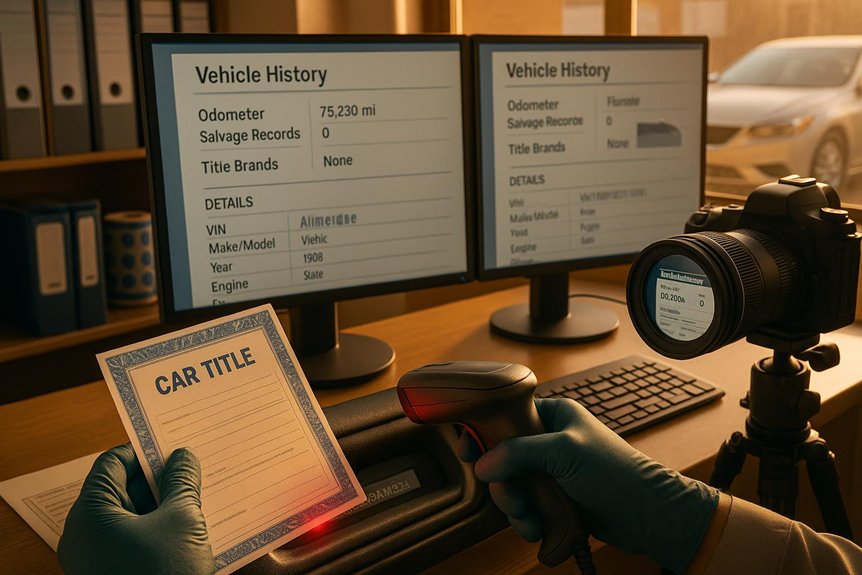
Even if you’ve never heard of it, the National Motor Vehicle Title Information System (NMVTIS) is the backbone of title integrity in the U.S. It connects states, insurers, and recyclers so you aren’t left guessing a car’s past.
When you rely on NMVTIS, you join a community that values safe, fair transactions.
NMVTIS matters because it reduces title fraud, flags dangerous histories, and helps protect your wallet. It keeps “clean title” meaningful, especially across state lines.
While NMVTIS provides critical historical data, it’s important to note that a VIN verification is not a history report—it’s a physical inspection that confirms the vehicle’s identity matches ownership documents.
The Core Data Points VIN Verifiers Pull
Start with the essentials: VIN verifiers pull title status, brand history (like salvage, rebuilt, flood), odometer readings, total-loss records, theft records, and current state of title. You’ll see where a vehicle’s been titled, how it’s been labeled, and whether the mileage adds up. You also get insurance total-loss events and reported thefts that could block registration. These core points help you avoid surprises and feel confident you belong behind the wheel.
You’ll also spot date-stamped updates and reporting sources, which strengthen trust. When the data aligns, you can move forward together with clarity—no guesswork, no gaps, just shared facts. Beyond database checks, the physical inspection documented on a REG31 form confirms the VIN location, vehicle type, fuel source, and Federal Certification Label status to ensure everything matches the title.
What’s Not in NMVTIS (And Why That Matters)
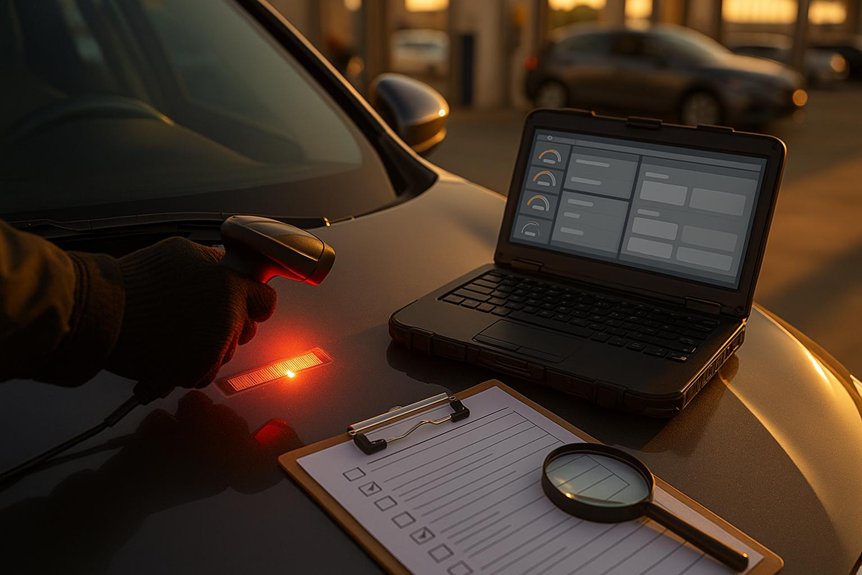
While NMVTIS is powerful, it’s not a complete vehicle biography. You won’t see routine maintenance, minor repairs, detailed service history, unreported accidents, dealer reconditioning, or most recall completion data. Private-party fixes, cosmetic work, and aftermarket mods usually don’t appear.
Odometer issues might surface only if reported, and lien details can lag. Photos, inspection notes, and seller behavior aren’t included. Some states and insurers report slowly or inconsistently.
This matters because you deserve the full picture. Pair NMVTIS with service records, pre-purchase inspections, manufacturer recall checks, and state title lookups. A professional VIN verification can identify discrepancies across databases that NMVTIS might miss, adding another layer of protection against fraud. When you combine sources, you protect yourself—and drive with confidence.
How Verifiers Interpret Red Flags and Risk
Knowing what NMVTIS doesn’t show sets the stage for how verifiers read what it does. You look for patterns, not isolated entries. A salvage brand plus rapid title transfers signals instability. A “junk” or “crush” record is a stop sign.
Rebuilt titles aren’t automatic no’s, but they demand consistency across dates, mileage, and jurisdictions. Mileage rollbacks pair with inconsistent title events to elevate risk. Flood, fire, or hail indicators trigger deeper scrutiny of where and when. You weigh missing data as caution, not proof.
Ultimately, you align what the record claims with a believable story. If it strains credibility, you flag it.
Practical Steps for Buyers Using NMVTIS Reports
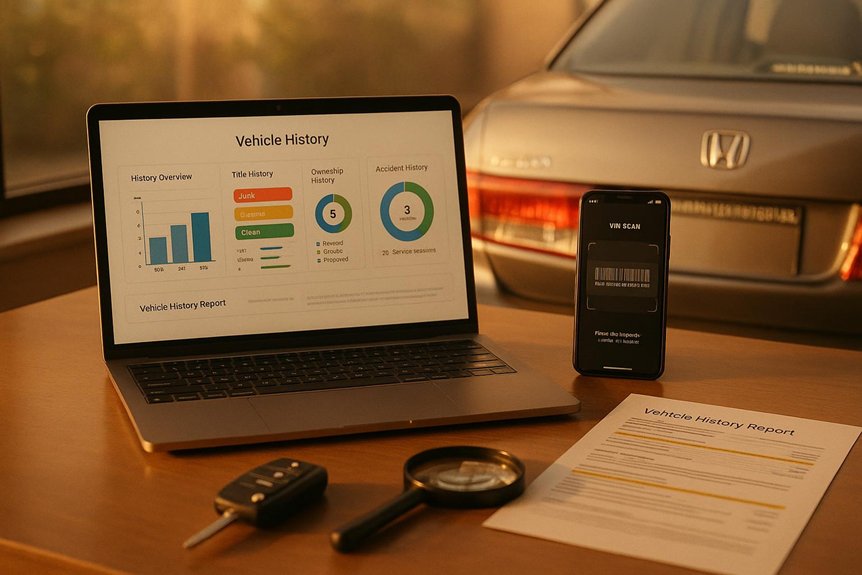
Before you hand over money, anchor your process with a clean checklist. Pull an official NMVTIS report from a trusted provider. Match the VIN on the report, dash, door jamb, and title. Confirm the title brand status; walk if you see salvage, junk, or flood. Check odometer readings for jumps or rollbacks. Review total-loss and theft records; verify all dates align with service history.
Call the issuing DMV if anything feels off. Cross-check with a pre-purchase inspection and a test drive. Document everything with photos. Share findings with a trusted friend. If uncertainty lingers, pause. You’re building safety, not speed.
Frequently Asked Questions
How Often Is NMVTIS Updated by Different Data Providers?
It updates continuously, but frequency varies: states submit daily to weekly, insurers and salvage yards report within 30 days, auctions upload regularly, and some partners push near real-time. You’ll see timely changes, fostering trust and shared confidence across our community.
Does NMVTIS Include Vehicles Outside the United States?
No. You’re looking at a U.S.-focused system. NMVTIS covers vehicles titled or reported within the United States and territories. For imports, you’ll see data once they’re titled here; foreign-only histories aren’t included. You’re not alone maneuvering this.
Can Individuals Correct Inaccuracies Found in NMVTIS Records?
Yes, you can request corrections. Start by getting the NMVTIS report, note the error, then contact the reporting source (state DMV, insurer, junk/salvage yard). Provide proof, keep records, and follow up until the update appears.
How Does NMVTIS Differ From CARFAX and Autocheck Sources?
NMVTIS is government-mandated, draws directly from states, insurers, and salvage yards, and focuses on title, brand, and total loss data. Carfax and AutoCheck aggregate broader sources, add service records, dealer info, and scores. You’ll benefit by checking all.
What Legal Obligations Do Dealers Have Regarding NMVTIS Reports?
You must check NMVTIS before selling, disclose branded titles, and avoid knowingly offering junk/salvage vehicles without proper notice. Keep records, follow state reporting rules, and post consumer NMVTIS notices. Noncompliance risks fines, license actions, and consumer protection claims.